Procter & Gamble, Intel, and Three Stocks to Monitor as Friday Approaches


Procter & Gamble Earnings Expectations: Procter & Gamble is expected to report quarterly earnings of $1.90 per share on revenue of $22.17 billion, with shares rising 0.8% to $153.49 in after-hours trading.
Intel's Strong Financial Results: Intel reported third-quarter revenue of $13.65 billion, exceeding estimates, and adjusted earnings of 23 cents per share, leading to a 7.7% increase in shares to $41.10 after hours.
General Dynamics Earnings Forecast: Analysts anticipate General Dynamics will post earnings of $3.70 per share on revenue of $12.57 billion, with shares increasing 1% to $345.00 in after-hours trading.
Deckers Outdoor Performance: Deckers Outdoor reported better-than-expected second-quarter earnings but saw shares drop 12.3% to $89.91 after announcing fiscal GAAP EPS of $6.30 to $6.39, slightly above estimates.
Trade with 70% Backtested Accuracy
Analyst Views on GD

About GD
About the author

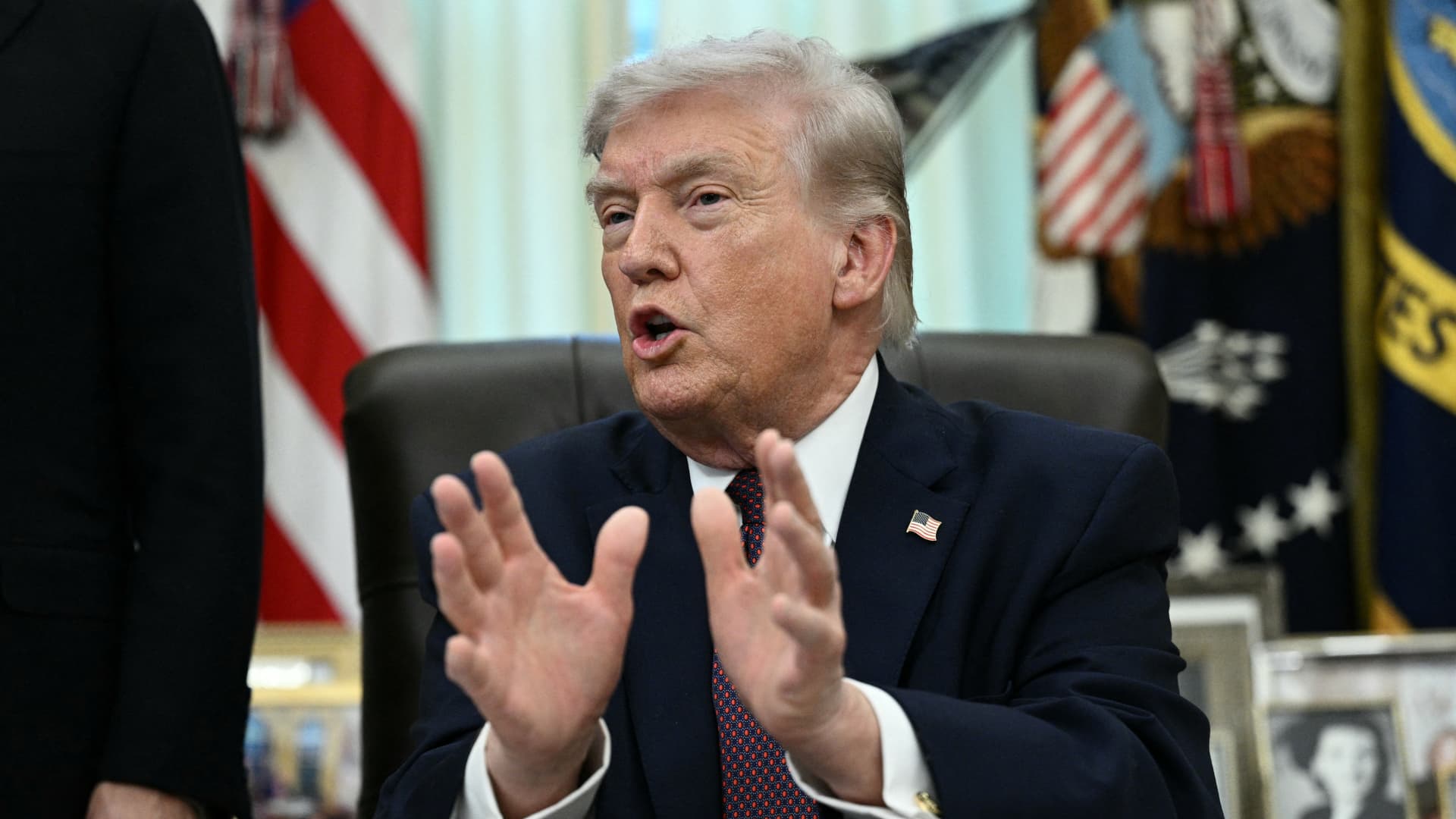
Trump Announces Imminent US Military Withdrawal from Iran


- Military Withdrawal Announcement: Trump stated that U.S. military forces are expected to leave Iran in 'two to three weeks,' indicating a reassessment of America's military presence in the region, which could impact stability in the Middle East.
- Oil Price Surge: Oil prices have risen sharply, with Brent heading for a record monthly surge due to the ongoing Iran conflict, highlighting the direct impact of geopolitical tensions on global energy markets.
- International Negotiation Preparations: Pakistan is set to host U.S.-Iran talks in the coming days, as Trump expresses intent to make a deal, potentially opening new avenues for regional peace while reflecting America's emphasis on diplomatic solutions.
- Military Action Adjustments: Trump's decision to postpone strikes against Iranian energy infrastructure demonstrates a cautious approach to the situation, which may affect U.S. strategic positioning in the Middle East and the confidence of its allies.
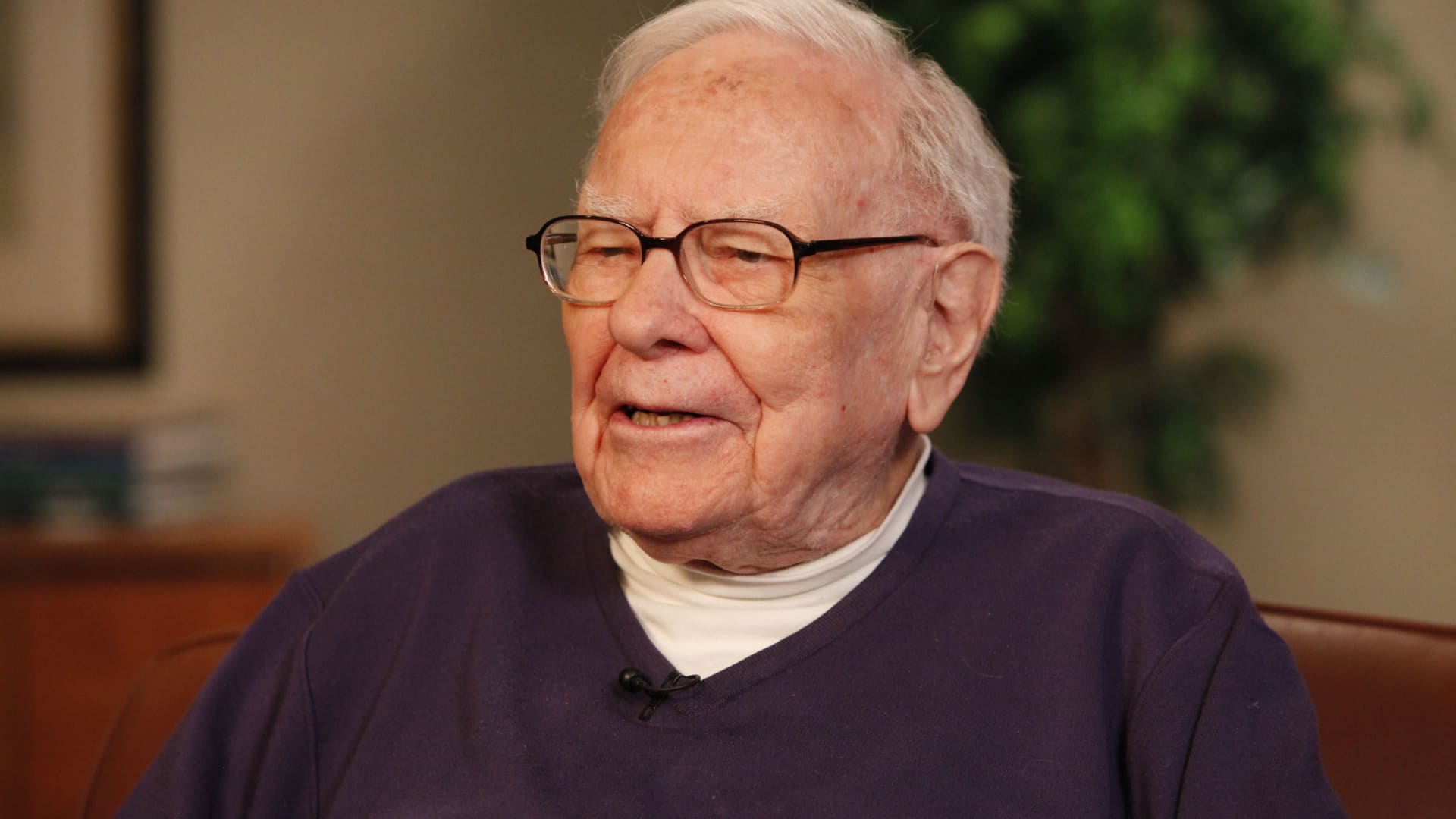
Buffett Warns of Nuclear Proliferation Risks
- Nuclear Proliferation Warning: Buffett stated on CNBC's 'Squawk Box' that the prospect of Iran acquiring nuclear weapons significantly heightens the risk of global conflict, especially as nine countries now possess nuclear capabilities, fundamentally altering the global risk landscape.
- Geopolitical Tensions: He specifically highlighted rising geopolitical tensions involving Iran and North Korea, suggesting that the potential presence of nuclear weapons in these regions considerably complicates the situation and could lead to catastrophic outcomes.
- Pessimistic Outlook: Buffett expressed a belief that within the next 100 years, something will occur that could lead to the use of nuclear weapons, emphasizing that the current state of nuclear arsenals cannot be ignored, reflecting his deep concerns about proliferation.
- Challenges for Leaders: When asked what advice he would give to a U.S. president regarding enriched uranium, Buffett adopted a fatalistic tone, suggesting that the existence of nuclear weapons will complicate future decision-making processes significantly.
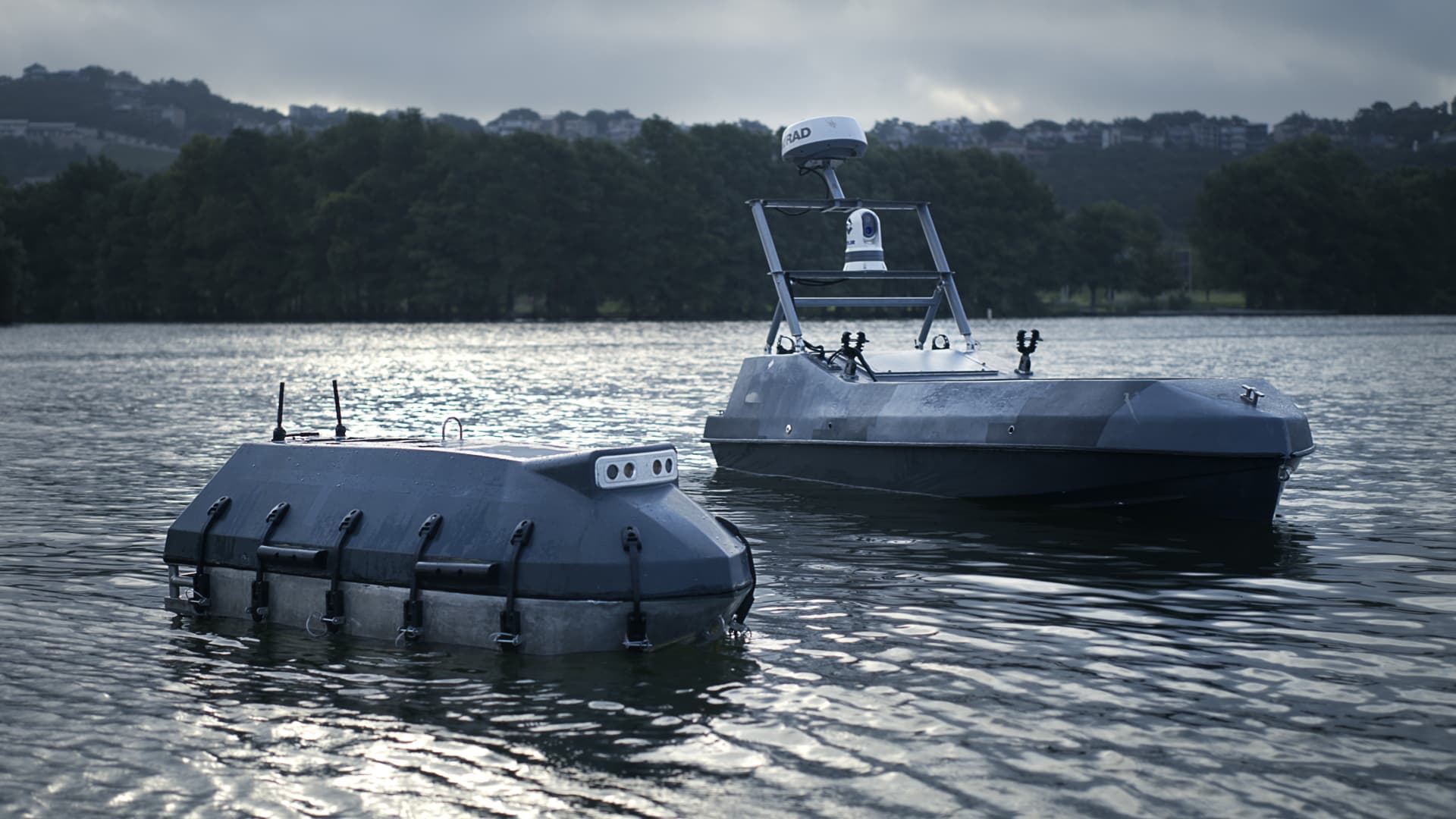
Saronic Raises $1.75 Billion to Expand Autonomous Ship Production


- Funding Milestone: Saronic has successfully raised $1.75 billion, more than doubling its valuation from $4 billion to $9.25 billion, indicating strong market demand for its autonomous vessel technology amid U.S. military modernization efforts.
- Production Expansion: The company aims to build over 20 ships annually by 2027, scaling its supply chain and establishing the new Port Alpha shipyard in Texas to meet increasing military demands and enhance U.S. naval defense capabilities.
- Intensifying Market Competition: Saronic's autonomous vessel designs are intended to mitigate military risks and assist the U.S. in regaining dominance over China, reflecting a rapid shift towards unmanned systems in modern warfare environments.
- Historic Production Goals: Mavrookas stated that the company is on track to quintuple production at its main shipyard in Franklin, Louisiana, over the next 12 months, marking production levels not seen in the U.S. since World War II and further driving innovation in defense technology.
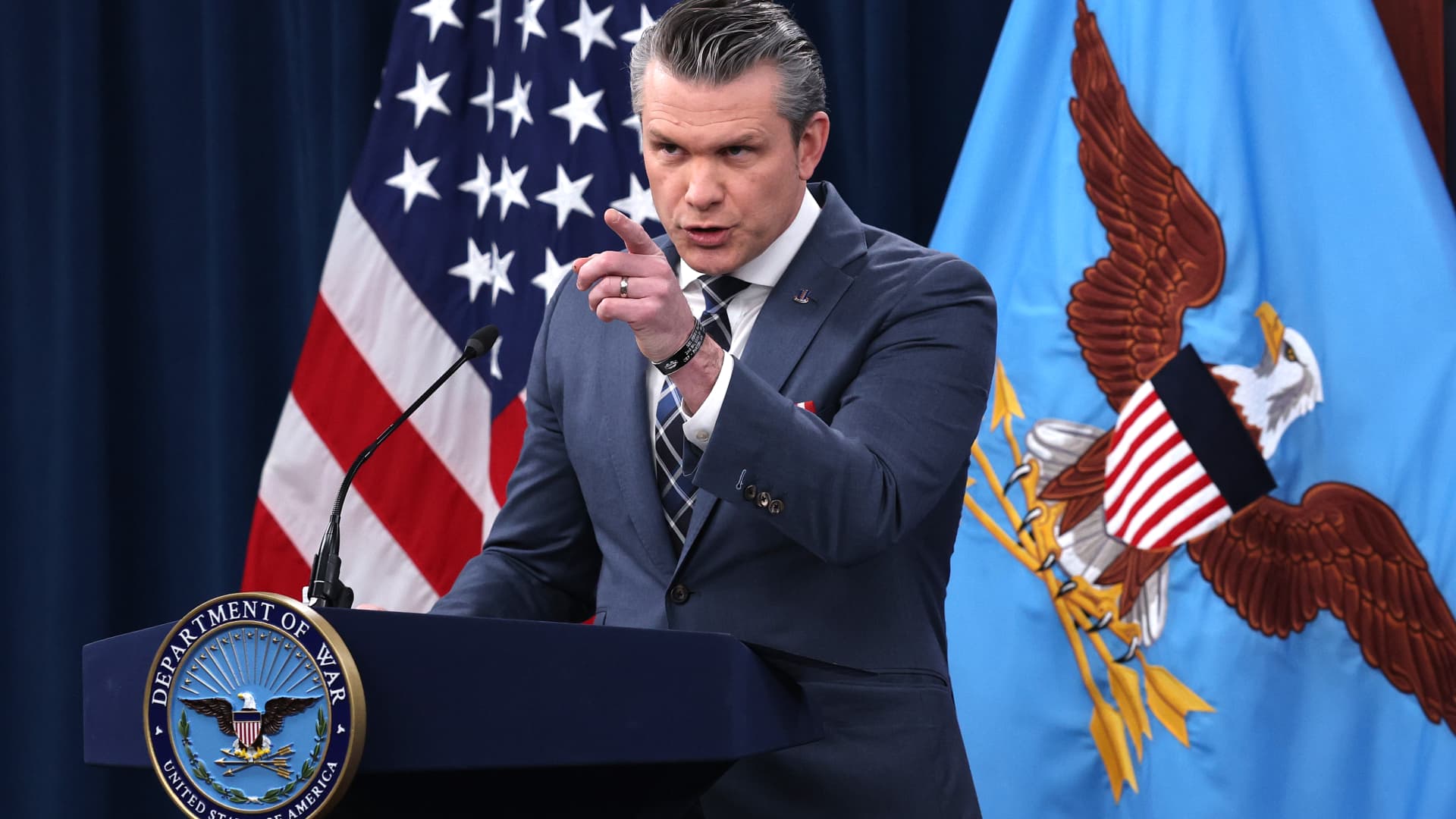
Iran War Triggers Market Turmoil Amid Conflicting Statements

- Market Uncertainty: The oil markets are experiencing volatility due to conflicting statements regarding the Iran war, with both WTI and Brent crude prices initially rising before pulling back, indicating investor concerns about future developments.
- Defense Secretary Investment Controversy: U.S. Defense Secretary Pete Hegseth's broker reportedly sought to make multimillion-dollar investments in major defense companies before the war, raising questions about potential insider trading, although the Pentagon has dismissed these claims.
- Trump's Tough Rhetoric: President Trump threatened to destroy Iran's oil wells and power plants if a peace deal is not reached, which has heightened market anxiety and complicated investor expectations regarding the conflict's trajectory.
- Fed's Inflation Outlook: Federal Reserve Chair Jerome Powell stated that inflation expectations remain grounded despite rising energy prices, suggesting that the central bank does not need to respond with higher interest rates, which could influence market perceptions of future monetary policy.
Pentagon Denies Defense Secretary's Investment Rumors
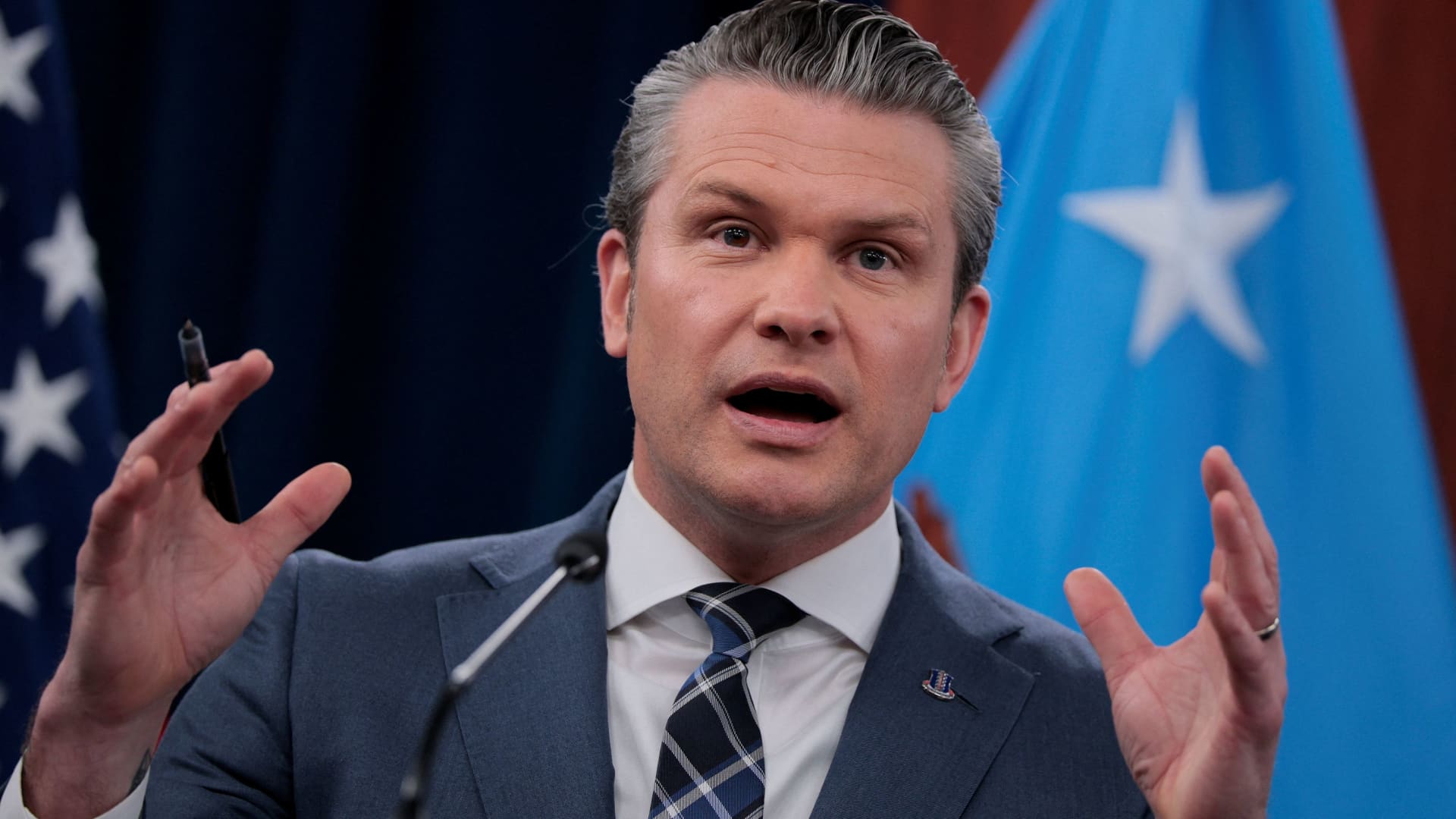
- Investment Rumors Surface: According to the Financial Times, U.S. Defense Secretary Pete Hegseth's broker sought to make a large investment in major defense companies ahead of the Iran war, although the Pentagon denied the report, labeling it as 'entirely false.'
- ETF Investment Plan: Hegseth's broker contacted BlackRock to discuss a multimillion-dollar investment in its iShares Defense Industrials Active ETF, which has approximately $3.1 billion in assets and includes stocks from major defense firms like Lockheed Martin.
- Poor Market Performance: The Defense ETF has lost 12.4% in the past month since the onset of the Iran war, reflecting cautious sentiment in the defense investment landscape, despite Hegseth's investment plans not materializing.
- Conflict Escalation: With U.S. Marines arriving in the region, the Pentagon is preparing for weeks of ground operations in Iran, indicating a potential escalation of the conflict that could further impact defense industry investment sentiment.

U.S. Navy Awards General Dynamics $15.4 Billion Contract


- Massive Contract Award: The U.S. Navy has awarded General Dynamics a $15.4 billion contract to support the construction of 12 Columbia-class nuclear submarines, reflecting the Navy's confidence in the project, which is expected to exceed a total cost of $126 billion.
- Slow Project Progress: Since the Navy first awarded General Dynamics a design contract in 2017, the project has faced delays, with the first submarine not expected to be delivered until 2027, highlighting the complexity and long timelines of military projects.
- Market Share Distribution: General Dynamics will receive 78% of the project funding, while competitor Huntington Ingalls will be responsible for the bow and stern sections of the submarines, illustrating the collaborative yet competitive dynamics between the two firms in this critical defense initiative.
- Investment Value Analysis: Despite General Dynamics' significant role in defense, its price-to-earnings ratio exceeds 22, with a long-term growth forecast of only 10.5%, whereas Huntington Ingalls presents a more attractive PEG ratio, suggesting investors should carefully evaluate the investment potential of General Dynamics.
Trump Announces Imminent US Military Withdrawal from Iran
- Military Withdrawal Announcement: Trump stated that U.S. military forces are expected to leave Iran in 'two to three weeks,' indicating a reassessment of America's military presence in the region, which could impact stability in the Middle East.
- Oil Price Surge: Oil prices have risen sharply, with Brent heading for a record monthly surge due to the ongoing Iran conflict, highlighting the direct impact of geopolitical tensions on global energy markets.
- International Negotiation Preparations: Pakistan is set to host U.S.-Iran talks in the coming days, as Trump expresses intent to make a deal, potentially opening new avenues for regional peace while reflecting America's emphasis on diplomatic solutions.
- Military Action Adjustments: Trump's decision to postpone strikes against Iranian energy infrastructure demonstrates a cautious approach to the situation, which may affect U.S. strategic positioning in the Middle East and the confidence of its allies.
Buffett Warns of Nuclear Proliferation Risks
- Nuclear Proliferation Warning: Buffett stated on CNBC's 'Squawk Box' that the prospect of Iran acquiring nuclear weapons significantly heightens the risk of global conflict, especially as nine countries now possess nuclear capabilities, fundamentally altering the global risk landscape.
- Geopolitical Tensions: He specifically highlighted rising geopolitical tensions involving Iran and North Korea, suggesting that the potential presence of nuclear weapons in these regions considerably complicates the situation and could lead to catastrophic outcomes.
- Pessimistic Outlook: Buffett expressed a belief that within the next 100 years, something will occur that could lead to the use of nuclear weapons, emphasizing that the current state of nuclear arsenals cannot be ignored, reflecting his deep concerns about proliferation.
- Challenges for Leaders: When asked what advice he would give to a U.S. president regarding enriched uranium, Buffett adopted a fatalistic tone, suggesting that the existence of nuclear weapons will complicate future decision-making processes significantly.
Saronic Raises $1.75 Billion to Expand Autonomous Ship Production
- Funding Milestone: Saronic has successfully raised $1.75 billion, more than doubling its valuation from $4 billion to $9.25 billion, indicating strong market demand for its autonomous vessel technology amid U.S. military modernization efforts.
- Production Expansion: The company aims to build over 20 ships annually by 2027, scaling its supply chain and establishing the new Port Alpha shipyard in Texas to meet increasing military demands and enhance U.S. naval defense capabilities.
- Intensifying Market Competition: Saronic's autonomous vessel designs are intended to mitigate military risks and assist the U.S. in regaining dominance over China, reflecting a rapid shift towards unmanned systems in modern warfare environments.
- Historic Production Goals: Mavrookas stated that the company is on track to quintuple production at its main shipyard in Franklin, Louisiana, over the next 12 months, marking production levels not seen in the U.S. since World War II and further driving innovation in defense technology.
Iran War Triggers Market Turmoil Amid Conflicting Statements
- Market Uncertainty: The oil markets are experiencing volatility due to conflicting statements regarding the Iran war, with both WTI and Brent crude prices initially rising before pulling back, indicating investor concerns about future developments.
- Defense Secretary Investment Controversy: U.S. Defense Secretary Pete Hegseth's broker reportedly sought to make multimillion-dollar investments in major defense companies before the war, raising questions about potential insider trading, although the Pentagon has dismissed these claims.
- Trump's Tough Rhetoric: President Trump threatened to destroy Iran's oil wells and power plants if a peace deal is not reached, which has heightened market anxiety and complicated investor expectations regarding the conflict's trajectory.
- Fed's Inflation Outlook: Federal Reserve Chair Jerome Powell stated that inflation expectations remain grounded despite rising energy prices, suggesting that the central bank does not need to respond with higher interest rates, which could influence market perceptions of future monetary policy.
Pentagon Denies Defense Secretary's Investment Rumors
- Investment Rumors Surface: According to the Financial Times, U.S. Defense Secretary Pete Hegseth's broker sought to make a large investment in major defense companies ahead of the Iran war, although the Pentagon denied the report, labeling it as 'entirely false.'
- ETF Investment Plan: Hegseth's broker contacted BlackRock to discuss a multimillion-dollar investment in its iShares Defense Industrials Active ETF, which has approximately $3.1 billion in assets and includes stocks from major defense firms like Lockheed Martin.
- Poor Market Performance: The Defense ETF has lost 12.4% in the past month since the onset of the Iran war, reflecting cautious sentiment in the defense investment landscape, despite Hegseth's investment plans not materializing.
- Conflict Escalation: With U.S. Marines arriving in the region, the Pentagon is preparing for weeks of ground operations in Iran, indicating a potential escalation of the conflict that could further impact defense industry investment sentiment.
U.S. Navy Awards General Dynamics $15.4 Billion Contract
- Massive Contract Award: The U.S. Navy has awarded General Dynamics a $15.4 billion contract to support the construction of 12 Columbia-class nuclear submarines, reflecting the Navy's confidence in the project, which is expected to exceed a total cost of $126 billion.
- Slow Project Progress: Since the Navy first awarded General Dynamics a design contract in 2017, the project has faced delays, with the first submarine not expected to be delivered until 2027, highlighting the complexity and long timelines of military projects.
- Market Share Distribution: General Dynamics will receive 78% of the project funding, while competitor Huntington Ingalls will be responsible for the bow and stern sections of the submarines, illustrating the collaborative yet competitive dynamics between the two firms in this critical defense initiative.
- Investment Value Analysis: Despite General Dynamics' significant role in defense, its price-to-earnings ratio exceeds 22, with a long-term growth forecast of only 10.5%, whereas Huntington Ingalls presents a more attractive PEG ratio, suggesting investors should carefully evaluate the investment potential of General Dynamics.