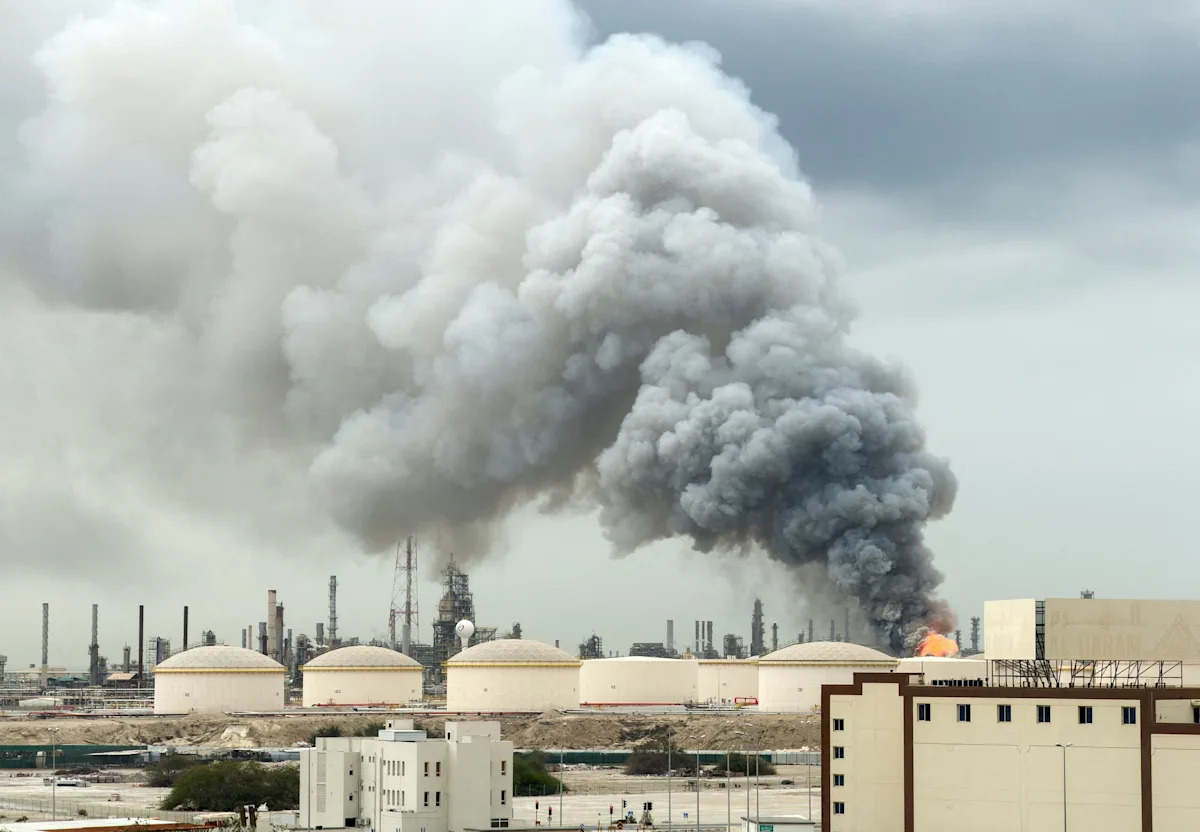
Lockheed Martin's Five-Year Outlook Shows Potential Growth
Written by Emily J. Thompson, Senior Investment Analyst
Updated: 6 days ago
0mins
Should l Buy LMT?
Source: Fool
- Global Defense Spending Surge: Global defense spending increased from $2.48 trillion in 2024 to $2.63 trillion, highlighting strong demand for Lockheed Martin, particularly from European and Middle Eastern nations, which could lead to significant revenue growth over the next five years.
- Robust Free Cash Flow: Lockheed Martin generated $6.9 billion in free cash flow last year and forecasts $6.5 billion to $6.8 billion for 2026, indicating a healthy financial position that supports ongoing investments and shareholder returns, enhancing its long-term investment appeal.
- Shareholder-Friendly Policies: The company returned $6.1 billion to investors last year through buybacks and dividends, demonstrating effective cash management and commitment to shareholders, which boosts investor confidence in the stock.
- Market Performance Potential: While Lockheed Martin's performance has matched the S&P 500 over the past five years, the improvement in global defense spending and the company's financial health suggest that its stock price is likely to rise significantly in the next five years, positioning it as a leader among large-cap industrial stocks.
Trade with 70% Backtested Accuracy
Stop guessing "Should I Buy LMT?" and start using high-conviction signals backed by rigorous historical data.
Sign up today to access powerful investing tools and make smarter, data-driven decisions.
Analyst Views on LMT
Wall Street analysts forecast LMT stock price to fall
12 Analyst Rating
4 Buy
7 Hold
1 Sell
Hold
Current: 628.500

Low
430.00
Averages
535.50
High
605.00
Current: 628.500
Low
430.00
Averages
535.50
High
605.00
About LMT
Lockheed Martin Corporation is a global aerospace and defense company. The Company is engaged in the research, design, development, manufacture, integration and sustainment of advanced technology systems, products and services. Its segments include Aeronautics, Missiles and Fire Control (MFC), Rotary and Mission Systems (RMS) and Space. Aeronautics segment is engaged in the research, design, development, manufacture, integration, sustainment, support and upgrade of advanced military aircraft. MFC segment provides air and missile defense systems, manned and unmanned ground vehicles, energy management solutions, and others. RMS segment designs, manufactures, services and supports various military and commercial helicopters, surface ships, sea and land-based missile defense systems, and others. Its Space segment is engaged in the research and design, development, engineering and production of satellites, space transportation systems, and strategic, advanced strike, and defensive systems.
About the author

Emily J. Thompson
Emily J. Thompson, a Chartered Financial Analyst (CFA) with 12 years in investment research, graduated with honors from the Wharton School. Specializing in industrial and technology stocks, she provides in-depth analysis for Intellectia’s earnings and market brief reports.
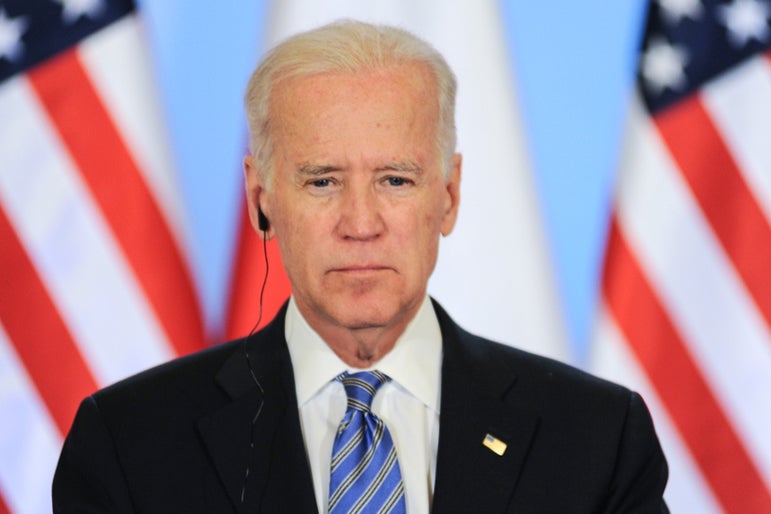
Lockheed Martin Secures $4.76B PAC-3 Missile Contract

- Significant Contract Value: Lockheed Martin has been awarded a substantial $4.76 billion firm-fixed-price contract for the production of PAC-3 Missile Segment Enhancement missiles, which includes all incidental services and equipment, underscoring the company's robust position in the defense sector.
- Diverse Production Locations: The production work will take place across multiple states in the U.S., including Alabama, Florida, and Texas, with an estimated completion date of June 30, 2030, reflecting the company's extensive manufacturing capabilities and flexible supply chain management.
- Varied Funding Sources: At the time of the award, $264.96 million in Army funds and $4.5 billion in Foreign Military Sales funds were obligated, demonstrating the U.S. government's confidence in Lockheed Martin and its influence in international markets.
- Strategic Implications: This contract not only solidifies Lockheed Martin's leadership in missile defense but also has the potential to drive future technological innovations and market expansion, especially in the context of increasingly complex global security dynamics.
See More

Closure of Strait of Hormuz Triggers Global Energy Crisis


- Market Reaction: Oil prices surged above $100 per barrel due to the closure of the Strait of Hormuz, reflecting market concerns over tight energy supplies that could lead to a global economic slowdown.
- Transport Restrictions: The CEO of Abu Dhabi National Oil Co. confirmed that the Strait of Hormuz is not open to shipping, with traffic being restricted, which will further exacerbate international oil price volatility and impact the global energy supply chain.
- Geopolitical Tensions: Iran's plan to charge shipping companies cryptocurrency tolls for passage through the Strait could provoke strong international backlash, increasing the risk of regional conflict.
- Emergency Measures Escalate: Japan is reportedly considering releasing about 20 days' worth of oil reserves as early as May to address the global supply crisis, demonstrating the urgency and strategic responses of governments facing energy shortages.
See More

Trump Reaffirms Tough Stance on Iran Amid Fragile Ceasefire
- Military Deployment Continues: Trump stated that U.S. military forces will remain deployed in and around Iran until Tehran fully complies with what he calls the 'real agreement', indicating a sustained U.S. military presence in the Middle East that may escalate regional tensions.
- Escalating Threats to Iran: Trump warned that any breach of the agreement would trigger a military response larger than ever seen before, which could raise market concerns about potential disruptions in energy supplies, thereby affecting oil price volatility.
- Strained NATO Relations: Trump criticized NATO for not supporting the U.S. when needed, highlighting a deterioration in relations with traditional allies that could impact future international cooperation and security policies.
- Iran Accuses U.S. of Violating Agreement: Iran's parliamentary speaker accused the U.S. of violating the two-week ceasefire agreement, citing actions such as Israeli attacks on Lebanon, which could further deteriorate U.S.-Iran relations and affect global market stability.
See More
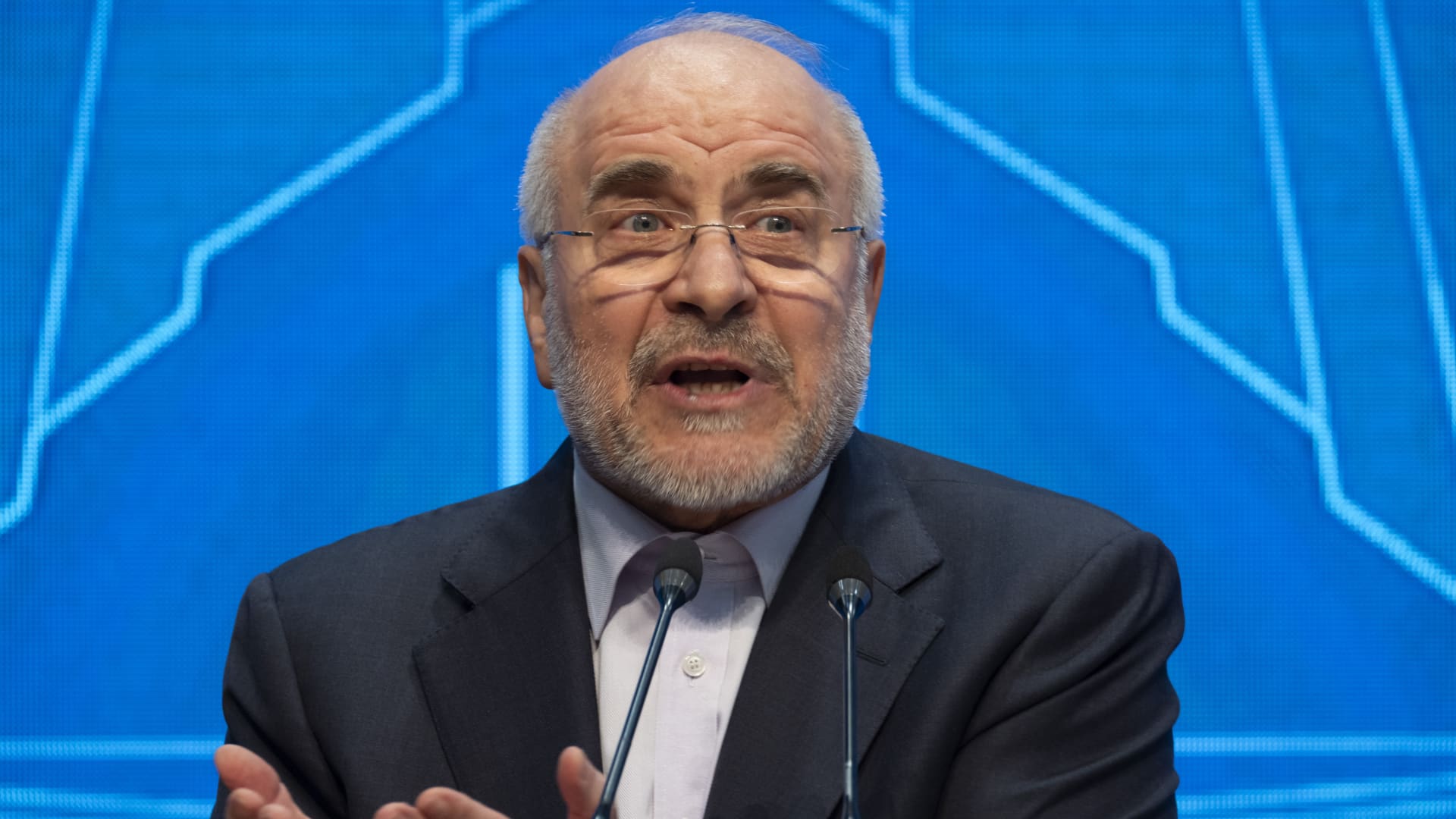
Fragile Ceasefire Agreement Between U.S. and Iran Raises Market Concerns
- Fragile Ceasefire: Just a day after the U.S.-Iran ceasefire was announced, Iranian parliamentary speaker Mohammad Bagher Ghalibaf accused the U.S. of violating three key terms, leading to a loss of market confidence and potential disruptions in global energy supply chains.
- Market Reaction: The ceasefire initially triggered a relief rally across global markets; however, following Iran's accusations, Brent crude and U.S. West Texas Intermediate futures rose in Asian trading, indicating market uncertainty about future developments.
- Strait of Hormuz Traffic: Although the ceasefire agreement mandates the reopening of the Strait of Hormuz to normal shipping traffic, actual vessel traffic remains low, raising concerns about energy supply and further contributing to oil price volatility.
- Fed Policy Signals: Minutes from the Federal Reserve's latest meeting indicate that officials still expect to lower interest rates this year, providing additional support for risk assets, but escalating geopolitical risks could undermine this outlook.
See More

Lockheed Martin Secures $105M GPS IIIF Task Order
- Contract Value: Lockheed Martin Services has secured a $105 million firm-fixed-price task order to support GPS IIIF launch and on-orbit testing operations, showcasing the company's strong capabilities in the aerospace sector.
- Funding Allocation: An initial funding of $13.42 million has already been allocated from the FY2026 R&D budgets, ensuring the project's initiation and early-stage financial requirements are met.
- Project Timeline: The work is expected to be completed by March 2030, indicating the company's commitment and capability in long-term aerospace projects, which could positively impact future revenue streams.
- Managing Authority: The contract is awarded and managed by the Space Systems Command, further solidifying Lockheed Martin's leadership position in the defense and aerospace sectors.
See More
Major Aerospace Firms Secure $1.84B Andromeda Contract

- Significant Contract Value: A consortium of major aerospace and defense companies, including Lockheed Martin and Northrop Grumman, has secured a substantial $1.84 billion contract, reflecting ongoing growth in defense spending and robust market demand.
- Project Timeline: The contract is expected to be completed by April 2036, focusing on the development of space-based domain awareness systems, indicating a sustained investment in resources by these companies to meet defense needs over the next decade.
- R&D Fund Allocation: An initial $1.4 million has been allocated from FY2025 R&D funds at the time of the award, ensuring liquidity for the project's early stages, thereby accelerating technology development and system integration.
- Contracting Authority: The Space Systems Command is the contracting activity for this project, highlighting the U.S. Department of Defense's strategic emphasis on aerospace, which may further enhance the market performance and stock prices of the involved companies.
See More
Lockheed Martin Secures $4.76B PAC-3 Missile Contract
- Significant Contract Value: Lockheed Martin has been awarded a substantial $4.76 billion firm-fixed-price contract for the production of PAC-3 Missile Segment Enhancement missiles, which includes all incidental services and equipment, underscoring the company's robust position in the defense sector.
- Diverse Production Locations: The production work will take place across multiple states in the U.S., including Alabama, Florida, and Texas, with an estimated completion date of June 30, 2030, reflecting the company's extensive manufacturing capabilities and flexible supply chain management.
- Varied Funding Sources: At the time of the award, $264.96 million in Army funds and $4.5 billion in Foreign Military Sales funds were obligated, demonstrating the U.S. government's confidence in Lockheed Martin and its influence in international markets.
- Strategic Implications: This contract not only solidifies Lockheed Martin's leadership in missile defense but also has the potential to drive future technological innovations and market expansion, especially in the context of increasingly complex global security dynamics.
See More
Closure of Strait of Hormuz Triggers Global Energy Crisis
- Market Reaction: Oil prices surged above $100 per barrel due to the closure of the Strait of Hormuz, reflecting market concerns over tight energy supplies that could lead to a global economic slowdown.
- Transport Restrictions: The CEO of Abu Dhabi National Oil Co. confirmed that the Strait of Hormuz is not open to shipping, with traffic being restricted, which will further exacerbate international oil price volatility and impact the global energy supply chain.
- Geopolitical Tensions: Iran's plan to charge shipping companies cryptocurrency tolls for passage through the Strait could provoke strong international backlash, increasing the risk of regional conflict.
- Emergency Measures Escalate: Japan is reportedly considering releasing about 20 days' worth of oil reserves as early as May to address the global supply crisis, demonstrating the urgency and strategic responses of governments facing energy shortages.
See More
Trump Reaffirms Tough Stance on Iran Amid Fragile Ceasefire
- Military Deployment Continues: Trump stated that U.S. military forces will remain deployed in and around Iran until Tehran fully complies with what he calls the 'real agreement', indicating a sustained U.S. military presence in the Middle East that may escalate regional tensions.
- Escalating Threats to Iran: Trump warned that any breach of the agreement would trigger a military response larger than ever seen before, which could raise market concerns about potential disruptions in energy supplies, thereby affecting oil price volatility.
- Strained NATO Relations: Trump criticized NATO for not supporting the U.S. when needed, highlighting a deterioration in relations with traditional allies that could impact future international cooperation and security policies.
- Iran Accuses U.S. of Violating Agreement: Iran's parliamentary speaker accused the U.S. of violating the two-week ceasefire agreement, citing actions such as Israeli attacks on Lebanon, which could further deteriorate U.S.-Iran relations and affect global market stability.
See More
Fragile Ceasefire Agreement Between U.S. and Iran Raises Market Concerns
- Fragile Ceasefire: Just a day after the U.S.-Iran ceasefire was announced, Iranian parliamentary speaker Mohammad Bagher Ghalibaf accused the U.S. of violating three key terms, leading to a loss of market confidence and potential disruptions in global energy supply chains.
- Market Reaction: The ceasefire initially triggered a relief rally across global markets; however, following Iran's accusations, Brent crude and U.S. West Texas Intermediate futures rose in Asian trading, indicating market uncertainty about future developments.
- Strait of Hormuz Traffic: Although the ceasefire agreement mandates the reopening of the Strait of Hormuz to normal shipping traffic, actual vessel traffic remains low, raising concerns about energy supply and further contributing to oil price volatility.
- Fed Policy Signals: Minutes from the Federal Reserve's latest meeting indicate that officials still expect to lower interest rates this year, providing additional support for risk assets, but escalating geopolitical risks could undermine this outlook.
See More
Lockheed Martin Secures $105M GPS IIIF Task Order
- Contract Value: Lockheed Martin Services has secured a $105 million firm-fixed-price task order to support GPS IIIF launch and on-orbit testing operations, showcasing the company's strong capabilities in the aerospace sector.
- Funding Allocation: An initial funding of $13.42 million has already been allocated from the FY2026 R&D budgets, ensuring the project's initiation and early-stage financial requirements are met.
- Project Timeline: The work is expected to be completed by March 2030, indicating the company's commitment and capability in long-term aerospace projects, which could positively impact future revenue streams.
- Managing Authority: The contract is awarded and managed by the Space Systems Command, further solidifying Lockheed Martin's leadership position in the defense and aerospace sectors.
See More
Major Aerospace Firms Secure $1.84B Andromeda Contract
- Significant Contract Value: A consortium of major aerospace and defense companies, including Lockheed Martin and Northrop Grumman, has secured a substantial $1.84 billion contract, reflecting ongoing growth in defense spending and robust market demand.
- Project Timeline: The contract is expected to be completed by April 2036, focusing on the development of space-based domain awareness systems, indicating a sustained investment in resources by these companies to meet defense needs over the next decade.
- R&D Fund Allocation: An initial $1.4 million has been allocated from FY2025 R&D funds at the time of the award, ensuring liquidity for the project's early stages, thereby accelerating technology development and system integration.
- Contracting Authority: The Space Systems Command is the contracting activity for this project, highlighting the U.S. Department of Defense's strategic emphasis on aerospace, which may further enhance the market performance and stock prices of the involved companies.
See More