LNG stocks jump after European Union agrees to massive U.S. energy purchases


LNG Market Reaction: Shares of liquified natural gas companies surged after the EU announced a $750 billion energy purchase from the U.S., aimed at reducing reliance on Russian gas.
Trade Deal Details: The energy agreement is part of a broader trade deal that includes 15% tariffs on EU exports to the U.S. and a commitment from Brussels to invest an additional $600 billion in the U.S.
Trade with 70% Backtested Accuracy
Analyst Views on LNG

About LNG
About the author

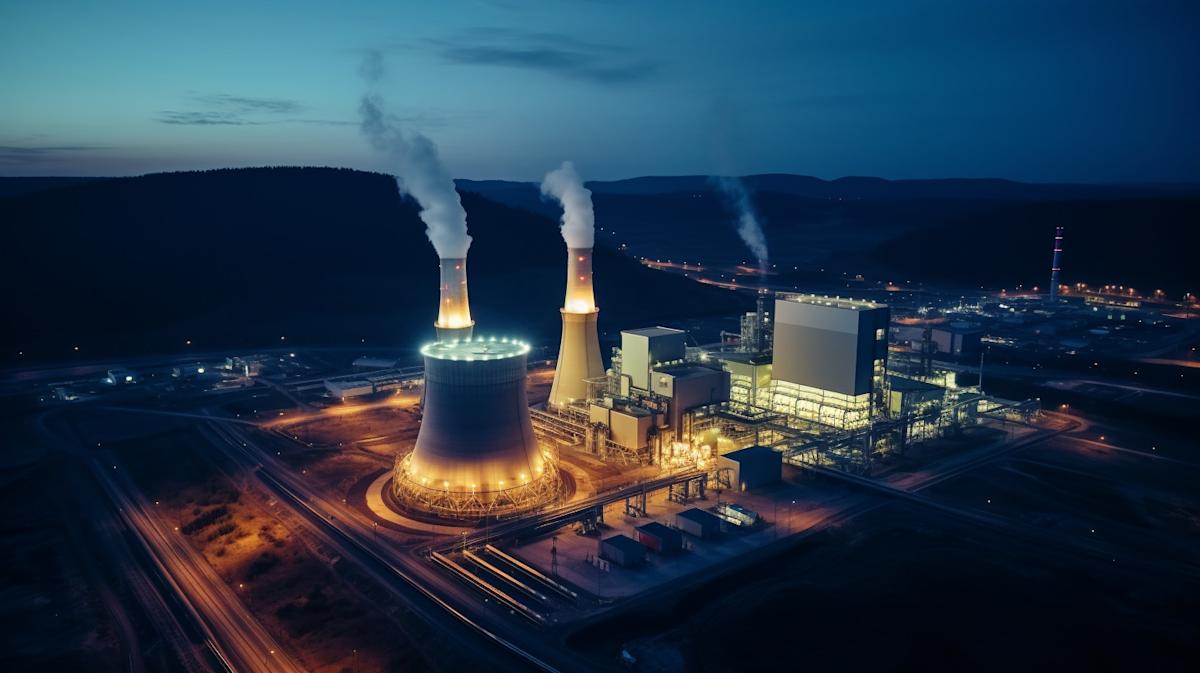
Cheniere Energy Rated as Top Natural Gas Investment
- Price Target Increase: Citigroup raised Cheniere Energy's price target from $280 to $330 while maintaining a Buy rating, indicating increased market confidence in its profitability, particularly amid global energy market volatility due to Middle East conflicts.
- Market Position: As the largest liquefied natural gas producer in the U.S., Cheniere operates major export terminals in Louisiana and Texas, strategically positioned to benefit from the growing importance of LNG as a flexible and scalable energy solution.
- Demand Growth: Cheniere stands to gain from rising global demand driven by energy security concerns and the rapid expansion of AI and data center infrastructure, with strong margins making it a high-quality investment opportunity with significant long-term upside potential.
- Investment Outlook: While LNG is seen as a promising investment, analysts suggest that certain AI stocks may offer greater upside potential and lower downside risk, urging investors to choose wisely for optimal returns.

Cheniere Energy Announces Q1 2026 Earnings Release Schedule
- Earnings Release Schedule: Cheniere Energy plans to issue its Q1 2026 financial results on May 7, 2026, before market open, highlighting its ongoing growth potential in the LNG sector.
- Investor Conference Call: An investor and analyst conference call will be held at 11:00 AM ET on the same day, providing an in-depth analysis of financial results aimed at boosting investor confidence and enhancing market transparency.
- LNG Production Capacity: Cheniere boasts an LNG production capacity exceeding 53 million tonnes per annum, with an additional 8 million tonnes expected from ongoing projects, underscoring its leadership in the global energy market.
- Global Business Presence: With offices in major cities like London, Singapore, and Beijing, Cheniere demonstrates its commitment to meeting the growing global demand for natural gas and expanding its international market reach.

Middle East Tensions Rise as Iran Launches Missiles


- Escalating Missile Attacks: Despite a two-week ceasefire agreement between the U.S. and Iran, Iran launched missiles towards Israel and several Gulf states on April 8, indicating heightened tensions and the potential for further military conflict.
- Pressure on Defense Systems: Gulf states' air defense systems are under significant strain, with the UAE and Kuwait reportedly depleting about 75% of their Patriot missile interceptor stocks, while Bahrain's inventory may be as low as 87%, potentially compromising future defense capabilities.
- Damage to Energy Infrastructure: Recent strikes have inflicted a 17% output loss at Qatar's Ras Laffan LNG plants, with recovery expected to take years, which not only impacts regional energy supplies but could also have ripple effects on global markets.
- Need for Long-term Security Solutions: UAE presidential adviser Anwar Gargash emphasized that the war must conclude with a long-term solution for Gulf security, warning that any ceasefire failing to achieve this could lead to a breakdown of trust and future conflicts.

Energy Sector Leads in 2026 with 36% YTD Return


- Energy Sector Performance: The energy sector boasts a year-to-date return of 36% in 2026, leading all sectors and demonstrating robust market performance amid increasing global economic uncertainties.
- Technology Sector Decline: In stark contrast, the technology sector has fallen over 7% year-to-date, reflecting a potential reassessment by investors towards energy stocks, which may lead to a shift in capital towards energy for higher returns.
- Portfolio Adjustments: Inside Edge Capital has increased its allocation to energy from 2% to 10% in its growth portfolio and from 6% to 14% in its equity income portfolio, indicating strong confidence in the long-term growth potential of the energy sector.
- Strong Archrock Outlook: Archrock (AROC), one of the largest natural gas compression companies in the U.S., is projected to have a dividend yield between 1.5% and 9% by 2025, with a net EPS CAGR exceeding 7%, underscoring its significance and growth potential within the energy value chain.
Amazon Web Services Faces Ongoing Challenges in the Middle East


- Data Center Damage: Amazon Web Services (AWS) reported damage to its data centers in Bahrain and the UAE due to drone strikes, resulting in multiple services remaining unavailable, which impacts business operations for clients in the region and highlights the direct threat of geopolitical risks to cloud services.
- Rising Energy Costs: The ongoing conflict has led to increased energy prices, particularly affecting data centers housing chips for generative AI models, which may impact AWS's profit margins and future investment decisions as operational costs rise significantly.
- Global Economic Impact: AWS CEO Matt Garman noted that the blockade of the Strait of Hormuz has caused major disruptions to the global economy, especially for industries reliant on energy, indicating the widespread implications of geopolitical events on the tech sector.
- Middle East Investment Outlook: Despite the challenges, Garman expressed optimism about long-term investments in the Middle East, emphasizing the region's entrepreneurial spirit and willingness to invest, suggesting that AWS remains confident in future growth opportunities in this market.

EIA: US LNG Export Growth Faces Constraints Due to Deferred Maintenance, New Project Ramp-Up Rates, and Recent Export Authorizations
Limited Flexibility: There is a very limited flexibility in increasing U.S. exports due to various constraints.
Deferred Maintenance: Issues related to deferred maintenance are impacting the pace of new project ramp-ups.
Export Authorizations: Recent export authorizations are affecting the overall export landscape.
Project Development: The development of new projects is being hindered by existing limitations and maintenance challenges.
Cheniere Energy Rated as Top Natural Gas Investment
- Price Target Increase: Citigroup raised Cheniere Energy's price target from $280 to $330 while maintaining a Buy rating, indicating increased market confidence in its profitability, particularly amid global energy market volatility due to Middle East conflicts.
- Market Position: As the largest liquefied natural gas producer in the U.S., Cheniere operates major export terminals in Louisiana and Texas, strategically positioned to benefit from the growing importance of LNG as a flexible and scalable energy solution.
- Demand Growth: Cheniere stands to gain from rising global demand driven by energy security concerns and the rapid expansion of AI and data center infrastructure, with strong margins making it a high-quality investment opportunity with significant long-term upside potential.
- Investment Outlook: While LNG is seen as a promising investment, analysts suggest that certain AI stocks may offer greater upside potential and lower downside risk, urging investors to choose wisely for optimal returns.
Cheniere Energy Announces Q1 2026 Earnings Release Schedule
- Earnings Release Schedule: Cheniere Energy plans to issue its Q1 2026 financial results on May 7, 2026, before market open, highlighting its ongoing growth potential in the LNG sector.
- Investor Conference Call: An investor and analyst conference call will be held at 11:00 AM ET on the same day, providing an in-depth analysis of financial results aimed at boosting investor confidence and enhancing market transparency.
- LNG Production Capacity: Cheniere boasts an LNG production capacity exceeding 53 million tonnes per annum, with an additional 8 million tonnes expected from ongoing projects, underscoring its leadership in the global energy market.
- Global Business Presence: With offices in major cities like London, Singapore, and Beijing, Cheniere demonstrates its commitment to meeting the growing global demand for natural gas and expanding its international market reach.
Middle East Tensions Rise as Iran Launches Missiles
- Escalating Missile Attacks: Despite a two-week ceasefire agreement between the U.S. and Iran, Iran launched missiles towards Israel and several Gulf states on April 8, indicating heightened tensions and the potential for further military conflict.
- Pressure on Defense Systems: Gulf states' air defense systems are under significant strain, with the UAE and Kuwait reportedly depleting about 75% of their Patriot missile interceptor stocks, while Bahrain's inventory may be as low as 87%, potentially compromising future defense capabilities.
- Damage to Energy Infrastructure: Recent strikes have inflicted a 17% output loss at Qatar's Ras Laffan LNG plants, with recovery expected to take years, which not only impacts regional energy supplies but could also have ripple effects on global markets.
- Need for Long-term Security Solutions: UAE presidential adviser Anwar Gargash emphasized that the war must conclude with a long-term solution for Gulf security, warning that any ceasefire failing to achieve this could lead to a breakdown of trust and future conflicts.
Energy Sector Leads in 2026 with 36% YTD Return
- Energy Sector Performance: The energy sector boasts a year-to-date return of 36% in 2026, leading all sectors and demonstrating robust market performance amid increasing global economic uncertainties.
- Technology Sector Decline: In stark contrast, the technology sector has fallen over 7% year-to-date, reflecting a potential reassessment by investors towards energy stocks, which may lead to a shift in capital towards energy for higher returns.
- Portfolio Adjustments: Inside Edge Capital has increased its allocation to energy from 2% to 10% in its growth portfolio and from 6% to 14% in its equity income portfolio, indicating strong confidence in the long-term growth potential of the energy sector.
- Strong Archrock Outlook: Archrock (AROC), one of the largest natural gas compression companies in the U.S., is projected to have a dividend yield between 1.5% and 9% by 2025, with a net EPS CAGR exceeding 7%, underscoring its significance and growth potential within the energy value chain.
Amazon Web Services Faces Ongoing Challenges in the Middle East
- Data Center Damage: Amazon Web Services (AWS) reported damage to its data centers in Bahrain and the UAE due to drone strikes, resulting in multiple services remaining unavailable, which impacts business operations for clients in the region and highlights the direct threat of geopolitical risks to cloud services.
- Rising Energy Costs: The ongoing conflict has led to increased energy prices, particularly affecting data centers housing chips for generative AI models, which may impact AWS's profit margins and future investment decisions as operational costs rise significantly.
- Global Economic Impact: AWS CEO Matt Garman noted that the blockade of the Strait of Hormuz has caused major disruptions to the global economy, especially for industries reliant on energy, indicating the widespread implications of geopolitical events on the tech sector.
- Middle East Investment Outlook: Despite the challenges, Garman expressed optimism about long-term investments in the Middle East, emphasizing the region's entrepreneurial spirit and willingness to invest, suggesting that AWS remains confident in future growth opportunities in this market.
EIA: US LNG Export Growth Faces Constraints Due to Deferred Maintenance, New Project Ramp-Up Rates, and Recent Export Authorizations
Limited Flexibility: There is a very limited flexibility in increasing U.S. exports due to various constraints.
Deferred Maintenance: Issues related to deferred maintenance are impacting the pace of new project ramp-ups.
Export Authorizations: Recent export authorizations are affecting the overall export landscape.
Project Development: The development of new projects is being hindered by existing limitations and maintenance challenges.