Key Research Insights for JPMorgan Chase, Netflix, and AbbVie


JPMorgan Chase Performance: JPMorgan Chase's shares have increased by 27.2% year-to-date, driven by operational strength and loan demand, although concerns about asset quality and rising expenses persist.
Netflix Growth Strategy: Netflix has outperformed its industry with an 18.9% increase in shares, bolstered by a growing subscriber base and a diversified content strategy, aiming to double revenues by 2030.
AbbVie's Revenue Recovery: AbbVie has seen a 34.9% rise in shares, successfully navigating the loss of exclusivity for Humira by launching new immunology drugs, although it faces competitive pressures and macroeconomic challenges.
Ohio Valley Banc's Expansion: Ohio Valley Banc's shares have surged by 62.5% year-to-date, focusing on higher-yielding loans and stable deposits, but faces risks related to provisioning needs and growth momentum compared to peers.
Trade with 70% Backtested Accuracy
Analyst Views on JPM

About JPM
About the author


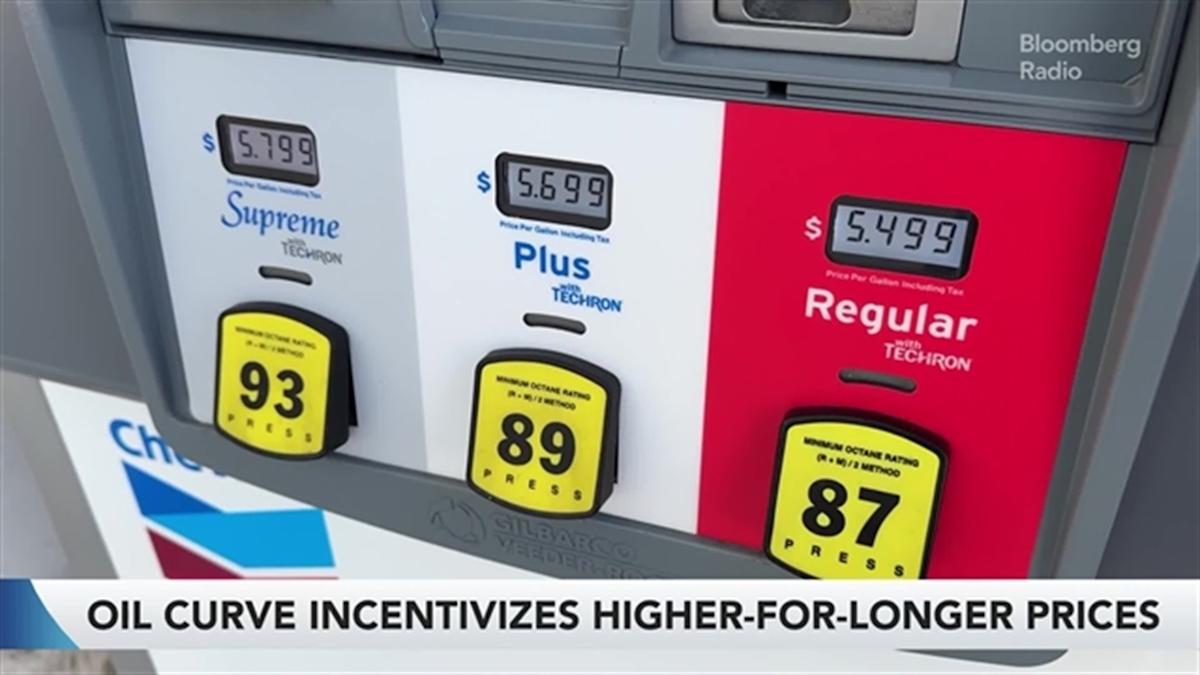
Middle East Conflict Drives Up Energy Prices


- Energy Price Impact: The geopolitical conflict in the Middle East has driven up global energy prices, with gas prices hitting consumers quickly, while the broader cost impact is beginning to show through as inflation rises, affecting the overall economy.
- Fed's Inflation Focus: The Federal Reserve highlighted inflation as a primary concern during its last meeting, indicating potential rate hikes to slow economic growth, which could directly impact financial companies that rely on interest rates.
- JPMorgan's Advantage: JPMorgan Chase's consumer and banking business held nearly $1.1 trillion in deposits at the end of Q1 2026, and as rates rise, its loan income will increase while the rates paid to depositors may not rise proportionately, enhancing profitability.
- American Express Resilience: American Express primarily issues credit cards to high-net-worth customers, who tend to maintain spending even in economic downturns, and while slowing economic growth may affect overall transaction volume, its affluent customer base is likely to sustain strong performance.

How Financial Companies Adapt to Rate Hikes
- Rate Impact Analysis: JPMorgan Chase held nearly $1.1 trillion in deposits at the end of Q1 2026, and as the Federal Reserve raises rates, the bank's loan income is expected to increase while the rates paid to depositors may not rise proportionately, thereby enhancing profitability.
- Customer Base Advantage: American Express primarily serves high-net-worth clients who tend to maintain spending even during economic downturns, allowing the company to sustain stable transaction volumes and fee income, demonstrating resilience in its business model.
- Insurance Investment Income: Progressive generated over $900 million in investment income in Q1 2026, and with rising interest rates, the company can earn more interest on its float without taking on additional investment risk, further strengthening its financial stability.
- Market Expectations and Investment Strategy: While it is commonly perceived that rate hikes negatively impact the financial sector, companies like JPMorgan and Progressive may actually benefit, prompting investors to consider adding these resilient financial firms to their portfolios to navigate future economic fluctuations.
2026 IPO Market Outlook and Challenges

- Decline in IPO Numbers: The first quarter of 2026 saw 32 IPOs in the U.S. market, down from 63 in the same period of 2025, indicating a decrease in investor confidence in new listings, although total investment rose from $9 billion to $11 billion, suggesting ongoing interest in opportunities despite fewer IPOs.
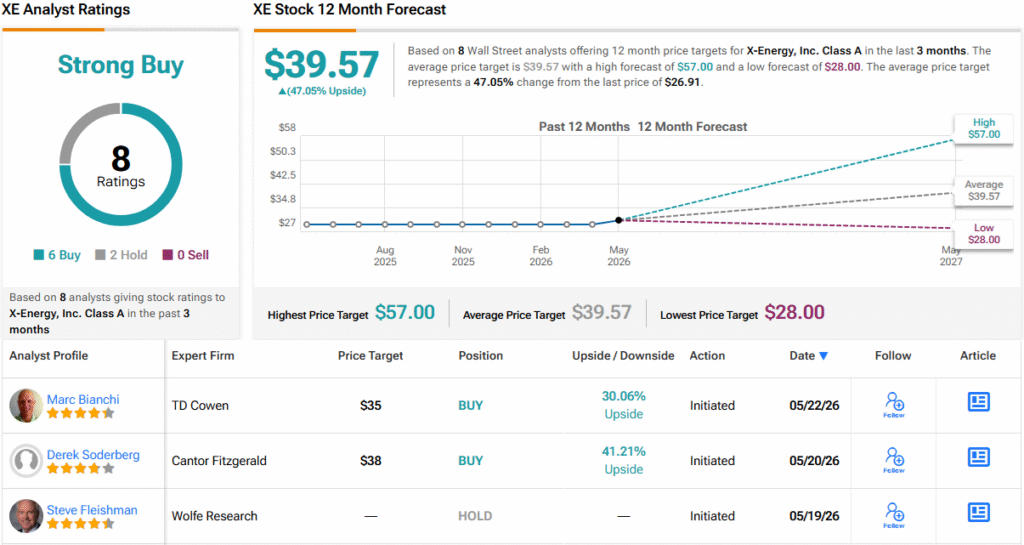
- Market Potential of X-Energy: X-Energy focuses on small modular reactors, producing 80 megawatts per module, with a four-module configuration generating 320 megawatts, positioning it to potentially establish the first advanced nuclear project at a U.S. industrial site, showcasing its strong competitive edge in the zero-carbon energy market.
- HMH's Business Model: HMH offers a comprehensive range of drilling equipment and services, particularly aftermarket services, ensuring a stable revenue stream; despite a 14% year-over-year revenue decline in Q1 2026, orders increased by 10% to $218 million, indicating robust market demand.
- Optimistic Analyst Ratings: Analysts at JPMorgan have assigned an Overweight rating to both X-Energy and HMH, with price targets of $38 and $26 respectively, suggesting potential upside of 41% and 22%, reflecting confidence in the future growth prospects of these companies.

Former Barclays CEO Staley Challenges Ban Linked to Epstein

- Executive Ban Challenge: Former Barclays CEO Jes Staley appeared in London's High Court on March 14, 2025, to challenge his ban from the UK finance sector due to ties with sex offender Jeffrey Epstein, indicating his dissatisfaction with the ruling and its impact on his career.
- Congressional Hearing Participation: Staley has agreed to be interviewed by the House Oversight and Government Reform Committee on July 23 regarding his relationship with Epstein, a move that could significantly influence public perception of his past actions and future career prospects.
- Financial Regulatory Investigation: In 2023, Staley was fined over $2 million by the UK's Financial Conduct Authority and permanently banned from holding management roles, reflecting the stringent scrutiny of executive behavior in the financial sector and its potential impact on industry reputation.
- Relationship with Epstein: Staley was a friend of Epstein, who died by suicide in 2019 amid sex trafficking charges, and Barclays stated that no evidence was found to suggest Staley was aware of Epstein's criminal activities, a statement that may affect public trust in Barclays and its management.

Global Oil Inventories Dwindling Fast, Prices May Spike

- Inventory Decline Warning: Global oil inventories are depleting at a record rate of 8.7 million barrels per day, leading to unprecedented supply disruptions, with prices potentially spiking to $150 to $160 per barrel if the Strait of Hormuz does not reopen soon, which could trigger a global economic slowdown.
- Supply Chain Pressure Intensifies: The closure of the Strait of Hormuz has caused oil production in the Gulf to plummet by over 50%, forcing the global economy to tap into national strategic petroleum reserves, with current U.S. commercial crude inventories at 441.7 million barrels, about 2% below the five-year average.
- Market Reaction Expectations: Executives from ExxonMobil and Chevron have warned that as inventories continue to drain, oil prices are likely to face increased upward pressure in the coming weeks, potentially leading to demand destruction that could impact global economic growth.
- Potential Agreement Impact: Although the U.S. and Iran are reportedly close to a deal that could fully reopen the Strait of Hormuz within 30 days, investors need to remain vigilant regarding oil market dynamics to avoid the risk of rising oil prices triggering a recession and stock market downturn.

Analysis of American Express and Visa Business Models

- Business Model Differences: American Express operates a closed-loop payment system that captures all transaction economics and primarily targets affluent clients, while Visa functions as an open-loop system, acting as a toll booth that collects small fees from users across various income levels.
- Profitability Comparison: Over the past five years, Visa's average quarterly operating margin reached an impressive 67.3%, compared to American Express's 20.6%, enabling Visa to pay $1.3 billion in dividends and repurchase $7.9 billion in stock in Q2 2023.
- Growth Trend Analysis: American Express's diluted earnings per share (EPS) grew at a compound annual rate of 9.3% over the past five years, while Visa's EPS increased at a remarkable 17.9%, indicating Visa's superior growth potential and valuation multiple.
- Investor Considerations: While Visa's price-to-earnings (P/E) ratio stands at 28.8, significantly higher than American Express's 19.9, its stable profitability and lower credit risk make it a more attractive investment choice, especially during economic cycles of volatility.
Middle East Conflict Drives Up Energy Prices
- Energy Price Impact: The geopolitical conflict in the Middle East has driven up global energy prices, with gas prices hitting consumers quickly, while the broader cost impact is beginning to show through as inflation rises, affecting the overall economy.
- Fed's Inflation Focus: The Federal Reserve highlighted inflation as a primary concern during its last meeting, indicating potential rate hikes to slow economic growth, which could directly impact financial companies that rely on interest rates.
- JPMorgan's Advantage: JPMorgan Chase's consumer and banking business held nearly $1.1 trillion in deposits at the end of Q1 2026, and as rates rise, its loan income will increase while the rates paid to depositors may not rise proportionately, enhancing profitability.
- American Express Resilience: American Express primarily issues credit cards to high-net-worth customers, who tend to maintain spending even in economic downturns, and while slowing economic growth may affect overall transaction volume, its affluent customer base is likely to sustain strong performance.
How Financial Companies Adapt to Rate Hikes
- Rate Impact Analysis: JPMorgan Chase held nearly $1.1 trillion in deposits at the end of Q1 2026, and as the Federal Reserve raises rates, the bank's loan income is expected to increase while the rates paid to depositors may not rise proportionately, thereby enhancing profitability.
- Customer Base Advantage: American Express primarily serves high-net-worth clients who tend to maintain spending even during economic downturns, allowing the company to sustain stable transaction volumes and fee income, demonstrating resilience in its business model.
- Insurance Investment Income: Progressive generated over $900 million in investment income in Q1 2026, and with rising interest rates, the company can earn more interest on its float without taking on additional investment risk, further strengthening its financial stability.
- Market Expectations and Investment Strategy: While it is commonly perceived that rate hikes negatively impact the financial sector, companies like JPMorgan and Progressive may actually benefit, prompting investors to consider adding these resilient financial firms to their portfolios to navigate future economic fluctuations.
2026 IPO Market Outlook and Challenges
- Decline in IPO Numbers: The first quarter of 2026 saw 32 IPOs in the U.S. market, down from 63 in the same period of 2025, indicating a decrease in investor confidence in new listings, although total investment rose from $9 billion to $11 billion, suggesting ongoing interest in opportunities despite fewer IPOs.
- Market Potential of X-Energy: X-Energy focuses on small modular reactors, producing 80 megawatts per module, with a four-module configuration generating 320 megawatts, positioning it to potentially establish the first advanced nuclear project at a U.S. industrial site, showcasing its strong competitive edge in the zero-carbon energy market.
- HMH's Business Model: HMH offers a comprehensive range of drilling equipment and services, particularly aftermarket services, ensuring a stable revenue stream; despite a 14% year-over-year revenue decline in Q1 2026, orders increased by 10% to $218 million, indicating robust market demand.
- Optimistic Analyst Ratings: Analysts at JPMorgan have assigned an Overweight rating to both X-Energy and HMH, with price targets of $38 and $26 respectively, suggesting potential upside of 41% and 22%, reflecting confidence in the future growth prospects of these companies.
Former Barclays CEO Staley Challenges Ban Linked to Epstein
- Executive Ban Challenge: Former Barclays CEO Jes Staley appeared in London's High Court on March 14, 2025, to challenge his ban from the UK finance sector due to ties with sex offender Jeffrey Epstein, indicating his dissatisfaction with the ruling and its impact on his career.
- Congressional Hearing Participation: Staley has agreed to be interviewed by the House Oversight and Government Reform Committee on July 23 regarding his relationship with Epstein, a move that could significantly influence public perception of his past actions and future career prospects.
- Financial Regulatory Investigation: In 2023, Staley was fined over $2 million by the UK's Financial Conduct Authority and permanently banned from holding management roles, reflecting the stringent scrutiny of executive behavior in the financial sector and its potential impact on industry reputation.
- Relationship with Epstein: Staley was a friend of Epstein, who died by suicide in 2019 amid sex trafficking charges, and Barclays stated that no evidence was found to suggest Staley was aware of Epstein's criminal activities, a statement that may affect public trust in Barclays and its management.
Global Oil Inventories Dwindling Fast, Prices May Spike
- Inventory Decline Warning: Global oil inventories are depleting at a record rate of 8.7 million barrels per day, leading to unprecedented supply disruptions, with prices potentially spiking to $150 to $160 per barrel if the Strait of Hormuz does not reopen soon, which could trigger a global economic slowdown.
- Supply Chain Pressure Intensifies: The closure of the Strait of Hormuz has caused oil production in the Gulf to plummet by over 50%, forcing the global economy to tap into national strategic petroleum reserves, with current U.S. commercial crude inventories at 441.7 million barrels, about 2% below the five-year average.
- Market Reaction Expectations: Executives from ExxonMobil and Chevron have warned that as inventories continue to drain, oil prices are likely to face increased upward pressure in the coming weeks, potentially leading to demand destruction that could impact global economic growth.
- Potential Agreement Impact: Although the U.S. and Iran are reportedly close to a deal that could fully reopen the Strait of Hormuz within 30 days, investors need to remain vigilant regarding oil market dynamics to avoid the risk of rising oil prices triggering a recession and stock market downturn.
Analysis of American Express and Visa Business Models
- Business Model Differences: American Express operates a closed-loop payment system that captures all transaction economics and primarily targets affluent clients, while Visa functions as an open-loop system, acting as a toll booth that collects small fees from users across various income levels.
- Profitability Comparison: Over the past five years, Visa's average quarterly operating margin reached an impressive 67.3%, compared to American Express's 20.6%, enabling Visa to pay $1.3 billion in dividends and repurchase $7.9 billion in stock in Q2 2023.
- Growth Trend Analysis: American Express's diluted earnings per share (EPS) grew at a compound annual rate of 9.3% over the past five years, while Visa's EPS increased at a remarkable 17.9%, indicating Visa's superior growth potential and valuation multiple.
- Investor Considerations: While Visa's price-to-earnings (P/E) ratio stands at 28.8, significantly higher than American Express's 19.9, its stable profitability and lower credit risk make it a more attractive investment choice, especially during economic cycles of volatility.