JPMorgan Downgrades StubHub to Neutral Amid Concerns
Written by Emily J. Thompson, Senior Investment Analyst
Updated: 5 days ago
0mins
Should l Buy STUB?
Source: stocktwits
- Downgrade Reasons: JPMorgan downgraded StubHub from ‘overweight’ to ‘neutral’ and cut the price target from $12 to $10, primarily due to the company's reset of its 2026 earnings guidance, indicating a need to rebuild credibility with investors.
- Poor Financial Performance: StubHub reported a Q4 loss of $1.56 per share, significantly down from a profit of $0.13 per share a year ago, with revenue at $449 million, falling short of Wall Street's expectation of $485 million, highlighting severe financial challenges.
- Market Sentiment Fluctuations: Despite StubHub's stock tumbling over 14% in pre-market trading on Thursday, retail sentiment on Stocktwits indicated extreme bullishness, suggesting a divergence in investor outlook regarding the company's future.
- Regulatory Risks Impact: Wedbush also downgraded StubHub to ‘neutral’ and slashed its price target by 80% to $10, citing ongoing regulatory risks and potential threats from AI technologies that could impact the company's future market performance.
Trade with 70% Backtested Accuracy
Stop guessing "Should I Buy STUB?" and start using high-conviction signals backed by rigorous historical data.
Sign up today to access powerful investing tools and make smarter, data-driven decisions.
Analyst Views on STUB
Wall Street analysts forecast STUB stock price to rise
13 Analyst Rating
8 Buy
5 Hold
0 Sell
Moderate Buy
Current: 8.230

Low
16.00
Averages
23.80
High
45.00
Current: 8.230
Low
16.00
Averages
23.80
High
45.00
About STUB
StubHub Holdings, Inc. operates a global secondary ticketing marketplace for live events. It connects fans around the world with sellers who use its marketplace to reach fans and price tickets efficiently. It operates its global ticketing marketplace through two brands: StubHub in North America and viagogo internationally. Its marketplace enables sellers of all types, including individual fans, professional sellers and content rights holders. Its technology is built to handle events regardless of their size, location, category or venue and includes end-to-end workflows and services that streamline the purchase and sale experience for buyers and sellers. It leverages its centralized technology and operations to reach buyers and sellers across the globe, supporting 33 languages and accepting payments in 48 currencies. Its marketplace is built to offer global distribution anywhere there is demand for live events. It offers data intelligence to optimize outcomes for buyers and sellers.
About the author

Emily J. Thompson
Emily J. Thompson, a Chartered Financial Analyst (CFA) with 12 years in investment research, graduated with honors from the Wharton School. Specializing in industrial and technology stocks, she provides in-depth analysis for Intellectia’s earnings and market brief reports.

U.S. Justice Department Reaches Settlement with Live Nation


- Settlement Agreement: The U.S. Justice Department and Live Nation reached a tentative settlement allowing the company to retain ownership of Ticketmaster, concluding allegations of monopolistic behavior, although the agreement fell short of some competitors' expectations for a comprehensive overhaul.
- Exclusive Contract Restrictions: The settlement imposes limitations on Ticketmaster's ability to use exclusive ticketing contracts at venues it controls, aiming to foster competition from other ticketing companies, while still permitting exclusive agreements with other venues.
- Fee Cap Implementation: The agreement establishes a 15% cap on ancillary ticketing fees that Live Nation can charge at its venues and includes a $280 million settlement fund to reimburse allegedly harmed consumers, reflecting a commitment to consumer interests.
- Market Reaction: While the settlement is viewed as favorable for Live Nation, critics argue it fails to effectively address the company's market dominance, potentially leaving consumers to continue facing high ticketing costs.
See More

Relmada Therapeutics Shares Surge 40.8% on Promising Trial Data


- Market Decline: U.S. stocks fell broadly on Monday, with the Dow Jones index dropping around 650 points, indicating investor concerns about economic outlook which may impact consumer spending and overall market confidence.
- Relmada Stock Surge: Shares of Relmada Therapeutics Inc. soared 40.8% to $6.27 during Monday's session, driven by the release of promising interim data from its Phase 2 trial of NDV-01 for treating non-muscle invasive bladder cancer.
- Clinical Trial Results: The 12-month interim data revealed a complete response rate of 76%, with an impressive 80% in the BCG-unresponsive patient population, providing strong support for Relmada's treatment approach and potentially enhancing market acceptance.
- Positive Market Reaction: The favorable feedback from clinical data has led to optimistic investor sentiment regarding Relmada's future prospects, not only boosting the company's stock price but also likely attracting more investor interest in its ongoing research and development efforts.
See More
US Stocks Decline Amid Soaring Oil Prices


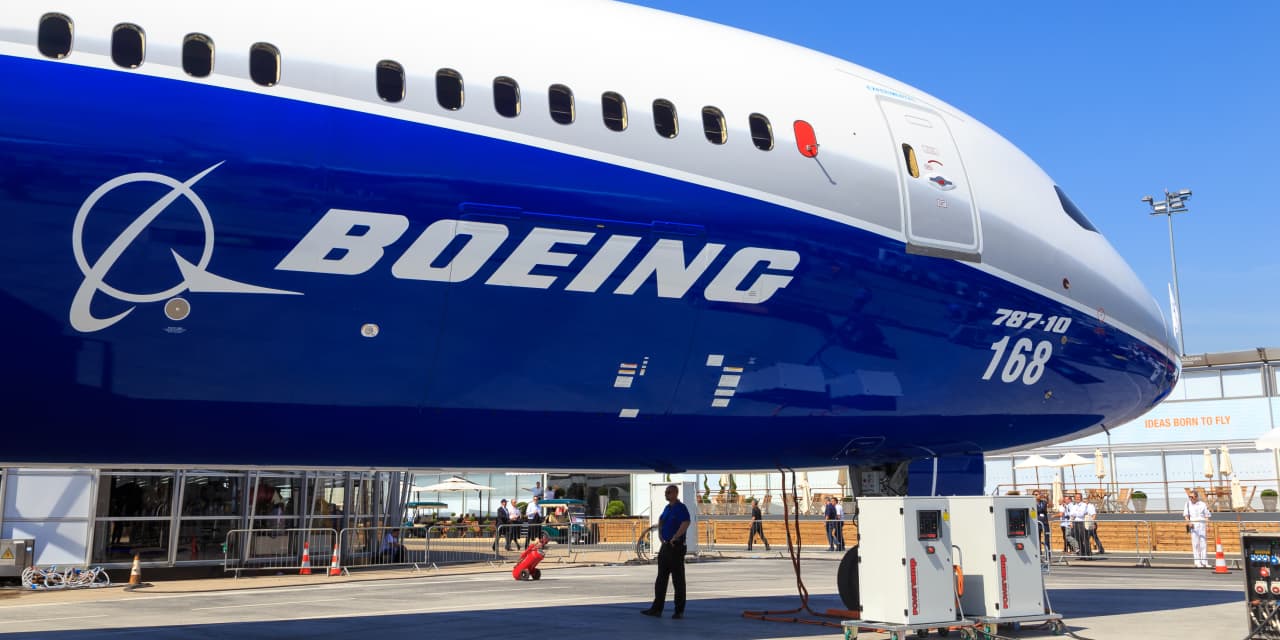
- Market Decline: On Thursday, the S&P 500 Index fell by 0.56%, the Dow Jones Industrial Average dropped by 1.61%, and the Nasdaq 100 Index decreased by 0.29%, reflecting heightened market concerns over inflation amid disruptions in energy markets due to the ongoing war in Iran.
- Surging Oil Prices: WTI crude oil prices soared over 8% to a 19.5-month high, exacerbating inflation fears and pushing bond yields higher, with the 10-year T-note yield rising to 4.15%, marking a three-week high.
- Supportive Economic Data: Despite the pressure on stocks, initial jobless claims in the US were lower than expected, indicating a resilient labor market, while Q4 nonfarm productivity rose by 2.8%, surpassing the expected 1.9%, providing some support to the market.
- Optimistic Earnings Outlook: With over 90% of S&P 500 companies reporting earnings, 73% exceeded expectations, and Q4 earnings growth is projected at 8.4%, highlighting that corporate profitability remains a crucial factor supporting the stock market.
See More

US Stocks Under Pressure Amid Rising Oil Prices

- Oil Price Surge Pressures Markets: The S&P 500 index fell by 0.67% as WTI crude prices surged over 6% to a 13.5-month high due to disruptions from the Iran war, exacerbating inflation concerns and weighing on stock performance.
- Positive Economic Data: Despite market pressures, initial jobless claims remained steady at 213,000, below the expected 215,000, indicating a resilient labor market, while Q4 nonfarm productivity rose by 2.8%, surpassing expectations of 1.9%, providing some support to the market.
- Optimistic Earnings Outlook: With over 90% of S&P 500 companies reporting, 73% exceeded expectations, and Q4 earnings growth is projected at 8.4%, reflecting strong corporate profitability that may support a market rebound in the future.
- Escalating Geopolitical Risks: Iran has pledged to escalate retaliation, and the closure of the Strait of Hormuz has tightened global oil supplies, pushing prices higher and leading to more cautious economic growth expectations in the market.
See More

Tech Stocks Rebound While Airline Shares Decline


- Tech Sector Recovery: The iShares Expanded Tech-Software Sector ETF (IGV) rose over 2%, with Salesforce up 5% and Microsoft and Oracle each gaining 1%, indicating a rebound in investor confidence towards tech companies previously impacted by AI fears, suggesting a potential improvement in market sentiment.
- Travel Stocks Surge: Expedia's shares jumped nearly 11% and Booking Holdings rose about 8% as OpenAI scaled back its direct shopping plans within ChatGPT, alleviating concerns over potential disruptions to booking sites, signaling a recovery in market confidence in the travel sector.
- Airline Stocks Under Pressure: United Airlines and Delta Air Lines saw their shares tumble 7% as oil prices resumed their ascent, with Southwest Airlines down over 6%, reflecting the direct impact of oil price volatility on the airline industry, which may lead to increased operating costs and profit compression.
- Victoria's Secret Plummets: The lingerie retailer's stock fell 15% after projecting free cash flow of $220 million to $250 million by January 2027, significantly below analysts' consensus estimate of $301.9 million, highlighting financial pressures and declining market confidence facing the company.
See More

US Stocks Under Pressure Amid Rising Oil Prices
- Oil Price Surge Pressures Markets: The S&P 500 Index is down 0.26% as WTI crude oil prices rise over 4% to an 8.5-month high due to disruptions from the Iran conflict, exacerbating inflation concerns and pressuring stock indices, particularly the Dow Jones which fell 0.80%.
- Economic Data Supports Stocks: Despite market pressures, initial jobless claims in the US remained unchanged at 213,000, slightly better than the expected 215,000, indicating a stronger labor market, while Q4 nonfarm productivity rose by 2.8%, surpassing expectations of 1.9%, providing some support to the market.
- Strong Corporate Earnings: With over 90% of S&P 500 companies reporting, 73% exceeded earnings expectations, and S&P earnings growth is projected to reach 8.4% for Q4, marking the tenth consecutive quarter of year-over-year growth, which bolsters market sentiment.
- Geopolitical Tensions Affect Oil Supply: The closure of the Strait of Hormuz due to Iranian threats has tightened global oil and gas supplies, impacting production in Saudi Arabia and Iraq, which is expected to further elevate global fuel prices amidst rising geopolitical tensions.
See More
U.S. Justice Department Reaches Settlement with Live Nation
- Settlement Agreement: The U.S. Justice Department and Live Nation reached a tentative settlement allowing the company to retain ownership of Ticketmaster, concluding allegations of monopolistic behavior, although the agreement fell short of some competitors' expectations for a comprehensive overhaul.
- Exclusive Contract Restrictions: The settlement imposes limitations on Ticketmaster's ability to use exclusive ticketing contracts at venues it controls, aiming to foster competition from other ticketing companies, while still permitting exclusive agreements with other venues.
- Fee Cap Implementation: The agreement establishes a 15% cap on ancillary ticketing fees that Live Nation can charge at its venues and includes a $280 million settlement fund to reimburse allegedly harmed consumers, reflecting a commitment to consumer interests.
- Market Reaction: While the settlement is viewed as favorable for Live Nation, critics argue it fails to effectively address the company's market dominance, potentially leaving consumers to continue facing high ticketing costs.
See More
Relmada Therapeutics Shares Surge 40.8% on Promising Trial Data
- Market Decline: U.S. stocks fell broadly on Monday, with the Dow Jones index dropping around 650 points, indicating investor concerns about economic outlook which may impact consumer spending and overall market confidence.
- Relmada Stock Surge: Shares of Relmada Therapeutics Inc. soared 40.8% to $6.27 during Monday's session, driven by the release of promising interim data from its Phase 2 trial of NDV-01 for treating non-muscle invasive bladder cancer.
- Clinical Trial Results: The 12-month interim data revealed a complete response rate of 76%, with an impressive 80% in the BCG-unresponsive patient population, providing strong support for Relmada's treatment approach and potentially enhancing market acceptance.
- Positive Market Reaction: The favorable feedback from clinical data has led to optimistic investor sentiment regarding Relmada's future prospects, not only boosting the company's stock price but also likely attracting more investor interest in its ongoing research and development efforts.
See More
US Stocks Decline Amid Soaring Oil Prices
- Market Decline: On Thursday, the S&P 500 Index fell by 0.56%, the Dow Jones Industrial Average dropped by 1.61%, and the Nasdaq 100 Index decreased by 0.29%, reflecting heightened market concerns over inflation amid disruptions in energy markets due to the ongoing war in Iran.
- Surging Oil Prices: WTI crude oil prices soared over 8% to a 19.5-month high, exacerbating inflation fears and pushing bond yields higher, with the 10-year T-note yield rising to 4.15%, marking a three-week high.
- Supportive Economic Data: Despite the pressure on stocks, initial jobless claims in the US were lower than expected, indicating a resilient labor market, while Q4 nonfarm productivity rose by 2.8%, surpassing the expected 1.9%, providing some support to the market.
- Optimistic Earnings Outlook: With over 90% of S&P 500 companies reporting earnings, 73% exceeded expectations, and Q4 earnings growth is projected at 8.4%, highlighting that corporate profitability remains a crucial factor supporting the stock market.
See More
US Stocks Under Pressure Amid Rising Oil Prices
- Oil Price Surge Pressures Markets: The S&P 500 index fell by 0.67% as WTI crude prices surged over 6% to a 13.5-month high due to disruptions from the Iran war, exacerbating inflation concerns and weighing on stock performance.
- Positive Economic Data: Despite market pressures, initial jobless claims remained steady at 213,000, below the expected 215,000, indicating a resilient labor market, while Q4 nonfarm productivity rose by 2.8%, surpassing expectations of 1.9%, providing some support to the market.
- Optimistic Earnings Outlook: With over 90% of S&P 500 companies reporting, 73% exceeded expectations, and Q4 earnings growth is projected at 8.4%, reflecting strong corporate profitability that may support a market rebound in the future.
- Escalating Geopolitical Risks: Iran has pledged to escalate retaliation, and the closure of the Strait of Hormuz has tightened global oil supplies, pushing prices higher and leading to more cautious economic growth expectations in the market.
See More
Tech Stocks Rebound While Airline Shares Decline
- Tech Sector Recovery: The iShares Expanded Tech-Software Sector ETF (IGV) rose over 2%, with Salesforce up 5% and Microsoft and Oracle each gaining 1%, indicating a rebound in investor confidence towards tech companies previously impacted by AI fears, suggesting a potential improvement in market sentiment.
- Travel Stocks Surge: Expedia's shares jumped nearly 11% and Booking Holdings rose about 8% as OpenAI scaled back its direct shopping plans within ChatGPT, alleviating concerns over potential disruptions to booking sites, signaling a recovery in market confidence in the travel sector.
- Airline Stocks Under Pressure: United Airlines and Delta Air Lines saw their shares tumble 7% as oil prices resumed their ascent, with Southwest Airlines down over 6%, reflecting the direct impact of oil price volatility on the airline industry, which may lead to increased operating costs and profit compression.
- Victoria's Secret Plummets: The lingerie retailer's stock fell 15% after projecting free cash flow of $220 million to $250 million by January 2027, significantly below analysts' consensus estimate of $301.9 million, highlighting financial pressures and declining market confidence facing the company.
See More
US Stocks Under Pressure Amid Rising Oil Prices
- Oil Price Surge Pressures Markets: The S&P 500 Index is down 0.26% as WTI crude oil prices rise over 4% to an 8.5-month high due to disruptions from the Iran conflict, exacerbating inflation concerns and pressuring stock indices, particularly the Dow Jones which fell 0.80%.
- Economic Data Supports Stocks: Despite market pressures, initial jobless claims in the US remained unchanged at 213,000, slightly better than the expected 215,000, indicating a stronger labor market, while Q4 nonfarm productivity rose by 2.8%, surpassing expectations of 1.9%, providing some support to the market.
- Strong Corporate Earnings: With over 90% of S&P 500 companies reporting, 73% exceeded earnings expectations, and S&P earnings growth is projected to reach 8.4% for Q4, marking the tenth consecutive quarter of year-over-year growth, which bolsters market sentiment.
- Geopolitical Tensions Affect Oil Supply: The closure of the Strait of Hormuz due to Iranian threats has tightened global oil and gas supplies, impacting production in Saudi Arabia and Iraq, which is expected to further elevate global fuel prices amidst rising geopolitical tensions.
See More