Jim Cramer Labels Fortinet as the 'Most Vulnerable' Cybersecurity Stock, Preferring These Two Alternatives
Written by Emily J. Thompson, Senior Investment Analyst
Updated: Sep 09 2025
0mins


Should l Buy MRVL?
Source: Benzinga
Expert Recommendations: Jim Cramer advises against investing in Fortinet, recommending Palo Alto Networks and CrowdStrike instead, while Morgan Stanley downgraded Fortinet's stock. He also suggests buying Dell Technologies over Super Micro Computer due to ongoing accounting issues.
Market Performance: Fortinet shares rose slightly, while Super Micro Computer shares fell. Marvell Technology reported earnings that beat estimates but missed revenue expectations, leading to a 4.2% increase in its stock price.
Trade with 70% Backtested Accuracy
Stop guessing "Should I Buy MRVL?" and start using high-conviction signals backed by rigorous historical data.
Sign up today to access powerful investing tools and make smarter, data-driven decisions.
Analyst Views on MRVL
Wall Street analysts forecast MRVL stock price to fall
30 Analyst Rating
22 Buy
8 Hold
0 Sell
Moderate Buy
Current: 139.690

Low
85.00
Averages
120.12
High
156.00
Current: 139.690
Low
85.00
Averages
120.12
High
156.00
About MRVL
Marvell Technology, Inc., together with its subsidiaries, is a supplier of data infrastructure semiconductor solutions, spanning the data center core to network edge. The Company is engaged in the design, development, and sale of integrated circuits. Its product solutions serve various end markets: data center, enterprise networking, carrier infrastructure, consumer, and industrial. Its product offerings include CXL, Data Processing Units, Security Solutions, Coherent DSPs, Coherent-lite DSPs, Data Center Switches, DCI Optical Modules, Enterprise Switches, Ethernet Controllers, Ethernet PHYs, PCIe Retimers, Linear Drivers, PAM DSPs, Transimpedance Amplifiers, Fiber Channel, HDD, Storage Accelerators, and SSD Controllers. The Company develops semiconductor solutions tailored to individual customer specifications that deliver system-level differentiation for artificial intelligence, data center, compute, networking, carrier, storage, aerospace, and defense applications.
About the author

Emily J. Thompson
Emily J. Thompson, a Chartered Financial Analyst (CFA) with 12 years in investment research, graduated with honors from the Wharton School. Specializing in industrial and technology stocks, she provides in-depth analysis for Intellectia’s earnings and market brief reports.

U.S. Stocks Decline Amid Soaring Oil Prices


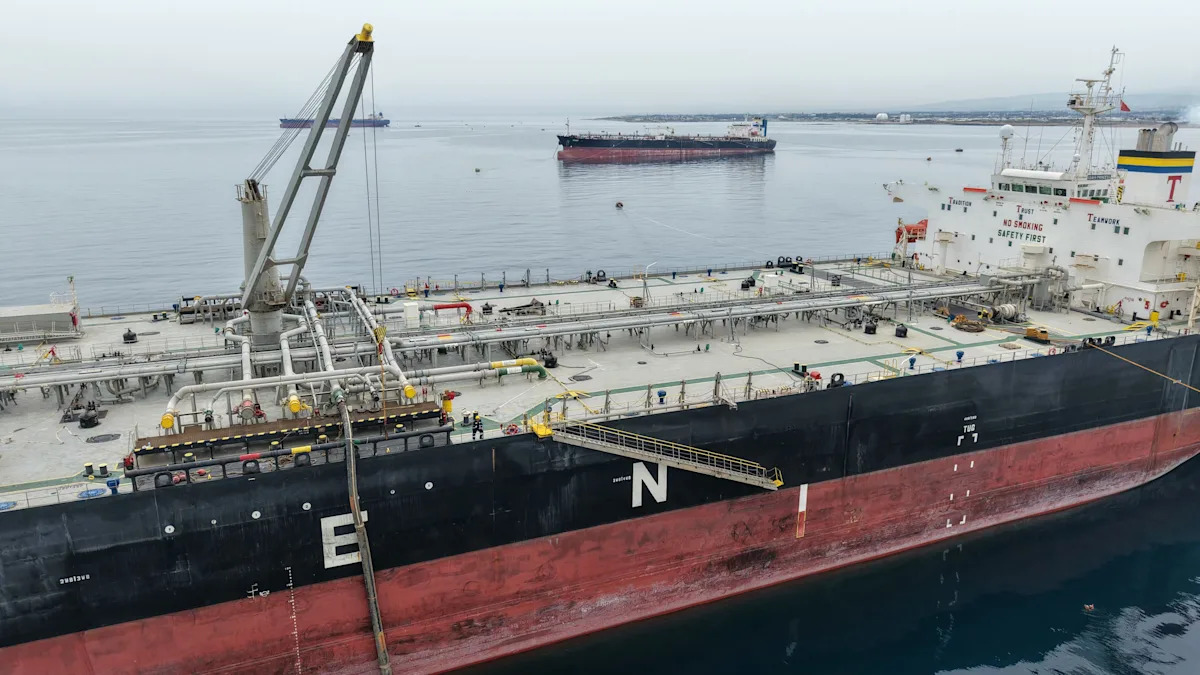
- Oil Price Surge Impacts Markets: The S&P 500 index fell 0.41%, the Dow Jones Industrial Average dropped 0.31%, and the Nasdaq 100 index declined 0.66% as WTI crude oil prices surged over 5%, indicating market sensitivity to rising energy costs amid doubts about peace talks regarding the Iran war.
- Geopolitical Risks Escalate: Iran's closure of the Strait of Hormuz has raised market concerns, especially following U.S. Navy actions against Iranian tankers, which could exacerbate global oil and fuel shortages, further increasing market uncertainty.
- Earnings Season Continues: So far, 81% of the 48 S&P 500 companies that reported earnings have beaten estimates, with Q1 earnings projected to rise 12% year-over-year; however, excluding the tech sector, the growth is only 3%, indicating signs of overall economic weakness.
- Airline Stocks Under Pressure: Airline and cruise line stocks are broadly down due to rising oil prices, with Norwegian Cruise Line Holdings down over 5% and American Airlines Group down over 4%, reflecting the negative impact of high fuel costs on company profits.
See More
Oil Price Surge Leads to Market Decline
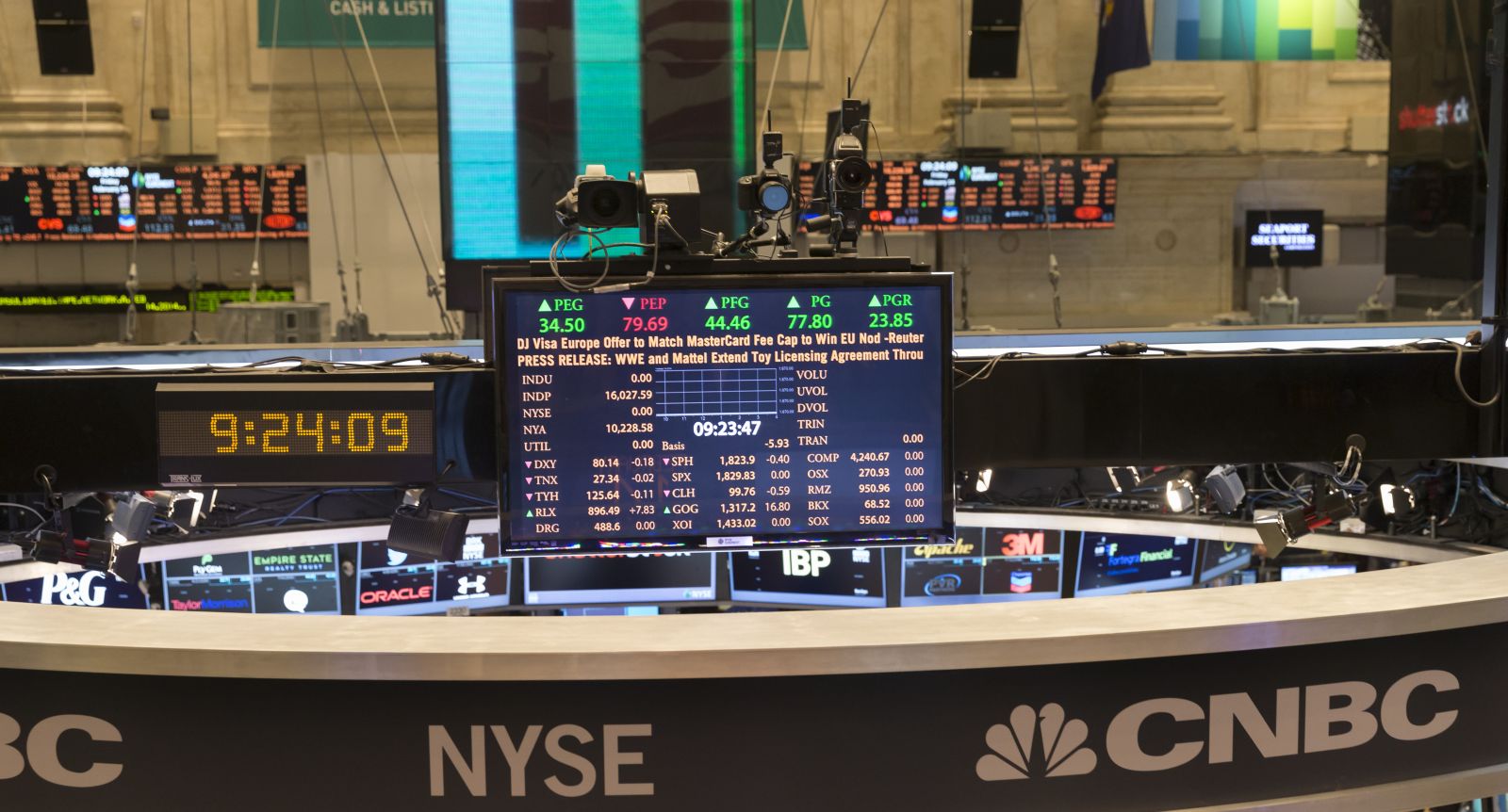
- Market Decline: The S&P 500 index fell by 0.21%, the Dow Jones Industrial Average by 0.04%, and the Nasdaq 100 by 0.24%, indicating investor concerns over rising oil prices that could impact corporate earnings and overall market confidence.
- Oil Price Surge: WTI crude oil prices increased by over 5% due to the closure of the Strait of Hormuz following the US's refusal to lift its naval blockade on Iranian vessels, which could exacerbate global oil and fuel shortages and raise operational costs for affected industries.
- Earnings Expectations: So far, 81% of the 48 S&P 500 companies that reported earnings have exceeded estimates, with Q1 earnings projected to rise by 12% year-over-year; however, excluding the tech sector, growth is only expected to be 3%, indicating signs of an overall economic slowdown.
- Airline and Chip Stocks Under Pressure: Airline stocks are down due to rising fuel costs, with Norwegian Cruise Line Holdings falling over 6%, while chipmakers like Intel are also down more than 2%, reflecting the negative impact of high oil prices across multiple sectors.
See More

US Equity Indexes Decline as Crude Oil Futures Rise


- Market Decline: Major US equity indexes fell, reflecting uncertainty in the economic outlook, which may lead to short-term capital outflows as investor sentiment weakens.
- Crude Oil Surge: Amid high-stakes diplomatic tensions, crude oil futures rose significantly, indicating heightened market concerns over energy supply, potentially boosting profit expectations for related companies.
- Diplomatic Tensions: Ongoing high-risk diplomatic activities could impact global market stability, prompting investors to closely monitor developments to adjust their investment strategies accordingly.
- Increased Market Volatility: The interplay between the equity and oil markets suggests potential for greater volatility in the coming weeks, necessitating cautious approaches from investors to navigate emerging risks and opportunities.
See More

Midday Market Moves: Notable Stock Fluctuations

- Stanley Black & Decker Surge: Stanley Black & Decker's stock rose over 4% after the company stated that recent changes to Section 232 tariffs would not materially impact its full-year forecast, indicating strong confidence in its financial outlook.
- Fermi Stock Plunge: Shares of energy infrastructure developer Fermi fell more than 22% following the resignation of CFO Miles Everson and the recent departure of CEO Toby Neugebauer, raising concerns about the company's leadership stability and future direction.
- Biogen's Strategic Move: Biogen's stock increased nearly 3% after agreeing to pay $850 million for exclusive rights to sell felzartamab in China, which underscores its strategic expansion in the immune-related disease treatment market.
- Fertilizer Stocks Fluctuate: Fertilizer stocks experienced volatility as CF Industries rose nearly 2% due to ongoing shipping disruptions in the Strait of Hormuz, while Dow and LyondellBasell Industries also saw gains of about 4% and 2%, respectively, reflecting market reactions to supply chain challenges.
See More

U.S. Stock Futures Decline; Four Key Stocks to Watch


- Eli Lilly Acquisition Talks: Eli Lilly (LLY) slipped 0.19% in premarket trading amid reports that the pharmaceutical giant is in advanced negotiations to acquire Kelonia Therapeutics for over $2 billion, with an announcement possible as soon as Monday if talks conclude successfully, potentially including milestone payments tied to Kelonia's future progress.
- Marvell Technology's AI Prospects: Marvell Technology (MRVL) gained over 6% before the opening bell after reports surfaced that the specialty semiconductor company may collaborate with Google on developing future AI chips, which negatively impacted existing Google partners, with Broadcom and Celestica declining by 1.5% and 1%, respectively.
- PepsiCo's Brand Refresh: PepsiCo (PEP) rose 0.21% in premarket trading following the launch of a major brand refresh for its Gatorade line, shifting its identity from a sports drink to a broader everyday hydration platform, featuring new packaging and cleaner formulas aimed at non-athlete occasions.
- AST SpaceMobile Launch Failure: AST SpaceMobile (ASTS) fell 12.7% in premarket trading after Blue Origin's New Glenn rocket failed to place a satellite into its intended orbit, with the satellite entering an 'off-nominal orbit' despite separating from the rocket's second stage, marking Blue Origin's third New Glenn mission and its first successful booster reuse.
See More

Alphabet Partners with Marvell to Develop AI Chips

- AI Chip Collaboration: Alphabet is in talks with Marvell to develop two new chips aimed at enhancing efficiency in handling AI workloads, indicating Google's ongoing investment and competitive intent in the AI chip sector.
- Memory Processing Unit: One of the chips will be a memory processing unit designed to work alongside Google's tensor processing units (TPUs), aimed at optimizing AI computing performance and enhancing the competitiveness of Google Cloud services.
- Inference Task Focus: The other new TPU will be specifically designed for inference tasks, signaling Google's ambition to challenge Nvidia's dominance in the AI infrastructure market through its proprietary silicon technology, thereby solidifying its market share.
- Cost and Scale Effects: As enterprise demand for AI services continues to rise, Google's efficient chips will help lower operational costs and accelerate the scaling of AI services, with the memory chip expected to enter the design phase by 2027 before moving into testing.
See More
U.S. Stocks Decline Amid Soaring Oil Prices
- Oil Price Surge Impacts Markets: The S&P 500 index fell 0.41%, the Dow Jones Industrial Average dropped 0.31%, and the Nasdaq 100 index declined 0.66% as WTI crude oil prices surged over 5%, indicating market sensitivity to rising energy costs amid doubts about peace talks regarding the Iran war.
- Geopolitical Risks Escalate: Iran's closure of the Strait of Hormuz has raised market concerns, especially following U.S. Navy actions against Iranian tankers, which could exacerbate global oil and fuel shortages, further increasing market uncertainty.
- Earnings Season Continues: So far, 81% of the 48 S&P 500 companies that reported earnings have beaten estimates, with Q1 earnings projected to rise 12% year-over-year; however, excluding the tech sector, the growth is only 3%, indicating signs of overall economic weakness.
- Airline Stocks Under Pressure: Airline and cruise line stocks are broadly down due to rising oil prices, with Norwegian Cruise Line Holdings down over 5% and American Airlines Group down over 4%, reflecting the negative impact of high fuel costs on company profits.
See More
Oil Price Surge Leads to Market Decline
- Market Decline: The S&P 500 index fell by 0.21%, the Dow Jones Industrial Average by 0.04%, and the Nasdaq 100 by 0.24%, indicating investor concerns over rising oil prices that could impact corporate earnings and overall market confidence.
- Oil Price Surge: WTI crude oil prices increased by over 5% due to the closure of the Strait of Hormuz following the US's refusal to lift its naval blockade on Iranian vessels, which could exacerbate global oil and fuel shortages and raise operational costs for affected industries.
- Earnings Expectations: So far, 81% of the 48 S&P 500 companies that reported earnings have exceeded estimates, with Q1 earnings projected to rise by 12% year-over-year; however, excluding the tech sector, growth is only expected to be 3%, indicating signs of an overall economic slowdown.
- Airline and Chip Stocks Under Pressure: Airline stocks are down due to rising fuel costs, with Norwegian Cruise Line Holdings falling over 6%, while chipmakers like Intel are also down more than 2%, reflecting the negative impact of high oil prices across multiple sectors.
See More
US Equity Indexes Decline as Crude Oil Futures Rise
- Market Decline: Major US equity indexes fell, reflecting uncertainty in the economic outlook, which may lead to short-term capital outflows as investor sentiment weakens.
- Crude Oil Surge: Amid high-stakes diplomatic tensions, crude oil futures rose significantly, indicating heightened market concerns over energy supply, potentially boosting profit expectations for related companies.
- Diplomatic Tensions: Ongoing high-risk diplomatic activities could impact global market stability, prompting investors to closely monitor developments to adjust their investment strategies accordingly.
- Increased Market Volatility: The interplay between the equity and oil markets suggests potential for greater volatility in the coming weeks, necessitating cautious approaches from investors to navigate emerging risks and opportunities.
See More
Midday Market Moves: Notable Stock Fluctuations
- Stanley Black & Decker Surge: Stanley Black & Decker's stock rose over 4% after the company stated that recent changes to Section 232 tariffs would not materially impact its full-year forecast, indicating strong confidence in its financial outlook.
- Fermi Stock Plunge: Shares of energy infrastructure developer Fermi fell more than 22% following the resignation of CFO Miles Everson and the recent departure of CEO Toby Neugebauer, raising concerns about the company's leadership stability and future direction.
- Biogen's Strategic Move: Biogen's stock increased nearly 3% after agreeing to pay $850 million for exclusive rights to sell felzartamab in China, which underscores its strategic expansion in the immune-related disease treatment market.
- Fertilizer Stocks Fluctuate: Fertilizer stocks experienced volatility as CF Industries rose nearly 2% due to ongoing shipping disruptions in the Strait of Hormuz, while Dow and LyondellBasell Industries also saw gains of about 4% and 2%, respectively, reflecting market reactions to supply chain challenges.
See More
U.S. Stock Futures Decline; Four Key Stocks to Watch
- Eli Lilly Acquisition Talks: Eli Lilly (LLY) slipped 0.19% in premarket trading amid reports that the pharmaceutical giant is in advanced negotiations to acquire Kelonia Therapeutics for over $2 billion, with an announcement possible as soon as Monday if talks conclude successfully, potentially including milestone payments tied to Kelonia's future progress.
- Marvell Technology's AI Prospects: Marvell Technology (MRVL) gained over 6% before the opening bell after reports surfaced that the specialty semiconductor company may collaborate with Google on developing future AI chips, which negatively impacted existing Google partners, with Broadcom and Celestica declining by 1.5% and 1%, respectively.
- PepsiCo's Brand Refresh: PepsiCo (PEP) rose 0.21% in premarket trading following the launch of a major brand refresh for its Gatorade line, shifting its identity from a sports drink to a broader everyday hydration platform, featuring new packaging and cleaner formulas aimed at non-athlete occasions.
- AST SpaceMobile Launch Failure: AST SpaceMobile (ASTS) fell 12.7% in premarket trading after Blue Origin's New Glenn rocket failed to place a satellite into its intended orbit, with the satellite entering an 'off-nominal orbit' despite separating from the rocket's second stage, marking Blue Origin's third New Glenn mission and its first successful booster reuse.
See More
Alphabet Partners with Marvell to Develop AI Chips
- AI Chip Collaboration: Alphabet is in talks with Marvell to develop two new chips aimed at enhancing efficiency in handling AI workloads, indicating Google's ongoing investment and competitive intent in the AI chip sector.
- Memory Processing Unit: One of the chips will be a memory processing unit designed to work alongside Google's tensor processing units (TPUs), aimed at optimizing AI computing performance and enhancing the competitiveness of Google Cloud services.
- Inference Task Focus: The other new TPU will be specifically designed for inference tasks, signaling Google's ambition to challenge Nvidia's dominance in the AI infrastructure market through its proprietary silicon technology, thereby solidifying its market share.
- Cost and Scale Effects: As enterprise demand for AI services continues to rise, Google's efficient chips will help lower operational costs and accelerate the scaling of AI services, with the memory chip expected to enter the design phase by 2027 before moving into testing.
See More