

Is VanEck Morningstar Wide Moat ETF (MOAT) a Strong ETF Right Now?
Written by Emily J. Thompson, Senior Investment Analyst
Updated: Sep 10 2024
0mins

Source: NASDAQ.COM
Overview of VanEck Morningstar Wide Moat ETF (MOAT): Launched in 2012, MOAT is a smart beta ETF focusing on large-cap blend stocks, aiming to outperform the market by investing in companies with sustainable competitive advantages. It has over $15.59 billion in assets and an expense ratio of 0.47%.
Performance and Comparison: As of September 2024, MOAT has returned approximately 10.70% and is up about 19.57% year-to-date, while also being compared to traditional market cap weighted ETFs like IVV and SPY, which offer lower expense ratios and potentially less risk.
Trade with 70% Backtested Accuracy
Stop guessing "Should I Buy CPB?" and start using high-conviction signals backed by rigorous historical data.
Sign up today to access powerful investing tools and make smarter, data-driven decisions.
Analyst Views on CPB
Wall Street analysts forecast CPB stock price to rise
15 Analyst Rating
2 Buy
10 Hold
3 Sell
Hold
Current: 23.470

Low
27.00
Averages
31.07
High
38.00
Current: 23.470
Low
27.00
Averages
31.07
High
38.00
About CPB
The Campbell's Company provides affordable food and beverages. The Company is focused on brand powerhouse, across two divisions: Meals & Beverages and Snacks. The Company's portfolio of approximately 16 brands includes Campbell's, Cape Cod, Chunky, Goldfish, Kettle Brand, Lance, Late July, Pace, Pacific Foods, Pepperidge Farm, Prego, Rao's, Snack Factory pretzel crisps, Snyder's of Hanover, Swanson and V8. It offers nutritious, convenient food for Canadian families. Its North American Foodservice division offers food, recipes, and tailored solutions for a range of segments, including healthcare facilities, restaurants and specialty coffee shops, schools, vending and micro-markets, and lodging throughout North America. Pacific Foods is a producer of organic broth and soup offering a range of organic and plant-based options, soups include Creamy Roasted Red Pepper & Tomato and new ready-to-serve canned soups.
About the author

Emily J. Thompson
Emily J. Thompson, a Chartered Financial Analyst (CFA) with 12 years in investment research, graduated with honors from the Wharton School. Specializing in industrial and technology stocks, she provides in-depth analysis for Intellectia’s earnings and market brief reports.
Analysis of Two Companies Removed from S&P 500

- Dividend Yield Analysis: Campbell's current dividend yield exceeds 7%, and despite facing weak volumes and operational challenges, its 51-year dividend history and 76% payout ratio provide a stable income source for investors, demonstrating resilience in adverse conditions.
- Brand Value Enhancement: By acquiring a 49% stake in Italy's Rao's brand, Campbell has further solidified its market position, with Rao's net sales exceeding $1 billion over the past 12 months, enhancing the company's brand equity and long-term growth potential.
- Dividend Growth Potential: Pool Corporation's dividend yield is around 2.4%, but its 22 consecutive years of dividend increases and a 17% average growth rate over the past decade showcase its strong compounding ability, attracting income-seeking investors.
- Market Risk Consideration: Pool Corp.'s business is closely tied to housing market activity; although first-quarter net sales grew by 6%, high interest rates may lead consumers to defer large expenditures, potentially impacting future sales growth, necessitating careful risk assessment by investors.
See More
Impact Analysis of S&P 500 Component Changes
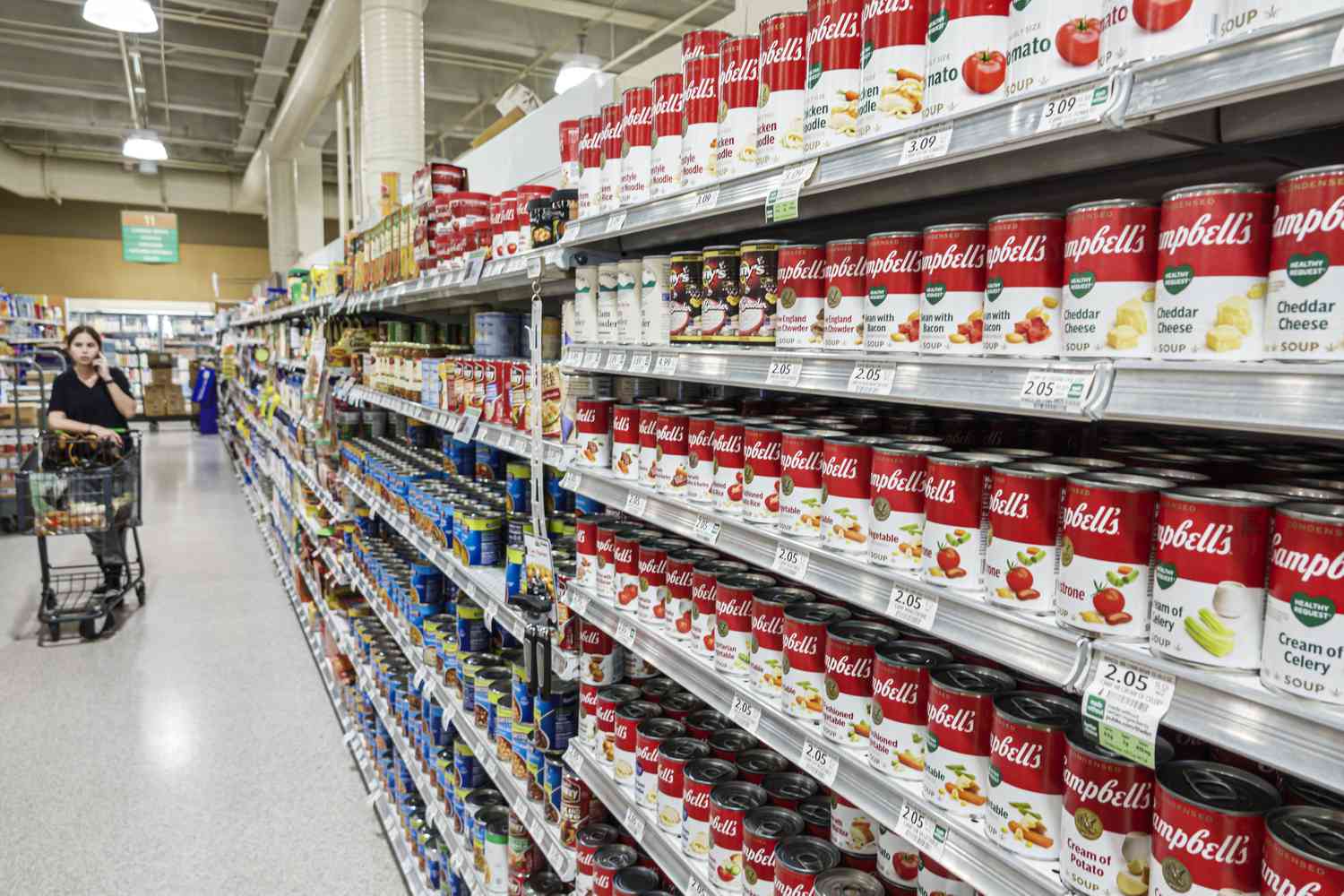
- S&P 500 Component Changes: The removal of Campbell's and Pool Corp. from the S&P 500 forces index funds to sell, creating temporary price pressure that patient dividend investors may exploit for value opportunities.
- Campbell's Dividend Advantage: Currently offering a yield over 7%, Campbell's has a 51-year dividend payment history and a payout ratio of 76%, providing stability despite slow growth, although it faces challenges like weak volumes and operational headwinds.
- Pool Corp.'s Growth Potential: With a current yield of about 2.4%, Pool Corp. has raised its dividend for 22 consecutive years, achieving an average annual growth of approximately 17% over the past decade, making it appealing for dividend growth investors.
- Market Risk Considerations: Pool Corp.'s performance is closely tied to housing market activity and consumer confidence, and if interest rates remain high, discretionary sales may suffer, while Campbell's offers a more stable high-yield option for income-focused investors.
See More
William Blair Initiates Coverage on Campbell's Company with Market Perform Rating
- Earnings Forecast: Analysts at William Blair estimate that Campbell's Company will achieve earnings per share of $2.19 in 2026 and $1.99 in 2027, indicating a stable outlook for the company's profitability.
- Market Position: As a leading North American manufacturer and marketer, Campbell's boasts a diversified brand portfolio, with nearly $100 billion in retail sales in 2025, underscoring its significant market influence.
- Growth Strategy: The company has outlined a strategy for growth and productivity aimed at delivering reliable top- and bottom-line growth while maintaining a healthy balance sheet, providing capital allocation flexibility to enhance competitive positioning.
- Analyst Ratings: The Wall Street analyst scorecard shows 1 Buy-equivalent rating, 14 Hold-equivalent ratings, and 6 Sell-equivalent ratings for Campbell's, reflecting a cautious market sentiment regarding its future performance.
See More
Campbell's Company Recognized in 2026 Civic 50 for Community Engagement
- Community Engagement Recognition: Campbell's Company has been named a 2026 honoree of The Civic 50, acknowledging its excellence in employee volunteering and community investment, which reflects the company's leadership in social impact strategy.
- Volunteer Service Contribution: In fiscal 2025, Campbell's employees contributed over 27,000 volunteer hours to support local organizations and community initiatives, demonstrating the company's deep commitment and active participation in its communities.
- Philanthropic Foundation Support: The Campbell's Foundation drives philanthropic efforts through Community Impact Grants and matches employee charitable donations, focusing on long-term partnerships that address food access and food security, thereby enhancing community resilience.
- Nutrition Environment Improvement: The company continues to advance its Full Futures initiative aimed at improving school nutrition environments in Camden, NJ, Charlotte, NC, and Hanover, PA, supporting healthy eating through cafeteria upgrades, expanded meal programs, and nutrition education.
See More
Campbell's Company Announces Executive Leadership Changes
- Executive Appointments: Campbell's has appointed Melissa Nippert as Chief Transformation Officer, succeeding retiring Dan Poland, who has led supply chain transformation since 2022, and Nippert is expected to further support the company's growth strategy.
- Communications Leadership Change: Beth Jolly has been named Chief Communications Officer, taking over from Anthony Sanzio; with 23 years at Campbell's, Jolly has previously managed communications across various business divisions, likely enhancing internal and external communication efficiency.
- Strategic Significance: These executive transitions reflect Campbell's thoughtful approach to talent development and succession planning, aiming to solidify operational and growth capabilities through experienced leaders.
- Financial Context: Campbell's anticipates net sales of $10.3 billion for fiscal 2025, and the new leadership team is tasked with driving sustained growth across its Meals & Beverages and Snacks divisions.
See More
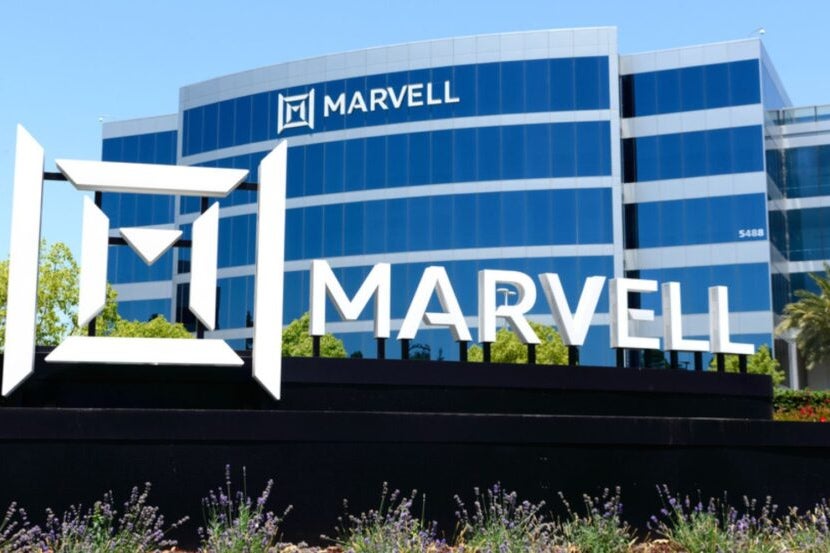
Marvell Set to Join S&P 500, Boosting Market Position

- Optical Interconnect Opportunity: Marvell's leadership in optical interconnects positions it favorably to meet the growing demand for high-speed connections in data centers, with interconnect revenue projected to increase by 70% this year, significantly enhancing its market share and competitiveness.
- S&P 500 Inclusion Impact: Marvell's upcoming inclusion in the S&P 500 index not only validates the company's success but is also likely to attract passive investment funds, potentially driving up the stock price and boosting investor confidence.
- Custom Chip Business Challenges: While Marvell shows strong performance in the ASIC market, its leading position with Amazon's Trainium chips is threatened by Taiwanese AI chip companies, which could impact its future market share and profitability.
- Valuation Risks: With a forward P/E ratio of 64, Marvell's stock appears overvalued, prompting analysts to recommend waiting for a price pullback before considering investment, thereby reducing risk and enhancing potential returns.
See More
Analysis of Two Companies Removed from S&P 500
- Dividend Yield Analysis: Campbell's current dividend yield exceeds 7%, and despite facing weak volumes and operational challenges, its 51-year dividend history and 76% payout ratio provide a stable income source for investors, demonstrating resilience in adverse conditions.
- Brand Value Enhancement: By acquiring a 49% stake in Italy's Rao's brand, Campbell has further solidified its market position, with Rao's net sales exceeding $1 billion over the past 12 months, enhancing the company's brand equity and long-term growth potential.
- Dividend Growth Potential: Pool Corporation's dividend yield is around 2.4%, but its 22 consecutive years of dividend increases and a 17% average growth rate over the past decade showcase its strong compounding ability, attracting income-seeking investors.
- Market Risk Consideration: Pool Corp.'s business is closely tied to housing market activity; although first-quarter net sales grew by 6%, high interest rates may lead consumers to defer large expenditures, potentially impacting future sales growth, necessitating careful risk assessment by investors.
See More
Impact Analysis of S&P 500 Component Changes
- S&P 500 Component Changes: The removal of Campbell's and Pool Corp. from the S&P 500 forces index funds to sell, creating temporary price pressure that patient dividend investors may exploit for value opportunities.
- Campbell's Dividend Advantage: Currently offering a yield over 7%, Campbell's has a 51-year dividend payment history and a payout ratio of 76%, providing stability despite slow growth, although it faces challenges like weak volumes and operational headwinds.
- Pool Corp.'s Growth Potential: With a current yield of about 2.4%, Pool Corp. has raised its dividend for 22 consecutive years, achieving an average annual growth of approximately 17% over the past decade, making it appealing for dividend growth investors.
- Market Risk Considerations: Pool Corp.'s performance is closely tied to housing market activity and consumer confidence, and if interest rates remain high, discretionary sales may suffer, while Campbell's offers a more stable high-yield option for income-focused investors.
See More
William Blair Initiates Coverage on Campbell's Company with Market Perform Rating
- Earnings Forecast: Analysts at William Blair estimate that Campbell's Company will achieve earnings per share of $2.19 in 2026 and $1.99 in 2027, indicating a stable outlook for the company's profitability.
- Market Position: As a leading North American manufacturer and marketer, Campbell's boasts a diversified brand portfolio, with nearly $100 billion in retail sales in 2025, underscoring its significant market influence.
- Growth Strategy: The company has outlined a strategy for growth and productivity aimed at delivering reliable top- and bottom-line growth while maintaining a healthy balance sheet, providing capital allocation flexibility to enhance competitive positioning.
- Analyst Ratings: The Wall Street analyst scorecard shows 1 Buy-equivalent rating, 14 Hold-equivalent ratings, and 6 Sell-equivalent ratings for Campbell's, reflecting a cautious market sentiment regarding its future performance.
See More
Campbell's Company Recognized in 2026 Civic 50 for Community Engagement
- Community Engagement Recognition: Campbell's Company has been named a 2026 honoree of The Civic 50, acknowledging its excellence in employee volunteering and community investment, which reflects the company's leadership in social impact strategy.
- Volunteer Service Contribution: In fiscal 2025, Campbell's employees contributed over 27,000 volunteer hours to support local organizations and community initiatives, demonstrating the company's deep commitment and active participation in its communities.
- Philanthropic Foundation Support: The Campbell's Foundation drives philanthropic efforts through Community Impact Grants and matches employee charitable donations, focusing on long-term partnerships that address food access and food security, thereby enhancing community resilience.
- Nutrition Environment Improvement: The company continues to advance its Full Futures initiative aimed at improving school nutrition environments in Camden, NJ, Charlotte, NC, and Hanover, PA, supporting healthy eating through cafeteria upgrades, expanded meal programs, and nutrition education.
See More
Campbell's Company Announces Executive Leadership Changes
- Executive Appointments: Campbell's has appointed Melissa Nippert as Chief Transformation Officer, succeeding retiring Dan Poland, who has led supply chain transformation since 2022, and Nippert is expected to further support the company's growth strategy.
- Communications Leadership Change: Beth Jolly has been named Chief Communications Officer, taking over from Anthony Sanzio; with 23 years at Campbell's, Jolly has previously managed communications across various business divisions, likely enhancing internal and external communication efficiency.
- Strategic Significance: These executive transitions reflect Campbell's thoughtful approach to talent development and succession planning, aiming to solidify operational and growth capabilities through experienced leaders.
- Financial Context: Campbell's anticipates net sales of $10.3 billion for fiscal 2025, and the new leadership team is tasked with driving sustained growth across its Meals & Beverages and Snacks divisions.
See More
Marvell Set to Join S&P 500, Boosting Market Position
- Optical Interconnect Opportunity: Marvell's leadership in optical interconnects positions it favorably to meet the growing demand for high-speed connections in data centers, with interconnect revenue projected to increase by 70% this year, significantly enhancing its market share and competitiveness.
- S&P 500 Inclusion Impact: Marvell's upcoming inclusion in the S&P 500 index not only validates the company's success but is also likely to attract passive investment funds, potentially driving up the stock price and boosting investor confidence.
- Custom Chip Business Challenges: While Marvell shows strong performance in the ASIC market, its leading position with Amazon's Trainium chips is threatened by Taiwanese AI chip companies, which could impact its future market share and profitability.
- Valuation Risks: With a forward P/E ratio of 64, Marvell's stock appears overvalued, prompting analysts to recommend waiting for a price pullback before considering investment, thereby reducing risk and enhancing potential returns.
See More





