Investment Opportunities in AMD, ServiceNow, and Pinterest
Written by Emily J. Thompson, Senior Investment Analyst
Updated: Mar 21 2026
0mins

Should l Buy AMD?
Source: NASDAQ.COM
- AMD's Market Potential: AMD's GPU partnership commitments with OpenAI and Meta, totaling 6 gigawatts, may seem costly but are expected to enhance AMD's market share in AI data centers, potentially driving stock price increases.
- Demand for Data Center CPUs: The rise of agentic AI is likely to significantly increase the demand for high-performance CPUs, presenting AMD with opportunities that the market has yet to fully price in, which could act as a catalyst for future growth.
- ServiceNow's Growth Outlook: ServiceNow's annual contract value reached $600 million last quarter and is projected to exceed $1 billion by year-end, indicating strong growth potential in the AI sector, despite market overreactions to its software services.
- Pinterest's Undervalued Status: Pinterest's exposure to the home decor sector has pressured its stock, yet it still achieved a 14% revenue growth, and its AI-driven shopping discovery platform is attracting more users, suggesting an improvement in market performance ahead.
Trade with 70% Backtested Accuracy
Stop guessing "Should I Buy AMD?" and start using high-conviction signals backed by rigorous historical data.
Sign up today to access powerful investing tools and make smarter, data-driven decisions.
Analyst Views on AMD
Wall Street analysts forecast AMD stock price to rise
33 Analyst Rating
25 Buy
8 Hold
0 Sell
Strong Buy
Current: 201.990

Low
210.00
Averages
289.13
High
377.00
Current: 201.990
Low
210.00
Averages
289.13
High
377.00
About AMD
Advanced Micro Devices, Inc. is a global semiconductor company. The Company is focused on high-performance computing and artificial intelligence (AI). Its segments include Data Center, Client and Gaming, and Embedded. Data Center segment includes AI accelerators, microprocessors (CPUs) for servers, graphics processing units (GPUs), accelerated processing units (APUs), data processing units (DPUs), Field Programmable Gate Arrays (FPGAs), and Adaptive system-on-Chip (SoC) products for data centers. Client and Gaming segment includes CPUs, APUs, chipsets for desktops and notebooks, discrete GPUs, and semi-custom SoC products and development services. Embedded segment includes embedded CPUs, APUs, FPGAs, system on modules (SOMs), and Adaptive SoC products. It markets and sells its products under the AMD trademark. Its products include AMD EPYC, AMD Ryzen, AMD Ryzen PRO, Virtex UltraScale+, among others.
About the author

Emily J. Thompson
Emily J. Thompson, a Chartered Financial Analyst (CFA) with 12 years in investment research, graduated with honors from the Wharton School. Specializing in industrial and technology stocks, she provides in-depth analysis for Intellectia’s earnings and market brief reports.
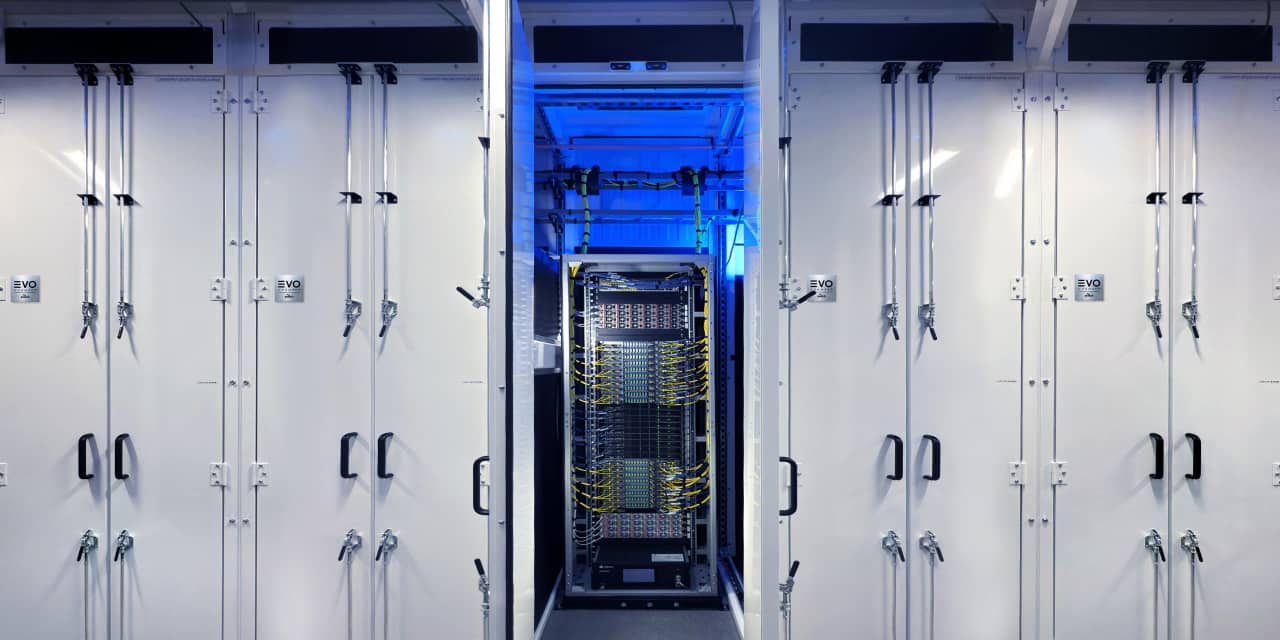
Nvidia Chips Launching into Space: Implications for Stock Performance.


- Nvidia Stock Performance: Nvidia's stock saw gains on Monday, indicating positive market sentiment.
- Customer Spending: The company is expected to benefit from increased spending by clients like Mistral AI and Starcloud.
See More
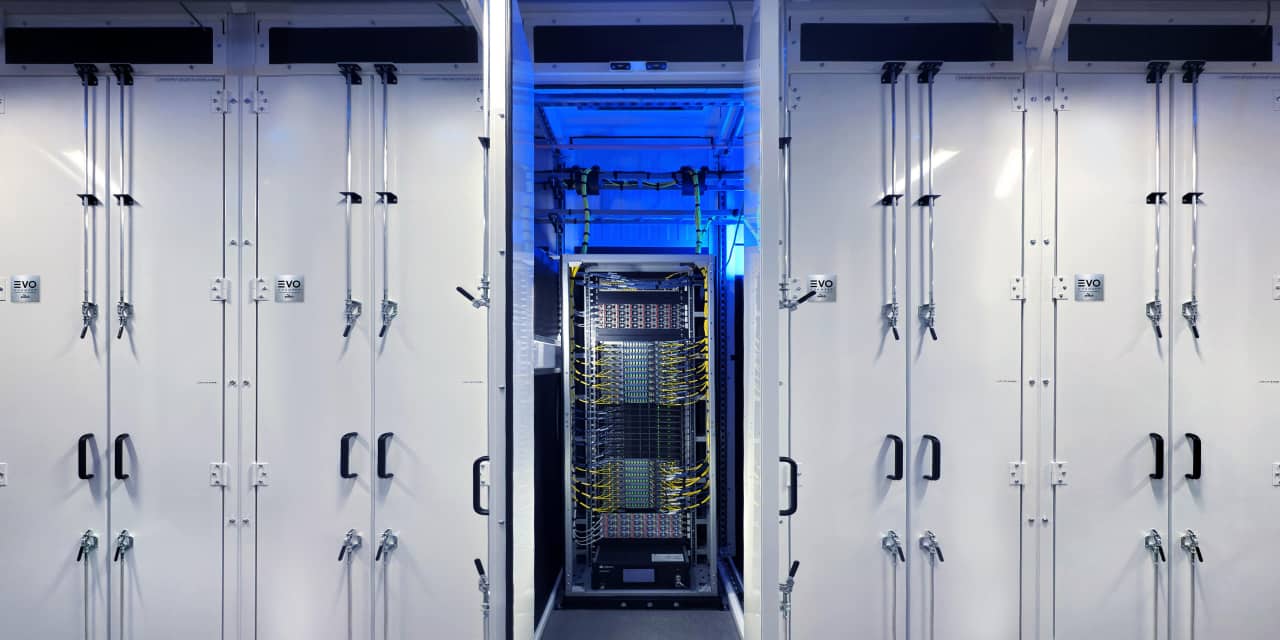
Nvidia Shares Climb as Company Secures Major New Client.

- Nvidia's Stock Performance: Nvidia shares experienced an increase on Monday.
- Partnership with Mistral AI: The chip maker is poised to benefit from Mistral AI's plans to establish a data center utilizing its processors.
See More
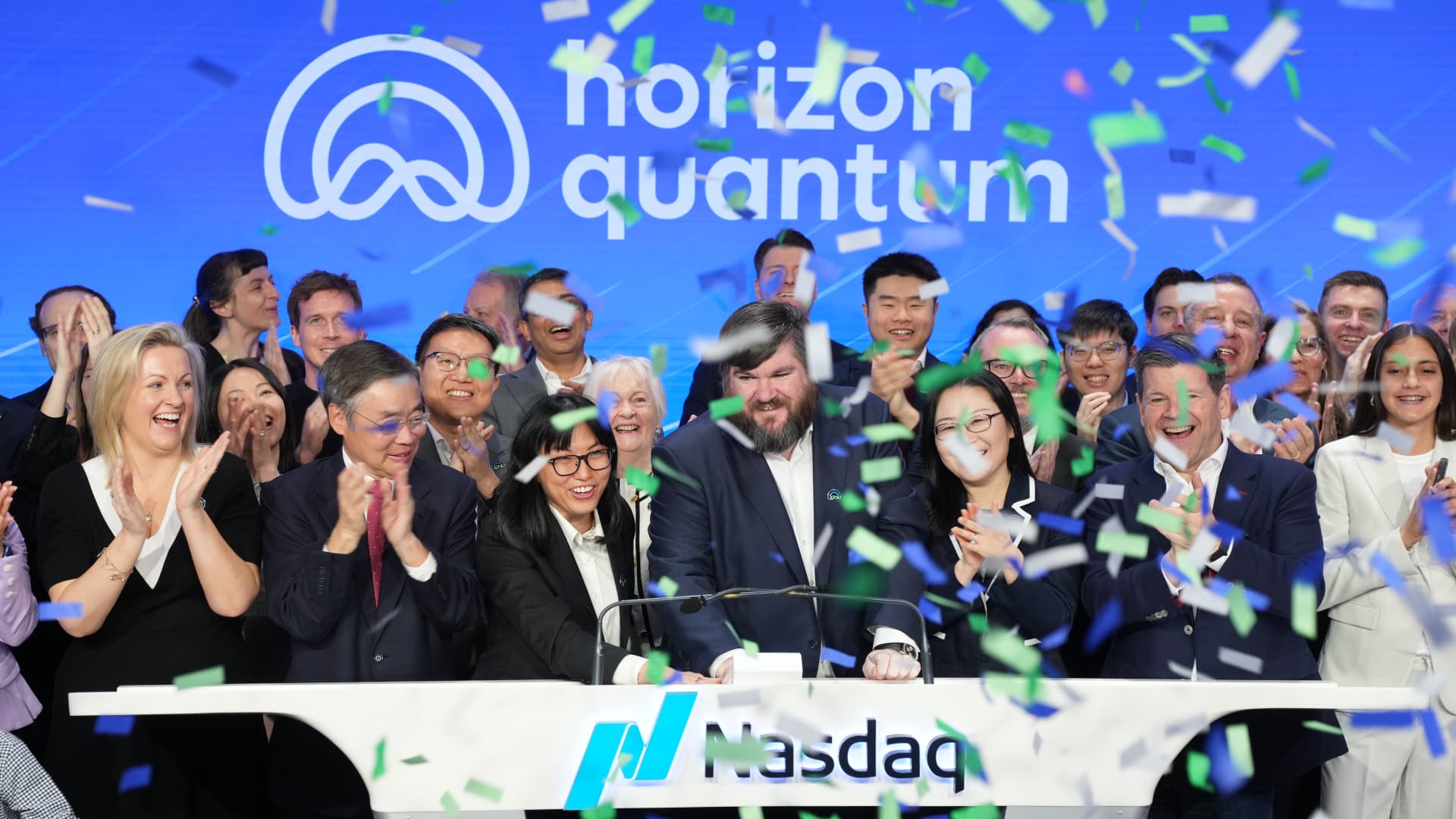
Xanadu Quantum Successfully Goes Public Amid Market Turbulence


- IPO Performance: Xanadu Quantum's shares rose 15% on their debut on Nasdaq and the Toronto Stock Exchange, although they fell over 10% in after-hours trading, indicating a mix of market interest and caution towards quantum computing firms.
- SPAC Merger: Xanadu went public through a merger with the special purpose acquisition company Crane Harbor Acquisition, a method that provides a quicker financing route for quantum startups, reflecting growing market confidence in quantum technology.
- Industry Breakthroughs: Significant advancements in quantum computing over the past 18 months, including improvements in quantum error correction and increased qubit counts, lay the groundwork for commercial applications, with expectations for larger-scale quantum computing capabilities by the mid-2030s.
- Market Potential: The quantum computing market is estimated to be worth between $100 billion and $250 billion, attracting investments from tech giants like Alphabet and Microsoft, indicating a positive long-term outlook from investors in this sector.
See More

French AI Startup Mistral Secures $830 Million in Debt Financing
- Significant Financing: French AI startup Mistral has secured $830 million in debt financing to build a data center powered by 13,800 Nvidia GB300 GPUs, which is set to become operational in Q2 this year, significantly enhancing its capabilities in training and inference services for AI models.
- Infrastructure Investment Plans: Mistral aims to establish a data center near Paris by 2025 and achieve 200 MW of computing capacity across Europe by the end of 2027, demonstrating its ambition in AI infrastructure to meet the surging demand from governments, enterprises, and research institutions for customized AI environments.
- Market Competition Landscape: While Mistral has become the best-funded large language model (LLM) builder in Europe with a total funding of $2.9 billion, this figure pales in comparison to U.S. rivals like OpenAI, which has raised $180 billion, highlighting the global imbalance in AI funding.
- Banking Support Background: The financing was supported by a consortium of seven global banks, including Bpifrance and BNP Paribas, indicating strong confidence from financial institutions in Mistral's future growth and providing robust funding support in the competitive AI market.
See More

The Shift in AI Portfolios and Future Outlook

- Market Repricing of AI Holdings: Morgan Stanley's Global Investment Committee highlights a shift from AI 'builders' to 'adopters,' indicating that infrastructure providers and chip companies face risks of repricing, while companies leveraging AI to enhance productivity may achieve higher valuations.
- Software Sector Sell-off: As market focus shifts, the software sector has experienced significant sell-offs, with investors questioning the profitability of unprofitable AI companies, leading to a decline in both good and bad companies' stock prices, reflecting a reassessment of pricing power.
- Resilience of Semiconductor Industry: Despite the software sector's downturn, the semiconductor industry remains robust, as evidenced by the divergence of the Russell 1000 Semiconductor Index from the software sector, indicating sustained demand for physical AI infrastructure, with data center cooling companies reporting record backlogs.
- Building Future Portfolios: A successful AI portfolio should be more diversified, focusing on infrastructure companies like Vertiv and Equinix, which play critical roles in meeting AI demand by providing essential cooling and connectivity services, ensuring revenue visibility even amid market sentiment fluctuations.
See More
Ark Invest Significantly Reduces Tech Holdings


- Meta Platforms Reduction: Ark Invest sold 76,622 shares of Meta across multiple ETFs, valued at approximately $42 million, indicating a loss of confidence amid market fluctuations and a $6 million product liability verdict against the company.
- NVIDIA Position Cut: Ark reduced its NVIDIA holdings by 154,441 shares, totaling around $26.6 million, aligning with concerns over potential overvaluation in AI-centric firms, which could lead to significant market corrections.
- AMD and TSMC Sales: Ark sold 38,245 shares of AMD and 15,696 shares of TSMC, valued at approximately $7.8 million and $5.1 million respectively, reflecting challenges in the semiconductor industry, including rising prices and production capacity constraints.
- Alphabet and Netflix Cuts: Ark reduced its stake in Alphabet by 9,046 shares and Netflix by 6,775 shares, valued at approximately $2.5 million and $632,243 respectively, with Alphabet facing legal challenges and Netflix raising subscription prices due to content expansion.
See More
Nvidia Chips Launching into Space: Implications for Stock Performance.
- Nvidia Stock Performance: Nvidia's stock saw gains on Monday, indicating positive market sentiment.
- Customer Spending: The company is expected to benefit from increased spending by clients like Mistral AI and Starcloud.
See More
Nvidia Shares Climb as Company Secures Major New Client.
- Nvidia's Stock Performance: Nvidia shares experienced an increase on Monday.
- Partnership with Mistral AI: The chip maker is poised to benefit from Mistral AI's plans to establish a data center utilizing its processors.
See More
Xanadu Quantum Successfully Goes Public Amid Market Turbulence
- IPO Performance: Xanadu Quantum's shares rose 15% on their debut on Nasdaq and the Toronto Stock Exchange, although they fell over 10% in after-hours trading, indicating a mix of market interest and caution towards quantum computing firms.
- SPAC Merger: Xanadu went public through a merger with the special purpose acquisition company Crane Harbor Acquisition, a method that provides a quicker financing route for quantum startups, reflecting growing market confidence in quantum technology.
- Industry Breakthroughs: Significant advancements in quantum computing over the past 18 months, including improvements in quantum error correction and increased qubit counts, lay the groundwork for commercial applications, with expectations for larger-scale quantum computing capabilities by the mid-2030s.
- Market Potential: The quantum computing market is estimated to be worth between $100 billion and $250 billion, attracting investments from tech giants like Alphabet and Microsoft, indicating a positive long-term outlook from investors in this sector.
See More
French AI Startup Mistral Secures $830 Million in Debt Financing
- Significant Financing: French AI startup Mistral has secured $830 million in debt financing to build a data center powered by 13,800 Nvidia GB300 GPUs, which is set to become operational in Q2 this year, significantly enhancing its capabilities in training and inference services for AI models.
- Infrastructure Investment Plans: Mistral aims to establish a data center near Paris by 2025 and achieve 200 MW of computing capacity across Europe by the end of 2027, demonstrating its ambition in AI infrastructure to meet the surging demand from governments, enterprises, and research institutions for customized AI environments.
- Market Competition Landscape: While Mistral has become the best-funded large language model (LLM) builder in Europe with a total funding of $2.9 billion, this figure pales in comparison to U.S. rivals like OpenAI, which has raised $180 billion, highlighting the global imbalance in AI funding.
- Banking Support Background: The financing was supported by a consortium of seven global banks, including Bpifrance and BNP Paribas, indicating strong confidence from financial institutions in Mistral's future growth and providing robust funding support in the competitive AI market.
See More
The Shift in AI Portfolios and Future Outlook
- Market Repricing of AI Holdings: Morgan Stanley's Global Investment Committee highlights a shift from AI 'builders' to 'adopters,' indicating that infrastructure providers and chip companies face risks of repricing, while companies leveraging AI to enhance productivity may achieve higher valuations.
- Software Sector Sell-off: As market focus shifts, the software sector has experienced significant sell-offs, with investors questioning the profitability of unprofitable AI companies, leading to a decline in both good and bad companies' stock prices, reflecting a reassessment of pricing power.
- Resilience of Semiconductor Industry: Despite the software sector's downturn, the semiconductor industry remains robust, as evidenced by the divergence of the Russell 1000 Semiconductor Index from the software sector, indicating sustained demand for physical AI infrastructure, with data center cooling companies reporting record backlogs.
- Building Future Portfolios: A successful AI portfolio should be more diversified, focusing on infrastructure companies like Vertiv and Equinix, which play critical roles in meeting AI demand by providing essential cooling and connectivity services, ensuring revenue visibility even amid market sentiment fluctuations.
See More
Ark Invest Significantly Reduces Tech Holdings
- Meta Platforms Reduction: Ark Invest sold 76,622 shares of Meta across multiple ETFs, valued at approximately $42 million, indicating a loss of confidence amid market fluctuations and a $6 million product liability verdict against the company.
- NVIDIA Position Cut: Ark reduced its NVIDIA holdings by 154,441 shares, totaling around $26.6 million, aligning with concerns over potential overvaluation in AI-centric firms, which could lead to significant market corrections.
- AMD and TSMC Sales: Ark sold 38,245 shares of AMD and 15,696 shares of TSMC, valued at approximately $7.8 million and $5.1 million respectively, reflecting challenges in the semiconductor industry, including rising prices and production capacity constraints.
- Alphabet and Netflix Cuts: Ark reduced its stake in Alphabet by 9,046 shares and Netflix by 6,775 shares, valued at approximately $2.5 million and $632,243 respectively, with Alphabet facing legal challenges and Netflix raising subscription prices due to content expansion.
See More