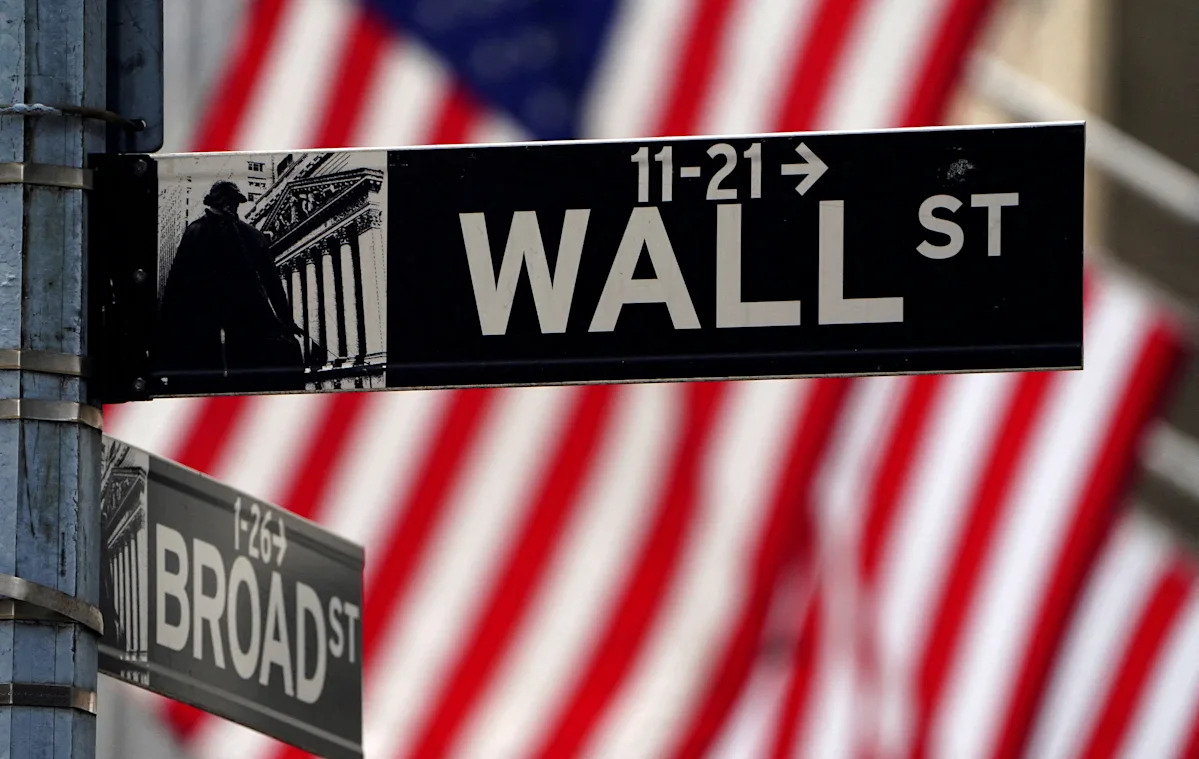
Investment Opportunities Amid Tech Stock Sell-Off
Written by Emily J. Thompson, Senior Investment Analyst
Updated: 2 days ago
0mins

Source: Fool
- Microsoft's Market Outlook: Microsoft (MSFT) shares have fallen 30% from their peak, yet CEO Satya Nadella believes the AI market is still in its early stages, with expectations for substantial growth in the total addressable market, as Azure cloud service revenue increased by 39% year-over-year, indicating strong market demand.
- Cloud Service Growth: As the second-largest cloud service provider globally, Microsoft Azure outpaced Amazon AWS's 24% growth, demonstrating that the company's investments in data centers and custom chips are driving demand for enterprise cloud services, with commercial bookings rising by 230% year-over-year.
- Brookfield's Investment Strategy: Brookfield Asset Management (BAM), managing over $1.1 trillion in assets, has seen its stock drop by 30%, but its $100 billion investment plan in AI infrastructure highlights confidence in future growth, particularly in data center construction.
- Stable Earnings Expectations: Analysts project Brookfield Asset Management to achieve approximately 14% annualized earnings growth in the coming years, and with a 4.4% dividend yield, the current stock price presents an attractive opportunity for long-term investors.
Trade with 70% Backtested Accuracy
Stop guessing "Should I Buy MSFT?" and start using high-conviction signals backed by rigorous historical data.
Sign up today to access powerful investing tools and make smarter, data-driven decisions.
Analyst Views on MSFT
Wall Street analysts forecast MSFT stock price to rise
34 Analyst Rating
32 Buy
2 Hold
0 Sell
Strong Buy
Current: 420.260

Low
500.00
Averages
631.36
High
678.00
Current: 420.260
Low
500.00
Averages
631.36
High
678.00
About MSFT
Microsoft Corporation is a technology company. The Company develops and supports software, services, devices, and solutions. The Company’s segments include Productivity and Business Processes, Intelligent Cloud, and More Personal Computing. The Productivity and Business Processes segment consists of products and services in its portfolio of productivity, communication, and information services. This segment primarily comprises: Office Commercial, Office Consumer, LinkedIn, and Dynamics business solutions. The Intelligent Cloud segment consists of server products and cloud services, including Azure and other cloud services, SQL Server, Windows Server, Visual Studio, System Center, and related Client Access Licenses (CALs), and Nuance and GitHub; and Enterprise Services, including enterprise support services, industry solutions and Nuance professional services. The More Personal Computing segment primarily comprises Windows, Devices, Gaming, and search and news advertising.
About the author

Emily J. Thompson
Emily J. Thompson, a Chartered Financial Analyst (CFA) with 12 years in investment research, graduated with honors from the Wharton School. Specializing in industrial and technology stocks, she provides in-depth analysis for Intellectia’s earnings and market brief reports.

CEREBRAS AIMS FOR $35 BILLION VALUATION IN FORTHCOMING IPO - THE INFORMATION

- Company Valuation: Cerebras is targeting a valuation of $35 billion in its upcoming public offering.
- Market Position: The company is positioning itself as a significant player in the tech industry with this financial move.
See More

Nebius Group: Potential and Challenges in AI Cloud Computing


- Significant Contract Backlog: Nebius Group has a contracted backlog approaching $50 billion for the 2027-2031 period, with 2025 revenue at $530 million, indicating substantial future growth potential, particularly through long-term partnerships with Microsoft and Meta.
- Market Valuation and Growth Expectations: With a current market cap of approximately $41 billion and analyst price targets ranging from $143 to $211, if Nebius successfully converts its backlog into revenue, projected 2026 revenue could reach $3 billion to $3.4 billion, with an EBITDA margin near 40%.
- Capital Expenditure Plans: Nebius plans to invest $16 billion to $20 billion in capital expenditures in 2026, which, while outpacing current revenue, could lay the groundwork for future growth if infrastructure is built on time.
- Technology and Market Risks: Despite Nvidia's investment validating its technology, Nebius faces execution risks, including the timely construction of infrastructure and potential changes in demand from key clients, which will directly impact its market performance.
See More

Nebius Secures $50 Billion Backlog with Microsoft and Meta
- Significant Contract Backlog: Nebius has secured a five-year contract worth up to $19.4 billion with Microsoft and expanded its deal with Meta to $27 billion, resulting in a total contracted backlog approaching $50 billion for the 2027-2031 period, indicating strong visibility into future revenues.
- Capital Expenditure Plans: The company aims to scale its data center capacity from 170 megawatts to between 800 megawatts and 1 gigawatt by 2026, with projected revenues of $3 billion to $3.4 billion and an EBITDA margin near 40%, which could significantly enhance market expectations for its valuation.
- Technological Investment Support: Nvidia's $2 billion direct equity investment in Nebius underscores confidence in Nebius as a strategic partner for next-generation hyperscale AI infrastructure, further solidifying its position in the AI cloud computing sector.
- Risks and Challenges: Despite Nebius's competitive advantages, its plan to spend $16 billion to $20 billion in capital expenditures in 2026 presents execution risks and market demand fluctuations, necessitating careful assessment of its long-term growth potential.
See More

SpaceX IPO Expected to Be Largest in History

- Record IPO Size: SpaceX is aiming to raise up to $75 billion in its upcoming IPO, with a staggering valuation of $2 trillion, positioning it as the largest IPO ever and significantly enhancing its market stature.
- Clear Use of Funds: The proceeds from the IPO will be directed towards expanding the Starlink satellite network and high-speed internet services, as well as funding rocket development and AI initiatives, indicating the company's commitment to future technological advancements.
- Google's Investment Returns: Google's stake in SpaceX could be worth up to $100 billion post-IPO, reflecting the success of its early investment, while changes in this ownership percentage may influence its overall investment strategy.
- Cloud Business Growth: Google's cloud segment saw a 48% revenue increase in Q4, reaching $17.7 billion, showcasing its robust performance amid soaring demand for AI infrastructure, further solidifying Google's leadership in the market.
See More

SpaceX IPO Expected to Be Largest in History
- IPO Scale Expectations: SpaceX is expected to raise up to $75 billion in its IPO, with a staggering valuation of $2 trillion, making it the largest IPO in history, surpassing only five companies in the S&P 500, highlighting its immense market potential.
- Google's Stake: As of the end of last year, Alphabet (Google) owned approximately 6.11% of SpaceX, and if SpaceX achieves its targeted valuation, this stake could be worth around $100 billion, reflecting the strategic value of Google's investment in the aerospace sector.
- Planned Use of Funds: SpaceX intends to use the proceeds from its IPO to expand its Starlink satellite network and high-speed internet services, as well as to fund rocket development and AI initiatives, indicating its ambition in technological innovation and market expansion.
- Cloud Computing Growth: Despite facing AI competition, Google Cloud's revenue surged 48% year-over-year to $17.7 billion in the fourth quarter, demonstrating strong performance in the rapidly growing cloud computing market and further solidifying Alphabet's market position.
See More

SpaceX IPO Expected to Be Largest Ever


- IPO Scale Expectations: SpaceX is set to raise up to $75 billion in its upcoming IPO, with a staggering valuation of $2 trillion, positioning it as the largest public offering in history and highlighting its immense market potential in aerospace and satellite technology.
- Clear Use of Funds: The proceeds from the IPO will be directed towards expanding the Starlink low-earth orbit satellite network and high-speed internet services, as well as funding rocket development and AI initiatives, indicating the company's strategic focus on future technological advancements.
- Google Investment Returns: With an estimated 5% stake in SpaceX, Google's investment could be worth around $100 billion if SpaceX achieves its targeted $2 trillion valuation, showcasing the potential returns from its involvement in the aerospace sector.
- Rapid Cloud Computing Growth: Google's cloud business saw a 48% year-over-year revenue increase to $17.7 billion in Q4, with operating income soaring 154% to $5.3 billion, reflecting the rapid growth and profitability of its cloud services amid rising demand for AI infrastructure.
See More
CEREBRAS AIMS FOR $35 BILLION VALUATION IN FORTHCOMING IPO - THE INFORMATION
- Company Valuation: Cerebras is targeting a valuation of $35 billion in its upcoming public offering.
- Market Position: The company is positioning itself as a significant player in the tech industry with this financial move.
See More
Nebius Group: Potential and Challenges in AI Cloud Computing
- Significant Contract Backlog: Nebius Group has a contracted backlog approaching $50 billion for the 2027-2031 period, with 2025 revenue at $530 million, indicating substantial future growth potential, particularly through long-term partnerships with Microsoft and Meta.
- Market Valuation and Growth Expectations: With a current market cap of approximately $41 billion and analyst price targets ranging from $143 to $211, if Nebius successfully converts its backlog into revenue, projected 2026 revenue could reach $3 billion to $3.4 billion, with an EBITDA margin near 40%.
- Capital Expenditure Plans: Nebius plans to invest $16 billion to $20 billion in capital expenditures in 2026, which, while outpacing current revenue, could lay the groundwork for future growth if infrastructure is built on time.
- Technology and Market Risks: Despite Nvidia's investment validating its technology, Nebius faces execution risks, including the timely construction of infrastructure and potential changes in demand from key clients, which will directly impact its market performance.
See More
Nebius Secures $50 Billion Backlog with Microsoft and Meta
- Significant Contract Backlog: Nebius has secured a five-year contract worth up to $19.4 billion with Microsoft and expanded its deal with Meta to $27 billion, resulting in a total contracted backlog approaching $50 billion for the 2027-2031 period, indicating strong visibility into future revenues.
- Capital Expenditure Plans: The company aims to scale its data center capacity from 170 megawatts to between 800 megawatts and 1 gigawatt by 2026, with projected revenues of $3 billion to $3.4 billion and an EBITDA margin near 40%, which could significantly enhance market expectations for its valuation.
- Technological Investment Support: Nvidia's $2 billion direct equity investment in Nebius underscores confidence in Nebius as a strategic partner for next-generation hyperscale AI infrastructure, further solidifying its position in the AI cloud computing sector.
- Risks and Challenges: Despite Nebius's competitive advantages, its plan to spend $16 billion to $20 billion in capital expenditures in 2026 presents execution risks and market demand fluctuations, necessitating careful assessment of its long-term growth potential.
See More
SpaceX IPO Expected to Be Largest in History
- Record IPO Size: SpaceX is aiming to raise up to $75 billion in its upcoming IPO, with a staggering valuation of $2 trillion, positioning it as the largest IPO ever and significantly enhancing its market stature.
- Clear Use of Funds: The proceeds from the IPO will be directed towards expanding the Starlink satellite network and high-speed internet services, as well as funding rocket development and AI initiatives, indicating the company's commitment to future technological advancements.
- Google's Investment Returns: Google's stake in SpaceX could be worth up to $100 billion post-IPO, reflecting the success of its early investment, while changes in this ownership percentage may influence its overall investment strategy.
- Cloud Business Growth: Google's cloud segment saw a 48% revenue increase in Q4, reaching $17.7 billion, showcasing its robust performance amid soaring demand for AI infrastructure, further solidifying Google's leadership in the market.
See More
SpaceX IPO Expected to Be Largest in History
- IPO Scale Expectations: SpaceX is expected to raise up to $75 billion in its IPO, with a staggering valuation of $2 trillion, making it the largest IPO in history, surpassing only five companies in the S&P 500, highlighting its immense market potential.
- Google's Stake: As of the end of last year, Alphabet (Google) owned approximately 6.11% of SpaceX, and if SpaceX achieves its targeted valuation, this stake could be worth around $100 billion, reflecting the strategic value of Google's investment in the aerospace sector.
- Planned Use of Funds: SpaceX intends to use the proceeds from its IPO to expand its Starlink satellite network and high-speed internet services, as well as to fund rocket development and AI initiatives, indicating its ambition in technological innovation and market expansion.
- Cloud Computing Growth: Despite facing AI competition, Google Cloud's revenue surged 48% year-over-year to $17.7 billion in the fourth quarter, demonstrating strong performance in the rapidly growing cloud computing market and further solidifying Alphabet's market position.
See More
SpaceX IPO Expected to Be Largest Ever
- IPO Scale Expectations: SpaceX is set to raise up to $75 billion in its upcoming IPO, with a staggering valuation of $2 trillion, positioning it as the largest public offering in history and highlighting its immense market potential in aerospace and satellite technology.
- Clear Use of Funds: The proceeds from the IPO will be directed towards expanding the Starlink low-earth orbit satellite network and high-speed internet services, as well as funding rocket development and AI initiatives, indicating the company's strategic focus on future technological advancements.
- Google Investment Returns: With an estimated 5% stake in SpaceX, Google's investment could be worth around $100 billion if SpaceX achieves its targeted $2 trillion valuation, showcasing the potential returns from its involvement in the aerospace sector.
- Rapid Cloud Computing Growth: Google's cloud business saw a 48% year-over-year revenue increase to $17.7 billion in Q4, with operating income soaring 154% to $5.3 billion, reflecting the rapid growth and profitability of its cloud services amid rising demand for AI infrastructure.
See More