Investment Opportunities Amid AI Market Volatility
Written by Emily J. Thompson, Senior Investment Analyst
Updated: Apr 07 2026
0mins

Should l Buy NVDA?
Source: Fool
- Winners and Losers Divergence: As inflation and geopolitical tensions impact the market, many AI stocks have pulled back; however, companies like Nvidia, Broadcom, and Lumentum remain attractive due to their provision of essential hardware, expected to benefit from long-term growth in the AI sector.
- Nvidia's Market Dominance: Nvidia's data center GPUs demonstrate superior efficiency in processing AI tasks compared to traditional CPUs, with a market cap of $4.3 trillion, solidifying its irreplaceable role in training AI algorithms and maintaining a strong market share.
- Broadcom's Technological Edge: Broadcom meets data centers' high-speed transmission needs with custom AI accelerators and optical networking chips, having expanded its infrastructure software business through acquisitions over the past decade, further solidifying its market position.
- Challenges for Smaller Firms: Smaller software companies like C3.ai and BigBear.ai face slowing growth as competition intensifies from large tech firms like Microsoft and Amazon, which could marginalize them, prompting investors to navigate market volatility with caution.
Trade with 70% Backtested Accuracy
Stop guessing "Should I Buy NVDA?" and start using high-conviction signals backed by rigorous historical data.
Sign up today to access powerful investing tools and make smarter, data-driven decisions.
Analyst Views on NVDA
Wall Street analysts forecast NVDA stock price to rise
41 Analyst Rating
39 Buy
1 Hold
1 Sell
Strong Buy
Current: 211.500

Low
200.00
Averages
264.97
High
352.00
Current: 211.500
Low
200.00
Averages
264.97
High
352.00
About NVDA
NVIDIA Corporation is an artificial intelligence (AI) infrastructure company. The Company is engaged in accelerated computing to help solve the challenging computational problems. Its segments include Compute & Networking and Graphics. The Compute & Networking segment includes its Data Center accelerated computing and networking platforms and AI solutions and software, and automotive platforms and autonomous and electric vehicle solutions, including software. The Graphics segment includes GeForce GPUs for gaming and personal computers (PCs), and Quadro/NVIDIA RTX GPUs for enterprise workstation graphics. Its technology stack includes the foundational NVIDIA CUDA development platform that runs on all NVIDIA GPUs, as well as hundreds of domain-specific software libraries, frameworks, algorithms, software development kits (SDKs), and application programming interfaces (APIs). Its platforms address four markets, which include Data Center, Gaming, Professional Visualization, and Automotive.
About the author

Emily J. Thompson
Emily J. Thompson, a Chartered Financial Analyst (CFA) with 12 years in investment research, graduated with honors from the Wharton School. Specializing in industrial and technology stocks, she provides in-depth analysis for Intellectia’s earnings and market brief reports.

Amazon Reports Triple-Digit AI Revenue Growth Amid E-Commerce Expansion

- AI Revenue Surge: Amazon's AI revenue has seen triple-digit growth, with CEO Andy Jassy noting that the rapid advancement of AI technology positions the company favorably for future market competition, as it plans to invest $200 billion in capital expenditures by 2026.
- E-Commerce Growth: Despite a large base, Amazon's e-commerce sales grew 12% year-over-year in Q1, with third-party sales up 14%, indicating strong market competitiveness, particularly with the addition of 600 notable brands.
- Delivery Speed Enhancement: Amazon has introduced one- and three-hour delivery options for over 90,000 items across more than 2,000 cities, significantly improving customer experience and driving sales growth, further solidifying its leadership in e-commerce.
- Advertising Business Boom: Advertising sales increased 24% year-over-year in Q1, with Amazon leveraging AI to assist advertisers in creating effective, low-cost campaigns, enhancing the competitiveness of its ad platform and attracting clients including Netflix.
See More

Emerging Markets ETF Gains 7% Year-to-Date
- Income Growth: The SPDR S&P Emerging Markets Dividend ETF (EDIV) has gained 7% year-to-date, with shares nearing $42 and an 18% rise over the past year, highlighting its strong performance in yield trades and attracting investor interest.
- Yield Structure: EDIV tracks 100 dividend-paying emerging market equities using a yield-weighted strategy, concentrating on high-yield stocks, which introduces higher country-specific risks but also provides the income profile investors seek.
- Improving Macro Environment: The VIX is near 17, down 28% over the past month, and the 10-year/2-year Treasury spread is at 0.49%, indicating a reduction in recession signals, with risk appetite returning and EDIV's quarterly distributions sharply increasing in 2025.
- Seasonal Distribution: Approximately 70% of EDIV's assets are concentrated in five countries, leading to significant seasonal distribution patterns, with the Q3 2025 payout expected to be $0.6592, indicating the stability of high-yield stocks and potential changes in future income streams.
See More

U.S. Stock Market Peaks Amid Iran News and Trump-Xi Summit Focus

- Market Peaks: The U.S. stock market is currently at historical highs, primarily driven by news regarding Iran and the upcoming Trump-Xi summit, indicating investor optimism about future economic policies.
- Buying Opportunities: Stocks like Apple, Nvidia, and Boeing are identified as being in buy zones, reflecting strong market confidence in these tech and aerospace giants, which could lead to further price increases.
- Policy Impact: The Trump-Xi meeting may influence U.S.-China trade relations, with investors closely monitoring potential policy changes to assess their impact on the market, particularly in the tech and manufacturing sectors.
- Investor Sentiment: Positive market sentiment prevails as investors eagerly anticipate upcoming economic data and policy statements, which could further drive stock market gains and enhance overall market stability.
See More
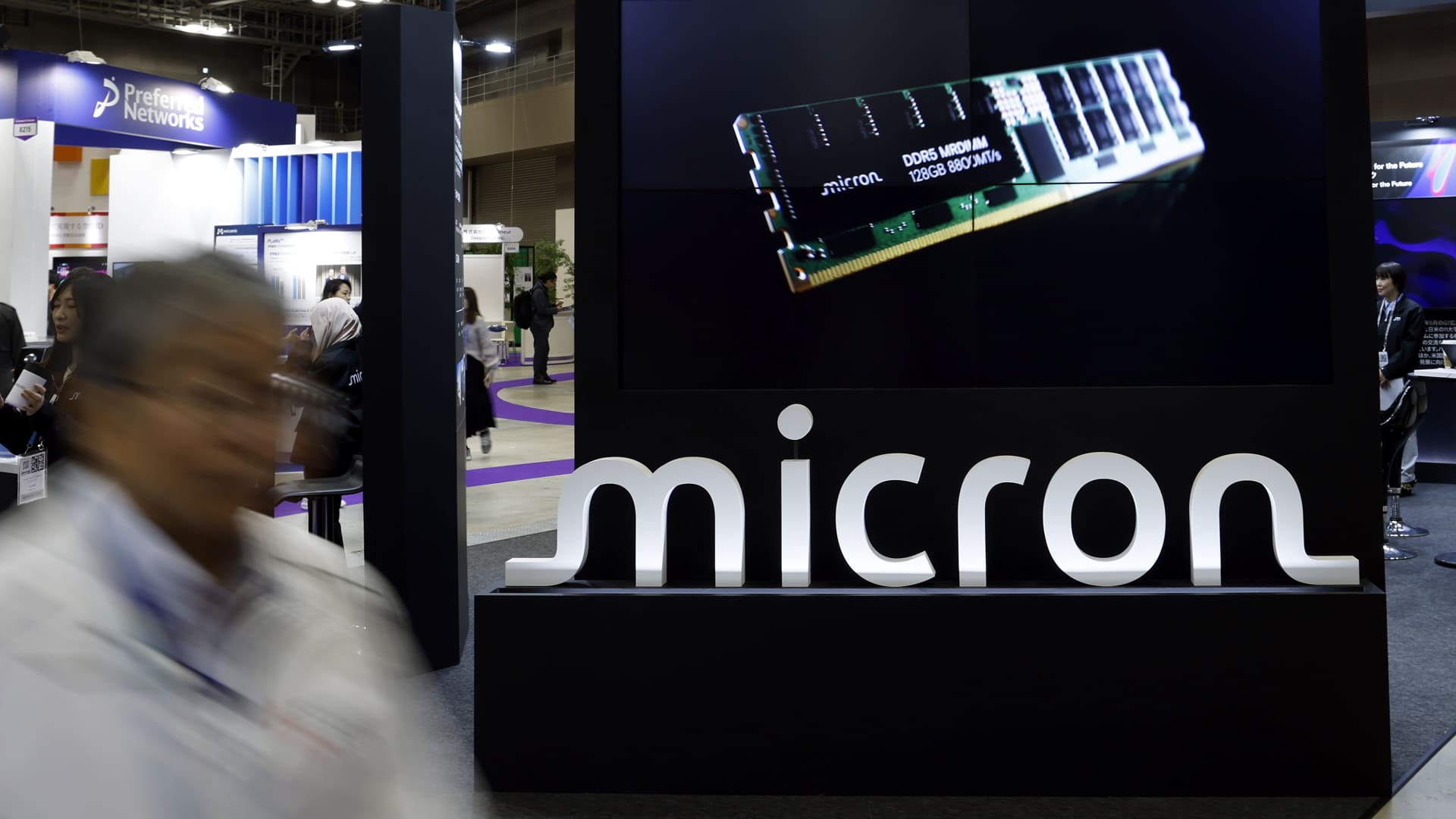
Roundhill Memory ETF DRAM Attracts Over $5 Billion in Investments


- Memory Supercycle: The Roundhill Memory ETF (DRAM) attracted over $5 billion in investments within a month, including $1.1 billion on Thursday alone, indicating strong market demand for memory stocks driven by surging AI computing needs.
- Core Holdings Performance: The ETF's core holdings feature leading memory manufacturers like SK Hynix, Micron, and Samsung, allowing investors to gain broad exposure to these high-growth companies, including those not listed on U.S. exchanges.
- Market Reaction: Micron's stock surged over 200 points in a week, climbing from $542 to $747, reflecting optimistic market expectations for memory product demand, with a price-to-earnings ratio of only 9 times projected earnings for the next 12 months, highlighting its appeal as a quality stock.
- Investment Opportunities: Despite waning interest in data center stocks, investors can still capitalize on potential gains in the memory and cooling sectors by purchasing instruments like the DRAM ETF, especially as major tech companies continue to invest heavily in data centers.
See More

Tech Stocks Propel S&P 500 Growth Amid AI Boom


- Surge in AI Infrastructure Investment: Tech giants like Amazon, Alphabet, Microsoft, and Meta plan to invest nearly $700 billion in AI infrastructure by 2026 to meet current customer commitments, which will drive future revenue growth for these companies.
- Strong Demand for Cloud Services: Amazon forecasts capital spending of $200 billion in 2023 to support its AWS customers, indicating that the cloud services market's ongoing expansion will yield substantial profits for the company.
- Valuation Discounts for AI Stocks: According to Morningstar, AI stocks are currently trading at their largest discount in seven years, attracting investor interest in the growth potential of these infrastructure companies, which is expected to boost market performance.
- Earnings Growth Expectations: Strong performances from Alphabet, Amazon, and Meta have pushed S&P 500 earnings growth to over 27%, the highest level since 2021, demonstrating the positive impact of AI technology on corporate profitability.
See More

Analyzing the Advantages of Invesco Nasdaq-100 ETF


- Cost Advantage: The Invesco Nasdaq-100 ETF charges 0.03% less than the Invesco QQQ Trust, meaning a $10,000 investment in QQQM would save about $3 annually, enhancing net returns for long-term investors.
- Portfolio Consistency: QQQM and QQQ share the same 102 holdings, including tech giants like Nvidia, Apple, and Microsoft, with QQQM achieving a slightly higher average annual return of 13.37% over the past five years compared to QQQ's 13.31%, indicating its competitive edge in long-term investments.
- Market Performance: Both QQQM and QQQ have risen over 13% year-to-date and gained more than 43% in the past year, outperforming the S&P 500 index, showcasing their strong market performance.
- Liquidity Differences: Although QQQM has lower liquidity with net assets of $82.9 billion and average trading volume of 4.1 million shares compared to QQQ's $440.3 billion and 59.8 million shares, this difference is not significant for most long-term investors, making QQQM a more cost-effective choice.
See More
Amazon Reports Triple-Digit AI Revenue Growth Amid E-Commerce Expansion
- AI Revenue Surge: Amazon's AI revenue has seen triple-digit growth, with CEO Andy Jassy noting that the rapid advancement of AI technology positions the company favorably for future market competition, as it plans to invest $200 billion in capital expenditures by 2026.
- E-Commerce Growth: Despite a large base, Amazon's e-commerce sales grew 12% year-over-year in Q1, with third-party sales up 14%, indicating strong market competitiveness, particularly with the addition of 600 notable brands.
- Delivery Speed Enhancement: Amazon has introduced one- and three-hour delivery options for over 90,000 items across more than 2,000 cities, significantly improving customer experience and driving sales growth, further solidifying its leadership in e-commerce.
- Advertising Business Boom: Advertising sales increased 24% year-over-year in Q1, with Amazon leveraging AI to assist advertisers in creating effective, low-cost campaigns, enhancing the competitiveness of its ad platform and attracting clients including Netflix.
See More
Emerging Markets ETF Gains 7% Year-to-Date
- Income Growth: The SPDR S&P Emerging Markets Dividend ETF (EDIV) has gained 7% year-to-date, with shares nearing $42 and an 18% rise over the past year, highlighting its strong performance in yield trades and attracting investor interest.
- Yield Structure: EDIV tracks 100 dividend-paying emerging market equities using a yield-weighted strategy, concentrating on high-yield stocks, which introduces higher country-specific risks but also provides the income profile investors seek.
- Improving Macro Environment: The VIX is near 17, down 28% over the past month, and the 10-year/2-year Treasury spread is at 0.49%, indicating a reduction in recession signals, with risk appetite returning and EDIV's quarterly distributions sharply increasing in 2025.
- Seasonal Distribution: Approximately 70% of EDIV's assets are concentrated in five countries, leading to significant seasonal distribution patterns, with the Q3 2025 payout expected to be $0.6592, indicating the stability of high-yield stocks and potential changes in future income streams.
See More
U.S. Stock Market Peaks Amid Iran News and Trump-Xi Summit Focus
- Market Peaks: The U.S. stock market is currently at historical highs, primarily driven by news regarding Iran and the upcoming Trump-Xi summit, indicating investor optimism about future economic policies.
- Buying Opportunities: Stocks like Apple, Nvidia, and Boeing are identified as being in buy zones, reflecting strong market confidence in these tech and aerospace giants, which could lead to further price increases.
- Policy Impact: The Trump-Xi meeting may influence U.S.-China trade relations, with investors closely monitoring potential policy changes to assess their impact on the market, particularly in the tech and manufacturing sectors.
- Investor Sentiment: Positive market sentiment prevails as investors eagerly anticipate upcoming economic data and policy statements, which could further drive stock market gains and enhance overall market stability.
See More
Roundhill Memory ETF DRAM Attracts Over $5 Billion in Investments
- Memory Supercycle: The Roundhill Memory ETF (DRAM) attracted over $5 billion in investments within a month, including $1.1 billion on Thursday alone, indicating strong market demand for memory stocks driven by surging AI computing needs.
- Core Holdings Performance: The ETF's core holdings feature leading memory manufacturers like SK Hynix, Micron, and Samsung, allowing investors to gain broad exposure to these high-growth companies, including those not listed on U.S. exchanges.
- Market Reaction: Micron's stock surged over 200 points in a week, climbing from $542 to $747, reflecting optimistic market expectations for memory product demand, with a price-to-earnings ratio of only 9 times projected earnings for the next 12 months, highlighting its appeal as a quality stock.
- Investment Opportunities: Despite waning interest in data center stocks, investors can still capitalize on potential gains in the memory and cooling sectors by purchasing instruments like the DRAM ETF, especially as major tech companies continue to invest heavily in data centers.
See More
Tech Stocks Propel S&P 500 Growth Amid AI Boom
- Surge in AI Infrastructure Investment: Tech giants like Amazon, Alphabet, Microsoft, and Meta plan to invest nearly $700 billion in AI infrastructure by 2026 to meet current customer commitments, which will drive future revenue growth for these companies.
- Strong Demand for Cloud Services: Amazon forecasts capital spending of $200 billion in 2023 to support its AWS customers, indicating that the cloud services market's ongoing expansion will yield substantial profits for the company.
- Valuation Discounts for AI Stocks: According to Morningstar, AI stocks are currently trading at their largest discount in seven years, attracting investor interest in the growth potential of these infrastructure companies, which is expected to boost market performance.
- Earnings Growth Expectations: Strong performances from Alphabet, Amazon, and Meta have pushed S&P 500 earnings growth to over 27%, the highest level since 2021, demonstrating the positive impact of AI technology on corporate profitability.
See More
Analyzing the Advantages of Invesco Nasdaq-100 ETF
- Cost Advantage: The Invesco Nasdaq-100 ETF charges 0.03% less than the Invesco QQQ Trust, meaning a $10,000 investment in QQQM would save about $3 annually, enhancing net returns for long-term investors.
- Portfolio Consistency: QQQM and QQQ share the same 102 holdings, including tech giants like Nvidia, Apple, and Microsoft, with QQQM achieving a slightly higher average annual return of 13.37% over the past five years compared to QQQ's 13.31%, indicating its competitive edge in long-term investments.
- Market Performance: Both QQQM and QQQ have risen over 13% year-to-date and gained more than 43% in the past year, outperforming the S&P 500 index, showcasing their strong market performance.
- Liquidity Differences: Although QQQM has lower liquidity with net assets of $82.9 billion and average trading volume of 4.1 million shares compared to QQQ's $440.3 billion and 59.8 million shares, this difference is not significant for most long-term investors, making QQQM a more cost-effective choice.
See More