Investment Comparison: Dutch Bros vs Sweetgreen
Written by Emily J. Thompson, Senior Investment Analyst
Updated: Jun 17 2026
0mins

Source: Fool
- Growth Rate Comparison: Dutch Bros aims to increase its locations from 1,200 to 2,029 by 2029, representing an annual growth rate of approximately 19%, showcasing its rapid expansion potential, while Sweetgreen has faced three consecutive quarters of revenue declines with an 11% drop in customer traffic.
- Profitability Differences: Dutch Bros boasts a gross margin of 25.01% and operates 72% of its locations, ensuring profitability, whereas Sweetgreen has incurred losses totaling $884 million over the past three years, indicating a fragile business model.
- Market Valuation Analysis: Although Dutch Bros trades at a high price-to-earnings ratio of 105, reflecting its premium valuation, its consistent growth and profitability make it attractive; in contrast, Sweetgreen's 71 times earnings ratio comes with expected losses in the next two years.
- Investor Sentiment: Analysts rate Dutch Bros as a
Trade with 70% Backtested Accuracy
Stop guessing "Should I Buy BROS?" and start using high-conviction signals backed by rigorous historical data.
Sign up today to access powerful investing tools and make smarter, data-driven decisions.
Analyst Views on BROS
Wall Street analysts forecast BROS stock price to rise
10 Analyst Rating
10 Buy
0 Hold
0 Sell
Strong Buy
Current: 68.090

Low
70.00
Averages
78.80
High
85.00
Current: 68.090
Low
70.00
Averages
78.80
High
85.00
About BROS
Dutch Bros Inc. is an operator and franchiser of drive-thru shops, which is focused on serving hand-crafted beverages. The Company sells a range of customizable hot, iced and blended beverages. The Company-operated shops segment includes retail coffee shop sales to end consumers. The Franchising and other segment includes bean and product sales to franchise partners, initial franchise fees, royalties, and marketing fees related to the franchise partners, as well as sales of products through its website. It also sells its proprietary coffee-based Freeze blended beverages and cold brew. Its proprietary Dutch Bros Rebel energy drink, which is customizable with flavors and modifiers and can be served blended or over ice. It also offers a variety of teas, lemonades, smoothies, and sodas offering caffeine-lite and caffeine-free beverages. The Company has approximately 1,177 shops, of which over 844 are operated by the Company and 333 are franchised, across 25 states.
About the author

Emily J. Thompson
Emily J. Thompson, a Chartered Financial Analyst (CFA) with 12 years in investment research, graduated with honors from the Wharton School. Specializing in industrial and technology stocks, she provides in-depth analysis for Intellectia’s earnings and market brief reports.
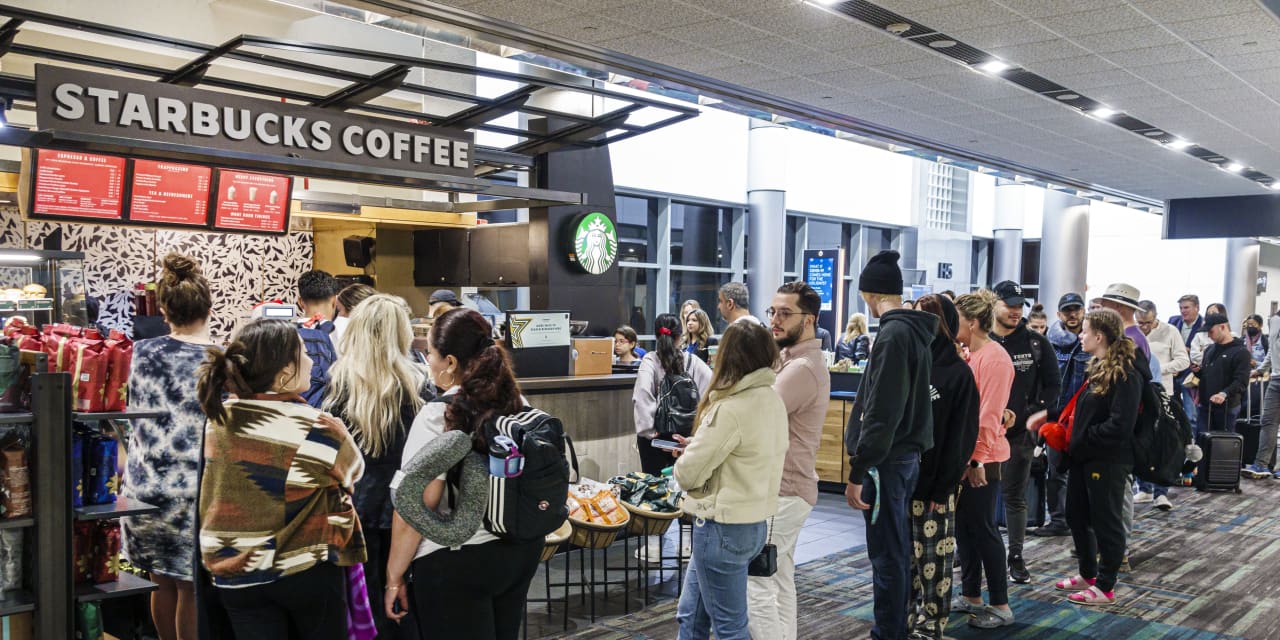
Dutch Bros Shows Steady Growth Amid Challenges


- Significant Revenue Growth: Dutch Bros achieved a 31% year-over-year revenue growth in the latest quarter, driven by new shop openings and an 8.3% increase in same-store sales, indicating balanced growth that enhances its market competitiveness.
- Upgraded Full-Year Guidance: Management raised its full-year revenue growth forecast to 25%-27%, plans to open at least 185 new locations, and expects same-store sales growth of 4%-6%, demonstrating confidence in future growth and effective strategic planning.
- Brand Culture and Employee Passion: Dutch Bros emphasizes friendly customer interactions and promotes new shop operators from within, which is seen as a vital factor for long-term success, particularly in the highly competitive restaurant industry.
- Significant Expansion Potential: As of March 31, 2026, Dutch Bros operates 1,177 shops across 25 states, targeting 2,029 shops by 2029, with a careful location scouting and clustering strategy that lays the groundwork for billions in annual revenue.
See More

Dutch Bros: Strong Growth and Brand Resilience
- Brand Resilience: Dutch Bros' stock recently surged to $74.65, reflecting a 31% year-over-year growth driven by new shop openings and an 8.3% same-store sales increase, showcasing the brand's strength amid economic headwinds, with management raising full-year revenue and profitability guidance to expect a 25% to 27% increase.
- Cultural Drive: The company emphasizes friendly interactions between employees and customers, with many operators tattooing the brand on themselves, creating a passionate culture that serves as a unique advantage in the competitive beverage market, contributing to sustained financial growth and indicating strong potential for success in the restaurant industry.
- Profitable Expansion Strategy: As of March 31, 2026, Dutch Bros operates 1,177 shops across 25 states, targeting 2,029 locations by 2029, with management employing careful site selection and clustering strategies to establish a foundation for billions in annual revenue through high daily sales volume.
- Financial Performance: Despite a forward P/E ratio of 76, the company has seen steady net income growth since mid-2023, generating $118 million in net income on $1.75 billion in revenue over the trailing 12 months, indicating strong profitability potential in its early expansion phase, with a price-to-sales ratio of 5.3 aligning with industry standards.
See More

Growth Potential Analysis of Axon, Dutch Bros, and MercadoLibre

- Axon Platform Advantage: Axon's AI-driven defense platform surpassed 1 million customers in Q1 2026, with Taser devices used every 30 seconds, and management believes it contributed to a 10% reduction in gun-related deaths, highlighting its strategic importance in public safety.
- Dutch Bros Expansion Plan: Dutch Bros aims to increase its store count from 1,000 to 2,029 by 2029, which is expected to significantly boost revenue; same-store sales grew 8.4% in Q1 2026, demonstrating strong performance amid economic pressures.
- MercadoLibre Market Leadership: MercadoLibre achieved a 49% revenue growth in Q1 2026, with GMV rising 42%, underscoring its dominance in the Latin American e-commerce market, particularly in underpenetrated regions, indicating substantial future growth potential.
- Industry Trends and Investment Opportunities: With advancements in AI technology, Axon, Dutch Bros, and MercadoLibre are all showcasing strong growth potential in their respective fields, making them attractive options for investors to monitor moving forward.
See More
Market Sees Best Quarter in Six Years Driven by AI and Chip Stocks
- Market Performance: The S&P 500 rose 14% and the Nasdaq-100 surged 26%, marking the best quarter in six years, reflecting strong investor confidence in AI and chip stocks, which could attract more capital into the market.
- Axon Enterprise Growth: In Q1 2026, Axon reported a 34% year-over-year revenue increase, with SaaS revenue up 35% and a net revenue retention rate of 125%, underscoring its strong market position and profitability in the law enforcement sector.
- Dutch Bros Expansion Plans: Dutch Bros aims to increase its store count from 1,000 to 2,029 by 2029, which could lead to significant revenue growth, while same-store sales grew 8.4% in Q1 2026, demonstrating resilience in a competitive coffee market.
- MercadoLibre Sustained Growth: MercadoLibre's revenue increased by 49% year-over-year in Q1 2026, with total payment volume rising 50%, solidifying its dominance in the Latin American e-commerce market, and it is poised to leverage AI and data analytics for further market expansion.
See More
Market Sees Best Quarter in Six Years
- Market Performance: The S&P 500 rose 14% and the Nasdaq-100 surged 26%, indicating a robust market recovery driven by advancements in artificial intelligence, which could attract more capital inflows and bolster investor confidence.
- Axon Enterprise Growth: In Q1 2026, Axon reported a 34% year-over-year revenue increase, with SaaS revenue up 35%, reflecting strong demand for its products in U.S. law enforcement, which is expected to further enhance profitability.
- Dutch Bros Expansion Plans: Dutch Bros aims to increase its store count from 1,000 to 2,029 by 2029, which could significantly boost revenue, while same-store sales grew 8.4% in Q1, showcasing its strong performance in a competitive coffee market.
- MercadoLibre Sustained Growth: MercadoLibre achieved a 49% year-over-year revenue increase in Q1 2026, with total payment volume rising 50%, underscoring its dominant position in Latin America's e-commerce and fintech sectors, indicating substantial future growth potential.
See More
Investment Choices: Comparing Dutch Bros and Starbucks

- Starbucks Market Position: Starbucks operates over 41,000 locations globally, generating $9.5 billion in revenue in Q2 2026, with same-store sales rising 6.2%, indicating its strong influence in the coffee market, though growth potential is limited.
- Dutch Bros Growth Potential: With approximately 1,200 locations in the U.S., Dutch Bros opened 41 new stores in Q1 2026, achieving a 16% year-over-year increase in locations, showcasing its robust expansion momentum and potential for greater market share.
- Chipotle Value Investment: Chipotle has around 4,100 locations globally, and despite a modest 0.5% same-store sales growth in Q1, overall sales increased by 7%, indicating growth potential even in challenging times, making it a suitable pairing with Dutch Bros for investment.
- Diversity in Asset Allocation: Opting to invest in both Dutch Bros and Chipotle instead of solely in Starbucks allows for portfolio diversification, combining growth and value investments, thereby optimizing the efficiency of capital allocation.
See More
Dutch Bros Shows Steady Growth Amid Challenges
- Significant Revenue Growth: Dutch Bros achieved a 31% year-over-year revenue growth in the latest quarter, driven by new shop openings and an 8.3% increase in same-store sales, indicating balanced growth that enhances its market competitiveness.
- Upgraded Full-Year Guidance: Management raised its full-year revenue growth forecast to 25%-27%, plans to open at least 185 new locations, and expects same-store sales growth of 4%-6%, demonstrating confidence in future growth and effective strategic planning.
- Brand Culture and Employee Passion: Dutch Bros emphasizes friendly customer interactions and promotes new shop operators from within, which is seen as a vital factor for long-term success, particularly in the highly competitive restaurant industry.
- Significant Expansion Potential: As of March 31, 2026, Dutch Bros operates 1,177 shops across 25 states, targeting 2,029 shops by 2029, with a careful location scouting and clustering strategy that lays the groundwork for billions in annual revenue.
See More
Dutch Bros: Strong Growth and Brand Resilience
- Brand Resilience: Dutch Bros' stock recently surged to $74.65, reflecting a 31% year-over-year growth driven by new shop openings and an 8.3% same-store sales increase, showcasing the brand's strength amid economic headwinds, with management raising full-year revenue and profitability guidance to expect a 25% to 27% increase.
- Cultural Drive: The company emphasizes friendly interactions between employees and customers, with many operators tattooing the brand on themselves, creating a passionate culture that serves as a unique advantage in the competitive beverage market, contributing to sustained financial growth and indicating strong potential for success in the restaurant industry.
- Profitable Expansion Strategy: As of March 31, 2026, Dutch Bros operates 1,177 shops across 25 states, targeting 2,029 locations by 2029, with management employing careful site selection and clustering strategies to establish a foundation for billions in annual revenue through high daily sales volume.
- Financial Performance: Despite a forward P/E ratio of 76, the company has seen steady net income growth since mid-2023, generating $118 million in net income on $1.75 billion in revenue over the trailing 12 months, indicating strong profitability potential in its early expansion phase, with a price-to-sales ratio of 5.3 aligning with industry standards.
See More
Growth Potential Analysis of Axon, Dutch Bros, and MercadoLibre
- Axon Platform Advantage: Axon's AI-driven defense platform surpassed 1 million customers in Q1 2026, with Taser devices used every 30 seconds, and management believes it contributed to a 10% reduction in gun-related deaths, highlighting its strategic importance in public safety.
- Dutch Bros Expansion Plan: Dutch Bros aims to increase its store count from 1,000 to 2,029 by 2029, which is expected to significantly boost revenue; same-store sales grew 8.4% in Q1 2026, demonstrating strong performance amid economic pressures.
- MercadoLibre Market Leadership: MercadoLibre achieved a 49% revenue growth in Q1 2026, with GMV rising 42%, underscoring its dominance in the Latin American e-commerce market, particularly in underpenetrated regions, indicating substantial future growth potential.
- Industry Trends and Investment Opportunities: With advancements in AI technology, Axon, Dutch Bros, and MercadoLibre are all showcasing strong growth potential in their respective fields, making them attractive options for investors to monitor moving forward.
See More
Market Sees Best Quarter in Six Years Driven by AI and Chip Stocks
- Market Performance: The S&P 500 rose 14% and the Nasdaq-100 surged 26%, marking the best quarter in six years, reflecting strong investor confidence in AI and chip stocks, which could attract more capital into the market.
- Axon Enterprise Growth: In Q1 2026, Axon reported a 34% year-over-year revenue increase, with SaaS revenue up 35% and a net revenue retention rate of 125%, underscoring its strong market position and profitability in the law enforcement sector.
- Dutch Bros Expansion Plans: Dutch Bros aims to increase its store count from 1,000 to 2,029 by 2029, which could lead to significant revenue growth, while same-store sales grew 8.4% in Q1 2026, demonstrating resilience in a competitive coffee market.
- MercadoLibre Sustained Growth: MercadoLibre's revenue increased by 49% year-over-year in Q1 2026, with total payment volume rising 50%, solidifying its dominance in the Latin American e-commerce market, and it is poised to leverage AI and data analytics for further market expansion.
See More
Market Sees Best Quarter in Six Years
- Market Performance: The S&P 500 rose 14% and the Nasdaq-100 surged 26%, indicating a robust market recovery driven by advancements in artificial intelligence, which could attract more capital inflows and bolster investor confidence.
- Axon Enterprise Growth: In Q1 2026, Axon reported a 34% year-over-year revenue increase, with SaaS revenue up 35%, reflecting strong demand for its products in U.S. law enforcement, which is expected to further enhance profitability.
- Dutch Bros Expansion Plans: Dutch Bros aims to increase its store count from 1,000 to 2,029 by 2029, which could significantly boost revenue, while same-store sales grew 8.4% in Q1, showcasing its strong performance in a competitive coffee market.
- MercadoLibre Sustained Growth: MercadoLibre achieved a 49% year-over-year revenue increase in Q1 2026, with total payment volume rising 50%, underscoring its dominant position in Latin America's e-commerce and fintech sectors, indicating substantial future growth potential.
See More
Investment Choices: Comparing Dutch Bros and Starbucks
- Starbucks Market Position: Starbucks operates over 41,000 locations globally, generating $9.5 billion in revenue in Q2 2026, with same-store sales rising 6.2%, indicating its strong influence in the coffee market, though growth potential is limited.
- Dutch Bros Growth Potential: With approximately 1,200 locations in the U.S., Dutch Bros opened 41 new stores in Q1 2026, achieving a 16% year-over-year increase in locations, showcasing its robust expansion momentum and potential for greater market share.
- Chipotle Value Investment: Chipotle has around 4,100 locations globally, and despite a modest 0.5% same-store sales growth in Q1, overall sales increased by 7%, indicating growth potential even in challenging times, making it a suitable pairing with Dutch Bros for investment.
- Diversity in Asset Allocation: Opting to invest in both Dutch Bros and Chipotle instead of solely in Starbucks allows for portfolio diversification, combining growth and value investments, thereby optimizing the efficiency of capital allocation.
See More