Intuitive Machines (LUNR) Shares Surge on NASA Contract Wins
Written by Emily J. Thompson, Senior Investment Analyst
Updated: Jan 27 2025
0mins
Should l Buy LUNR?
Source: TipRanks
Intuitive Machines Secures NASA Contracts: Intuitive Machines has secured over $4.8 billion in new contracts with NASA to enhance lunar logistics, surface cargo handling, and direct-to-Earth capabilities, positioning the company for significant growth in space exploration technologies.
Stock Performance and Analyst Ratings: The company's stock has surged over 650% this year, with analysts maintaining a bullish outlook, including a recent price target increase to $26, reflecting strong investor interest in the burgeoning space exploration sector.
Trade with 70% Backtested Accuracy
Stop guessing "Should I Buy LUNR?" and start using high-conviction signals backed by rigorous historical data.
Sign up today to access powerful investing tools and make smarter, data-driven decisions.
Analyst Views on LUNR
Wall Street analysts forecast LUNR stock price to rise
10 Analyst Rating
8 Buy
1 Hold
1 Sell
Moderate Buy
Current: 17.520

Low
9.50
Averages
17.74
High
25.00
Current: 17.520
Low
9.50
Averages
17.74
High
25.00
About LUNR
Intuitive Machines, Inc. is a space technology, infrastructure, and services company. It is a provider and supplier of space products and services that enable sustained robotic and human exploration to the Moon, Mars, and beyond. Its services include delivery services, data transmission services, and infrastructure as a service. Its delivery services provide transportation and delivery of payloads, such as satellites, scientific instruments and cargo to various destinations in space, in addition to rideshare delivery and lunar surface access. Its data transmission services offerings include the collection, processing, and interpretation of space-based data, utilizing applications, such as command, control, communications, reconnaissance and prospecting. Its infrastructure as a service delivers space assets, performing tasks and making decisions without human intervention that are designed to perform essential functions, such as navigation, scientific data collection, and others.
About the author

Emily J. Thompson
Emily J. Thompson, a Chartered Financial Analyst (CFA) with 12 years in investment research, graduated with honors from the Wharton School. Specializing in industrial and technology stocks, she provides in-depth analysis for Intellectia’s earnings and market brief reports.

NASA Revamps Space Exploration Plans Under Jared Isaacman


- Artemis Program Relaunch: NASA is set to implement the Artemis program over the next five years, with phase one costing $10 billion and involving at least 30 robotic lunar missions, culminating in a crewed moon landing in 2028, marking a significant return to lunar exploration for the U.S.
- Private Space Station Development: NASA plans to support private companies in building commercial space stations, with a government-owned core module to be attached to the existing International Space Station, ensuring safety before allowing independent operations, thus advancing the commercialization of low Earth orbit.
- Nuclear Spacecraft Initiative: NASA aims to launch the first nuclear-powered interplanetary spacecraft, Space Reactor-1 Freedom, in 2028, equipped with a 25-kilowatt nuclear reactor to explore Mars, showcasing NASA's innovative direction in space technology.
- International Collaboration and Infrastructure: In phases two and three of the Artemis program, NASA will collaborate with international partners to build lunar infrastructure, with total costs projected to reach $20 billion, laying a solid foundation for future lunar exploration.
See More
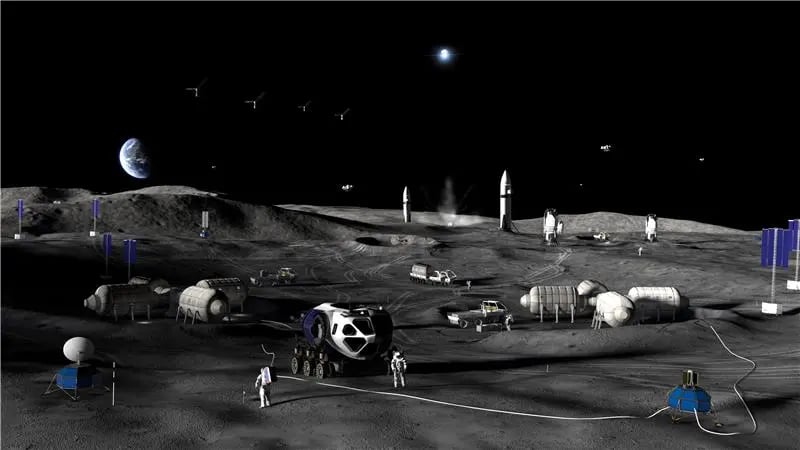
NASA's New Plans: Returning to the Moon and Exploring Mars
- Artemis Program Relaunch: NASA's new Artemis project is divided into three phases, with the first phase aiming to land two astronauts on the moon by 2028 at an estimated total cost of $20 billion, marking a significant return for the U.S. in space exploration.
- Robotic Mission Expansion: In phase one, NASA will conduct at least 30 robotic missions, utilizing Intuitive Machines' Nova-D lander for cargo delivery and equipment testing, supporting future lunar base construction and further advancing commercial space endeavors.
- International Space Station Plans: NASA will continue to support the construction of private commercial space stations, planning to attach a government-owned core module to the existing ISS to ensure safety and facilitate the formation of independent space stations, demonstrating ongoing commitment to low Earth orbit.
- Mars Exploration New Power: NASA plans to launch the first nuclear-powered interplanetary spacecraft, Space Reactor-1 Freedom, in 2028, carrying a 25-kilowatt nuclear reactor to Mars to deliver multiple drones for exploration, representing a significant advancement in space exploration technology.
See More
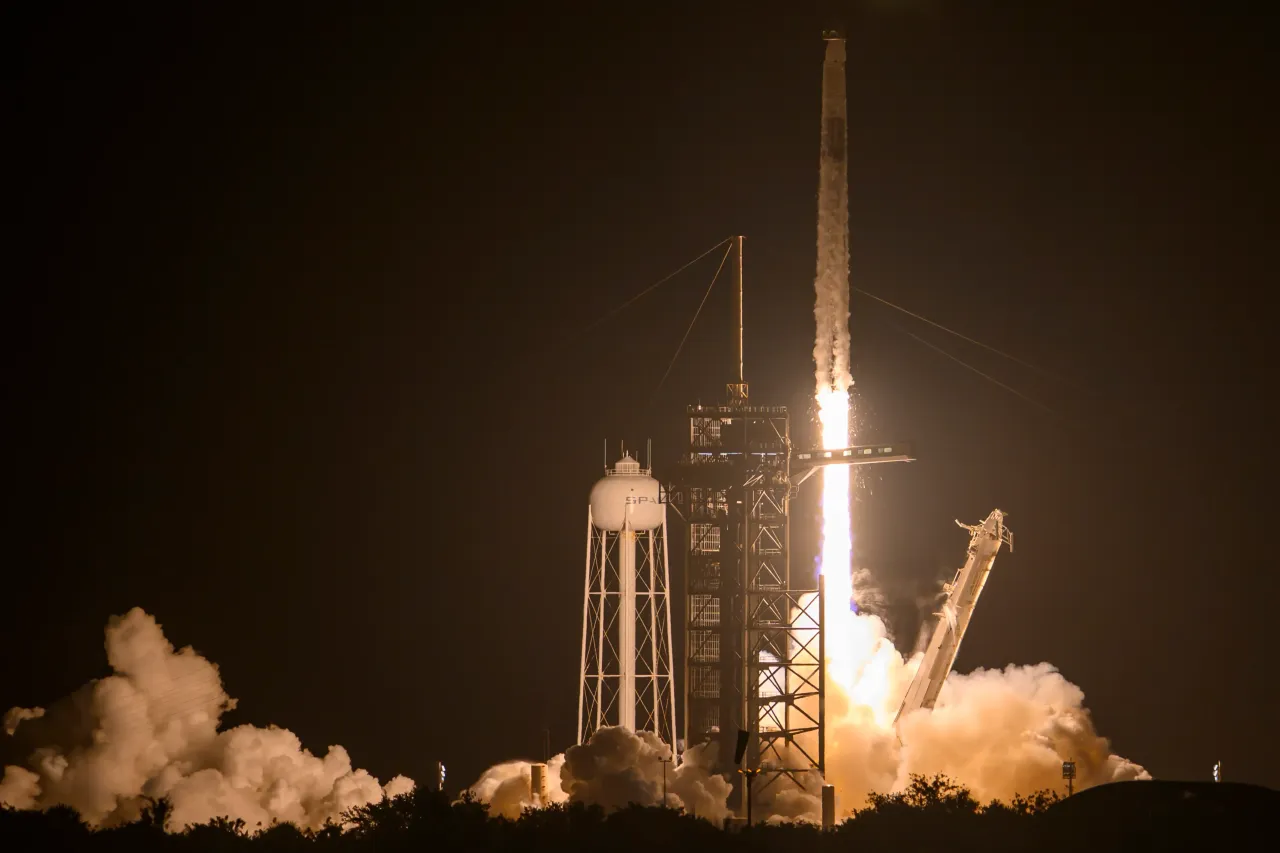
Lunar Base Plans Propel Space Industry Growth

- Moon as Testing Ground: NASA Administrator Jared Isaacman stated that the Moon will serve as a proving ground for producing rocket fuel from lunar water and ice, emphasizing that the long-term goal is to establish a sustained presence rather than just leaving footprints.
- Artemis Program Goals: NASA's Artemis strategy aims to expand cargo missions and establish sustained lunar infrastructure by 2028, which is expected to drive rising demand for lunar logistics, spacecraft infrastructure, and space communications platforms.
- SpaceX IPO Expectations: SpaceX is targeting a June IPO that could raise over $75 billion, potentially surpassing the total raised by all U.S. listings last year, further fueling investor enthusiasm in the space sector.
- Market Reactions: Despite declines in shares of Intuitive Machines and Rocket Lab, sentiment around space stocks remains positive, particularly for LUNR, which is viewed as “extremely bullish,” reflecting investor confidence in the future of the aerospace industry.
See More
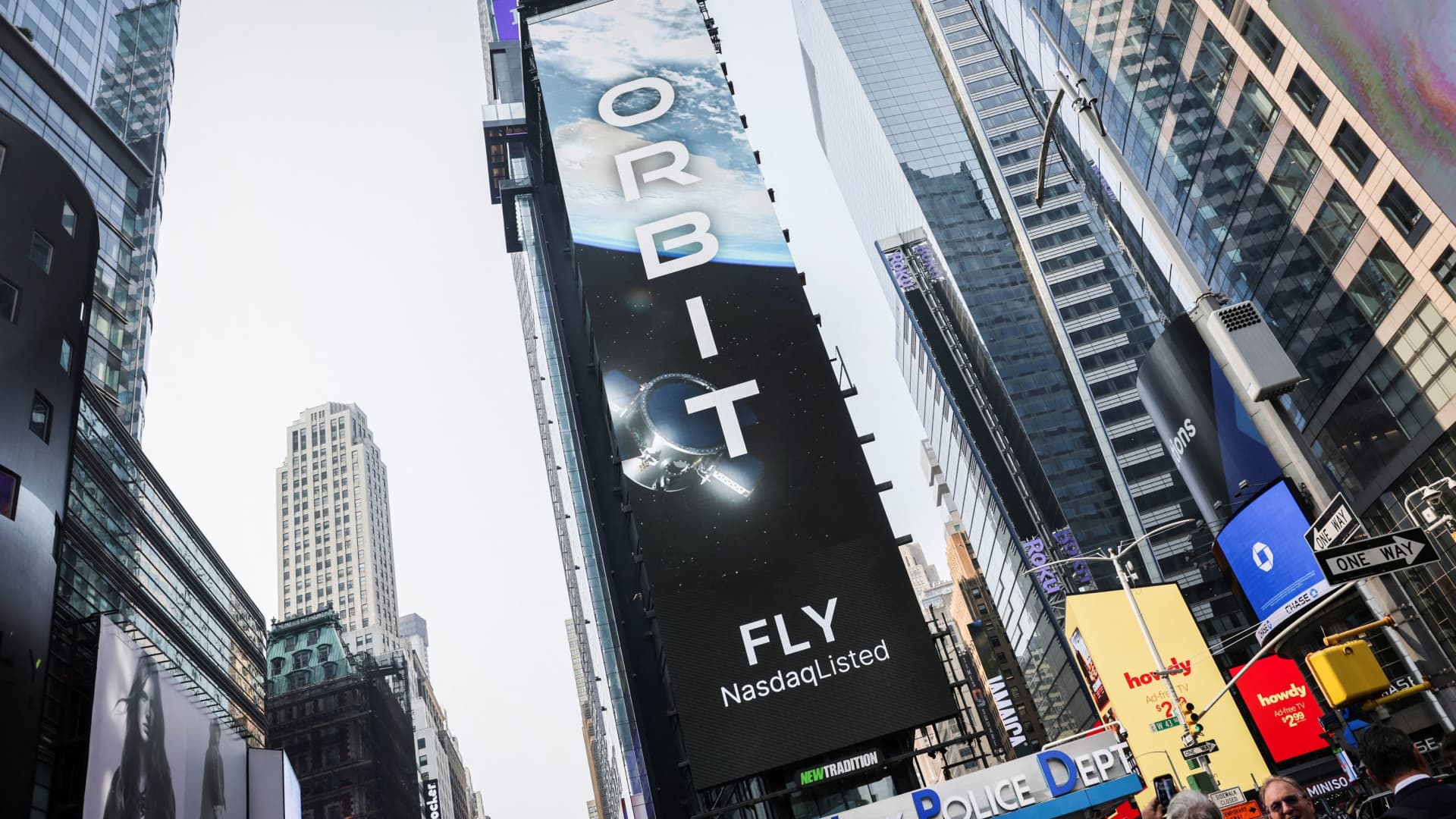
SpaceX IPO Could Become the Largest Ever

- Positive Market Reaction: Space stocks surged on Wednesday following reports that SpaceX could file for an IPO this week, with Firefly Aerospace rising 14% since its August debut, indicating strong investor interest in the space sector.
- Massive IPO Potential: The highly anticipated SpaceX IPO is expected to raise over $75 billion, potentially becoming the largest IPO in history with a target valuation of $1.75 trillion, reflecting market confidence in its future growth.
- Accelerated Industry Consolidation: SpaceX's acquisition of Musk's xAI last month, valuing the combined entity at $1.25 trillion, highlights its strategic focus on integrating AI and space technologies, which may drive innovation and competition in the market.
- Rising Demand for Space Infrastructure: The space sector is benefiting from increased demand for AI infrastructure and national defense initiatives, despite challenges such as high costs and limited launch availability, suggesting a positive outlook for the industry.
See More

NASA Unveils $20 Billion Moon Base Plan
- NASA Moon Base Initiative: NASA has announced a $20 billion investment to establish an American moon base by 2032, marking its largest project since the Apollo missions, which is expected to drive advancements in related technologies and industries.
- SpaceX IPO Rumors: SpaceX may file its IPO prospectus this week or next, potentially raising $75 billion and valuing the company at over $1.75 trillion, which is likely to further excite space investors and boost market sentiment.
- AST SpaceMobile Stock Surge: Following the positive news from NASA and SpaceX, AST SpaceMobile's stock soared 12% on Wednesday, reflecting the market's optimism about the space sector, despite its limited direct connection to the moon base initiative.
- Contract Competition Impact: NASA has awarded a $4.8 billion Near Space Network contract to Intuitive Machines, which may limit AST SpaceMobile's prospects in lunar communications, prompting investors to carefully assess the company's market potential.
See More
AST SpaceMobile Stock Soars on Positive Space News
- Stock Surge: AST SpaceMobile's stock surged 12% on Wednesday, reaching $10.02 per share, driven by positive sentiment in the space sector, indicating strong investor interest in space stocks.
- SpaceX IPO Rumors: Rumors that SpaceX may file for an IPO this week or next have sparked market excitement, with expected fundraising of $75 billion and a valuation exceeding $1.75 trillion, boosting confidence across the entire space industry.
- NASA Moon Base Plan: NASA's announcement of a $20 billion investment to establish an American moon base by 2032 is seen as the largest project since the Apollo missions, although its direct impact on AST SpaceMobile is limited, it enhances the overall industry outlook.
- Increased Market Competition: While AST SpaceMobile has potential in space communications, the $4.8 billion Near Space Network contract has already been awarded to Intuitive Machines by NASA, indicating competitive pressures that may affect AST's strategic development in the lunar communication market.
See More
NASA Revamps Space Exploration Plans Under Jared Isaacman
- Artemis Program Relaunch: NASA is set to implement the Artemis program over the next five years, with phase one costing $10 billion and involving at least 30 robotic lunar missions, culminating in a crewed moon landing in 2028, marking a significant return to lunar exploration for the U.S.
- Private Space Station Development: NASA plans to support private companies in building commercial space stations, with a government-owned core module to be attached to the existing International Space Station, ensuring safety before allowing independent operations, thus advancing the commercialization of low Earth orbit.
- Nuclear Spacecraft Initiative: NASA aims to launch the first nuclear-powered interplanetary spacecraft, Space Reactor-1 Freedom, in 2028, equipped with a 25-kilowatt nuclear reactor to explore Mars, showcasing NASA's innovative direction in space technology.
- International Collaboration and Infrastructure: In phases two and three of the Artemis program, NASA will collaborate with international partners to build lunar infrastructure, with total costs projected to reach $20 billion, laying a solid foundation for future lunar exploration.
See More
NASA's New Plans: Returning to the Moon and Exploring Mars
- Artemis Program Relaunch: NASA's new Artemis project is divided into three phases, with the first phase aiming to land two astronauts on the moon by 2028 at an estimated total cost of $20 billion, marking a significant return for the U.S. in space exploration.
- Robotic Mission Expansion: In phase one, NASA will conduct at least 30 robotic missions, utilizing Intuitive Machines' Nova-D lander for cargo delivery and equipment testing, supporting future lunar base construction and further advancing commercial space endeavors.
- International Space Station Plans: NASA will continue to support the construction of private commercial space stations, planning to attach a government-owned core module to the existing ISS to ensure safety and facilitate the formation of independent space stations, demonstrating ongoing commitment to low Earth orbit.
- Mars Exploration New Power: NASA plans to launch the first nuclear-powered interplanetary spacecraft, Space Reactor-1 Freedom, in 2028, carrying a 25-kilowatt nuclear reactor to Mars to deliver multiple drones for exploration, representing a significant advancement in space exploration technology.
See More
Lunar Base Plans Propel Space Industry Growth
- Moon as Testing Ground: NASA Administrator Jared Isaacman stated that the Moon will serve as a proving ground for producing rocket fuel from lunar water and ice, emphasizing that the long-term goal is to establish a sustained presence rather than just leaving footprints.
- Artemis Program Goals: NASA's Artemis strategy aims to expand cargo missions and establish sustained lunar infrastructure by 2028, which is expected to drive rising demand for lunar logistics, spacecraft infrastructure, and space communications platforms.
- SpaceX IPO Expectations: SpaceX is targeting a June IPO that could raise over $75 billion, potentially surpassing the total raised by all U.S. listings last year, further fueling investor enthusiasm in the space sector.
- Market Reactions: Despite declines in shares of Intuitive Machines and Rocket Lab, sentiment around space stocks remains positive, particularly for LUNR, which is viewed as “extremely bullish,” reflecting investor confidence in the future of the aerospace industry.
See More
SpaceX IPO Could Become the Largest Ever
- Positive Market Reaction: Space stocks surged on Wednesday following reports that SpaceX could file for an IPO this week, with Firefly Aerospace rising 14% since its August debut, indicating strong investor interest in the space sector.
- Massive IPO Potential: The highly anticipated SpaceX IPO is expected to raise over $75 billion, potentially becoming the largest IPO in history with a target valuation of $1.75 trillion, reflecting market confidence in its future growth.
- Accelerated Industry Consolidation: SpaceX's acquisition of Musk's xAI last month, valuing the combined entity at $1.25 trillion, highlights its strategic focus on integrating AI and space technologies, which may drive innovation and competition in the market.
- Rising Demand for Space Infrastructure: The space sector is benefiting from increased demand for AI infrastructure and national defense initiatives, despite challenges such as high costs and limited launch availability, suggesting a positive outlook for the industry.
See More
NASA Unveils $20 Billion Moon Base Plan
- NASA Moon Base Initiative: NASA has announced a $20 billion investment to establish an American moon base by 2032, marking its largest project since the Apollo missions, which is expected to drive advancements in related technologies and industries.
- SpaceX IPO Rumors: SpaceX may file its IPO prospectus this week or next, potentially raising $75 billion and valuing the company at over $1.75 trillion, which is likely to further excite space investors and boost market sentiment.
- AST SpaceMobile Stock Surge: Following the positive news from NASA and SpaceX, AST SpaceMobile's stock soared 12% on Wednesday, reflecting the market's optimism about the space sector, despite its limited direct connection to the moon base initiative.
- Contract Competition Impact: NASA has awarded a $4.8 billion Near Space Network contract to Intuitive Machines, which may limit AST SpaceMobile's prospects in lunar communications, prompting investors to carefully assess the company's market potential.
See More
AST SpaceMobile Stock Soars on Positive Space News
- Stock Surge: AST SpaceMobile's stock surged 12% on Wednesday, reaching $10.02 per share, driven by positive sentiment in the space sector, indicating strong investor interest in space stocks.
- SpaceX IPO Rumors: Rumors that SpaceX may file for an IPO this week or next have sparked market excitement, with expected fundraising of $75 billion and a valuation exceeding $1.75 trillion, boosting confidence across the entire space industry.
- NASA Moon Base Plan: NASA's announcement of a $20 billion investment to establish an American moon base by 2032 is seen as the largest project since the Apollo missions, although its direct impact on AST SpaceMobile is limited, it enhances the overall industry outlook.
- Increased Market Competition: While AST SpaceMobile has potential in space communications, the $4.8 billion Near Space Network contract has already been awarded to Intuitive Machines by NASA, indicating competitive pressures that may affect AST's strategic development in the lunar communication market.
See More