Insider Trades Appear to Send Strong Signals—But the Details Tell a Different Story


Insider Trading Trends: Recent insider trading activities at Broadcom and AppLovin show significant sales, with insiders selling approximately $88 million and $160 million in shares, respectively, raising concerns about potential bearish signals in the market.
Reasons for Sales: The sales by Broadcom insiders are primarily attributed to tax obligations related to restricted stock units (RSUs), while AppLovin's sales have been linked to a decline in stock value, which has fallen nearly 40% from its 52-week high.
Market Context: Despite the large volume of insider selling, the context suggests that these transactions may not necessarily indicate a lack of confidence in the companies, as they are often tied to tax strategies and scheduled sales rather than negative outlooks.
Company Performance: Both companies are facing challenges, with Broadcom experiencing significant insider selling and AppLovin struggling with a substantial drop in stock price, which has been exacerbated by ongoing issues in the mobile gaming sector.
Trade with 70% Backtested Accuracy
Analyst Views on AVGO

About AVGO
About the author

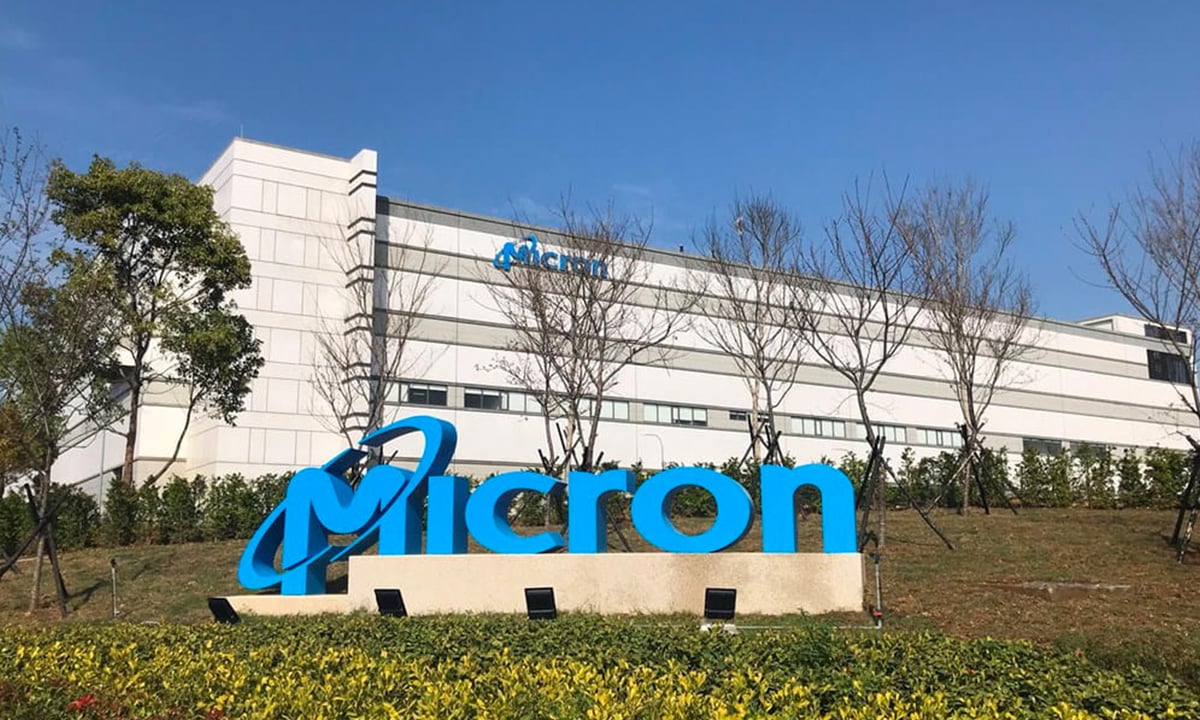
Micron Technology: Potential in the AI Memory Market


- Surging AI Memory Demand: Accelerating investments in AI infrastructure are fueling explosive demand for DRAM and NAND chips, with the HBM market expected to reach $100 billion by 2028, highlighting Micron's unique positioning in this sector.
- Enhanced Financial Flexibility: By cleaning up its balance sheet, Micron has stabilized cash flow, reducing reliance on heavy borrowing or issuing new shares, which allows for continued investment in new manufacturing capabilities and strengthens its market competitiveness.
- Diverse Customer Base: Micron's marquee customers include tech giants like Nvidia, along with steady consumer buyers in automotive, manufacturing, and consumer electronics, providing a cushion against volatility in any single market segment.
- Industry Cycle Risks: While Micron has a promising outlook in the AI memory market, vigilance is required regarding cyclical fluctuations and potential economic slowdowns, as an influx of competitors could lead to price declines and impact profit margins.

Nasdaq Correction Hits AI Chip Stocks, Micron Positioned for Rebound
- Growing Market Demand: As the AI revolution progresses, Micron's high-bandwidth memory (HBM) market is projected to exceed $100 billion by 2028, indicating strong growth potential, particularly amid surging demand for AI infrastructure.
- Improved Financial Health: By cleaning up its balance sheet and generating steady cash flow, Micron has reduced reliance on new share issuance and heavy borrowing, enhancing its investment flexibility in new manufacturing capabilities, which is expected to drive future sales and profit growth.
- Diverse Customer Base: Micron's marquee customers include major tech firms like Nvidia, along with stable consumer buyers in automotive, manufacturing, and consumer electronics, providing a cushion against risks associated with fluctuations in any single market.
- Industry Risk Warning: Despite Micron's competitive edge in the AI memory market, the cyclical nature of the industry and macroeconomic uncertainties remain, as any production delays or demand pullbacks could pressure its margins.

Stock Markets Decline Amid Soaring Oil Prices and Geopolitical Tensions


- Oil Price Surge Impacts Markets: The S&P 500 index fell 0.24%, the Dow Jones Industrial Average dropped 0.01%, and the Nasdaq 100 index declined 0.31% on Monday as WTI crude prices surged over 6%, indicating market sensitivity to rising energy costs amid geopolitical tensions.
- Geopolitical Risks Escalate: The closure of the Strait of Hormuz by Iran has raised market concerns, especially following U.S. Navy actions against Iranian tankers, which could exacerbate global oil and fuel shortages, further unsettling investor sentiment.
- Earnings Season Continues: So far, 81% of the 48 S&P 500 companies that reported earnings exceeded expectations, with Q1 earnings projected to rise 12% year-over-year; however, excluding the tech sector, growth is only expected at 3%, highlighting signs of economic weakness.
- Airline Stocks Under Pressure: Airline stocks retreated as rising oil prices weighed on profits, with American Airlines and Alaska Air both down over 4%, reflecting the direct impact of fuel costs on company earnings and potential downward revisions in future profit expectations.

Marvell Technology Partners with Google on AI Chip Development


- Stock Price Surge: Marvell Technology closed at $147.84 on Monday, up 5.83%, primarily driven by news of talks with Google for co-developing custom AI chips, reflecting market optimism about its future growth potential.
- Volume Spike: The company's trading volume reached 38.7 million shares, approximately 87% above its three-month average of 20.7 million shares, indicating strong investor interest in potential AI data center design wins.
- Strategic Partnership Outlook: The collaboration with Google includes developing a memory processing unit and a new TPU architecture aimed at improving AI model efficiency, which could translate into multi-year, high-margin revenue streams, enhancing Marvell's position in the custom silicon supply chain.
- Cautious Market Reaction: Despite rapidly building expectations around potential design wins, firms like JPMorgan have expressed skepticism about whether Marvell has secured TPU-related business, suggesting investors should monitor future developments for confirmed production commitments.

Marvell Technology Stock Rises 5.63% on AI Chip Development Talks with Google
- Stock Price Surge: Marvell Technology's stock rose by 5.63% to close at $147.84, primarily driven by news of potential collaboration with Google on custom AI chips, reflecting optimistic market expectations for the company's future growth.
- Volume Spike: The trading volume reached 38.7 million shares, approximately 87% higher than the three-month average of 20.7 million shares, indicating strong investor interest and engagement regarding the company's prospects.
- AI Chip Collaboration Potential: The partnership with Google involves designing a memory processing unit and a new TPU architecture, which could translate into multi-year, high-margin revenue streams for Marvell, further solidifying its position in the custom silicon supply chain for large-scale AI workloads.
- Market Reaction: Despite cautious views from firms like JPMorgan regarding whether Marvell has secured TPU-related business, the stock continues to rise on expectations of future design wins, with investors closely monitoring subsequent developments.

Marvell Partners with Google for New AI Chips
- Stock Surge: Marvell's shares rose nearly 6% on Monday following reports that Google will utilize the chip design firm for two new chips aimed at powering AI workloads, indicating a strong market response to the surging demand for AI.
- Competitor Decline: While the partnership between Google and Broadcom remains strong, Broadcom's stock fell nearly 2% on Monday, reflecting market sentiment that Marvell's collaboration with Google could impact Broadcom's competitive position.
- Investment Backing: Nvidia's $2 billion investment in Marvell in March further propels the company's growth in the AI sector, underscoring the escalating demand for AI chips from major tech firms.
- Market Dynamics: Google's shift from relying on Broadcom for TPU designs to partnering with Marvell illustrates its diversification strategy in the AI chip space, which may have significant implications for the competitive landscape across the industry.
Micron Technology: Potential in the AI Memory Market
- Surging AI Memory Demand: Accelerating investments in AI infrastructure are fueling explosive demand for DRAM and NAND chips, with the HBM market expected to reach $100 billion by 2028, highlighting Micron's unique positioning in this sector.
- Enhanced Financial Flexibility: By cleaning up its balance sheet, Micron has stabilized cash flow, reducing reliance on heavy borrowing or issuing new shares, which allows for continued investment in new manufacturing capabilities and strengthens its market competitiveness.
- Diverse Customer Base: Micron's marquee customers include tech giants like Nvidia, along with steady consumer buyers in automotive, manufacturing, and consumer electronics, providing a cushion against volatility in any single market segment.
- Industry Cycle Risks: While Micron has a promising outlook in the AI memory market, vigilance is required regarding cyclical fluctuations and potential economic slowdowns, as an influx of competitors could lead to price declines and impact profit margins.
Nasdaq Correction Hits AI Chip Stocks, Micron Positioned for Rebound
- Growing Market Demand: As the AI revolution progresses, Micron's high-bandwidth memory (HBM) market is projected to exceed $100 billion by 2028, indicating strong growth potential, particularly amid surging demand for AI infrastructure.
- Improved Financial Health: By cleaning up its balance sheet and generating steady cash flow, Micron has reduced reliance on new share issuance and heavy borrowing, enhancing its investment flexibility in new manufacturing capabilities, which is expected to drive future sales and profit growth.
- Diverse Customer Base: Micron's marquee customers include major tech firms like Nvidia, along with stable consumer buyers in automotive, manufacturing, and consumer electronics, providing a cushion against risks associated with fluctuations in any single market.
- Industry Risk Warning: Despite Micron's competitive edge in the AI memory market, the cyclical nature of the industry and macroeconomic uncertainties remain, as any production delays or demand pullbacks could pressure its margins.
Stock Markets Decline Amid Soaring Oil Prices and Geopolitical Tensions
- Oil Price Surge Impacts Markets: The S&P 500 index fell 0.24%, the Dow Jones Industrial Average dropped 0.01%, and the Nasdaq 100 index declined 0.31% on Monday as WTI crude prices surged over 6%, indicating market sensitivity to rising energy costs amid geopolitical tensions.
- Geopolitical Risks Escalate: The closure of the Strait of Hormuz by Iran has raised market concerns, especially following U.S. Navy actions against Iranian tankers, which could exacerbate global oil and fuel shortages, further unsettling investor sentiment.
- Earnings Season Continues: So far, 81% of the 48 S&P 500 companies that reported earnings exceeded expectations, with Q1 earnings projected to rise 12% year-over-year; however, excluding the tech sector, growth is only expected at 3%, highlighting signs of economic weakness.
- Airline Stocks Under Pressure: Airline stocks retreated as rising oil prices weighed on profits, with American Airlines and Alaska Air both down over 4%, reflecting the direct impact of fuel costs on company earnings and potential downward revisions in future profit expectations.
Marvell Technology Partners with Google on AI Chip Development
- Stock Price Surge: Marvell Technology closed at $147.84 on Monday, up 5.83%, primarily driven by news of talks with Google for co-developing custom AI chips, reflecting market optimism about its future growth potential.
- Volume Spike: The company's trading volume reached 38.7 million shares, approximately 87% above its three-month average of 20.7 million shares, indicating strong investor interest in potential AI data center design wins.
- Strategic Partnership Outlook: The collaboration with Google includes developing a memory processing unit and a new TPU architecture aimed at improving AI model efficiency, which could translate into multi-year, high-margin revenue streams, enhancing Marvell's position in the custom silicon supply chain.
- Cautious Market Reaction: Despite rapidly building expectations around potential design wins, firms like JPMorgan have expressed skepticism about whether Marvell has secured TPU-related business, suggesting investors should monitor future developments for confirmed production commitments.
Marvell Technology Stock Rises 5.63% on AI Chip Development Talks with Google
- Stock Price Surge: Marvell Technology's stock rose by 5.63% to close at $147.84, primarily driven by news of potential collaboration with Google on custom AI chips, reflecting optimistic market expectations for the company's future growth.
- Volume Spike: The trading volume reached 38.7 million shares, approximately 87% higher than the three-month average of 20.7 million shares, indicating strong investor interest and engagement regarding the company's prospects.
- AI Chip Collaboration Potential: The partnership with Google involves designing a memory processing unit and a new TPU architecture, which could translate into multi-year, high-margin revenue streams for Marvell, further solidifying its position in the custom silicon supply chain for large-scale AI workloads.
- Market Reaction: Despite cautious views from firms like JPMorgan regarding whether Marvell has secured TPU-related business, the stock continues to rise on expectations of future design wins, with investors closely monitoring subsequent developments.
Marvell Partners with Google for New AI Chips
- Stock Surge: Marvell's shares rose nearly 6% on Monday following reports that Google will utilize the chip design firm for two new chips aimed at powering AI workloads, indicating a strong market response to the surging demand for AI.
- Competitor Decline: While the partnership between Google and Broadcom remains strong, Broadcom's stock fell nearly 2% on Monday, reflecting market sentiment that Marvell's collaboration with Google could impact Broadcom's competitive position.
- Investment Backing: Nvidia's $2 billion investment in Marvell in March further propels the company's growth in the AI sector, underscoring the escalating demand for AI chips from major tech firms.
- Market Dynamics: Google's shift from relying on Broadcom for TPU designs to partnering with Marvell illustrates its diversification strategy in the AI chip space, which may have significant implications for the competitive landscape across the industry.