India Announces 20-Year Tax Exemption for Data Centers to Attract Hyperscalers
Written by Emily J. Thompson, Senior Investment Analyst
Updated: Feb 02 2026
0mins


Should l Buy GOOGL?
Source: CNBC
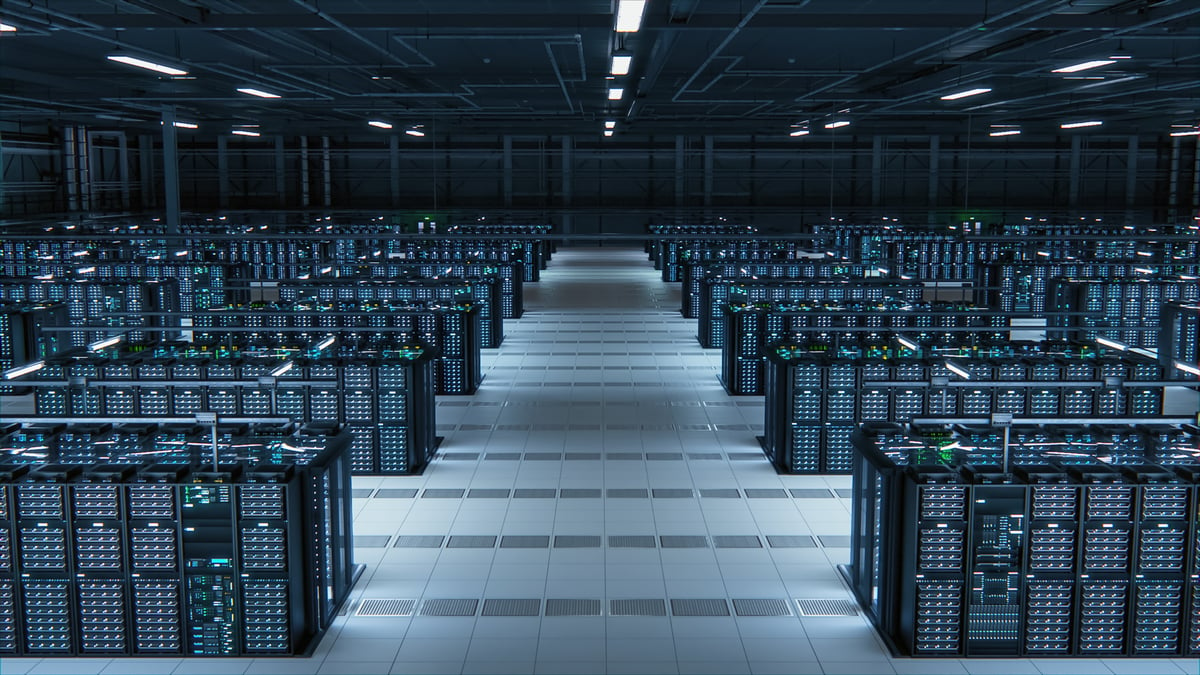
- Tax Policy Shift: India's Finance Minister announced a 20-year tax exemption for hyperscalers using data centers to service global clients, which is expected to significantly lower operational costs for these companies, thereby attracting more foreign investment and enhancing India's competitiveness in the global cloud computing and AI sectors.
- Market Potential Surge: Experts indicate that with already low data center infrastructure costs in India, the tax holiday will make the country a preferred base for hyperscalers, especially when compared to competing hubs like Singapore, UAE, and Ireland, providing a clear cost advantage.
- Optimistic Investment Outlook: This policy is projected to drive India's data center market capacity to more than double from the current 1.2 gigawatts to over 3 gigawatts within the next five years, meeting the surging demand for AI workloads and attracting significant investments from tech giants including Google, Microsoft, and Amazon.
- Long-Term Economic Impact: The tax holiday will remove the primary friction point for global hyperscalers entering India, expected to substantially increase capital inflows, promote long-term investment returns, and elevate India's position in the global AI race.
Trade with 70% Backtested Accuracy
Stop guessing "Should I Buy GOOGL?" and start using high-conviction signals backed by rigorous historical data.
Sign up today to access powerful investing tools and make smarter, data-driven decisions.
Analyst Views on GOOGL
Wall Street analysts forecast GOOGL stock price to rise
33 Analyst Rating
26 Buy
7 Hold
0 Sell
Strong Buy
Current: 341.680

Low
305.00
Averages
374.25
High
400.00
Current: 341.680
Low
305.00
Averages
374.25
High
400.00
About GOOGL
Alphabet Inc. is a holding company. The Company's segments include Google Services, Google Cloud, and Other Bets. The Google Services segment includes products and services such as ads, Android, Chrome, devices, Google Maps, Google Play, Search, and YouTube. The Google Cloud segment includes infrastructure and platform services, collaboration tools, and other services for enterprise customers. Its Other Bets segment is engaged in the sale of healthcare-related services and Internet services. Its Google Cloud provides enterprise-ready cloud services, including Google Cloud Platform and Google Workspace. Google Cloud Platform provides access to solutions such as artificial intelligence (AI) offerings, including its AI infrastructure, Vertex AI platform, and Gemini for Google Cloud; cybersecurity, and data and analytics. Google Workspace includes cloud-based communication and collaboration tools for enterprises, such as Calendar, Gmail, Docs, Drive, and Meet.
About the author

Emily J. Thompson
Emily J. Thompson, a Chartered Financial Analyst (CFA) with 12 years in investment research, graduated with honors from the Wharton School. Specializing in industrial and technology stocks, she provides in-depth analysis for Intellectia’s earnings and market brief reports.
AI Stock Investment Surge and Risk Analysis


- Nvidia's Strong Performance: In the fourth quarter of fiscal 2026, Nvidia reported revenue of $68.1 billion, a 73% year-over-year increase, with data center revenue reaching $62.3 billion, up 75%, highlighting its robust execution and market demand in the AI chip sector.
- Palantir's Explosive Software Growth: Palantir's revenue for the fourth quarter of fiscal 2025 was $1.4 billion, a 70% year-over-year increase, with its U.S. commercial segment skyrocketing 137%, indicating strong demand for its AI data platform, though a price-to-earnings ratio over 200 poses risks for investors.
- Alphabet's Diversified Strength: Alphabet's revenue for the fourth quarter of 2025 was $113.8 billion, an 18% year-over-year increase, with cloud computing revenue surging 48% to $17.7 billion, showcasing its strong performance in AI and a solid business foundation.
- Caution for Investors: While Nvidia and Palantir exhibit rapid growth, Alphabet, with its more reasonable valuation and diversified business model, appears to be the better investment choice for deploying new capital, although its planned capital expenditures of $175 billion to $185 billion may negatively impact free cash flow.
See More

Analysis of Nvidia, Palantir, and Google Cloud Earnings
- Nvidia's Strong Performance: In its fiscal Q4 2026, Nvidia reported revenue of $68.1 billion, a remarkable 73% year-over-year increase, with data center revenue hitting $62.3 billion, up 75%, showcasing its robust execution and growth potential in the AI chip market.
- Palantir's Revenue Surge: Palantir's revenue reached $1.4 billion in Q4 2025, a 70% year-over-year increase, with its U.S. commercial segment skyrocketing 137%, reflecting strong enterprise demand for its AI data platform, although its price-to-earnings ratio exceeds 200, indicating that the market has priced in future growth.
- Google Cloud's Outstanding Results: Alphabet's Q4 2025 revenue was $113.8 billion, an 18% year-over-year increase, with Google Cloud revenue surging 48% to $17.7 billion, demonstrating its competitive edge in AI infrastructure, while trading at a price-to-earnings ratio around 31, offering a more attractive investment value.
- Investor Focus on AI Opportunities: While Nvidia and Palantir exhibit faster growth, Alphabet stands out as a more stable choice for investors in the AI boom due to its diversified business model and reasonable valuation, especially considering its projected capital expenditures of $175 billion to $185 billion in 2026.
See More

Market's Muted Response to Middle East Tensions

- Market Stability: Despite Iran's closure of the Strait of Hormuz causing a more than 5% spike in West Texas Intermediate crude oil prices, the Dow Jones Industrial Average only fell by 4.87 points, indicating a reduced investor focus on geopolitical tensions.
- Bond Market Influence: Cramer noted that the stock market is more responsive to the bond market, as interest rates remained unchanged despite rising oil prices, suggesting a diminished expectation for inflation surges and anticipation of rate cuts.
- Corporate Earnings Support: Strong results from companies like Cleveland-Cliffs indicate a healthy manufacturing backdrop, with the CEO reporting a full order book and increasing steel bookings from automotive OEMs, highlighting steady demand amid broader uncertainties.
- AI Revolution Driving Market: Cramer emphasized that the ongoing AI revolution is a key market driver, unaffected by geopolitical issues, involving a broad ecosystem of companies from Nvidia to Microsoft, suggesting robust market momentum.
See More
Market Unfazed by Iran Tensions, Cramer Explains

- Market Resilience: Despite Iran's closure of the Strait of Hormuz and a more than 5% spike in West Texas Intermediate crude prices, the Dow Jones Industrial Average only fell by 4.87 points, indicating a market largely indifferent to geopolitical tensions and focused on larger economic forces.
- Bond Market Influence: Cramer emphasized that the bond market is the true driver of stocks, noting that interest rates remained unchanged even as oil prices rose, suggesting that investors are not bracing for inflation surges and are anticipating rate cuts in the near future.
- Diminished Economic Impact: Cramer pointed out that the economic impact of rising oil prices may be less significant than in the past, as improved fuel efficiency and reliance on cheaper domestic natural gas could lead to lower utility bills, alleviating pressure on the broader market.
- AI Revolution Driving Growth: Cramer highlighted that the market continues to be propelled by the AI revolution, with companies like Nvidia and Microsoft benefiting from this trend, indicating that technological advancements are driving economic growth even amidst geopolitical uncertainties.
See More

GOOGLE: ROLLING OUT GEMINI IN CHROME FOR ASIA PACIFIC USERS - BLOG
Expansion of Google Services: Google is expanding its Gemini AI capabilities within the Chrome browser to enhance user experience in the Asia-Pacific region.
Focus on User Engagement: The initiative aims to increase user engagement and provide more personalized features for users in the Asia-Pacific market.
See More

Marvell Partners with Google for New AI Chips


- Stock Surge: Marvell's shares rose nearly 6% on Monday following reports that Google will utilize the chip design firm for two new chips aimed at powering AI workloads, indicating a strong market response to the surging demand for AI.
- Competitor Decline: While the partnership between Google and Broadcom remains strong, Broadcom's stock fell nearly 2% on Monday, reflecting market sentiment that Marvell's collaboration with Google could impact Broadcom's competitive position.
- Investment Backing: Nvidia's $2 billion investment in Marvell in March further propels the company's growth in the AI sector, underscoring the escalating demand for AI chips from major tech firms.
- Market Dynamics: Google's shift from relying on Broadcom for TPU designs to partnering with Marvell illustrates its diversification strategy in the AI chip space, which may have significant implications for the competitive landscape across the industry.
See More
AI Stock Investment Surge and Risk Analysis
- Nvidia's Strong Performance: In the fourth quarter of fiscal 2026, Nvidia reported revenue of $68.1 billion, a 73% year-over-year increase, with data center revenue reaching $62.3 billion, up 75%, highlighting its robust execution and market demand in the AI chip sector.
- Palantir's Explosive Software Growth: Palantir's revenue for the fourth quarter of fiscal 2025 was $1.4 billion, a 70% year-over-year increase, with its U.S. commercial segment skyrocketing 137%, indicating strong demand for its AI data platform, though a price-to-earnings ratio over 200 poses risks for investors.
- Alphabet's Diversified Strength: Alphabet's revenue for the fourth quarter of 2025 was $113.8 billion, an 18% year-over-year increase, with cloud computing revenue surging 48% to $17.7 billion, showcasing its strong performance in AI and a solid business foundation.
- Caution for Investors: While Nvidia and Palantir exhibit rapid growth, Alphabet, with its more reasonable valuation and diversified business model, appears to be the better investment choice for deploying new capital, although its planned capital expenditures of $175 billion to $185 billion may negatively impact free cash flow.
See More
Analysis of Nvidia, Palantir, and Google Cloud Earnings
- Nvidia's Strong Performance: In its fiscal Q4 2026, Nvidia reported revenue of $68.1 billion, a remarkable 73% year-over-year increase, with data center revenue hitting $62.3 billion, up 75%, showcasing its robust execution and growth potential in the AI chip market.
- Palantir's Revenue Surge: Palantir's revenue reached $1.4 billion in Q4 2025, a 70% year-over-year increase, with its U.S. commercial segment skyrocketing 137%, reflecting strong enterprise demand for its AI data platform, although its price-to-earnings ratio exceeds 200, indicating that the market has priced in future growth.
- Google Cloud's Outstanding Results: Alphabet's Q4 2025 revenue was $113.8 billion, an 18% year-over-year increase, with Google Cloud revenue surging 48% to $17.7 billion, demonstrating its competitive edge in AI infrastructure, while trading at a price-to-earnings ratio around 31, offering a more attractive investment value.
- Investor Focus on AI Opportunities: While Nvidia and Palantir exhibit faster growth, Alphabet stands out as a more stable choice for investors in the AI boom due to its diversified business model and reasonable valuation, especially considering its projected capital expenditures of $175 billion to $185 billion in 2026.
See More
Market's Muted Response to Middle East Tensions
- Market Stability: Despite Iran's closure of the Strait of Hormuz causing a more than 5% spike in West Texas Intermediate crude oil prices, the Dow Jones Industrial Average only fell by 4.87 points, indicating a reduced investor focus on geopolitical tensions.
- Bond Market Influence: Cramer noted that the stock market is more responsive to the bond market, as interest rates remained unchanged despite rising oil prices, suggesting a diminished expectation for inflation surges and anticipation of rate cuts.
- Corporate Earnings Support: Strong results from companies like Cleveland-Cliffs indicate a healthy manufacturing backdrop, with the CEO reporting a full order book and increasing steel bookings from automotive OEMs, highlighting steady demand amid broader uncertainties.
- AI Revolution Driving Market: Cramer emphasized that the ongoing AI revolution is a key market driver, unaffected by geopolitical issues, involving a broad ecosystem of companies from Nvidia to Microsoft, suggesting robust market momentum.
See More
Market Unfazed by Iran Tensions, Cramer Explains
- Market Resilience: Despite Iran's closure of the Strait of Hormuz and a more than 5% spike in West Texas Intermediate crude prices, the Dow Jones Industrial Average only fell by 4.87 points, indicating a market largely indifferent to geopolitical tensions and focused on larger economic forces.
- Bond Market Influence: Cramer emphasized that the bond market is the true driver of stocks, noting that interest rates remained unchanged even as oil prices rose, suggesting that investors are not bracing for inflation surges and are anticipating rate cuts in the near future.
- Diminished Economic Impact: Cramer pointed out that the economic impact of rising oil prices may be less significant than in the past, as improved fuel efficiency and reliance on cheaper domestic natural gas could lead to lower utility bills, alleviating pressure on the broader market.
- AI Revolution Driving Growth: Cramer highlighted that the market continues to be propelled by the AI revolution, with companies like Nvidia and Microsoft benefiting from this trend, indicating that technological advancements are driving economic growth even amidst geopolitical uncertainties.
See More
GOOGLE: ROLLING OUT GEMINI IN CHROME FOR ASIA PACIFIC USERS - BLOG
Expansion of Google Services: Google is expanding its Gemini AI capabilities within the Chrome browser to enhance user experience in the Asia-Pacific region.
Focus on User Engagement: The initiative aims to increase user engagement and provide more personalized features for users in the Asia-Pacific market.
See More
Marvell Partners with Google for New AI Chips
- Stock Surge: Marvell's shares rose nearly 6% on Monday following reports that Google will utilize the chip design firm for two new chips aimed at powering AI workloads, indicating a strong market response to the surging demand for AI.
- Competitor Decline: While the partnership between Google and Broadcom remains strong, Broadcom's stock fell nearly 2% on Monday, reflecting market sentiment that Marvell's collaboration with Google could impact Broadcom's competitive position.
- Investment Backing: Nvidia's $2 billion investment in Marvell in March further propels the company's growth in the AI sector, underscoring the escalating demand for AI chips from major tech firms.
- Market Dynamics: Google's shift from relying on Broadcom for TPU designs to partnering with Marvell illustrates its diversification strategy in the AI chip space, which may have significant implications for the competitive landscape across the industry.
See More