Hang Seng Tech Index Set for AI Company Inclusions
Written by Emily J. Thompson, Senior Investment Analyst
Updated: May 03 2026
0mins


Should l Buy BABA?
Source: CNBC
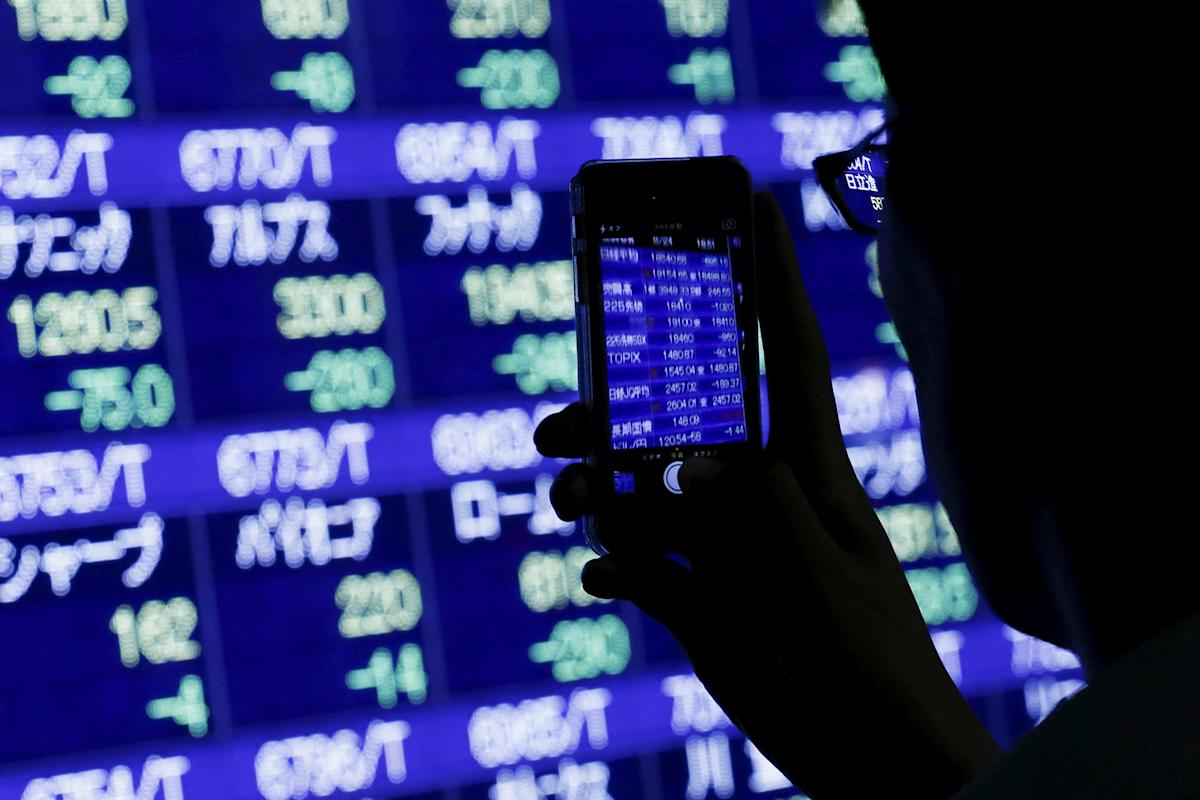
- Anticipated Inflows: Morgan Stanley forecasts that over $1 billion will flow into the Hang Seng Tech Index due to the upcoming inclusion of Knowledge Atlas Technology and MiniMax, with passive inflows expected to reach between $1.25 billion and $1.75 billion, significantly enhancing the index's performance.
- Poor Market Performance: Despite the excitement surrounding Chinese AI, the Hang Seng Tech Index has fallen over 11% this year, with only seven constituents rising, indicating market caution particularly as major stocks like Tencent and Alibaba have experienced double-digit declines.
- Rise of AI Model Companies: Knowledge Atlas and MiniMax have seen their stock prices soar since going public in January, with Morgan Stanley raising their price targets to 990 HKD and 1,100 HKD respectively, reflecting strong market confidence and positioning them as key drivers in Hong Kong's equity market.
- Increased Regulatory Support: Morgan Stanley highlights that technology accounts for 40% of Hong Kong IPO fundraising year-to-date and 43% of the pipeline, indicating robust regulatory support for the AI sector, suggesting that AI will be a durable force in Hong Kong's equity market.
Trade with 70% Backtested Accuracy
Stop guessing "Should I Buy BABA?" and start using high-conviction signals backed by rigorous historical data.
Sign up today to access powerful investing tools and make smarter, data-driven decisions.
Analyst Views on BABA
Wall Street analysts forecast BABA stock price to rise
15 Analyst Rating
15 Buy
0 Hold
0 Sell
Strong Buy
Current: 141.000

Low
180.00
Averages
203.09
High
230.00
Current: 141.000
Low
180.00
Averages
203.09
High
230.00
About BABA
Alibaba Group Holding Ltd is an investment holding company mainly engaged in the provision of technology infrastructure and marketing platforms. The Company operates its business through four segments. The Alibaba China E-commerce Group segment is mainly engaged in E-commerce business, including operating Tmall Supermarket and Tmall Global, providing customer management services, product sales, as well as logistics services. It also operates quick commerce business such as Taobao Instant Commerce and Ele.me, as well as the China commerce wholesale business through 1688.com. The Alibaba International Digital Commerce Group segment is mainly engaged in international commerce retail and wholesale business, operating platforms such as AliExpress, Trendyol, Lazada and Alibaba.com. The Cloud Intelligence Group segment mainly provides public and non-public cloud services. The Other segments primarily include the operations of Freshippo, Cainiao, Alibaba Health and other business.
About the author

Emily J. Thompson
Emily J. Thompson, a Chartered Financial Analyst (CFA) with 12 years in investment research, graduated with honors from the Wharton School. Specializing in industrial and technology stocks, she provides in-depth analysis for Intellectia’s earnings and market brief reports.
Alibaba Launches AI Shopping Assistant Integration

- AI Platform Integration: Alibaba is set to integrate its AI platform Qwen with the online marketplace Taobao, enabling consumers to browse and purchase from over 4 billion products through conversational interactions with the AI agent, thereby enhancing shopping experiences and driving sales growth.
- Smart Recommendation Features: The Qwen app will provide personalized shopping recommendations based on users' order history and preferences, leveraging a robust skills library to manage logistics and after-sales services, further enhancing user engagement and satisfaction.
- Virtual Try-Ons and Price Tracking: An AI shopping assistant powered by Qwen will be launched within Taobao, equipped with virtual try-on tools and 30-day price tracking features, aimed at improving consumers' purchasing decisions and increasing conversion rates.
- East-West E-commerce Differences: Alibaba's AI-driven shopping strategy highlights the gap between Chinese and Western e-commerce platforms, as the Chinese model allows AI to be embedded directly into live transactions, while U.S. platforms remain more fragmented, showcasing Alibaba's competitive edge in the global e-commerce market.
See More
Thai AI Company Suspected of Smuggling Supermicro Servers

- Smuggling Allegations: Bangkok-based OBON Corp. is accused of collaborating with Super Micro's co-founder to smuggle billions of dollars worth of servers containing advanced Nvidia chips, violating U.S. trade regulations, which could lead to severe legal repercussions for the involved parties.
- Customer Network: Alibaba Group is reportedly one of several end customers, indicating that the smuggling activities could disrupt global supply chains, particularly in the AI infrastructure development within the Chinese market.
- Legal Consequences: U.S. prosecutors have initiated investigations into the smuggling scheme, with implicated third-party brokers and the Southeast Asian company potentially facing hefty fines, raising further concerns about international trade compliance.
- Industry Impact: This incident may tarnish Super Micro's market reputation, potentially undermining investor confidence in the company's future, especially against the backdrop of increasing global demand for AI technologies.
See More

Vanguard Total International Stock ETF Investment Advantages

- Portfolio Diversification: The Vanguard Total International Stock ETF (VXUS) offers investors a low-cost way to diversify their portfolios by investing in nearly 8,800 international stocks, effectively mitigating risks associated with U.S. economic fluctuations.
- Significant Cost Efficiency: With an expense ratio of just 0.05%, this ETF means that for every $10,000 invested, the annual cost is only $5, making it an attractive option for long-term investors looking to enhance their net returns through low fees.
- Attractive Valuation: The average price-to-earnings ratio for international stocks is around 17 times, compared to over 25 times for U.S. stocks, indicating a significant discount that encourages investors to reassess their portfolios in the current market environment.
- Strong Capital Inflows: Currently, nearly $600 billion is allocated to the Vanguard Total International Stock ETF, reflecting investor confidence and its importance in the global market, further solidifying its position as a preferred investment choice.
See More

Moonshot AI Secures $2B Funding, Valuation Exceeds $20B
- Significant Funding: Moonshot AI has secured approximately $2 billion in its latest funding round, highlighting rising investor interest in Chinese startups competing with Silicon Valley in the AI sector, which further enhances the company's market position.
- Valuation Surge: This funding round boosts Moonshot's valuation to over $20 billion, reflecting market confidence in its future growth potential, especially against the backdrop of the rapid popularization of AI technologies.
- Revenue Growth: According to a statement from HF Capital, Moonshot's annual recurring revenue topped $200 million in April, primarily driven by subscriptions to its Kimi chatbot and AI model services, demonstrating the success of its business model.
- Intensifying Market Competition: With the rapid popularization of agent applications, model companies like Zhipu and MiniMax have reached market capitalizations of HK$200 billion to HK$400 billion, indicating that competition in the AI sector is intensifying, necessitating continuous innovation from Moonshot to maintain its lead.
See More

Alibaba's Hong Kong Shares Expected to Rise by 3.95% at Opening
- Market Performance: Hong Kong shares of Alibaba have opened up by 3.95%.
- Investor Sentiment: The increase in share price reflects positive investor sentiment towards Alibaba's market position.
See More
Nvidia Faces Challenges in Chinese Market

- Market Share Collapse: Nvidia's market share in China has plummeted from over 90% to zero, reflecting the impact of U.S. export restrictions and Chinese regulatory pressures, which have nearly halted the company's operations in the region and affected its global market standing.
- Pessimistic Financial Outlook: Nvidia anticipates no revenue from China in the first quarter of fiscal year 2027, a forecast that could negatively impact its overall financial performance, especially as the company prepares to release its earnings report.
- U.S. Market Advantage: Despite challenges in China, Nvidia's stock has surged 74% over the past 12 months, primarily driven by the massive demand in the U.S. AI chip market, where Microsoft plans to invest $190 billion in capital expenditures in 2026, far exceeding Alibaba's $52 billion.
- Future Growth Potential: Nvidia projects revenue of $78 billion for the first quarter of fiscal year 2027, even without contributions from China, representing a nearly 77% year-over-year increase, indicating the company's strong potential for continued growth driven by technological innovation and market demand.
See More
Alibaba Launches AI Shopping Assistant Integration
- AI Platform Integration: Alibaba is set to integrate its AI platform Qwen with the online marketplace Taobao, enabling consumers to browse and purchase from over 4 billion products through conversational interactions with the AI agent, thereby enhancing shopping experiences and driving sales growth.
- Smart Recommendation Features: The Qwen app will provide personalized shopping recommendations based on users' order history and preferences, leveraging a robust skills library to manage logistics and after-sales services, further enhancing user engagement and satisfaction.
- Virtual Try-Ons and Price Tracking: An AI shopping assistant powered by Qwen will be launched within Taobao, equipped with virtual try-on tools and 30-day price tracking features, aimed at improving consumers' purchasing decisions and increasing conversion rates.
- East-West E-commerce Differences: Alibaba's AI-driven shopping strategy highlights the gap between Chinese and Western e-commerce platforms, as the Chinese model allows AI to be embedded directly into live transactions, while U.S. platforms remain more fragmented, showcasing Alibaba's competitive edge in the global e-commerce market.
See More
Thai AI Company Suspected of Smuggling Supermicro Servers
- Smuggling Allegations: Bangkok-based OBON Corp. is accused of collaborating with Super Micro's co-founder to smuggle billions of dollars worth of servers containing advanced Nvidia chips, violating U.S. trade regulations, which could lead to severe legal repercussions for the involved parties.
- Customer Network: Alibaba Group is reportedly one of several end customers, indicating that the smuggling activities could disrupt global supply chains, particularly in the AI infrastructure development within the Chinese market.
- Legal Consequences: U.S. prosecutors have initiated investigations into the smuggling scheme, with implicated third-party brokers and the Southeast Asian company potentially facing hefty fines, raising further concerns about international trade compliance.
- Industry Impact: This incident may tarnish Super Micro's market reputation, potentially undermining investor confidence in the company's future, especially against the backdrop of increasing global demand for AI technologies.
See More
Vanguard Total International Stock ETF Investment Advantages
- Portfolio Diversification: The Vanguard Total International Stock ETF (VXUS) offers investors a low-cost way to diversify their portfolios by investing in nearly 8,800 international stocks, effectively mitigating risks associated with U.S. economic fluctuations.
- Significant Cost Efficiency: With an expense ratio of just 0.05%, this ETF means that for every $10,000 invested, the annual cost is only $5, making it an attractive option for long-term investors looking to enhance their net returns through low fees.
- Attractive Valuation: The average price-to-earnings ratio for international stocks is around 17 times, compared to over 25 times for U.S. stocks, indicating a significant discount that encourages investors to reassess their portfolios in the current market environment.
- Strong Capital Inflows: Currently, nearly $600 billion is allocated to the Vanguard Total International Stock ETF, reflecting investor confidence and its importance in the global market, further solidifying its position as a preferred investment choice.
See More
Moonshot AI Secures $2B Funding, Valuation Exceeds $20B
- Significant Funding: Moonshot AI has secured approximately $2 billion in its latest funding round, highlighting rising investor interest in Chinese startups competing with Silicon Valley in the AI sector, which further enhances the company's market position.
- Valuation Surge: This funding round boosts Moonshot's valuation to over $20 billion, reflecting market confidence in its future growth potential, especially against the backdrop of the rapid popularization of AI technologies.
- Revenue Growth: According to a statement from HF Capital, Moonshot's annual recurring revenue topped $200 million in April, primarily driven by subscriptions to its Kimi chatbot and AI model services, demonstrating the success of its business model.
- Intensifying Market Competition: With the rapid popularization of agent applications, model companies like Zhipu and MiniMax have reached market capitalizations of HK$200 billion to HK$400 billion, indicating that competition in the AI sector is intensifying, necessitating continuous innovation from Moonshot to maintain its lead.
See More
Alibaba's Hong Kong Shares Expected to Rise by 3.95% at Opening
- Market Performance: Hong Kong shares of Alibaba have opened up by 3.95%.
- Investor Sentiment: The increase in share price reflects positive investor sentiment towards Alibaba's market position.
See More
Nvidia Faces Challenges in Chinese Market
- Market Share Collapse: Nvidia's market share in China has plummeted from over 90% to zero, reflecting the impact of U.S. export restrictions and Chinese regulatory pressures, which have nearly halted the company's operations in the region and affected its global market standing.
- Pessimistic Financial Outlook: Nvidia anticipates no revenue from China in the first quarter of fiscal year 2027, a forecast that could negatively impact its overall financial performance, especially as the company prepares to release its earnings report.
- U.S. Market Advantage: Despite challenges in China, Nvidia's stock has surged 74% over the past 12 months, primarily driven by the massive demand in the U.S. AI chip market, where Microsoft plans to invest $190 billion in capital expenditures in 2026, far exceeding Alibaba's $52 billion.
- Future Growth Potential: Nvidia projects revenue of $78 billion for the first quarter of fiscal year 2027, even without contributions from China, representing a nearly 77% year-over-year increase, indicating the company's strong potential for continued growth driven by technological innovation and market demand.
See More