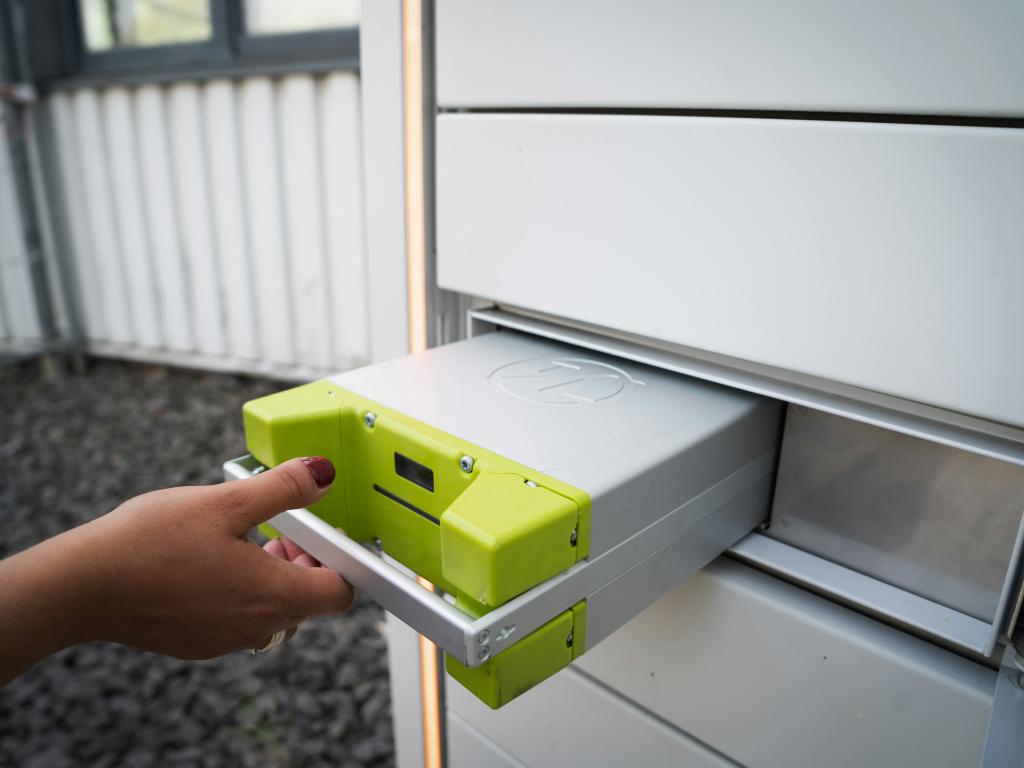
Forecast: Chamath Palihapitiya's $250 Million SPAC May Develop the Next Palantir for the U.S. Energy Grid

Palihapitiya's New SPAC Focus: Chamath Palihapitiya has launched a new SPAC, American Exceptionalism Acquisition Corp, targeting investments in artificial intelligence, energy production, decentralized finance, and defense.
Potential Investment Opportunity: The software startup Amperon is highlighted as a strong candidate for investment, offering AI-powered solutions for the power grid, similar to Palantir's approach in its early days.
Risks of SPAC Investments: Despite the potential for growth, SPACs have historically been risky investments, with many underperforming compared to the broader market, including Palihapitiya's own mixed track record.
Cautious Optimism Recommended: Investors are advised to approach this new SPAC opportunity with caution, balancing optimism about emerging themes with the historical risks associated with SPAC investments.
Trade with 70% Backtested Accuracy
Analyst Views on GOOG

About GOOG
About the author


Berkshire Hathaway's New CEO Restructures Portfolio


- Portfolio Concentration: New CEO Greg Abel sold off several small positions, including Amazon, concentrating the portfolio into 29 stocks, which highlights his focus on optimizing investment returns and potentially enhancing overall performance.
- Increased Investment in Alphabet: Abel tripled the company's stake in Alphabet, reflecting confidence in its growth potential, particularly in its strong cloud and advertising sectors, which may further bolster Berkshire's competitive edge in the market.
- Performance Comparison: Alphabet's sales growth rate stands at 22%, compared to Amazon's 17%; while Amazon has higher absolute revenue, Alphabet's superior profit margins and growth rates make it more attractive to investors, potentially influencing future investment decisions.
- Market Leadership: Alphabet holds a dominant position in several industries, especially with a 90% share in the search engine market, and its rapid growth in cloud services indicates strong competitive strength in the tech sector, likely drawing more investor attention.

Berkshire Triples Alphabet Stake Amid Growth Comparison
- Increased Stake in Alphabet: Berkshire Hathaway tripled its position in Alphabet during Q1, reflecting strong confidence in the company, particularly as it boasts a market cap of $4.4 trillion, underscoring its significance in the tech sector.
- Performance Comparison: While Alphabet's revenue stands at $423 billion with a 17% annual growth rate, Amazon's revenue is nearly double at $743 billion; however, Alphabet's higher profit margins indicate its advantages in the services sector, potentially attracting more investor interest.
- Cloud Computing Rivalry: Google Cloud's growth rate of 63% significantly outpaces Amazon Web Services' 28%, highlighting Alphabet's robust competitive position in the rapidly expanding cloud market, which may further enhance its market share.
- Investment Strategy Shift: New CEO Greg Abel sold off several small positions in Q1, concentrating investments in 29 stocks, indicating a reevaluation of the investment portfolio that could influence future investment decisions and corporate strategy.

SpaceX's S-1 Filing Reveals $28.5 Trillion Market Potential

- Massive Market Potential: SpaceX's S-1 filing forecasts a total addressable market (TAM) of $28.5 trillion, with $26.5 trillion attributed to artificial intelligence (AI), indicating the company's ambitious vision in the AI sector while also highlighting potential investment risks.
- Infrastructure Challenges: A major bottleneck for AI is the power supply for data centers; SpaceX's plan to launch 1 million satellites as data centers aims to leverage solar energy in space, potentially positioning the company as a leader in AI infrastructure development.
- Revenue Growth Expectations: Goldman Sachs projects that SpaceX's AI division will see revenue surge from $3.2 billion in 2025 to $322 billion by 2030, with total revenue expected to reach $474 billion by 2030, showcasing the company's strong growth potential in the AI market.
- High Spending and Risks: Despite the promising outlook, SpaceX anticipates a $6.4 billion operating loss in 2025 and $12.7 billion in capital expenditures for AI infrastructure, indicating that while pursuing growth, the company faces significant integration and execution risks.

SpaceX's S-1 Filing Reveals Ambitious AI Market Potential

- Massive Market Potential: SpaceX's S-1 filing forecasts a total addressable market (TAM) of $26.5 trillion for artificial intelligence (AI), indicating the company's ambitious vision that could reshape investor perceptions of its traditional space operations.
- Infrastructure Challenges: The plan to launch 1 million satellites as data centers aims to address AI workload power demands, although challenges such as permitting, construction timelines, and water scarcity remain; success in this venture could position SpaceX as a leader in AI infrastructure.
- Revenue Growth Expectations: Goldman Sachs projects SpaceX's AI division revenue to surge from $3.2 billion in 2025 to $322 billion by 2030, highlighting significant profit potential, even as the company navigates integration and execution risks within its AI segment.
- Investment Risk Considerations: Despite the promising AI market, SpaceX anticipates a $6.4 billion operating loss in 2025 and $12.7 billion in capital expenditures for AI infrastructure, necessitating careful evaluation of risks and returns in long-term investment strategies.
Wall Street's Lending Surge Fuels AI Growth

- Debt Financing Surge: Nvidia's recent $25 billion bond issuance exceeded its initial $20 billion target, reflecting strong market demand for AI infrastructure and is expected to drive future investments and growth for the company.
- Amazon's Debt Strategy: Having borrowed over $80 billion since early 2025 across various currencies, Amazon's actions indicate its intent to expand in the AI sector, while also showcasing the profitability of its robust cloud business.
- SpaceX's Financing Challenges: SpaceX is reportedly preparing a bond offering of at least $20 billion, despite posting a nearly $5 billion loss in 2025, highlighting the high risks associated with its AI investments, particularly due to significant operational losses in its AI division.
- Oracle's Financial Pressure: Although Oracle appears profitable on paper, its free cash flow was negative $24 billion in fiscal 2026, with debt exceeding $100 billion, indicating pressure from capital expenditures that may affect its future investment capabilities.
Nvidia's $25 Billion Bond Sale Oversubscribed
- Successful Bond Sale: Nvidia's $25 billion bond issuance this month attracted over $85 billion in orders, reflecting strong market confidence in its financial health, with demand exceeding supply by three times, prompting the company to increase the offering from an initial $20 billion target.
- Strong Profitability: Nvidia reported nearly $43 billion in net income for its fiscal fourth quarter ending January 25, 2026, significantly surpassing the total amount raised through the bond sale, indicating robust profitability and cash flow that can support future investments in the rapidly growing AI market.
- Market Financing Surge: As AI infrastructure spending surges, companies like Amazon and Oracle are also actively raising funds, with Amazon borrowing over $80 billion since early 2025, showcasing the intent and confidence of major tech firms in investing in AI opportunities.
- SpaceX Financing Risks: Although SpaceX plans to issue at least $20 billion in bonds, it reported a nearly $5 billion loss in 2025 and a $4.28 billion loss in Q1 2026, highlighting investment risks in AI, especially given its current lack of profitability and the need for careful financial management.
Berkshire Hathaway's New CEO Restructures Portfolio
- Portfolio Concentration: New CEO Greg Abel sold off several small positions, including Amazon, concentrating the portfolio into 29 stocks, which highlights his focus on optimizing investment returns and potentially enhancing overall performance.
- Increased Investment in Alphabet: Abel tripled the company's stake in Alphabet, reflecting confidence in its growth potential, particularly in its strong cloud and advertising sectors, which may further bolster Berkshire's competitive edge in the market.
- Performance Comparison: Alphabet's sales growth rate stands at 22%, compared to Amazon's 17%; while Amazon has higher absolute revenue, Alphabet's superior profit margins and growth rates make it more attractive to investors, potentially influencing future investment decisions.
- Market Leadership: Alphabet holds a dominant position in several industries, especially with a 90% share in the search engine market, and its rapid growth in cloud services indicates strong competitive strength in the tech sector, likely drawing more investor attention.
Berkshire Triples Alphabet Stake Amid Growth Comparison
- Increased Stake in Alphabet: Berkshire Hathaway tripled its position in Alphabet during Q1, reflecting strong confidence in the company, particularly as it boasts a market cap of $4.4 trillion, underscoring its significance in the tech sector.
- Performance Comparison: While Alphabet's revenue stands at $423 billion with a 17% annual growth rate, Amazon's revenue is nearly double at $743 billion; however, Alphabet's higher profit margins indicate its advantages in the services sector, potentially attracting more investor interest.
- Cloud Computing Rivalry: Google Cloud's growth rate of 63% significantly outpaces Amazon Web Services' 28%, highlighting Alphabet's robust competitive position in the rapidly expanding cloud market, which may further enhance its market share.
- Investment Strategy Shift: New CEO Greg Abel sold off several small positions in Q1, concentrating investments in 29 stocks, indicating a reevaluation of the investment portfolio that could influence future investment decisions and corporate strategy.
SpaceX's S-1 Filing Reveals $28.5 Trillion Market Potential
- Massive Market Potential: SpaceX's S-1 filing forecasts a total addressable market (TAM) of $28.5 trillion, with $26.5 trillion attributed to artificial intelligence (AI), indicating the company's ambitious vision in the AI sector while also highlighting potential investment risks.
- Infrastructure Challenges: A major bottleneck for AI is the power supply for data centers; SpaceX's plan to launch 1 million satellites as data centers aims to leverage solar energy in space, potentially positioning the company as a leader in AI infrastructure development.
- Revenue Growth Expectations: Goldman Sachs projects that SpaceX's AI division will see revenue surge from $3.2 billion in 2025 to $322 billion by 2030, with total revenue expected to reach $474 billion by 2030, showcasing the company's strong growth potential in the AI market.
- High Spending and Risks: Despite the promising outlook, SpaceX anticipates a $6.4 billion operating loss in 2025 and $12.7 billion in capital expenditures for AI infrastructure, indicating that while pursuing growth, the company faces significant integration and execution risks.
SpaceX's S-1 Filing Reveals Ambitious AI Market Potential
- Massive Market Potential: SpaceX's S-1 filing forecasts a total addressable market (TAM) of $26.5 trillion for artificial intelligence (AI), indicating the company's ambitious vision that could reshape investor perceptions of its traditional space operations.
- Infrastructure Challenges: The plan to launch 1 million satellites as data centers aims to address AI workload power demands, although challenges such as permitting, construction timelines, and water scarcity remain; success in this venture could position SpaceX as a leader in AI infrastructure.
- Revenue Growth Expectations: Goldman Sachs projects SpaceX's AI division revenue to surge from $3.2 billion in 2025 to $322 billion by 2030, highlighting significant profit potential, even as the company navigates integration and execution risks within its AI segment.
- Investment Risk Considerations: Despite the promising AI market, SpaceX anticipates a $6.4 billion operating loss in 2025 and $12.7 billion in capital expenditures for AI infrastructure, necessitating careful evaluation of risks and returns in long-term investment strategies.
Wall Street's Lending Surge Fuels AI Growth
- Debt Financing Surge: Nvidia's recent $25 billion bond issuance exceeded its initial $20 billion target, reflecting strong market demand for AI infrastructure and is expected to drive future investments and growth for the company.
- Amazon's Debt Strategy: Having borrowed over $80 billion since early 2025 across various currencies, Amazon's actions indicate its intent to expand in the AI sector, while also showcasing the profitability of its robust cloud business.
- SpaceX's Financing Challenges: SpaceX is reportedly preparing a bond offering of at least $20 billion, despite posting a nearly $5 billion loss in 2025, highlighting the high risks associated with its AI investments, particularly due to significant operational losses in its AI division.
- Oracle's Financial Pressure: Although Oracle appears profitable on paper, its free cash flow was negative $24 billion in fiscal 2026, with debt exceeding $100 billion, indicating pressure from capital expenditures that may affect its future investment capabilities.
Nvidia's $25 Billion Bond Sale Oversubscribed
- Successful Bond Sale: Nvidia's $25 billion bond issuance this month attracted over $85 billion in orders, reflecting strong market confidence in its financial health, with demand exceeding supply by three times, prompting the company to increase the offering from an initial $20 billion target.
- Strong Profitability: Nvidia reported nearly $43 billion in net income for its fiscal fourth quarter ending January 25, 2026, significantly surpassing the total amount raised through the bond sale, indicating robust profitability and cash flow that can support future investments in the rapidly growing AI market.
- Market Financing Surge: As AI infrastructure spending surges, companies like Amazon and Oracle are also actively raising funds, with Amazon borrowing over $80 billion since early 2025, showcasing the intent and confidence of major tech firms in investing in AI opportunities.
- SpaceX Financing Risks: Although SpaceX plans to issue at least $20 billion in bonds, it reported a nearly $5 billion loss in 2025 and a $4.28 billion loss in Q1 2026, highlighting investment risks in AI, especially given its current lack of profitability and the need for careful financial management.