Focus on Disney ETFs Post Q2 Earnings
Written by Emily J. Thompson, Senior Investment Analyst
Updated: May 13 2024
0mins


Source: NASDAQ.COM
- Financial Performance: Walt Disney Company reported Q2 fiscal 2024 earnings of $1.21 per share, beating estimates by 8.04% and increasing 30.1% year over year. Revenues rose 1.2% to $22.08 billion but missed consensus by 0.23%.
- Segment Performance: Media and Entertainment Distribution revenues decreased by 5%, while Parks, Experiences, and Products revenues increased by 9.8% year over year.
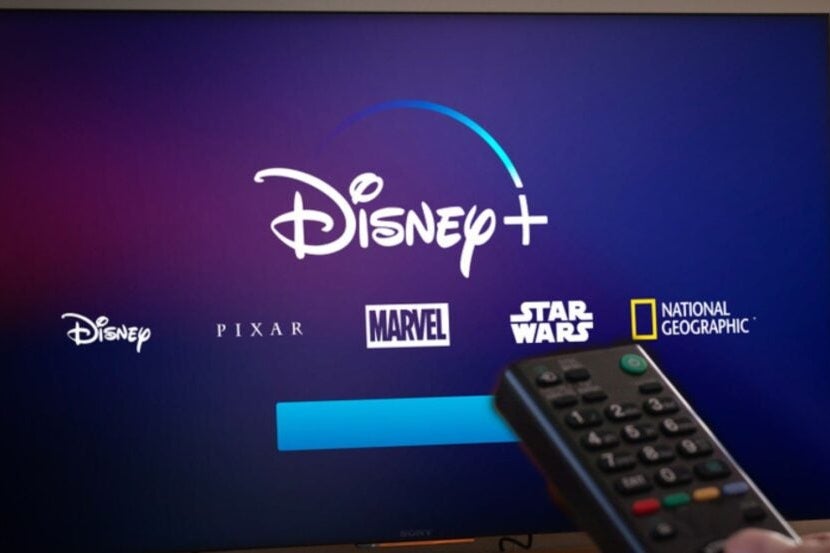
- Streaming Services: Disney+ had 117.6 million paid subscribers, with varying average monthly revenue per paid subscriber for domestic and international markets.
- Investor Reaction: Disney's shares fell nearly 9% post-earnings due to concerns about theme park division deceleration despite a strong recovery.
- ETF Exposure: Several ETFs have exposure to Disney, with fluctuations in performance over the past month and three months.
Trade with 70% Backtested Accuracy
Stop guessing "Should I Buy DIS?" and start using high-conviction signals backed by rigorous historical data.
Sign up today to access powerful investing tools and make smarter, data-driven decisions.
Analyst Views on DIS
Wall Street analysts forecast DIS stock price to rise
19 Analyst Rating
16 Buy
3 Hold
0 Sell
Strong Buy
Current: 95.710

Low
123.00
Averages
137.29
High
152.00
Current: 95.710
Low
123.00
Averages
137.29
High
152.00
About DIS
The Walt Disney Company is a diversified worldwide entertainment company. The Company's segments include Entertainment, Sports and Experiences. The Entertainment segment generally encompasses its non-sports focused global film and episodic content production and distribution activities. The lines of business within the Entertainment segment along with their business activities include Linear Networks, Direct-to-Consumer, and Content Sales/Licensing. The Sports segment encompasses its sports-focused global television and direct-to-consumer (DTC) video streaming content production and distribution activities. The lines of business within the Sports segment include ESPN and Star. The Experiences segment includes Parks and Experiences and Consumer Products. Parks and Experiences consists of Walt Disney World Resort in Florida, Disneyland Resort in California, Disney Cruise Line, and others. Consumer Products includes licensing of its trade names, characters, visual, literary and other IP.
About the author

Emily J. Thompson
Emily J. Thompson, a Chartered Financial Analyst (CFA) with 12 years in investment research, graduated with honors from the Wharton School. Specializing in industrial and technology stocks, she provides in-depth analysis for Intellectia’s earnings and market brief reports.
Investment Opportunity Analysis for Disney Stock

- Attractive Valuation: As of now, Walt Disney (NYSE: DIS) has a forward P/E ratio of just 12.9, which is a notable 40% discount compared to the S&P 500, highlighting the stock's appeal in the current market, especially given its strong intellectual property portfolio.
- Earnings Growth Expectations: Management anticipates adjusted earnings per share to grow by 12% this fiscal year, with double-digit growth expected in fiscal 2027, and analysts predict a 10% increase in fiscal 2028, providing potential return momentum for investors.
- Diversified Business Strength: Despite the decline in cable TV, Disney's theme parks and cruise businesses continue to grow, while its direct-to-consumer streaming services like Disney+ and Hulu maintain strong positions in the industry, showcasing the company's success in diversifying its business.
- Market Concerns and Opportunities: While the market expresses concerns about Disney's legacy assets, the overall profits are rising due to the success of theme parks and streaming services, suggesting that investors should seize the current dip in stock price as an opportunity, considering the company's long-term economic moat.
See More

Investment Opportunity in Disney Amid Stock Dip
- Valuation Appeal: Disney's current forward P/E ratio of 12.9 represents a 40% discount to the S&P 500, providing a compelling entry point for long-term investors, especially given its unique intellectual property portfolio.
- Financial Performance: While the decline in cable TV poses a challenge, Disney's overall profits are rising due to the success of its theme parks and cruises, demonstrating the resilience and profitability of its business model.
- Earnings Expectations: Management anticipates a 12% growth in adjusted earnings per share for this fiscal year, with double-digit gains expected in fiscal 2027, and analysts project a 10% increase in fiscal 2028, providing strong support for future stock price appreciation.
- Market Response: Despite market concerns regarding Disney's legacy assets, its direct-to-consumer streaming services like Disney+ and Hulu maintain strong positions in the industry, indicating the company's competitive advantages during its transformation.
See More
10 Most Undervalued Dow Stocks According to Wall Street Analysts
- Price Target Increase: JPMorgan raised its price target for Disney (DIS) from $139 to $140 while maintaining an Overweight rating, reflecting confidence in the company's upcoming earnings report despite market concerns about theme park attendance and streaming growth.
- Cautious Investor Sentiment: While Disney faces challenges regarding theme park attendance and streaming growth, JPMorgan believes these concerns could create an opportunity for stock revaluation, indicating market recognition of Disney's future growth potential.
- Content Partnership Expansion: Disney+ has expanded its content exchange partnership with Malaysia's Astro, allowing Astro platforms access to popular titles like Pirates of the Caribbean, thereby strengthening collaboration in international and regional entertainment offerings.
- Local Content Introduction: Under the new agreement, Disney+ subscribers in Malaysia will gain access to local Malaysian content, including films and children's programming, further enhancing Disney+'s appeal and competitiveness in the local market.
See More

Dow Jones Index Sees Major Component Changes


- Dow Component Changes: Earlier this week, Verizon was removed and Alphabet added to the Dow Jones Industrial Average, marking the 54th adjustment since its inception in 1896, highlighting ongoing market dynamics.
- Nike's Challenges: Following the release of its fiscal Q4 results on June 30, Nike's shares fell below $40, making it the lowest-priced component in the Dow, reflecting its minimal influence amid fierce competition and sales weakness.
- Potential Replacements: Nike is expected to be replaced by either Tesla or Airbnb, with Tesla's electric vehicle segment directly linked to consumer spending and Airbnb connecting to the $11.6 trillion travel industry, enhancing the Dow's diversification.
- Long-Term Growth Potential: Tesla and Airbnb's share prices of $420.60 and $143.10, respectively, significantly exceed Nike's, and both have outperformed Nike in recent years, indicating potential growth opportunities for the Dow moving forward.
See More

Verizon Removed, Alphabet Added to Dow Jones Index
- Index Composition Change: Earlier this week, Verizon was removed from the Dow Jones Industrial Average while Alphabet was added, marking the 54th adjustment since the index's inception in 1896, indicating a growing preference for tech stocks in the market.
- Nike at Risk: With shares dipping below $40, Nike is the only Dow component priced under $113, and ongoing sales weakness coupled with strained relationships with wholesalers diminishes its influence within the index, making it a likely candidate for removal in the next 12 months.
- Potential Replacements: Analysts suggest that Tesla or Airbnb could logically replace Nike, as Tesla's electric vehicle segment directly connects to consumer spending, while Airbnb offers a direct link to the $11.6 trillion travel industry, enhancing the index's diversity.
- Long-Term Growth Potential: With share prices of $420.60 for Tesla and $143.10 for Airbnb, both outperform Nike in recent years, their inclusion in the Dow would provide long-term growth potential and a stronger market influence for the index.
See More

Adeia Tests New Buy Zone with Google, Disney Partnerships


- Diverse Partnerships: Adeia has established multiyear partnerships with major companies like Google and Disney, which not only strengthens its market position in intellectual property licensing but also provides a stable revenue stream for the company.
- New Buy Zone Testing: The company is testing a new buy zone, a strategy aimed at enhancing customer appeal through optimized product offerings and market positioning, thereby driving sales growth and increasing competitive advantage.
- Market Potential Exploration: By collaborating with industry giants, Adeia can better explore market potential, leveraging partners' resources and technological advantages to enhance its innovation capabilities and market responsiveness.
- Strategic Development Direction: This initiative to test a new buy zone indicates Adeia's ongoing pursuit of new growth opportunities, aiming to adapt to the rapidly changing market environment through diversified collaboration models.
See More
Investment Opportunity Analysis for Disney Stock
- Attractive Valuation: As of now, Walt Disney (NYSE: DIS) has a forward P/E ratio of just 12.9, which is a notable 40% discount compared to the S&P 500, highlighting the stock's appeal in the current market, especially given its strong intellectual property portfolio.
- Earnings Growth Expectations: Management anticipates adjusted earnings per share to grow by 12% this fiscal year, with double-digit growth expected in fiscal 2027, and analysts predict a 10% increase in fiscal 2028, providing potential return momentum for investors.
- Diversified Business Strength: Despite the decline in cable TV, Disney's theme parks and cruise businesses continue to grow, while its direct-to-consumer streaming services like Disney+ and Hulu maintain strong positions in the industry, showcasing the company's success in diversifying its business.
- Market Concerns and Opportunities: While the market expresses concerns about Disney's legacy assets, the overall profits are rising due to the success of theme parks and streaming services, suggesting that investors should seize the current dip in stock price as an opportunity, considering the company's long-term economic moat.
See More
Investment Opportunity in Disney Amid Stock Dip
- Valuation Appeal: Disney's current forward P/E ratio of 12.9 represents a 40% discount to the S&P 500, providing a compelling entry point for long-term investors, especially given its unique intellectual property portfolio.
- Financial Performance: While the decline in cable TV poses a challenge, Disney's overall profits are rising due to the success of its theme parks and cruises, demonstrating the resilience and profitability of its business model.
- Earnings Expectations: Management anticipates a 12% growth in adjusted earnings per share for this fiscal year, with double-digit gains expected in fiscal 2027, and analysts project a 10% increase in fiscal 2028, providing strong support for future stock price appreciation.
- Market Response: Despite market concerns regarding Disney's legacy assets, its direct-to-consumer streaming services like Disney+ and Hulu maintain strong positions in the industry, indicating the company's competitive advantages during its transformation.
See More
10 Most Undervalued Dow Stocks According to Wall Street Analysts
- Price Target Increase: JPMorgan raised its price target for Disney (DIS) from $139 to $140 while maintaining an Overweight rating, reflecting confidence in the company's upcoming earnings report despite market concerns about theme park attendance and streaming growth.
- Cautious Investor Sentiment: While Disney faces challenges regarding theme park attendance and streaming growth, JPMorgan believes these concerns could create an opportunity for stock revaluation, indicating market recognition of Disney's future growth potential.
- Content Partnership Expansion: Disney+ has expanded its content exchange partnership with Malaysia's Astro, allowing Astro platforms access to popular titles like Pirates of the Caribbean, thereby strengthening collaboration in international and regional entertainment offerings.
- Local Content Introduction: Under the new agreement, Disney+ subscribers in Malaysia will gain access to local Malaysian content, including films and children's programming, further enhancing Disney+'s appeal and competitiveness in the local market.
See More
Dow Jones Index Sees Major Component Changes
- Dow Component Changes: Earlier this week, Verizon was removed and Alphabet added to the Dow Jones Industrial Average, marking the 54th adjustment since its inception in 1896, highlighting ongoing market dynamics.
- Nike's Challenges: Following the release of its fiscal Q4 results on June 30, Nike's shares fell below $40, making it the lowest-priced component in the Dow, reflecting its minimal influence amid fierce competition and sales weakness.
- Potential Replacements: Nike is expected to be replaced by either Tesla or Airbnb, with Tesla's electric vehicle segment directly linked to consumer spending and Airbnb connecting to the $11.6 trillion travel industry, enhancing the Dow's diversification.
- Long-Term Growth Potential: Tesla and Airbnb's share prices of $420.60 and $143.10, respectively, significantly exceed Nike's, and both have outperformed Nike in recent years, indicating potential growth opportunities for the Dow moving forward.
See More
Verizon Removed, Alphabet Added to Dow Jones Index
- Index Composition Change: Earlier this week, Verizon was removed from the Dow Jones Industrial Average while Alphabet was added, marking the 54th adjustment since the index's inception in 1896, indicating a growing preference for tech stocks in the market.
- Nike at Risk: With shares dipping below $40, Nike is the only Dow component priced under $113, and ongoing sales weakness coupled with strained relationships with wholesalers diminishes its influence within the index, making it a likely candidate for removal in the next 12 months.
- Potential Replacements: Analysts suggest that Tesla or Airbnb could logically replace Nike, as Tesla's electric vehicle segment directly connects to consumer spending, while Airbnb offers a direct link to the $11.6 trillion travel industry, enhancing the index's diversity.
- Long-Term Growth Potential: With share prices of $420.60 for Tesla and $143.10 for Airbnb, both outperform Nike in recent years, their inclusion in the Dow would provide long-term growth potential and a stronger market influence for the index.
See More
Adeia Tests New Buy Zone with Google, Disney Partnerships
- Diverse Partnerships: Adeia has established multiyear partnerships with major companies like Google and Disney, which not only strengthens its market position in intellectual property licensing but also provides a stable revenue stream for the company.
- New Buy Zone Testing: The company is testing a new buy zone, a strategy aimed at enhancing customer appeal through optimized product offerings and market positioning, thereby driving sales growth and increasing competitive advantage.
- Market Potential Exploration: By collaborating with industry giants, Adeia can better explore market potential, leveraging partners' resources and technological advantages to enhance its innovation capabilities and market responsiveness.
- Strategic Development Direction: This initiative to test a new buy zone indicates Adeia's ongoing pursuit of new growth opportunities, aiming to adapt to the rapidly changing market environment through diversified collaboration models.
See More