

Fed Rate-Cut Chorus Grows Louder: Could This Be A Breakout Moment For Growth ETFs?
Written by Emily J. Thompson, Senior Investment Analyst
Updated: Aug 11 2025
0mins

Source: Benzinga
Interest Rate Cuts and Growth ETFs: Federal Reserve officials are signaling potential interest rate cuts, which could benefit growth-oriented ETFs like VUG, RPG, and IVW by lowering borrowing costs for companies and attracting investors seeking higher yields in equities.
Fed Officials' Concerns: Fed Governor Michelle Bowman and other officials express concerns over the U.S. labor market and economic growth, suggesting that without rate cuts, job creation may continue to slow, with markets anticipating a significant chance of a rate cut in September.
Trade with 70% Backtested Accuracy
Stop guessing "Should I Buy AMZN?" and start using high-conviction signals backed by rigorous historical data.
Sign up today to access powerful investing tools and make smarter, data-driven decisions.
Analyst Views on AMZN
Wall Street analysts forecast AMZN stock price to rise
44 Analyst Rating
41 Buy
3 Hold
0 Sell
Strong Buy
Current: 242.670

Low
175.00
Averages
280.01
High
325.00
Current: 242.670
Low
175.00
Averages
280.01
High
325.00
About AMZN
Amazon.com, Inc. provides a range of products and services to customers. The products offered through its stores include merchandise and content it has purchased for resale and products offered by third-party sellers. The Company’s segments include North America, International and Amazon Web Services (AWS). It serves consumers through its online and physical stores and focuses on selection, price, and convenience. Customers access its offerings through its websites, mobile apps, Alexa, devices, streaming, and physically visiting its stores. It also manufactures and sells electronic devices, including Kindle, Fire tablet, Fire TV, Echo, Ring, Blink, and eero, and develops and produces media content. It serves developers and enterprises of all sizes, including start-ups, government agencies, and academic institutions, through AWS, which offers a set of on-demand technology services, including compute, storage, database, analytics, and machine learning, and other services.
About the author

Emily J. Thompson
Emily J. Thompson, a Chartered Financial Analyst (CFA) with 12 years in investment research, graduated with honors from the Wharton School. Specializing in industrial and technology stocks, she provides in-depth analysis for Intellectia’s earnings and market brief reports.
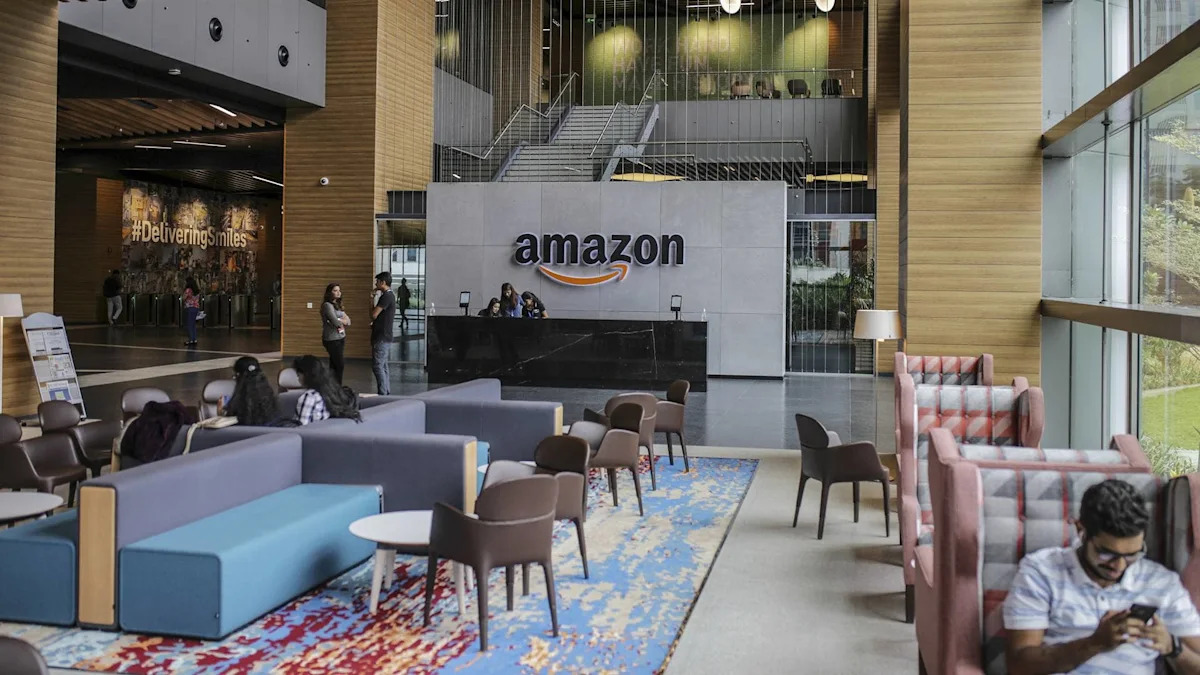
Amazon Reports Strong Q1 Earnings Driven by Anthropic Investment

- Strong Performance: Amazon's Q1 net income reached $30.3 billion with earnings per share at $2.78, significantly up from $17.1 billion and $1.59 a year earlier, showcasing the company's success in AI investments.
- Significant Investment Returns: Amazon recorded $16.8 billion in pre-tax gains from its Anthropic investment, with $12.3 billion stemming from a revaluation of holdings, indicating a substantial impact on the company's financial health.
- Massive Future Potential: Anthropic's IPO could value the company at $965 billion, with Amazon's stake estimated between $135 billion and $160 billion, further enhancing Amazon's market position.
- Deepening Commercial Ties: Anthropic has committed to spending over $100 billion on Amazon's cloud services over the next decade, strengthening the commercial relationship, while AWS revenue grew 28% year-over-year to $37.6 billion in Q1.
See More

SpaceX Sets Record with $2.1 Trillion IPO Valuation


- Record IPO: SpaceX's initial public offering (IPO) set a historic record with an initial valuation of approximately $1.77 trillion, and as of July 2, its market cap has surged to over $2.1 trillion, reflecting strong market confidence in its future potential.
- Diversified Business Transformation: Beyond rocket launches, SpaceX is rapidly expanding its Starlink internet service and xAI artificial intelligence infrastructure, showcasing its potential as a conglomerate and attracting significant investor interest.
- Future Plans Attract Investment: SpaceX's ambitious future plans, including establishing data centers in space and enabling everyday human space travel, spark investor interest, mirroring Tesla's successful trajectory and potentially leading to long-term investment returns.
- High Valuation and Risks: Despite projected revenues of $18.7 billion in 2025, SpaceX's price-to-sales (P/S) ratio stands at 112, indicating high investment risk at current valuations, prompting investors to carefully assess its long-term investment value.
See More

SpaceX's IPO Shows Flat Stock Performance Amidst Promising Future

- IPO Performance: SpaceX's initial public offering (IPO) set a record as the largest in history with an initial valuation of approximately $1.77 trillion, and as of July 2, its market valuation has surpassed $2.1 trillion, reflecting strong market confidence in its future prospects.
- Stock Price Volatility: Despite SpaceX's stock remaining relatively flat during its first 15 trading days, experiencing ups and downs, the underlying business potential, particularly with the rapid growth of Starlink and xAI, continues to attract investor interest.
- Business Diversification: SpaceX is transforming from a single rocket launch company into a conglomerate with successful subsidiaries, where Starlink provides internet services to remote areas and xAI boasts significant advantages in artificial intelligence infrastructure, enhancing the company's competitive position in the market.
- Investor Caution: While SpaceX's ambitious future plans are appealing, its current valuation at 112 times the projected $18.7 billion revenue for 2025 raises concerns, prompting investors to be cautious, especially before the company releases its first quarterly earnings report as a public entity.
See More

Amazon Surpasses Walmart in Revenue

- Revenue Milestone: Amazon has surpassed Walmart in trailing twelve-month revenue for the first time, indicating robust growth in the retail sector that may further solidify its market leadership.
- Investment Signal: A new 'Total Conviction' signal is emerging, reminiscent of the 'Double Down' signal for Nvidia in 2009, suggesting potential investment opportunities, particularly for smaller companies.
- Investment Recommendations: The Motley Fool's analyst team has identified 10 top stocks for investors, notably excluding Walmart, which reflects a cautious outlook on its future performance and may impact investor confidence.
- Return Comparison: Stock Advisor boasts an average return of 918%, significantly outperforming the S&P 500's 208%, highlighting the strong performance of its recommended stocks and attracting more investor interest.
See More
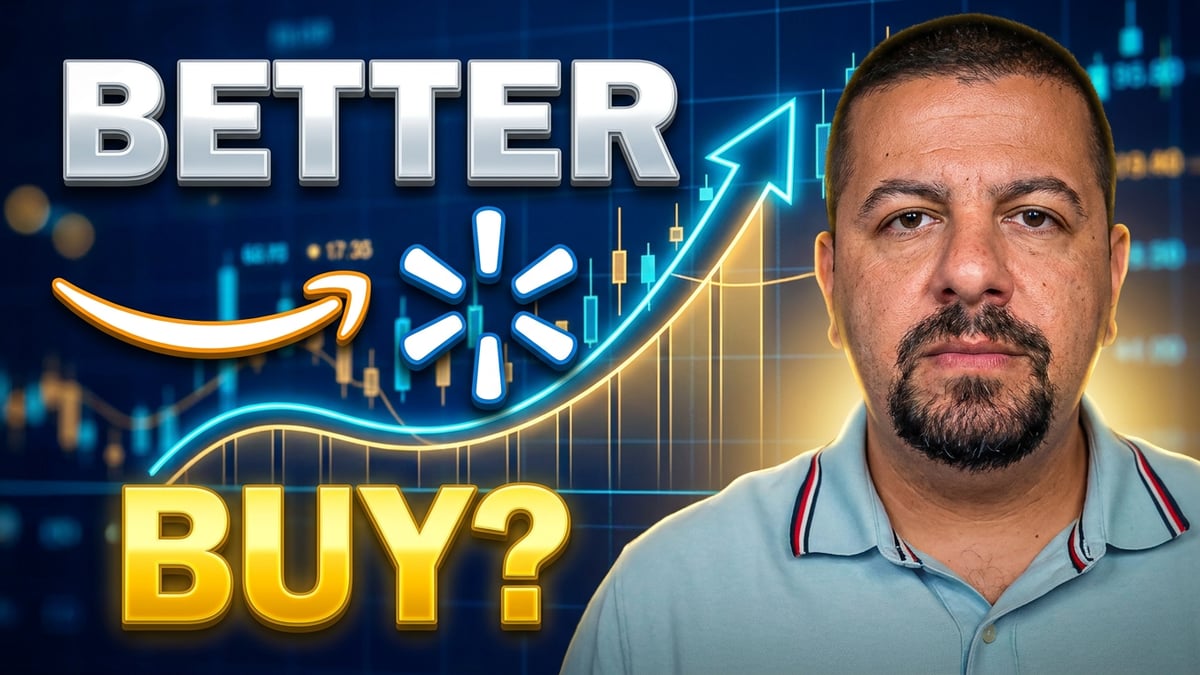
Amazon Surpasses Walmart in Revenue Metrics
- Revenue Leadership: Amazon has surpassed Walmart in trailing twelve-month revenue, indicating strong growth momentum in the retail market and further solidifying its market leadership position.
- Stock Performance: As of the afternoon of July 3, 2026, Amazon's stock price rose by 0.61%, reflecting positive investor sentiment towards its revenue growth, which may bolster future investment confidence.
- Market Competition: This revenue milestone signifies a critical achievement for Amazon in its competition with Walmart, potentially prompting Walmart to adopt new strategies to respond to market changes.
- Video Release Impact: The video published on July 5, 2026, aims to highlight Amazon's market performance, potentially attracting more consumer and investor attention to its future developments.
See More

Amazon Invests $1 Billion to Expand Forward Deployed Engineers for AWS

- Massive Investment: Amazon's announcement of a $1 billion investment to expand its Forward Deployed Engineers (FDE) team underscores its strong commitment and competitive edge in the AI sector, aiming to accelerate enterprise adoption of its AWS platform.
- Advantages of FDE Model: By embedding experienced programmers directly within customer teams, FDEs can swiftly address technical challenges and ensure seamless integration with existing platforms, significantly reducing time-to-value and enhancing customer satisfaction.
- Surging Market Demand: As generative large language models increase the complexity of AI workloads, the FDE model enables AWS to provide comprehensive, specialized support that helps enterprises optimize infrastructure and securely handle sensitive data, further solidifying its market position.
- Learning from Success: Amazon's FDE strategy appears to be inspired by Palantir's successful approach, as embedding technical talent alongside its leading cloud infrastructure and AI suite could allow Amazon to achieve deeper customer relationships and rapid deployment advantages, driving commercial growth.
See More
Amazon Reports Strong Q1 Earnings Driven by Anthropic Investment
- Strong Performance: Amazon's Q1 net income reached $30.3 billion with earnings per share at $2.78, significantly up from $17.1 billion and $1.59 a year earlier, showcasing the company's success in AI investments.
- Significant Investment Returns: Amazon recorded $16.8 billion in pre-tax gains from its Anthropic investment, with $12.3 billion stemming from a revaluation of holdings, indicating a substantial impact on the company's financial health.
- Massive Future Potential: Anthropic's IPO could value the company at $965 billion, with Amazon's stake estimated between $135 billion and $160 billion, further enhancing Amazon's market position.
- Deepening Commercial Ties: Anthropic has committed to spending over $100 billion on Amazon's cloud services over the next decade, strengthening the commercial relationship, while AWS revenue grew 28% year-over-year to $37.6 billion in Q1.
See More
SpaceX Sets Record with $2.1 Trillion IPO Valuation
- Record IPO: SpaceX's initial public offering (IPO) set a historic record with an initial valuation of approximately $1.77 trillion, and as of July 2, its market cap has surged to over $2.1 trillion, reflecting strong market confidence in its future potential.
- Diversified Business Transformation: Beyond rocket launches, SpaceX is rapidly expanding its Starlink internet service and xAI artificial intelligence infrastructure, showcasing its potential as a conglomerate and attracting significant investor interest.
- Future Plans Attract Investment: SpaceX's ambitious future plans, including establishing data centers in space and enabling everyday human space travel, spark investor interest, mirroring Tesla's successful trajectory and potentially leading to long-term investment returns.
- High Valuation and Risks: Despite projected revenues of $18.7 billion in 2025, SpaceX's price-to-sales (P/S) ratio stands at 112, indicating high investment risk at current valuations, prompting investors to carefully assess its long-term investment value.
See More
SpaceX's IPO Shows Flat Stock Performance Amidst Promising Future
- IPO Performance: SpaceX's initial public offering (IPO) set a record as the largest in history with an initial valuation of approximately $1.77 trillion, and as of July 2, its market valuation has surpassed $2.1 trillion, reflecting strong market confidence in its future prospects.
- Stock Price Volatility: Despite SpaceX's stock remaining relatively flat during its first 15 trading days, experiencing ups and downs, the underlying business potential, particularly with the rapid growth of Starlink and xAI, continues to attract investor interest.
- Business Diversification: SpaceX is transforming from a single rocket launch company into a conglomerate with successful subsidiaries, where Starlink provides internet services to remote areas and xAI boasts significant advantages in artificial intelligence infrastructure, enhancing the company's competitive position in the market.
- Investor Caution: While SpaceX's ambitious future plans are appealing, its current valuation at 112 times the projected $18.7 billion revenue for 2025 raises concerns, prompting investors to be cautious, especially before the company releases its first quarterly earnings report as a public entity.
See More
Amazon Surpasses Walmart in Revenue
- Revenue Milestone: Amazon has surpassed Walmart in trailing twelve-month revenue for the first time, indicating robust growth in the retail sector that may further solidify its market leadership.
- Investment Signal: A new 'Total Conviction' signal is emerging, reminiscent of the 'Double Down' signal for Nvidia in 2009, suggesting potential investment opportunities, particularly for smaller companies.
- Investment Recommendations: The Motley Fool's analyst team has identified 10 top stocks for investors, notably excluding Walmart, which reflects a cautious outlook on its future performance and may impact investor confidence.
- Return Comparison: Stock Advisor boasts an average return of 918%, significantly outperforming the S&P 500's 208%, highlighting the strong performance of its recommended stocks and attracting more investor interest.
See More
Amazon Surpasses Walmart in Revenue Metrics
- Revenue Leadership: Amazon has surpassed Walmart in trailing twelve-month revenue, indicating strong growth momentum in the retail market and further solidifying its market leadership position.
- Stock Performance: As of the afternoon of July 3, 2026, Amazon's stock price rose by 0.61%, reflecting positive investor sentiment towards its revenue growth, which may bolster future investment confidence.
- Market Competition: This revenue milestone signifies a critical achievement for Amazon in its competition with Walmart, potentially prompting Walmart to adopt new strategies to respond to market changes.
- Video Release Impact: The video published on July 5, 2026, aims to highlight Amazon's market performance, potentially attracting more consumer and investor attention to its future developments.
See More
Amazon Invests $1 Billion to Expand Forward Deployed Engineers for AWS
- Massive Investment: Amazon's announcement of a $1 billion investment to expand its Forward Deployed Engineers (FDE) team underscores its strong commitment and competitive edge in the AI sector, aiming to accelerate enterprise adoption of its AWS platform.
- Advantages of FDE Model: By embedding experienced programmers directly within customer teams, FDEs can swiftly address technical challenges and ensure seamless integration with existing platforms, significantly reducing time-to-value and enhancing customer satisfaction.
- Surging Market Demand: As generative large language models increase the complexity of AI workloads, the FDE model enables AWS to provide comprehensive, specialized support that helps enterprises optimize infrastructure and securely handle sensitive data, further solidifying its market position.
- Learning from Success: Amazon's FDE strategy appears to be inspired by Palantir's successful approach, as embedding technical talent alongside its leading cloud infrastructure and AI suite could allow Amazon to achieve deeper customer relationships and rapid deployment advantages, driving commercial growth.
See More





