Fed Chair Discusses Inflation Driven by Tariffs and Oil Prices
Written by Emily J. Thompson, Senior Investment Analyst
Updated: 5 days ago
0mins


Should l Buy ABBV?
Source: Fool
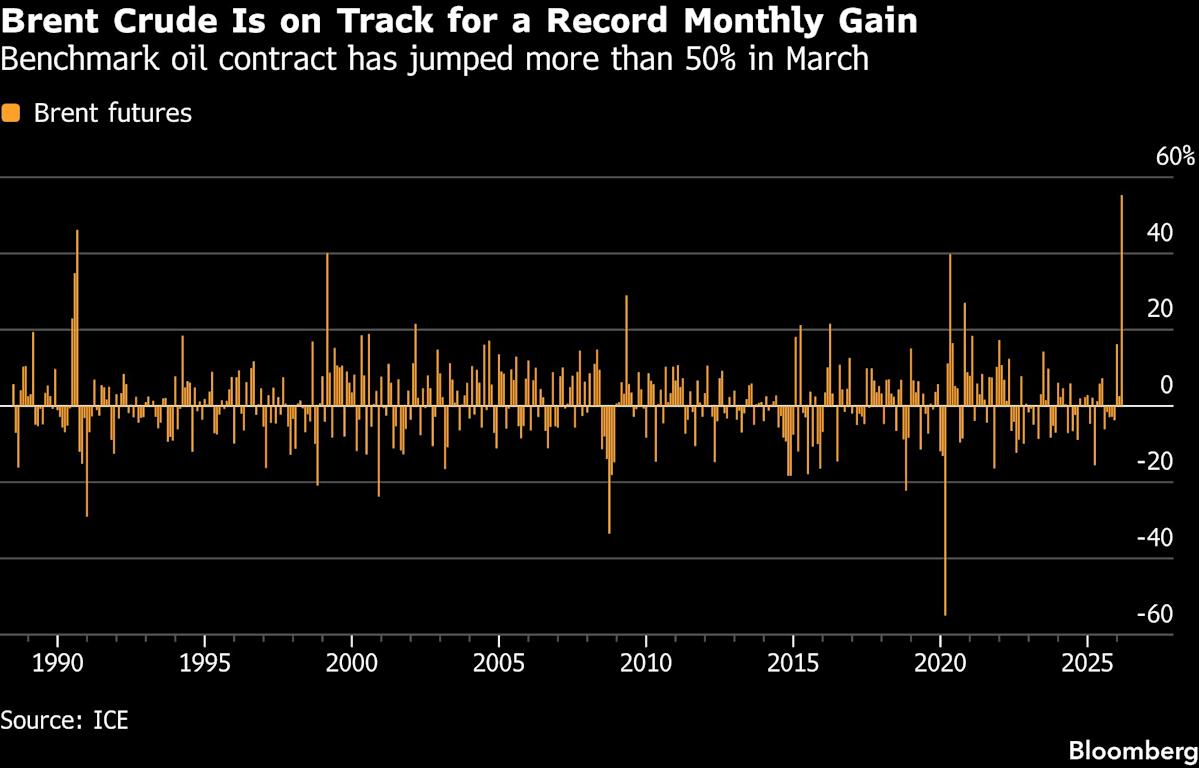
- Inflation Drivers: Fed Chair Jerome Powell indicated that inflation is being driven by tariffs, particularly as oil prices have surged due to supply disruptions in the Middle East, creating an 'oil shock' that impacts various sectors of the economy.
- Fed's Dilemma: Powell emphasized that the Fed faces a dilemma in addressing tariff-driven inflation since raising interest rates does not effectively mitigate inflation caused by tariffs, and slowing economic growth could further weaken the economy if rates are increased.
- Stock Market Risks: In a potential stagflation environment, growth stocks with high valuations and minimal profits are at significant risk, particularly consumer discretionary stocks, as consumers tend to cut back on discretionary spending first during economic slowdowns.
- Defensive Investment Choices: Despite the risks, energy stocks like Chevron and utility stocks may perform relatively well in a high-inflation, low-growth environment due to their stable cash flows and attractive dividends, making them safe havens for investors.
Trade with 70% Backtested Accuracy
Stop guessing "Should I Buy ABBV?" and start using high-conviction signals backed by rigorous historical data.
Sign up today to access powerful investing tools and make smarter, data-driven decisions.
Analyst Views on ABBV
Wall Street analysts forecast ABBV stock price to rise
18 Analyst Rating
12 Buy
6 Hold
0 Sell
Moderate Buy
Current: 209.400

Low
223.00
Averages
252.00
High
289.00
Current: 209.400
Low
223.00
Averages
252.00
High
289.00
About ABBV
AbbVie Inc. is a global, diversified research-based biopharmaceutical company. It is engaged in research and development, manufacturing, commercialization and sale of medicines and therapies. Its product portfolio includes Immunology, Oncology, Aesthetics, Neuroscience, Eye Care and Other Key Products. Immunology products include rheumatology, dermatology and gastroenterology. Oncology products include Imbruvica, Venclexta/Venclyxto, Elahere and Epkinly. Aesthetics portfolio consists of facial injectables, plastics and regenerative medicine, body contouring, and skincare products. Its Neuroscience products include Botox Therapeutic, Vraylar, Duopa and Duodopa, Ubrelvy, and Qulipta. Eye Care products include Ozurdex, Lumigan/Ganfort, Alphagan/Combigan, Restasis, and other eye care. Other key products include Mavyret/Maviret, Creon, and Linzess/Constella. Its investigational candidate, bretisilocin, is for the treatment of patients with moderate-to-severe major depressive disorder (MDD).
About the author

Emily J. Thompson
Emily J. Thompson, a Chartered Financial Analyst (CFA) with 12 years in investment research, graduated with honors from the Wharton School. Specializing in industrial and technology stocks, she provides in-depth analysis for Intellectia’s earnings and market brief reports.
Schwab U.S. Dividend Equity ETF Reconstitution Boosts Healthcare Allocation


- Annual Reconstitution Update: The Schwab U.S. Dividend Equity ETF has optimized its portfolio through the deletion of 22 stocks and the addition of 25 new stocks in its latest annual reconstitution, ensuring it holds the top 100 high-yield dividend stocks and enhancing overall portfolio quality.
- Increased Healthcare Allocation: Following the reconstitution, the allocation to the healthcare sector has risen from 15.4% to 18.9%, with UnitedHealth and Abbott Laboratories joining the top ten holdings at 4% and 3.95% respectively, thereby strengthening the fund's investment in the healthcare sector.
- Dividend Growth Potential: While the overall dividend yield of the ETF remains at 3.4% post-reconstitution, the new holdings boast a higher average five-year dividend growth rate of 9.4%, which is expected to generate greater long-term income for investors, enhancing the fund's appeal.
- Strong Dividend Track Record: Both UnitedHealth and Abbott Laboratories have impressive dividend growth records, with the former increasing dividends by 52% over the past five years and the latter by 40%, providing investors with a stable income source and further solidifying the ETF's investment value.
See More

Schwab U.S. Dividend ETF Reconstitutes, Increases Healthcare Holdings
- Healthcare Stock Increase: The Schwab U.S. Dividend ETF's recent annual reconstitution added two healthcare stocks, raising the sector's allocation from 15.4% to 18.9%, making it the second-largest sector, indicating a strategic focus on the growth potential of healthcare.
- High-Yield Stock Selection: During this reconstitution, UnitedHealth and Abbott Laboratories were added to the top ten holdings with allocations of 4% and 3.95%, respectively, reflecting the fund's preference for high-yield healthcare stocks, which is expected to enhance long-term investor returns.
- Dividend Growth Potential: The new holdings have an average dividend growth rate of 9.4%, surpassing the pre-reconstitution rate of 8.6%, and while the overall yield remains at 3.4%, the faster growth rate could lead to higher total returns for investors in the future.
- Strong Dividend Records: Both UnitedHealth and Abbott have robust dividend growth histories, with the former increasing its dividend by 52% over the past five years and the latter by 40%, showcasing the attractiveness and stability of the healthcare sector in dividend investing.
See More

Eli Lilly Faces Competitive Pressure but Maintains Optimistic Outlook

- Market Performance: Despite leading the weight-loss medicine market, Eli Lilly's shares have fallen 15% this year, raising concerns about intensified competition in its core niche that could erode pricing power and profits.
- Margin Improvement: Since 2020, Eli Lilly's gross and operating margins have significantly improved, with Q4 2025 margins surpassing those of peers, indicating that sales are growing much faster than expenses, reflecting enhanced manufacturing efficiency.
- Manufacturing Capacity Investment: Eli Lilly has invested $55 billion since 2020 to expand its manufacturing capacity, which may hurt profits and margins in the short term but is expected to lower costs and boost capacity, driving significant economies of scale in the long run.
- Artificial Intelligence Initiatives: Eli Lilly has built the largest supercomputer in the pharmaceutical industry with Nvidia's help, aiming to accelerate drug discovery and clinical trial design, with even a 5% reduction in time and costs potentially having a positive impact across the business.
See More

Eli Lilly's Competitive Margin Analysis
- Margin Improvement: Since 2020, Eli Lilly has significantly improved its gross and operating margins, with Q4 2025 margins surpassing those of peers, indicating that sales are growing much faster than expenses, reflecting enhanced drug manufacturing efficiency.
- Competitive Market Pressure: Despite leading the weight-loss drug market, Eli Lilly's shares have fallen 15% this year, raising concerns about potential fierce competition that could erode pricing power and profits in the future.
- Manufacturing Capacity Investment: Eli Lilly has invested $55 billion in expanding its manufacturing capacity since 2020, which may hurt profits in the short term but is expected to lower costs and enhance economies of scale in the long run.
- Artificial Intelligence Applications: Eli Lilly has partnered with Nvidia to build the largest supercomputer in the pharmaceutical industry, aiming to accelerate drug discovery and clinical trial design, with even a 5% reduction in time and costs potentially benefiting the entire business.
See More

AbbVie Advances Dermatology Research at AAD 2026

- Research Presentation: AbbVie will present 24 research abstracts at the 2026 American Academy of Dermatology Annual Meeting, including a significant late-breaking study that underscores the company's leadership in advancing treatment standards for immune-mediated skin diseases, which is expected to reshape future treatment paradigms.
- Long-Term Efficacy Data: The KEEPsAKE 1 Phase 3 trial shows that risankizumab maintains radiographic non-progression in patients with active psoriatic arthritis over five years, indicating its potential to significantly improve patient quality of life.
- Safety Studies: Long-term safety data for upadacitinib in moderate-to-severe atopic dermatitis from three Phase 3 studies reveal six years of results, further solidifying its application prospects and potentially enhancing market acceptance.
- Real-World Evidence: The AD-VISE study provides real-world effectiveness data for upadacitinib across different body regions, highlighting its importance in patient-reported outcomes, which may influence prescribing decisions and treatment choices among physicians.
See More

AbbVie Increases Dividend by Over 330% Since 2013
- Significant Dividend Growth: AbbVie has increased its dividend by over 330% since 2013, which not only enhances investor income expectations but also boosts the company's market appeal, reflecting its stable cash flow and profitability.
- Strong Revenue Growth: Despite losing patent protection for Humira, AbbVie reported an 8.6% year-over-year revenue increase in 2025, indicating the resilience of its product portfolio and sustained market demand, further solidifying its position in the pharmaceutical industry.
- Robust R&D Pipeline: With over 90 drugs currently in development, AbbVie's extensive pipeline not only secures future revenue growth but also demonstrates the company's ongoing commitment to innovation and strategic planning in drug development.
- Reasonable Valuation Levels: AbbVie’s forward-looking P/E ratio stands at 14, slightly above the five-year average of 13, suggesting that the market's growth expectations are reasonable while providing investors with a relatively attractive entry point.
See More
Schwab U.S. Dividend Equity ETF Reconstitution Boosts Healthcare Allocation
- Annual Reconstitution Update: The Schwab U.S. Dividend Equity ETF has optimized its portfolio through the deletion of 22 stocks and the addition of 25 new stocks in its latest annual reconstitution, ensuring it holds the top 100 high-yield dividend stocks and enhancing overall portfolio quality.
- Increased Healthcare Allocation: Following the reconstitution, the allocation to the healthcare sector has risen from 15.4% to 18.9%, with UnitedHealth and Abbott Laboratories joining the top ten holdings at 4% and 3.95% respectively, thereby strengthening the fund's investment in the healthcare sector.
- Dividend Growth Potential: While the overall dividend yield of the ETF remains at 3.4% post-reconstitution, the new holdings boast a higher average five-year dividend growth rate of 9.4%, which is expected to generate greater long-term income for investors, enhancing the fund's appeal.
- Strong Dividend Track Record: Both UnitedHealth and Abbott Laboratories have impressive dividend growth records, with the former increasing dividends by 52% over the past five years and the latter by 40%, providing investors with a stable income source and further solidifying the ETF's investment value.
See More
Schwab U.S. Dividend ETF Reconstitutes, Increases Healthcare Holdings
- Healthcare Stock Increase: The Schwab U.S. Dividend ETF's recent annual reconstitution added two healthcare stocks, raising the sector's allocation from 15.4% to 18.9%, making it the second-largest sector, indicating a strategic focus on the growth potential of healthcare.
- High-Yield Stock Selection: During this reconstitution, UnitedHealth and Abbott Laboratories were added to the top ten holdings with allocations of 4% and 3.95%, respectively, reflecting the fund's preference for high-yield healthcare stocks, which is expected to enhance long-term investor returns.
- Dividend Growth Potential: The new holdings have an average dividend growth rate of 9.4%, surpassing the pre-reconstitution rate of 8.6%, and while the overall yield remains at 3.4%, the faster growth rate could lead to higher total returns for investors in the future.
- Strong Dividend Records: Both UnitedHealth and Abbott have robust dividend growth histories, with the former increasing its dividend by 52% over the past five years and the latter by 40%, showcasing the attractiveness and stability of the healthcare sector in dividend investing.
See More
Eli Lilly Faces Competitive Pressure but Maintains Optimistic Outlook
- Market Performance: Despite leading the weight-loss medicine market, Eli Lilly's shares have fallen 15% this year, raising concerns about intensified competition in its core niche that could erode pricing power and profits.
- Margin Improvement: Since 2020, Eli Lilly's gross and operating margins have significantly improved, with Q4 2025 margins surpassing those of peers, indicating that sales are growing much faster than expenses, reflecting enhanced manufacturing efficiency.
- Manufacturing Capacity Investment: Eli Lilly has invested $55 billion since 2020 to expand its manufacturing capacity, which may hurt profits and margins in the short term but is expected to lower costs and boost capacity, driving significant economies of scale in the long run.
- Artificial Intelligence Initiatives: Eli Lilly has built the largest supercomputer in the pharmaceutical industry with Nvidia's help, aiming to accelerate drug discovery and clinical trial design, with even a 5% reduction in time and costs potentially having a positive impact across the business.
See More
Eli Lilly's Competitive Margin Analysis
- Margin Improvement: Since 2020, Eli Lilly has significantly improved its gross and operating margins, with Q4 2025 margins surpassing those of peers, indicating that sales are growing much faster than expenses, reflecting enhanced drug manufacturing efficiency.
- Competitive Market Pressure: Despite leading the weight-loss drug market, Eli Lilly's shares have fallen 15% this year, raising concerns about potential fierce competition that could erode pricing power and profits in the future.
- Manufacturing Capacity Investment: Eli Lilly has invested $55 billion in expanding its manufacturing capacity since 2020, which may hurt profits in the short term but is expected to lower costs and enhance economies of scale in the long run.
- Artificial Intelligence Applications: Eli Lilly has partnered with Nvidia to build the largest supercomputer in the pharmaceutical industry, aiming to accelerate drug discovery and clinical trial design, with even a 5% reduction in time and costs potentially benefiting the entire business.
See More
AbbVie Advances Dermatology Research at AAD 2026
- Research Presentation: AbbVie will present 24 research abstracts at the 2026 American Academy of Dermatology Annual Meeting, including a significant late-breaking study that underscores the company's leadership in advancing treatment standards for immune-mediated skin diseases, which is expected to reshape future treatment paradigms.
- Long-Term Efficacy Data: The KEEPsAKE 1 Phase 3 trial shows that risankizumab maintains radiographic non-progression in patients with active psoriatic arthritis over five years, indicating its potential to significantly improve patient quality of life.
- Safety Studies: Long-term safety data for upadacitinib in moderate-to-severe atopic dermatitis from three Phase 3 studies reveal six years of results, further solidifying its application prospects and potentially enhancing market acceptance.
- Real-World Evidence: The AD-VISE study provides real-world effectiveness data for upadacitinib across different body regions, highlighting its importance in patient-reported outcomes, which may influence prescribing decisions and treatment choices among physicians.
See More
AbbVie Increases Dividend by Over 330% Since 2013
- Significant Dividend Growth: AbbVie has increased its dividend by over 330% since 2013, which not only enhances investor income expectations but also boosts the company's market appeal, reflecting its stable cash flow and profitability.
- Strong Revenue Growth: Despite losing patent protection for Humira, AbbVie reported an 8.6% year-over-year revenue increase in 2025, indicating the resilience of its product portfolio and sustained market demand, further solidifying its position in the pharmaceutical industry.
- Robust R&D Pipeline: With over 90 drugs currently in development, AbbVie's extensive pipeline not only secures future revenue growth but also demonstrates the company's ongoing commitment to innovation and strategic planning in drug development.
- Reasonable Valuation Levels: AbbVie’s forward-looking P/E ratio stands at 14, slightly above the five-year average of 13, suggesting that the market's growth expectations are reasonable while providing investors with a relatively attractive entry point.
See More