QQEW's Underlying Holdings Imply 11% Gain Potential
Written by Emily J. Thompson, Senior Investment Analyst
Updated: May 16 2024
0mins


Source: NASDAQ.COM
- Analyst Target Price Comparison: ETFs' implied analyst target prices compared to current trading prices.
- Notable Upside Holdings: Three holdings in First Trust NASDAQ-100 Equal Weighted Index Fund ETF (QQEW) with significant upside potential: Walgreens Boots Alliance Inc, Dollar Tree Inc, and CrowdStrike Holdings Inc.
- Analyst Target Prices: Analyst targets for the mentioned holdings: WBA $22.86/share, DLTR $149.14/share, CRWD $389.85/share.
- Analyzing Analyst Targets: Discussion on whether analysts' targets are justified or overly optimistic, highlighting the need for further investor research.
- Additional Information: Mention of other topics like top stocks held by Jim Simons and institutional holders of GLAQ.
Trade with 70% Backtested Accuracy
Stop guessing "Should I Buy DLTR?" and start using high-conviction signals backed by rigorous historical data.
Sign up today to access powerful investing tools and make smarter, data-driven decisions.
Analyst Views on DLTR
Wall Street analysts forecast DLTR stock price to rise
19 Analyst Rating
8 Buy
6 Hold
5 Sell
Hold
Current: 122.650

Low
75.00
Averages
127.41
High
160.00
Current: 122.650
Low
75.00
Averages
127.41
High
160.00
About DLTR
Dollar Tree, Inc. is an operator of retail discount stores operating under the brand names of Dollar Tree and Dollar Tree Canada. The Company operates approximately 9,000 stores across 48 states and the District of Columbia and approximately 275 stores across seven Canadian provinces. Its Dollar Tree segment is an operator of discount variety stores offering merchandise predominantly at the opening price point. The Dollar Tree segment includes its operations under the Dollar Tree and Dollar Tree Canada brands, 16 distribution centers in the United States and two distribution centers in Canada. The merchandise mix in its stores consists of consumable merchandise and discretionary merchandise, including variety merchandise and seasonal goods. Consumable merchandise includes everyday consumables, such as household paper and chemicals, food, candy, health and personal care products, and in most stores, frozen and refrigerated food.
About the author

Emily J. Thompson
Emily J. Thompson, a Chartered Financial Analyst (CFA) with 12 years in investment research, graduated with honors from the Wharton School. Specializing in industrial and technology stocks, she provides in-depth analysis for Intellectia’s earnings and market brief reports.

US Stocks Decline as Oil Prices Surge


- Market Decline: The S&P 500 index fell by 0.79%, the Dow Jones Industrial Average dropped by 1.44%, and the Nasdaq 100 index decreased by 0.61%, reflecting heightened investor caution following President Trump's declaration that the ceasefire with Iran is over, prompting a flight to safety.
- Surge in Oil Prices: WTI crude oil prices surged over 7% to a two-week high as the US launched strikes against Iran, raising concerns about potential disruptions to energy supplies and pushing inflation expectations higher, which in turn lifted the 10-year Treasury note yield to a 1.5-month high of 4.59%.
- Mortgage Applications Decline: US MBA mortgage applications fell by 2.2% in the week ending July 3, with the purchase mortgage sub-index down 0.6% and the refinancing sub-index down 4.1%, indicating that high interest rates are negatively impacting housing demand and could further suppress the recovery in the real estate market.
- Optimistic Earnings Outlook: Bloomberg Intelligence forecasts a 23% increase in corporate earnings for Q2, close to the 30% growth seen in Q1, indicating that AI infrastructure stocks are expected to contribute nearly 60% of the S&P 500's earnings-per-share growth, suggesting a positive long-term outlook despite short-term market volatility.
See More

Stocks Decline Following Trump's Ceasefire Comments


- Market Reaction: Following President Trump's statement that the ceasefire with Iran is effectively over, stocks fell, with West Texas Intermediate crude rising 7% to over $75 per barrel, negatively impacting airlines and consumer stocks, as Boeing dropped 3.5% and Home Depot slid 3%.
- Broadcom Partnership Expansion: Apple detailed its expanding partnership with Broadcom in a multiyear agreement expected to exceed $30 billion, resulting in over 15 billion U.S.-made chips and supporting hundreds of U.S. manufacturing jobs, leading to a 3.5% increase in Broadcom's stock price.
- Wells Fargo Upgrade: Wells Fargo upgraded Old Dominion Freight Line, citing the recent pullback in less-than-truckload shipping stocks as an attractive entry point, which Jim Cramer viewed positively for FedEx Freight, despite its 25% decline since June 9.
- Rapid Fire Recap: Jim highlighted stocks such as Estee Lauder, Dollar Tree, Wynn Resorts, and HCA Holdings at the end of the video, urging investors to remain vigilant and not lose gains due to market volatility.
See More
Dollar Tree Receives Upgrades from Raymond James and Goldman Sachs

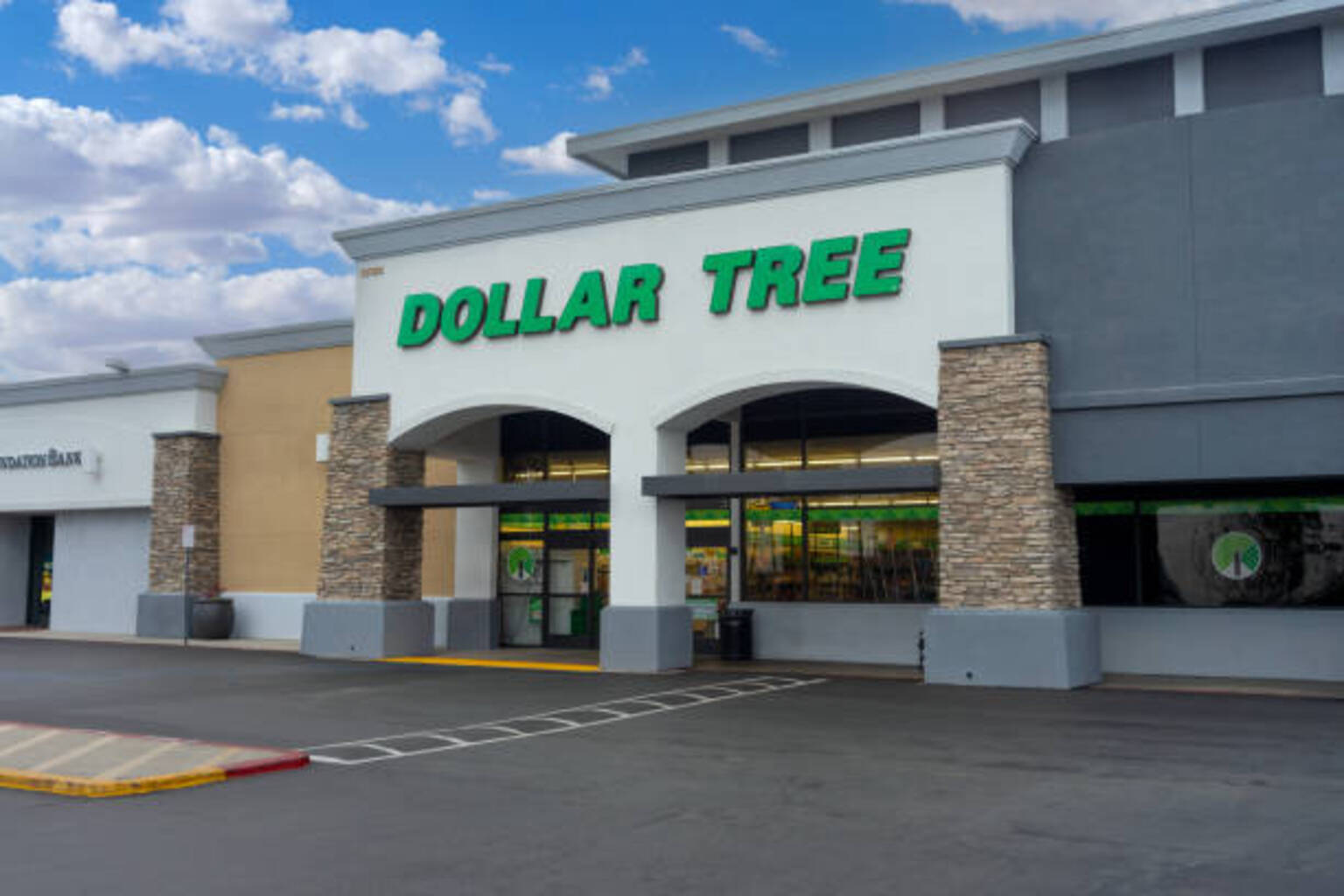
- Rating Upgrades: Dollar Tree (DLTR) received upgrades from both Raymond James and Goldman Sachs on Wednesday, with Raymond James analyst Bobby Griffin assigning an Outperform rating and a $140 price target, indicating a 14% upside from Tuesday's close, reflecting strong consumer resonance with its value proposition despite price changes.
- Cautious Guidance: Although the company issued cautious guidance for the year, Griffin believes that the embedded assumptions, such as high fuel costs and no tax refunds, are overly conservative, suggesting that actual performance may exceed expectations and create multiple avenues for upward revisions.
- Improving Traffic Trends: Griffin noted that improving traffic trends and operational execution in the second half of the year could lead to better-than-expected performance for Dollar Tree, thereby boosting investor confidence and potential stock performance.
- Goldman’s Cautious Stance: Goldman Sachs analyst Kate McShane upgraded the stock from Sell to Neutral, expressing optimism about improved price perceptions but remaining cautious about traffic recovery, as frequent customers still show underperforming metrics compared to historical levels amid a competitive macroeconomic environment.
See More
Latest Wall Street Ratings Overview


- Viking Holdings Rating: BMO initiates coverage of Viking Holdings (VIK) with an Outperform rating and a $115 target price, indicating confidence in the company's future growth despite its high valuation.
- Apple's Sustained Growth: Bernstein reiterates Apple as Outperform, noting a 2% YoY increase in May iPhone sales, with nearly all markets showing positive growth, particularly in Japan and emerging markets, highlighting Apple's competitive strength globally.
- Optimistic Tesla Outlook: Goldman Sachs maintains a neutral rating on Tesla, anticipating that the upcoming earnings report will exceed market expectations, supported by strong second-quarter delivery numbers, reflecting the company's ongoing appeal in the electric vehicle market.
- Pinterest Engagement Growth: DA Davidson initiates a Buy rating on Pinterest with a $26 price target, emphasizing the company's consistent growth in user engagement over the past ten quarters, showcasing its strong performance in the social media sector.
See More

Analysis of Three Stocks Bearish on Wall Street

- Dollar Tree Sales Decline: Over the past three years, Dollar Tree has experienced an annual sales drop of 11.8%, indicating adverse consumer trends that have led to a shrinking market share and negatively impacted profitability.
- Home Bancshares Growth Struggles: Home Bancshares has only achieved an annual growth rate of 5.6% over the past two years, falling short of typical banking sector performance, which may hinder its future investment appeal.
- SentinelOne's Promising Outlook: SentinelOne has averaged 22.8% annual recurring revenue growth, reflecting strong customer confidence in its AI cybersecurity platform, with projected revenue growth of 19.4% over the next 12 months, indicating a solid growth trajectory.
- Market Reaction Analysis: While Dollar Tree and Home Bancshares face challenges, SentinelOne's robust performance may attract investor interest, suggesting that even in uncertain market conditions, there are potential stocks worth investing in.
See More
Dollar Tree Increases Share Repurchase Authorization to $2.5 Billion
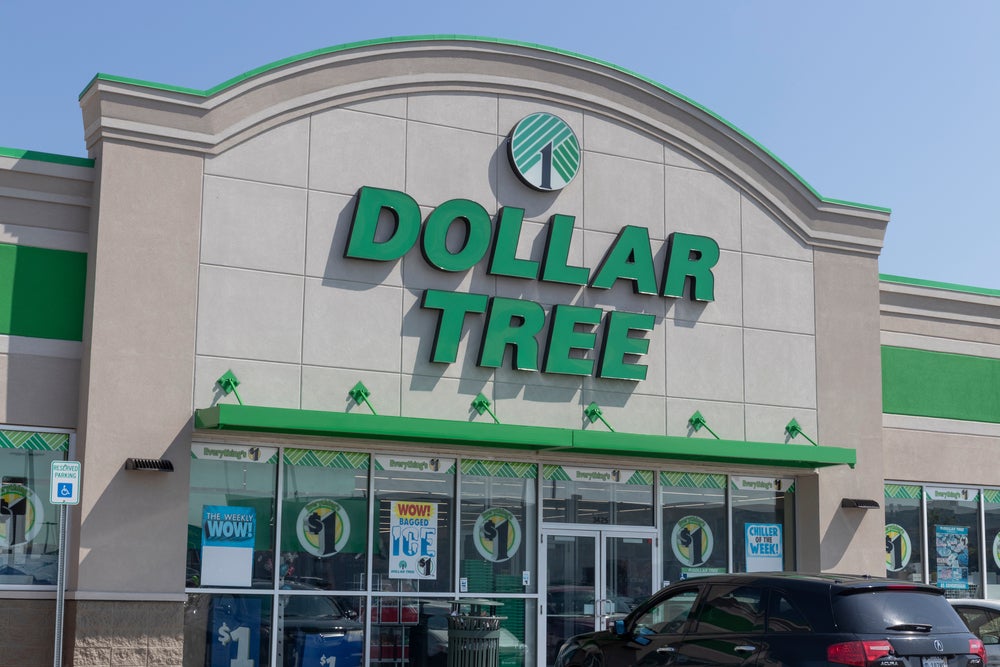
- Repurchase Authorization Boost: Dollar Tree announced an increase in its share repurchase authorization to $2.5 billion, which not only reflects the company's confidence in its long-term growth but also reinforces its commitment to disciplined capital allocation.
- Historical Repurchase Context: Since the initial approval in July 2025, this authorization has no expiration date, allowing the company to repurchase shares in the open market or through private transactions, showcasing its flexible capital management strategy.
- Recent Repurchase Activity: In June 2026, Dollar Tree repurchased $500 million of common stock through a block trade with funds affiliated with Mantle Ridge LP, leaving approximately $700 million remaining under its existing authorization, further boosting market confidence in its stock.
- Positive Market Reaction: In pre-market trading on Nasdaq, Dollar Tree shares rose by 1.30% to $122.72, reflecting investor optimism regarding the company's repurchase plan.
See More
US Stocks Decline as Oil Prices Surge
- Market Decline: The S&P 500 index fell by 0.79%, the Dow Jones Industrial Average dropped by 1.44%, and the Nasdaq 100 index decreased by 0.61%, reflecting heightened investor caution following President Trump's declaration that the ceasefire with Iran is over, prompting a flight to safety.
- Surge in Oil Prices: WTI crude oil prices surged over 7% to a two-week high as the US launched strikes against Iran, raising concerns about potential disruptions to energy supplies and pushing inflation expectations higher, which in turn lifted the 10-year Treasury note yield to a 1.5-month high of 4.59%.
- Mortgage Applications Decline: US MBA mortgage applications fell by 2.2% in the week ending July 3, with the purchase mortgage sub-index down 0.6% and the refinancing sub-index down 4.1%, indicating that high interest rates are negatively impacting housing demand and could further suppress the recovery in the real estate market.
- Optimistic Earnings Outlook: Bloomberg Intelligence forecasts a 23% increase in corporate earnings for Q2, close to the 30% growth seen in Q1, indicating that AI infrastructure stocks are expected to contribute nearly 60% of the S&P 500's earnings-per-share growth, suggesting a positive long-term outlook despite short-term market volatility.
See More
Stocks Decline Following Trump's Ceasefire Comments
- Market Reaction: Following President Trump's statement that the ceasefire with Iran is effectively over, stocks fell, with West Texas Intermediate crude rising 7% to over $75 per barrel, negatively impacting airlines and consumer stocks, as Boeing dropped 3.5% and Home Depot slid 3%.
- Broadcom Partnership Expansion: Apple detailed its expanding partnership with Broadcom in a multiyear agreement expected to exceed $30 billion, resulting in over 15 billion U.S.-made chips and supporting hundreds of U.S. manufacturing jobs, leading to a 3.5% increase in Broadcom's stock price.
- Wells Fargo Upgrade: Wells Fargo upgraded Old Dominion Freight Line, citing the recent pullback in less-than-truckload shipping stocks as an attractive entry point, which Jim Cramer viewed positively for FedEx Freight, despite its 25% decline since June 9.
- Rapid Fire Recap: Jim highlighted stocks such as Estee Lauder, Dollar Tree, Wynn Resorts, and HCA Holdings at the end of the video, urging investors to remain vigilant and not lose gains due to market volatility.
See More
Dollar Tree Receives Upgrades from Raymond James and Goldman Sachs
- Rating Upgrades: Dollar Tree (DLTR) received upgrades from both Raymond James and Goldman Sachs on Wednesday, with Raymond James analyst Bobby Griffin assigning an Outperform rating and a $140 price target, indicating a 14% upside from Tuesday's close, reflecting strong consumer resonance with its value proposition despite price changes.
- Cautious Guidance: Although the company issued cautious guidance for the year, Griffin believes that the embedded assumptions, such as high fuel costs and no tax refunds, are overly conservative, suggesting that actual performance may exceed expectations and create multiple avenues for upward revisions.
- Improving Traffic Trends: Griffin noted that improving traffic trends and operational execution in the second half of the year could lead to better-than-expected performance for Dollar Tree, thereby boosting investor confidence and potential stock performance.
- Goldman’s Cautious Stance: Goldman Sachs analyst Kate McShane upgraded the stock from Sell to Neutral, expressing optimism about improved price perceptions but remaining cautious about traffic recovery, as frequent customers still show underperforming metrics compared to historical levels amid a competitive macroeconomic environment.
See More
Latest Wall Street Ratings Overview
- Viking Holdings Rating: BMO initiates coverage of Viking Holdings (VIK) with an Outperform rating and a $115 target price, indicating confidence in the company's future growth despite its high valuation.
- Apple's Sustained Growth: Bernstein reiterates Apple as Outperform, noting a 2% YoY increase in May iPhone sales, with nearly all markets showing positive growth, particularly in Japan and emerging markets, highlighting Apple's competitive strength globally.
- Optimistic Tesla Outlook: Goldman Sachs maintains a neutral rating on Tesla, anticipating that the upcoming earnings report will exceed market expectations, supported by strong second-quarter delivery numbers, reflecting the company's ongoing appeal in the electric vehicle market.
- Pinterest Engagement Growth: DA Davidson initiates a Buy rating on Pinterest with a $26 price target, emphasizing the company's consistent growth in user engagement over the past ten quarters, showcasing its strong performance in the social media sector.
See More
Analysis of Three Stocks Bearish on Wall Street
- Dollar Tree Sales Decline: Over the past three years, Dollar Tree has experienced an annual sales drop of 11.8%, indicating adverse consumer trends that have led to a shrinking market share and negatively impacted profitability.
- Home Bancshares Growth Struggles: Home Bancshares has only achieved an annual growth rate of 5.6% over the past two years, falling short of typical banking sector performance, which may hinder its future investment appeal.
- SentinelOne's Promising Outlook: SentinelOne has averaged 22.8% annual recurring revenue growth, reflecting strong customer confidence in its AI cybersecurity platform, with projected revenue growth of 19.4% over the next 12 months, indicating a solid growth trajectory.
- Market Reaction Analysis: While Dollar Tree and Home Bancshares face challenges, SentinelOne's robust performance may attract investor interest, suggesting that even in uncertain market conditions, there are potential stocks worth investing in.
See More
Dollar Tree Increases Share Repurchase Authorization to $2.5 Billion
- Repurchase Authorization Boost: Dollar Tree announced an increase in its share repurchase authorization to $2.5 billion, which not only reflects the company's confidence in its long-term growth but also reinforces its commitment to disciplined capital allocation.
- Historical Repurchase Context: Since the initial approval in July 2025, this authorization has no expiration date, allowing the company to repurchase shares in the open market or through private transactions, showcasing its flexible capital management strategy.
- Recent Repurchase Activity: In June 2026, Dollar Tree repurchased $500 million of common stock through a block trade with funds affiliated with Mantle Ridge LP, leaving approximately $700 million remaining under its existing authorization, further boosting market confidence in its stock.
- Positive Market Reaction: In pre-market trading on Nasdaq, Dollar Tree shares rose by 1.30% to $122.72, reflecting investor optimism regarding the company's repurchase plan.
See More