Elon Musk Unveils Terafab Semiconductor Vision

- Surging Chip Demand: Musk envisions a need for one terawatt of computing power annually, while the current global AI computing capacity stands at only 20 gigawatts, indicating a significant demand for semiconductor production that could intensify market competition.
- Tesla and SpaceX's Needs: Tesla and the soon-to-be-public SpaceX will be the primary users of Terafab chips, with Musk predicting that the Optimus robots will require 10 to 100 times the current chip demand, further driving the need for chips.
- Investment and Valuation Challenges: If Terafab were 50 times the size of TSMC, its potential value could reach $90 trillion; however, given the high costs and technological challenges of semiconductor manufacturing, investors must cautiously assess the feasibility of this vision.
- Technical and Talent Shortages: Achieving the goals of Terafab requires massive investment and top-tier talent, while the current technological barriers and talent competition in the semiconductor industry pose significant challenges that could impact the long-term growth of Tesla and SpaceX.
Trade with 70% Backtested Accuracy
Analyst Views on SATS

About SATS
About the author

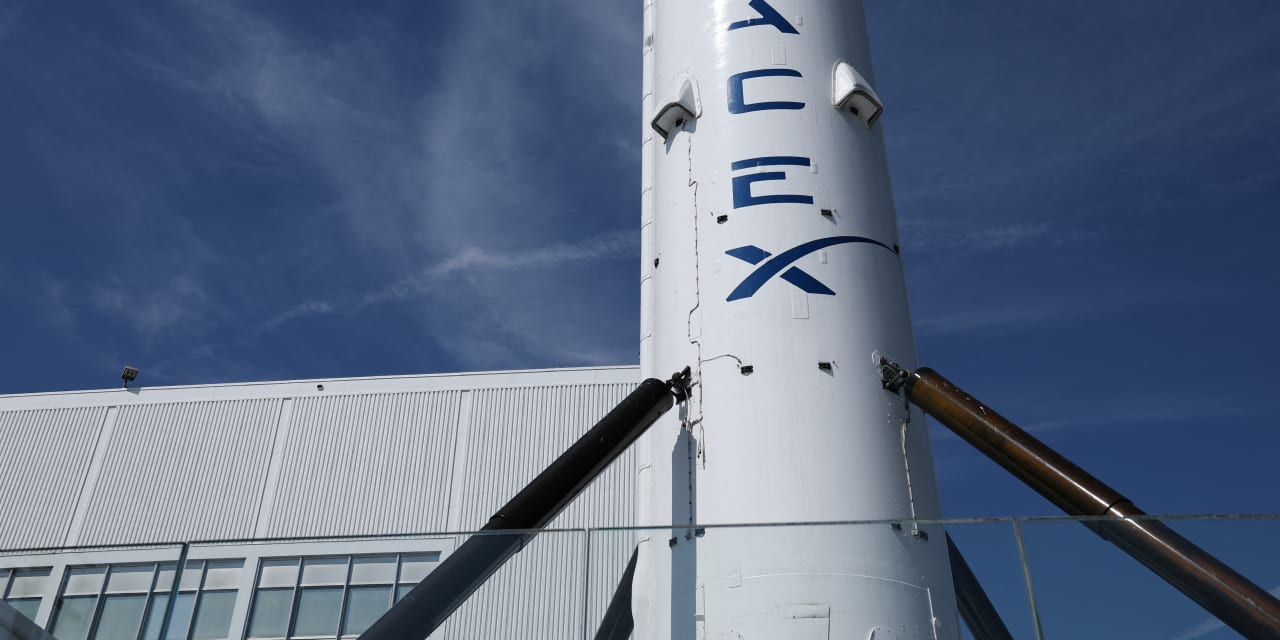
SpaceX's IPO Signals the Arrival of Disruption

- SpaceX IPO Significance: The upcoming SpaceX initial public offering (IPO) is anticipated to be a landmark event in the capital markets, potentially setting new records.
- Creation of a Trillion-Dollar Company: The IPO is expected to establish SpaceX as a new trillion-dollar company, providing significant investment opportunities for investors.
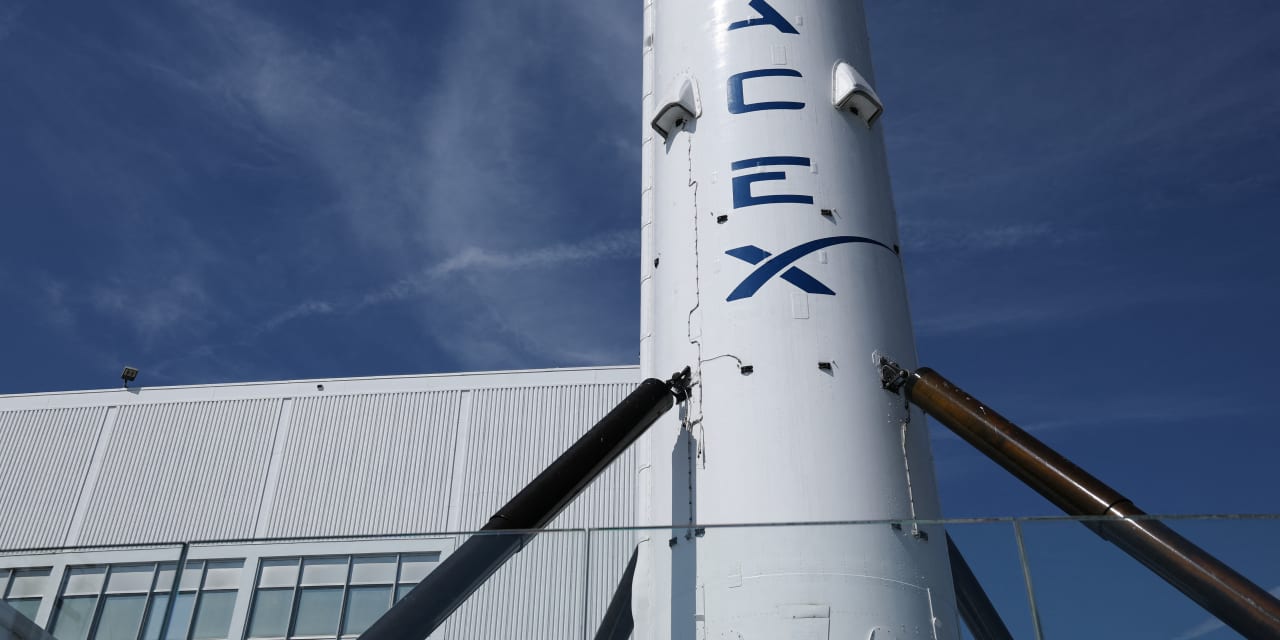
SpaceX Warns Investors of Upcoming Disruption Before Major IPO
- SpaceX IPO Significance: The SpaceX initial public offering is anticipated to be a landmark event in the capital markets, potentially setting new records.
- Creation of a Trillion-Dollar Company: The IPO is expected to establish SpaceX as a new trillion-dollar company, offering significant investment opportunities for investors.
Elon Musk Unveils Terafab Semiconductor Vision

- Surging Chip Demand: Musk envisions a need for one terawatt of computing power annually, while the current global AI computing capacity stands at only 20 gigawatts, indicating a significant demand for semiconductor production that could intensify market competition.
- Tesla and SpaceX's Needs: Tesla and the soon-to-be-public SpaceX will be the primary users of Terafab chips, with Musk predicting that the Optimus robots will require 10 to 100 times the current chip demand, further driving the need for chips.
- Investment and Valuation Challenges: If Terafab were 50 times the size of TSMC, its potential value could reach $90 trillion; however, given the high costs and technological challenges of semiconductor manufacturing, investors must cautiously assess the feasibility of this vision.
- Technical and Talent Shortages: Achieving the goals of Terafab requires massive investment and top-tier talent, while the current technological barriers and talent competition in the semiconductor industry pose significant challenges that could impact the long-term growth of Tesla and SpaceX.
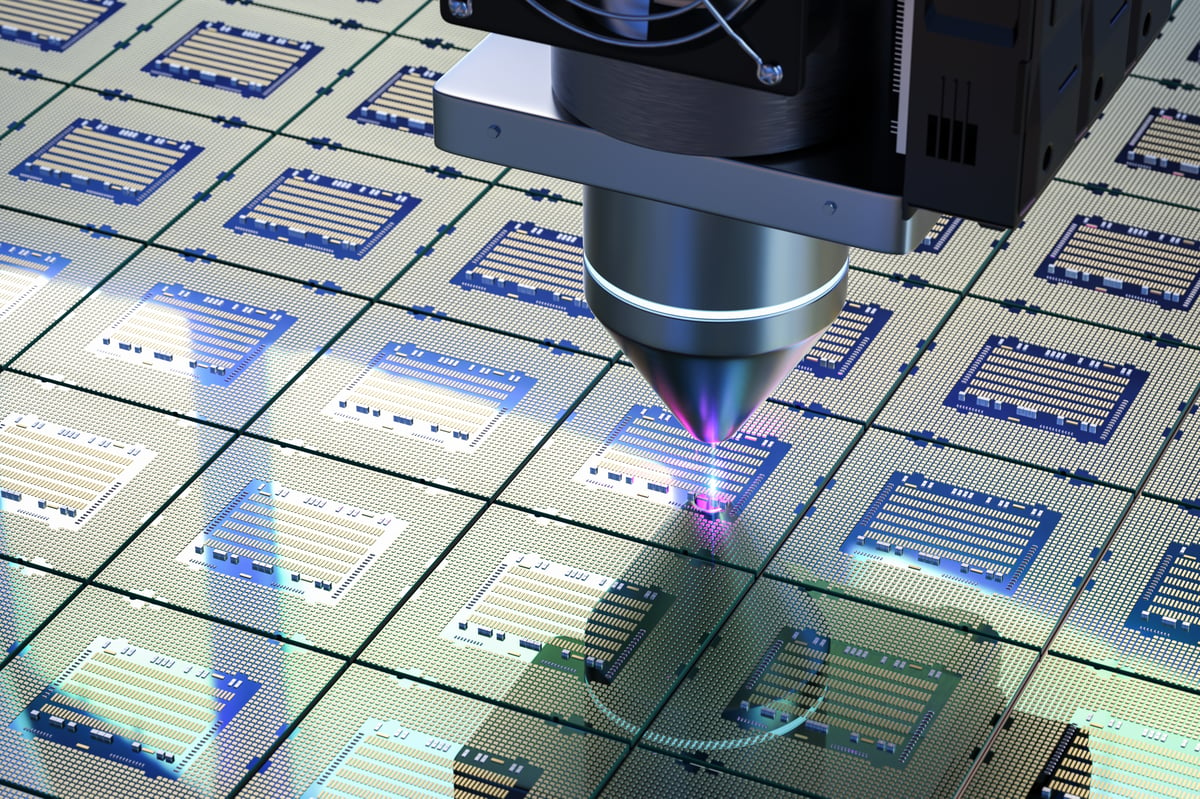
Elon Musk Unveils Terafab Semiconductor Factory
- Semiconductor Production Challenge: Musk's introduction of Terafab aims for a terawatt of compute annually, while the current global AI computing capacity stands at only 20 gigawatts, highlighting a significant market demand and production gap that may attract investor interest.
- Tesla and SpaceX Demand: Tesla and the soon-to-be-public SpaceX will be the primary users of Terafab chips, with predictions that the Optimus robots will require 10 to 100 times more chips than Tesla's robotaxi fleet, indicating a massive future demand for chips.
- Technical and Financial Challenges: Manufacturing semiconductors at this scale presents enormous technical and financial hurdles, with estimated capital expenditures reaching $6 trillion, and even with improved efficiency, a $3 trillion investment would still be necessary, underscoring the project's high-risk nature.
- Cautious Investor Sentiment: While the vision for Terafab is enticing, investors should exercise caution when incorporating it into the valuations of Tesla and SpaceX, as the substantial investments and technological challenges suggest that any production or financial returns may take a long time to materialize.
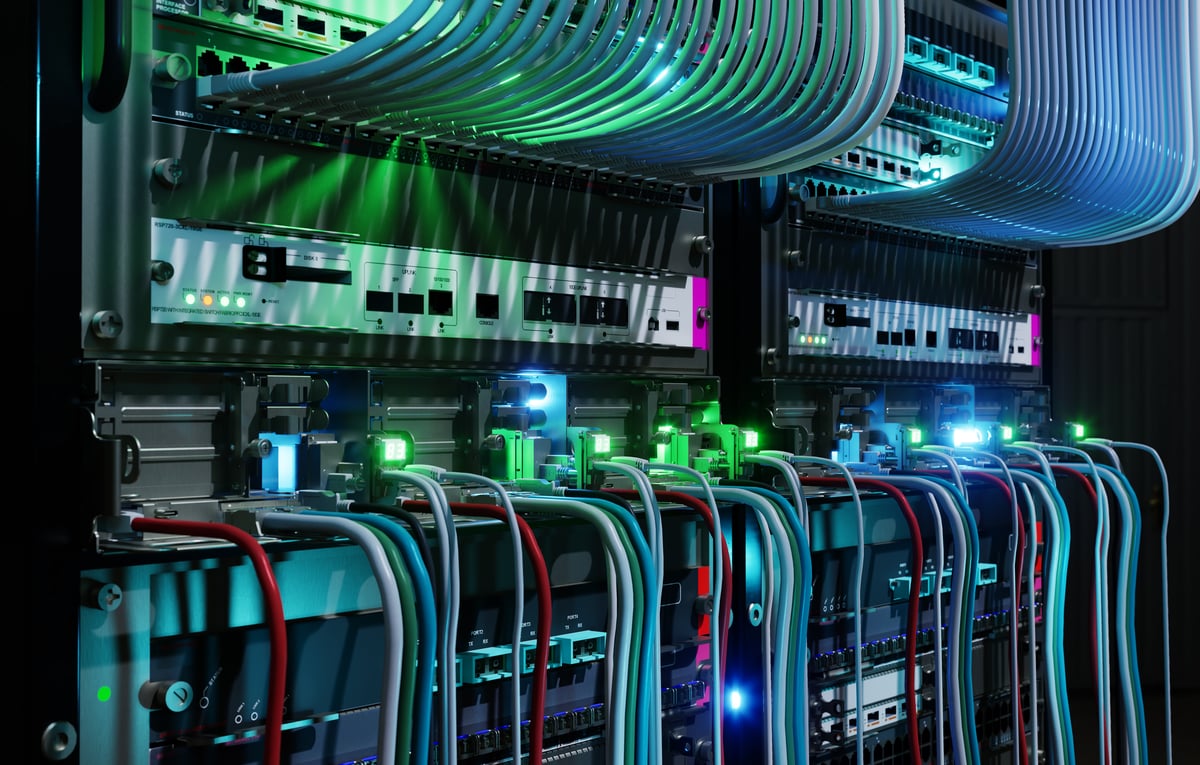
S&P 500 Quarterly Rebalance Adds AI Stocks

- Quarterly Rebalance Overview: S&P Dow Jones Indices rebalanced on March 6, adding four AI-related stocks, including Coherent, EchoStar, Lumentum, and Vertiv Holdings, effective March 23, reflecting changes in market capitalizations.
- Lumentum's Strong Performance: Lumentum's stock has surged approximately 116% this year, with a current market cap of $49 billion, primarily driven by Nvidia's $2 billion investment aimed at advancing optical networking products, highlighting its critical role in scaling AI factories.
- EchoStar's Growth Potential: EchoStar's stock has skyrocketed 360% over the past 52 weeks, although it has only risen 13% this year; its position in the communication services sector allows it to benefit from the S&P 500's influence, attracting more investor attention.
- Investor Focus on Index Effect: All four newly added stocks experienced price increases post their S&P 500 inclusion, indicating that the

S&P 500 Rebalancing: Three Major AI Stocks Secure Their Place in the Index
S&P 500 Rebalancing: The S&P 500 has completed its latest quarterly rebalancing, adding four new stocks, primarily in the AI sector, while removing four others that have seen significant declines in market capitalization.
Market Capitalization Requirements: To be eligible for inclusion in the S&P 500, companies must have a market capitalization of at least $22.7 billion, with those falling below this threshold typically facing removal.
Performance of New Additions: The newly added stocks, including EchoStar, have shown impressive performance, with some companies experiencing substantial stock price increases over the past year, indicating strong market interest.
Future Outlook: The article highlights the importance of optical networking in data center infrastructure, with companies like Lumentum and Coherent positioned as leaders in this space, supported by significant investments from NVIDIA to enhance research and manufacturing capabilities.
SpaceX's IPO Signals the Arrival of Disruption
- SpaceX IPO Significance: The upcoming SpaceX initial public offering (IPO) is anticipated to be a landmark event in the capital markets, potentially setting new records.
- Creation of a Trillion-Dollar Company: The IPO is expected to establish SpaceX as a new trillion-dollar company, providing significant investment opportunities for investors.
SpaceX Warns Investors of Upcoming Disruption Before Major IPO
- SpaceX IPO Significance: The SpaceX initial public offering is anticipated to be a landmark event in the capital markets, potentially setting new records.
- Creation of a Trillion-Dollar Company: The IPO is expected to establish SpaceX as a new trillion-dollar company, offering significant investment opportunities for investors.
Elon Musk Unveils Terafab Semiconductor Vision
- Surging Chip Demand: Musk envisions a need for one terawatt of computing power annually, while the current global AI computing capacity stands at only 20 gigawatts, indicating a significant demand for semiconductor production that could intensify market competition.
- Tesla and SpaceX's Needs: Tesla and the soon-to-be-public SpaceX will be the primary users of Terafab chips, with Musk predicting that the Optimus robots will require 10 to 100 times the current chip demand, further driving the need for chips.
- Investment and Valuation Challenges: If Terafab were 50 times the size of TSMC, its potential value could reach $90 trillion; however, given the high costs and technological challenges of semiconductor manufacturing, investors must cautiously assess the feasibility of this vision.
- Technical and Talent Shortages: Achieving the goals of Terafab requires massive investment and top-tier talent, while the current technological barriers and talent competition in the semiconductor industry pose significant challenges that could impact the long-term growth of Tesla and SpaceX.
Elon Musk Unveils Terafab Semiconductor Factory
- Semiconductor Production Challenge: Musk's introduction of Terafab aims for a terawatt of compute annually, while the current global AI computing capacity stands at only 20 gigawatts, highlighting a significant market demand and production gap that may attract investor interest.
- Tesla and SpaceX Demand: Tesla and the soon-to-be-public SpaceX will be the primary users of Terafab chips, with predictions that the Optimus robots will require 10 to 100 times more chips than Tesla's robotaxi fleet, indicating a massive future demand for chips.
- Technical and Financial Challenges: Manufacturing semiconductors at this scale presents enormous technical and financial hurdles, with estimated capital expenditures reaching $6 trillion, and even with improved efficiency, a $3 trillion investment would still be necessary, underscoring the project's high-risk nature.
- Cautious Investor Sentiment: While the vision for Terafab is enticing, investors should exercise caution when incorporating it into the valuations of Tesla and SpaceX, as the substantial investments and technological challenges suggest that any production or financial returns may take a long time to materialize.
S&P 500 Quarterly Rebalance Adds AI Stocks
- Quarterly Rebalance Overview: S&P Dow Jones Indices rebalanced on March 6, adding four AI-related stocks, including Coherent, EchoStar, Lumentum, and Vertiv Holdings, effective March 23, reflecting changes in market capitalizations.
- Lumentum's Strong Performance: Lumentum's stock has surged approximately 116% this year, with a current market cap of $49 billion, primarily driven by Nvidia's $2 billion investment aimed at advancing optical networking products, highlighting its critical role in scaling AI factories.
- EchoStar's Growth Potential: EchoStar's stock has skyrocketed 360% over the past 52 weeks, although it has only risen 13% this year; its position in the communication services sector allows it to benefit from the S&P 500's influence, attracting more investor attention.
- Investor Focus on Index Effect: All four newly added stocks experienced price increases post their S&P 500 inclusion, indicating that the
S&P 500 Rebalancing: Three Major AI Stocks Secure Their Place in the Index
S&P 500 Rebalancing: The S&P 500 has completed its latest quarterly rebalancing, adding four new stocks, primarily in the AI sector, while removing four others that have seen significant declines in market capitalization.
Market Capitalization Requirements: To be eligible for inclusion in the S&P 500, companies must have a market capitalization of at least $22.7 billion, with those falling below this threshold typically facing removal.
Performance of New Additions: The newly added stocks, including EchoStar, have shown impressive performance, with some companies experiencing substantial stock price increases over the past year, indicating strong market interest.
Future Outlook: The article highlights the importance of optical networking in data center infrastructure, with companies like Lumentum and Coherent positioned as leaders in this space, supported by significant investments from NVIDIA to enhance research and manufacturing capabilities.