Defense Stocks Surge Amid Middle East Conflict
Written by Emily J. Thompson, Senior Investment Analyst
Updated: Mar 02 2026
0mins
Source: Fool
- Strong Defense Stock Performance: Defense stocks surged on Monday as investors sought safe havens, with Northrop Grumman (NOC) rising 6% and Lockheed Martin (LMT) up 3.4%, reflecting increased market confidence in defense spending.
- Escalation of Middle East Conflict: The U.S. and Israeli militaries launched large-scale operations against Iran over the weekend, with President Trump stating that these strikes aim to prevent Iran from acquiring nuclear weapons and could last four to five weeks or longer, further driving defense demand.
- Increased Arms Demand: As the conflict escalates, U.S. and allied forces are expected to utilize a vast array of ordnance, leading to a significant increase in demand for defense systems in the coming months and years, providing long-term benefits to related defense companies.
- Key Supplier Roles: Companies like RTX, Lockheed Martin, Huntington Ingalls, and General Dynamics serve as primary suppliers to the U.S. Armed Forces, responsible for producing interceptors, fighter jets, and naval vessels, ensuring the security of the U.S. and its allies.
Trade with 70% Backtested Accuracy
Stop guessing "Should I Buy NOC?" and start using high-conviction signals backed by rigorous historical data.
Sign up today to access powerful investing tools and make smarter, data-driven decisions.
Analyst Views on NOC
Wall Street analysts forecast NOC stock price to fall
13 Analyst Rating
10 Buy
3 Hold
0 Sell
Strong Buy
Current: 747.340

Low
630.00
Averages
684.08
High
770.00
Current: 747.340
Low
630.00
Averages
684.08
High
770.00
About NOC
Northrop Grumman Corporation is a global aerospace and defense technology company. Its segments include Aeronautics Systems, Defense Systems, Mission Systems, and Space Systems. Aeronautics Systems is engaged in the design, development, production, integration, sustainment and modernization of military aircraft systems for the United States Air Force, the United States Navy, other United States government agencies, and international customers. Defense Systems is engaged in the design, engineering, development, integration, and manufacturing of deterrent systems, advanced tactical weapons, and missile defense solutions. Mission Systems is a provider of mission solutions and multifunction systems. Its products and services include command, control, communications and computers, and reconnaissance (C4ISR) systems. Space Systems delivers end-to-end mission solutions through the design, development, integration, production and operation of space, missile defense, and launch systems.
About the author

Emily J. Thompson
Emily J. Thompson, a Chartered Financial Analyst (CFA) with 12 years in investment research, graduated with honors from the Wharton School. Specializing in industrial and technology stocks, she provides in-depth analysis for Intellectia’s earnings and market brief reports.

US Defense Secretary Declares Intensified Strikes Against Iran


- Military Action Escalation: Defense Secretary Hegseth announced that Tuesday will mark the most intense day of strikes against Iran, with the U.S. observing the lowest number of missiles fired by Iran in the past 24 hours, indicating a significant decline in its military capabilities and potential further losses in the conflict.
- Control of Strategic Objectives: Hegseth emphasized that President Trump will dictate the pace of the war, deciding when specific objectives are achieved, which could influence the U.S.'s long-term military deployment and diplomatic strategy in the Middle East.
- Oil Price Volatility Impact: As the conflict escalates, oil prices surged past $110, prompting the G7 to consider releasing emergency reserves to mitigate economic pressures from the widening Middle East war, which could have profound implications for global energy markets, particularly for oil-importing nations.
- New Leadership Challenges: Trump expressed dissatisfaction with Iran's new supreme leader Mojtaba Khamenei, suggesting he cannot live in peace, which may exacerbate tensions in U.S.-Iran relations and affect future diplomatic negotiations.
See More
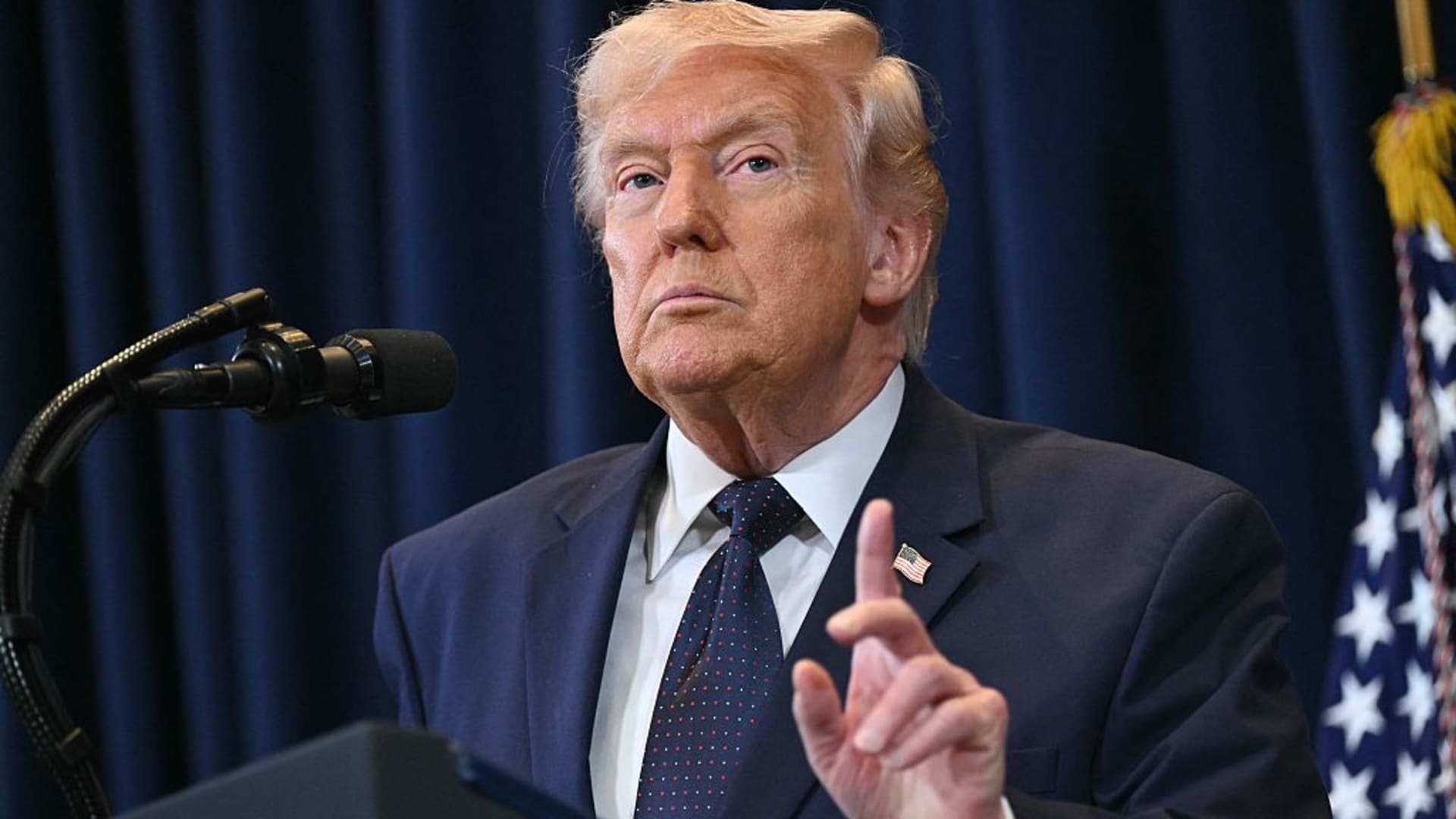
Trump Hints at Imminent End to U.S.-Iran War, Boosting Market Confidence


- Market Recovery: Following President Trump's indication that the U.S.-Iran war could soon end, the Dow Jones Industrial Average rose over 230 points, marking a more than 1,100-point rebound from session lows, reflecting a restoration of investor confidence.
- Oil Price Volatility: Despite the boost in market confidence from Trump's remarks, U.S. crude oil prices closed lower after surging above $100 per barrel, indicating ongoing concerns about the oil supply disruption.
- New Investment Opportunities: Billionaire investor Bill Ackman's hedge fund, Pershing Square, has filed to list on the New York Stock Exchange, with $2.8 billion in secured commitments expected, enhancing public confidence in its investment platform.
- Economic Outlook Warning: Rising oil prices and a weak jobs report have led economists to warn of potential stagflation in the U.S., with prediction markets showing recession odds rising above 34%, reflecting growing concerns about future economic growth.
See More
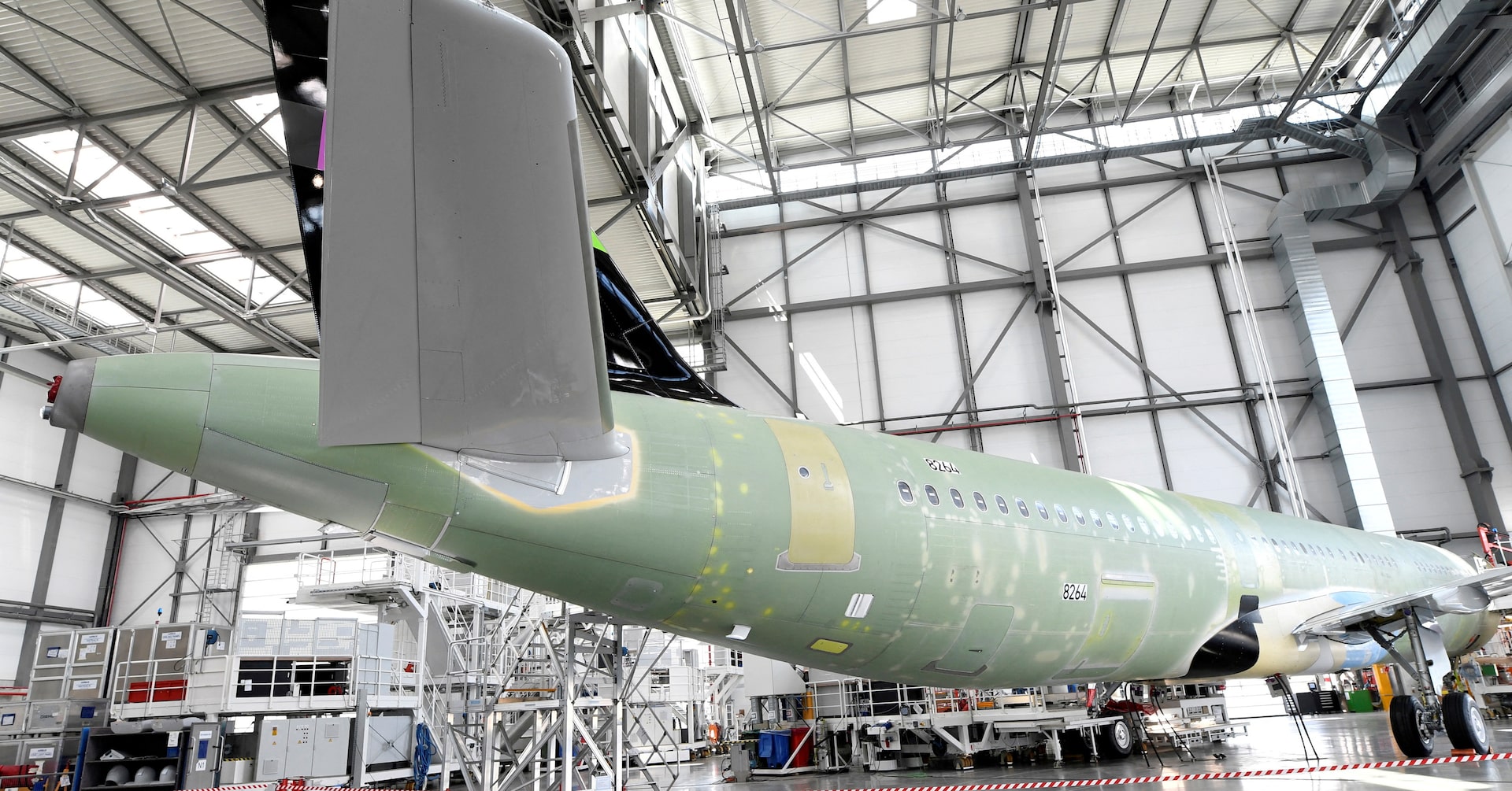
Pentagon Moves to Rebuild Rare Earth Metal Supply Chain

- Contract Award: REalloys (ALOY) announced that the Defense Logistics Agency (DLA) has awarded its subsidiary Terves LLC a contract to advance the production of rare earth metals samarium and gadolinium, with an expected capacity of 300 tons per year, significantly enhancing U.S. self-sufficiency in rare earth metals.
- Strategic Shift: This contract represents a major shift in U.S. defense procurement policy, banning the use of Chinese-sourced rare earth materials, aiming to rebuild domestic metallization capabilities that have eroded over decades, thereby reducing reliance on China and enhancing national security.
- Modular Design: REalloys is utilizing a modular production facility design that allows for rapid deployment and replication while reducing capital and operating costs, providing a competitive edge in meeting the growing defense demands.
- Supply Chain Reconstruction: This initiative is part of a broader effort to rebuild rare earth processing capacity in the U.S., with REalloys integrating multiple stages of the value chain through partnerships with various suppliers, ensuring a stable material supply for future defense needs.
See More
Pentagon Moves to Rebuild Rare Earth Metal Supply Chain


- Contract Award: REalloys (ALOY) announced that the Defense Logistics Agency (DLA) has awarded Terves LLC a contract to advance the production of rare earth metals samarium and gadolinium, with an expected capacity of 300 tons per year, significantly enhancing the self-sufficiency of the U.S. defense industry.
- Strategic Shift: This contract represents a major shift in U.S. rare earth strategy, focusing on industrial production of metals and alloys rather than mining, aiming to reduce dependence on China and ensure a stable supply of defense materials.
- Modular Design: REalloys' production facility features a modular design that allows for rapid deployment and replication, reducing capital and operating costs, which will accelerate the production capacity of rare earth metals and aligns with the Pentagon's supply chain strategy.
- Supply Chain Reconstruction: With the implementation of new procurement rules in 2027, REalloys' project will be crucial in rebuilding rare earth processing capabilities in North America, ensuring the competitiveness and security of material supply in the U.S. defense sector.
See More

Iran's Strikes on Gulf Neighbors Create Trust Crisis
- Trust Crisis Intensifies: Iran's attacks on Gulf neighbors have created a significant trust gap, with a UAE official stating that this gap could last for decades, impacting future diplomatic relations.
- Defense of Military Targets: Iran's foreign minister claims that its strikes are aimed at U.S. military assets, asserting their legitimacy under international law, yet this justification has sparked strong backlash from neighboring countries.
- Infrastructure Damage: The Iranian attacks have not only targeted military bases but also critical energy infrastructure, damaging multiple facilities including civilian airports, which further escalates regional tensions.
- Diplomatic Relations Strained: The Gulf Cooperation Council condemned Iran's
See More

South Korea Opposes U.S. Air Defense Asset Redeployment
- U.S. Asset Redeployment: South Korean President Lee Jae-myung stated that while opposing the U.S. moving some air defense systems out of the country, they cannot make strong demands, highlighting South Korea's passive position in U.S. military strategy adjustments.
- Defense Capability Assessment: Lee emphasized that even if U.S. assets are moved, South Korea's deterrence capability against North Korea would not suffer a serious setback, indicating strong confidence in its defense despite strained relations with Pyongyang.
- Importance of Patriot Systems: Although South Korea has developed its own missile defense systems, the Patriot system remains a crucial component of its air defense architecture, reflecting a strategic reliance on U.S. technology to counter North Korean threats.
- Background of U.S. Troop Movements: The U.S. is considering redeploying Patriot systems to South Korea due to increased demand for air defense in the Middle East, which may raise concerns about the U.S. prioritizing Middle Eastern interests over its Asian allies.
See More
US Defense Secretary Declares Intensified Strikes Against Iran
- Military Action Escalation: Defense Secretary Hegseth announced that Tuesday will mark the most intense day of strikes against Iran, with the U.S. observing the lowest number of missiles fired by Iran in the past 24 hours, indicating a significant decline in its military capabilities and potential further losses in the conflict.
- Control of Strategic Objectives: Hegseth emphasized that President Trump will dictate the pace of the war, deciding when specific objectives are achieved, which could influence the U.S.'s long-term military deployment and diplomatic strategy in the Middle East.
- Oil Price Volatility Impact: As the conflict escalates, oil prices surged past $110, prompting the G7 to consider releasing emergency reserves to mitigate economic pressures from the widening Middle East war, which could have profound implications for global energy markets, particularly for oil-importing nations.
- New Leadership Challenges: Trump expressed dissatisfaction with Iran's new supreme leader Mojtaba Khamenei, suggesting he cannot live in peace, which may exacerbate tensions in U.S.-Iran relations and affect future diplomatic negotiations.
See More
Trump Hints at Imminent End to U.S.-Iran War, Boosting Market Confidence
- Market Recovery: Following President Trump's indication that the U.S.-Iran war could soon end, the Dow Jones Industrial Average rose over 230 points, marking a more than 1,100-point rebound from session lows, reflecting a restoration of investor confidence.
- Oil Price Volatility: Despite the boost in market confidence from Trump's remarks, U.S. crude oil prices closed lower after surging above $100 per barrel, indicating ongoing concerns about the oil supply disruption.
- New Investment Opportunities: Billionaire investor Bill Ackman's hedge fund, Pershing Square, has filed to list on the New York Stock Exchange, with $2.8 billion in secured commitments expected, enhancing public confidence in its investment platform.
- Economic Outlook Warning: Rising oil prices and a weak jobs report have led economists to warn of potential stagflation in the U.S., with prediction markets showing recession odds rising above 34%, reflecting growing concerns about future economic growth.
See More
Pentagon Moves to Rebuild Rare Earth Metal Supply Chain
- Contract Award: REalloys (ALOY) announced that the Defense Logistics Agency (DLA) has awarded its subsidiary Terves LLC a contract to advance the production of rare earth metals samarium and gadolinium, with an expected capacity of 300 tons per year, significantly enhancing U.S. self-sufficiency in rare earth metals.
- Strategic Shift: This contract represents a major shift in U.S. defense procurement policy, banning the use of Chinese-sourced rare earth materials, aiming to rebuild domestic metallization capabilities that have eroded over decades, thereby reducing reliance on China and enhancing national security.
- Modular Design: REalloys is utilizing a modular production facility design that allows for rapid deployment and replication while reducing capital and operating costs, providing a competitive edge in meeting the growing defense demands.
- Supply Chain Reconstruction: This initiative is part of a broader effort to rebuild rare earth processing capacity in the U.S., with REalloys integrating multiple stages of the value chain through partnerships with various suppliers, ensuring a stable material supply for future defense needs.
See More
Pentagon Moves to Rebuild Rare Earth Metal Supply Chain
- Contract Award: REalloys (ALOY) announced that the Defense Logistics Agency (DLA) has awarded Terves LLC a contract to advance the production of rare earth metals samarium and gadolinium, with an expected capacity of 300 tons per year, significantly enhancing the self-sufficiency of the U.S. defense industry.
- Strategic Shift: This contract represents a major shift in U.S. rare earth strategy, focusing on industrial production of metals and alloys rather than mining, aiming to reduce dependence on China and ensure a stable supply of defense materials.
- Modular Design: REalloys' production facility features a modular design that allows for rapid deployment and replication, reducing capital and operating costs, which will accelerate the production capacity of rare earth metals and aligns with the Pentagon's supply chain strategy.
- Supply Chain Reconstruction: With the implementation of new procurement rules in 2027, REalloys' project will be crucial in rebuilding rare earth processing capabilities in North America, ensuring the competitiveness and security of material supply in the U.S. defense sector.
See More
Iran's Strikes on Gulf Neighbors Create Trust Crisis
- Trust Crisis Intensifies: Iran's attacks on Gulf neighbors have created a significant trust gap, with a UAE official stating that this gap could last for decades, impacting future diplomatic relations.
- Defense of Military Targets: Iran's foreign minister claims that its strikes are aimed at U.S. military assets, asserting their legitimacy under international law, yet this justification has sparked strong backlash from neighboring countries.
- Infrastructure Damage: The Iranian attacks have not only targeted military bases but also critical energy infrastructure, damaging multiple facilities including civilian airports, which further escalates regional tensions.
- Diplomatic Relations Strained: The Gulf Cooperation Council condemned Iran's
See More
South Korea Opposes U.S. Air Defense Asset Redeployment
- U.S. Asset Redeployment: South Korean President Lee Jae-myung stated that while opposing the U.S. moving some air defense systems out of the country, they cannot make strong demands, highlighting South Korea's passive position in U.S. military strategy adjustments.
- Defense Capability Assessment: Lee emphasized that even if U.S. assets are moved, South Korea's deterrence capability against North Korea would not suffer a serious setback, indicating strong confidence in its defense despite strained relations with Pyongyang.
- Importance of Patriot Systems: Although South Korea has developed its own missile defense systems, the Patriot system remains a crucial component of its air defense architecture, reflecting a strategic reliance on U.S. technology to counter North Korean threats.
- Background of U.S. Troop Movements: The U.S. is considering redeploying Patriot systems to South Korea due to increased demand for air defense in the Middle East, which may raise concerns about the U.S. prioritizing Middle Eastern interests over its Asian allies.
See More