Critical Week Ahead for Stock Market
Written by Emily J. Thompson, Senior Investment Analyst
Updated: 4 days ago
0mins

Should l Buy GS?
Source: Yahoo Finance
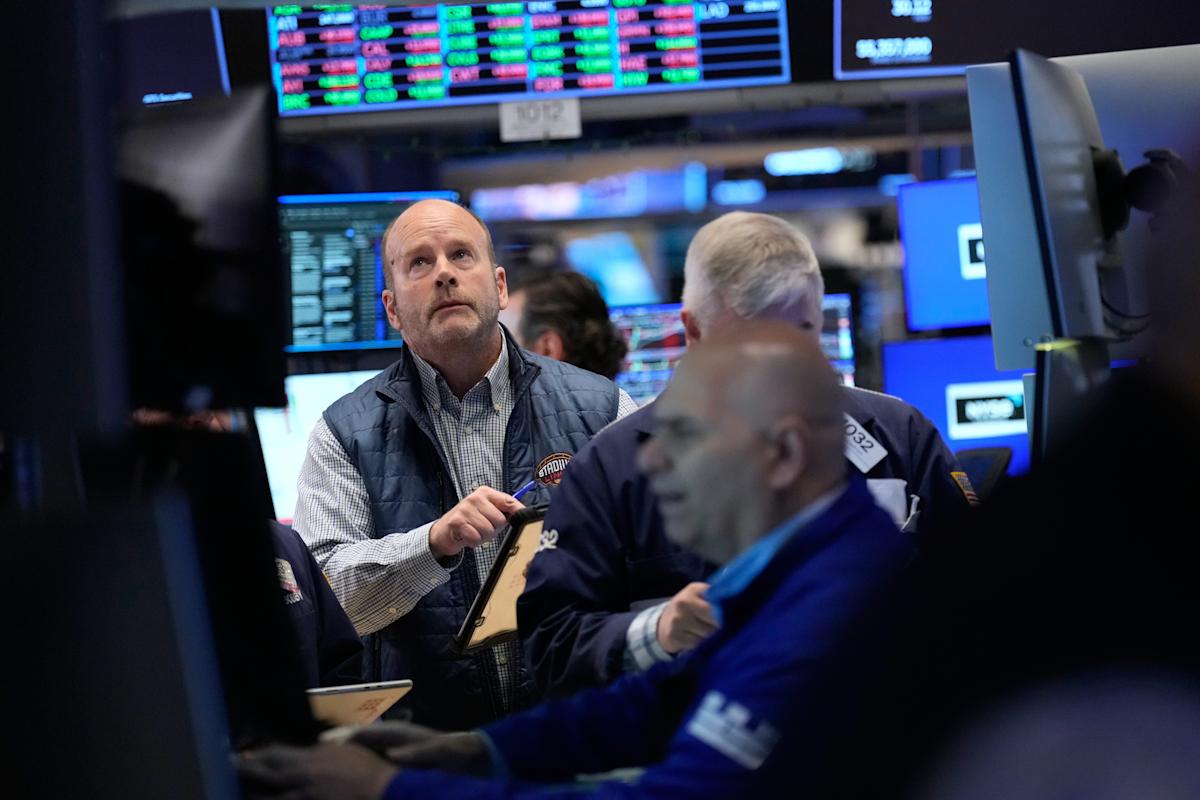
- Market Technical Rebound: The stock market's strong rebound on Wednesday marks the beginning of a new rally, indicating a restoration of investor confidence that may lay the groundwork for market trends in the coming weeks.
- Impact of Upcoming Performance: The stock market's performance in the upcoming week will significantly influence the strength and sustainability of the current uptrend, prompting investors to closely monitor market dynamics to adjust their strategies accordingly.
- Economic Data Releases: Several economic data points will be released this week, potentially impacting market sentiment and investment decisions, particularly concerning inflation and employment data, necessitating investors to prepare in advance.
- Technical Analysis Signals: Technical analysis suggests that the strong market rebound may attract more capital inflows, further driving market gains, with investors advised to pay attention to changes in key support and resistance levels.
Trade with 70% Backtested Accuracy
Stop guessing "Should I Buy GS?" and start using high-conviction signals backed by rigorous historical data.
Sign up today to access powerful investing tools and make smarter, data-driven decisions.
Analyst Views on GS
Wall Street analysts forecast GS stock price to rise
12 Analyst Rating
5 Buy
7 Hold
0 Sell
Moderate Buy
Current: 909.630

Low
604.00
Averages
951.45
High
1100
Current: 909.630
Low
604.00
Averages
951.45
High
1100
About GS
The Goldman Sachs Group, Inc. is a global financial institution that delivers a range of financial services to a large and diversified client base that includes corporations, financial institutions, governments and individuals. Its segments include Global Banking & Markets, Asset & Wealth Management and Platform Solutions. The Global Banking & Markets segment offers a range of services, including financing, advisory services, risk distribution, and hedging for its institutional and corporate clients. It facilitates client transactions and makes markets in fixed income, equity, currency and commodity products. The Asset & Wealth Management segment manages assets and offers investment products across all asset classes to a diverse set of clients. It also provides investing and wealth advisory solutions. The Platform Solutions segment includes consumer platforms, such as partnerships offering credit cards and point-of-sale financing, and transaction banking and other platform businesses.
About the author

Emily J. Thompson
Emily J. Thompson, a Chartered Financial Analyst (CFA) with 12 years in investment research, graduated with honors from the Wharton School. Specializing in industrial and technology stocks, she provides in-depth analysis for Intellectia’s earnings and market brief reports.

Goldman Sachs Q1 Financial Results Show Solid Trends

- Financial Overview: Goldman Sachs' Q1 financial results indicate solid overall trends despite some moving parts, reflecting the company's resilience and adaptability in a complex market environment.
- Diversified Revenue Sources: The firm performed well across multiple business segments, particularly in investment banking and wealth management, showcasing Goldman Sachs' success in diversifying its revenue streams.
- Market Environment Impact: Despite increased market volatility, Goldman Sachs managed to maintain profitability, demonstrating its strengths in risk management and market forecasting.
- Future Outlook: The management team at Goldman Sachs holds an optimistic view of future market prospects, anticipating continued growth driven by its strong market position and client base.
See More

Goldman Sachs Private Credit Corp Announces $750 Million Offering of 6.150% Notes Maturing in 2031, Filed with SEC on April 14, 2026
Goldman Sachs Private Credit Corp Offering: Goldman Sachs is offering $750 million in notes with a 6.15% interest rate, due in 2031.
Filing Date: The offering is set to be filed with the SEC on April 14, 2026.
See More

Goldman Sachs and Ardian Acquire $1B Private Equity from China’s Sovereign Fund
- Transaction Overview: Goldman Sachs and Ardian SAS successfully bid for a $1B private equity sale from China’s sovereign wealth fund, showcasing their strong competitiveness in the private market.
- Discounted Acquisition: Ardian acquired stakes at a double-digit discount while Goldman did so at a single-digit discount, indicating Ardian's negotiating advantage, which may influence its future investment strategies.
- Market Reaction: This transaction occurs as China Investment Corporation seeks to reduce its exposure to private markets, reflecting global investors' cautious stance towards China while providing Goldman and Ardian opportunities to expand their investment portfolios.
- Strategic Implications: The collaboration between Goldman’s asset management arm and Ardian not only strengthens their positions in private equity but also potentially paves the way for future investment opportunities, especially in the context of China's growth potential.
See More

High-Net-Worth Clients Continue to Favor Private Credit Investments

- Capital Attraction Continues: Goldman Sachs' Kristin Olson stated that despite recent redemption pressures, private credit continues to attract capital due to the significant premium associated with illiquid investments, indicating ongoing interest from ultra-high-net-worth clients.
- Portfolio Allocation Advice: Goldman Sachs recommends that ultra-high-net-worth clients allocate about 25% of a moderate-risk portfolio to alternative investments, aiming to achieve risk-adjusted returns through asset classes like private credit, particularly suitable for those who can bear illiquidity risks.
- Redemption Pressure Impact: Currently, at least a dozen private credit funds are facing redemption requests, prompting firms like Apollo Global Management and Ares Management to curb withdrawals, a situation partly linked to concerns over software companies vulnerable to AI disruption, highlighting market sensitivity to liquidity risks.
- Opportunity in Education Moment: Olson emphasized that the current state of private credit represents an “education moment” that will benefit investors over time, asserting that despite some misinformation leading to concerns, the asset class is expected to continue growing and attracting more investor participation.
See More

Global Equities Reach Record Highs Amid Truce Talks
- Market Surge: Global equities have surged, with the S&P 500 rising 0.80% and the Nasdaq Composite gaining 1.59%, both reaching record highs amid optimism surrounding the first direct talks between Israel and Lebanon in over 30 years, indicating strong investor confidence in market prospects.
- Japan's Performance: The Nikkei 225 index hit a new high, driven by a broader rally in Asian markets, particularly in technology and consumer cyclical stocks, reflecting investor confidence in the region's economic recovery.
- China's Economic Growth: China's GDP grew by 5% in the first quarter, exceeding economists' forecast of 4.8%, as reported by the National Bureau of Statistics, showcasing the resilience of the Chinese economy despite potential global demand shocks from the Iran conflict.
- World Bank Caution: The World Bank president cautioned in an interview that economic disruptions related to conflicts could last for months, even if the current fragile ceasefire holds, posing a potential threat to global economic recovery.
See More
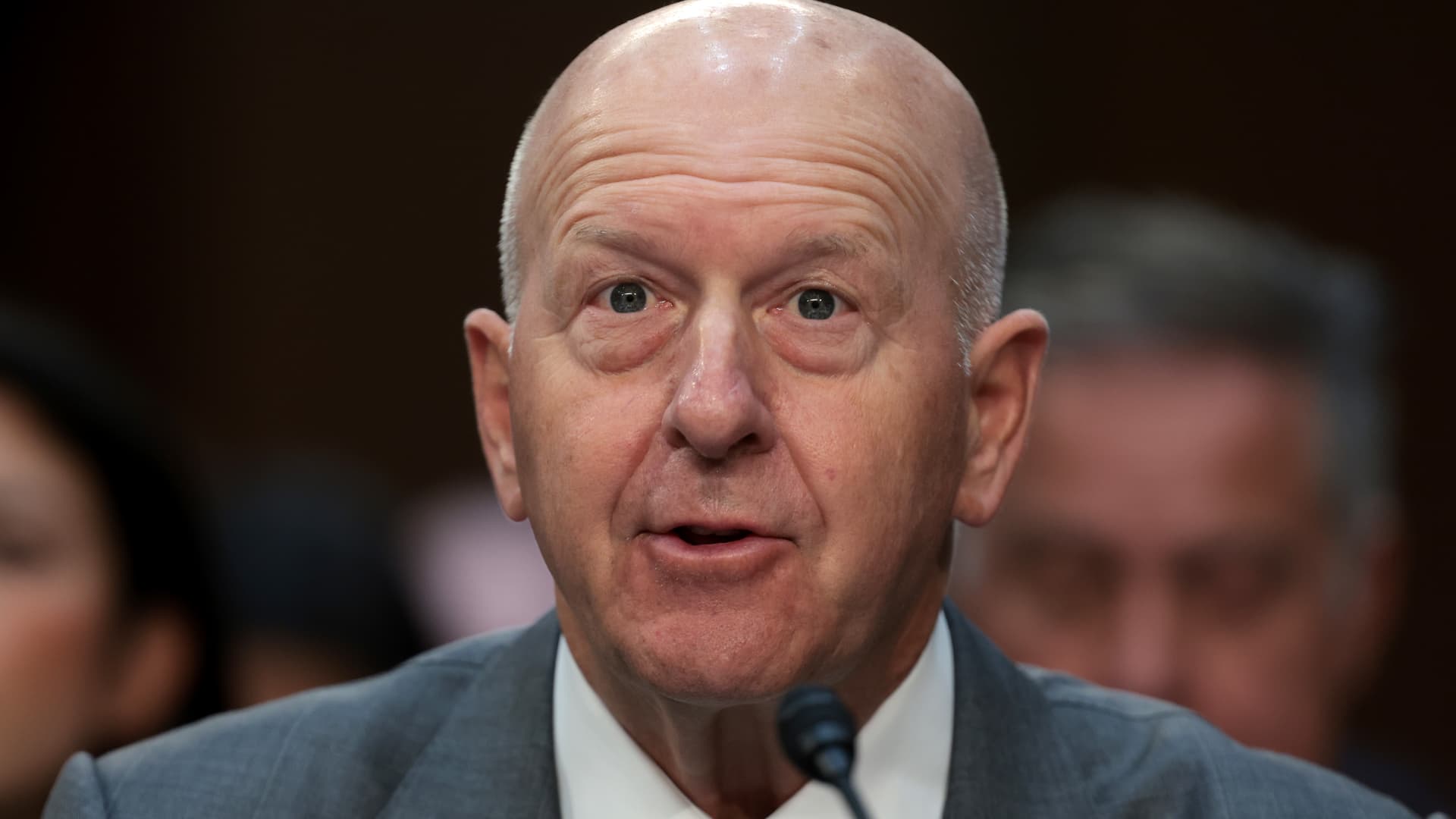
Goldman Sachs' Fixed Income Division Reports Disappointing Results
- Fixed Income Revenue Decline: Goldman Sachs reported a 10% drop in fixed income revenue for Q1, totaling $910 million, significantly missing analysts' expectations, which may lead to decreased investor confidence in the firm's trading capabilities.
- Rivals' Strong Performance: While Goldman struggled, JPMorgan's fixed income trading revenue surged 21% to $7.1 billion, with Morgan Stanley and Citigroup also posting 29% and 13% increases respectively, highlighting Goldman's relative underperformance in the industry.
- Market Environment Shift: The surge in oil prices due to the Iran war altered inflation expectations, leading to perceived missteps in Goldman’s interest rate trades, indicating a lack of responsiveness to changing market dynamics that could impact future trading strategies.
- Management Response: CEO David Solomon acknowledged the disappointing fixed income results but emphasized the overall strong performance of the diversified business, reflecting confidence in the company's strategy, although the market reacted negatively, causing a drop in shares by about 4%.
See More
Goldman Sachs Q1 Financial Results Show Solid Trends
- Financial Overview: Goldman Sachs' Q1 financial results indicate solid overall trends despite some moving parts, reflecting the company's resilience and adaptability in a complex market environment.
- Diversified Revenue Sources: The firm performed well across multiple business segments, particularly in investment banking and wealth management, showcasing Goldman Sachs' success in diversifying its revenue streams.
- Market Environment Impact: Despite increased market volatility, Goldman Sachs managed to maintain profitability, demonstrating its strengths in risk management and market forecasting.
- Future Outlook: The management team at Goldman Sachs holds an optimistic view of future market prospects, anticipating continued growth driven by its strong market position and client base.
See More
Goldman Sachs Private Credit Corp Announces $750 Million Offering of 6.150% Notes Maturing in 2031, Filed with SEC on April 14, 2026
Goldman Sachs Private Credit Corp Offering: Goldman Sachs is offering $750 million in notes with a 6.15% interest rate, due in 2031.
Filing Date: The offering is set to be filed with the SEC on April 14, 2026.
See More
Goldman Sachs and Ardian Acquire $1B Private Equity from China’s Sovereign Fund
- Transaction Overview: Goldman Sachs and Ardian SAS successfully bid for a $1B private equity sale from China’s sovereign wealth fund, showcasing their strong competitiveness in the private market.
- Discounted Acquisition: Ardian acquired stakes at a double-digit discount while Goldman did so at a single-digit discount, indicating Ardian's negotiating advantage, which may influence its future investment strategies.
- Market Reaction: This transaction occurs as China Investment Corporation seeks to reduce its exposure to private markets, reflecting global investors' cautious stance towards China while providing Goldman and Ardian opportunities to expand their investment portfolios.
- Strategic Implications: The collaboration between Goldman’s asset management arm and Ardian not only strengthens their positions in private equity but also potentially paves the way for future investment opportunities, especially in the context of China's growth potential.
See More
High-Net-Worth Clients Continue to Favor Private Credit Investments
- Capital Attraction Continues: Goldman Sachs' Kristin Olson stated that despite recent redemption pressures, private credit continues to attract capital due to the significant premium associated with illiquid investments, indicating ongoing interest from ultra-high-net-worth clients.
- Portfolio Allocation Advice: Goldman Sachs recommends that ultra-high-net-worth clients allocate about 25% of a moderate-risk portfolio to alternative investments, aiming to achieve risk-adjusted returns through asset classes like private credit, particularly suitable for those who can bear illiquidity risks.
- Redemption Pressure Impact: Currently, at least a dozen private credit funds are facing redemption requests, prompting firms like Apollo Global Management and Ares Management to curb withdrawals, a situation partly linked to concerns over software companies vulnerable to AI disruption, highlighting market sensitivity to liquidity risks.
- Opportunity in Education Moment: Olson emphasized that the current state of private credit represents an “education moment” that will benefit investors over time, asserting that despite some misinformation leading to concerns, the asset class is expected to continue growing and attracting more investor participation.
See More
Global Equities Reach Record Highs Amid Truce Talks
- Market Surge: Global equities have surged, with the S&P 500 rising 0.80% and the Nasdaq Composite gaining 1.59%, both reaching record highs amid optimism surrounding the first direct talks between Israel and Lebanon in over 30 years, indicating strong investor confidence in market prospects.
- Japan's Performance: The Nikkei 225 index hit a new high, driven by a broader rally in Asian markets, particularly in technology and consumer cyclical stocks, reflecting investor confidence in the region's economic recovery.
- China's Economic Growth: China's GDP grew by 5% in the first quarter, exceeding economists' forecast of 4.8%, as reported by the National Bureau of Statistics, showcasing the resilience of the Chinese economy despite potential global demand shocks from the Iran conflict.
- World Bank Caution: The World Bank president cautioned in an interview that economic disruptions related to conflicts could last for months, even if the current fragile ceasefire holds, posing a potential threat to global economic recovery.
See More
Goldman Sachs' Fixed Income Division Reports Disappointing Results
- Fixed Income Revenue Decline: Goldman Sachs reported a 10% drop in fixed income revenue for Q1, totaling $910 million, significantly missing analysts' expectations, which may lead to decreased investor confidence in the firm's trading capabilities.
- Rivals' Strong Performance: While Goldman struggled, JPMorgan's fixed income trading revenue surged 21% to $7.1 billion, with Morgan Stanley and Citigroup also posting 29% and 13% increases respectively, highlighting Goldman's relative underperformance in the industry.
- Market Environment Shift: The surge in oil prices due to the Iran war altered inflation expectations, leading to perceived missteps in Goldman’s interest rate trades, indicating a lack of responsiveness to changing market dynamics that could impact future trading strategies.
- Management Response: CEO David Solomon acknowledged the disappointing fixed income results but emphasized the overall strong performance of the diversified business, reflecting confidence in the company's strategy, although the market reacted negatively, causing a drop in shares by about 4%.
See More