Coffee Industry Faces Legal Income Challenges
Written by Emily J. Thompson, Senior Investment Analyst
Updated: Jun 11 2026
0mins
Source: Newsfilter
- Upcoming Legal Obligations: The EU's Corporate Sustainability Due Diligence Directive (CSDDD) mandates that by 2029, large companies must address human rights and environmental issues in their supply chains or face fines of up to 3% of global turnover, which will directly impact the coffee industry's business model.
- Lack of Living Income Commitments: Despite the directive recognizing living income as a binding human right, none of the world's 15 largest coffee roasters and traders mentioned living income commitments in their sustainability reports, highlighting a significant gap in social responsibility within the industry.
- Smallholder Farmer Struggles: The coffee sector is dominated by impoverished smallholder farmers, with approximately 12.5 million farming households cultivating less than two hectares producing most of the world's coffee, yet they struggle to secure viable incomes even at relatively high price levels, underscoring the industry's central challenge.
- Insufficient Sustainability Investments: While companies publish sustainability commitments, their core operations continue to rely on low-cost commodity purchasing, and the report indicates that unless this changes, sustainability investments will merely skirt around the problem rather than address it directly.
Trade with 70% Backtested Accuracy
Stop guessing "Should I Buy SBUX?" and start using high-conviction signals backed by rigorous historical data.
Sign up today to access powerful investing tools and make smarter, data-driven decisions.
Analyst Views on SBUX
Wall Street analysts forecast SBUX stock price to fall
21 Analyst Rating
12 Buy
7 Hold
2 Sell
Moderate Buy
Current: 99.820

Low
59.00
Averages
96.12
High
115.00
Current: 99.820
Low
59.00
Averages
96.12
High
115.00
About SBUX
Starbucks Corporations is a roaster, marketer, and retailer of specialty coffee globally. Its North America segment includes the United States and Canada. Its International segment includes China, Japan, Asia Pacific, Europe, Middle East and Africa, Latin America, and the Caribbean. Its North America and International segments include both Company-operated and licensed stores. The Channel Development segment includes roasted whole bean and ground coffees, Starbucks-branded single-serve products, a variety of ready-to-drink beverages, such as Frappuccino and Starbucks Doubleshot, foodservice products, and other branded products sold outside the Company-operated and licensed stores. A large portion of its Channel Development business operates under a licensed model of the Global Coffee Alliance with Nestle, while its global ready-to-drink businesses operate under collaborative relationships with PepsiCo, Inc., Tingyi-Ashi Beverages Holding Co., Ltd., Arla Foods amba, Nestle, and others.
About the author

Emily J. Thompson
Emily J. Thompson, a Chartered Financial Analyst (CFA) with 12 years in investment research, graduated with honors from the Wharton School. Specializing in industrial and technology stocks, she provides in-depth analysis for Intellectia’s earnings and market brief reports.

Tata Starbucks Plans Aggressive Expansion in India

- Market Expansion Plan: Tata Starbucks aims to add 50 to 100 new stores annually, reflecting confidence in India's rapidly growing coffee market, currently operating over 500 locations with a 30% market share.
- Diverse Store Formats: The expansion will include various formats such as drive-throughs, highway outlets, kiosks, and premium 'Reserve' experiential stores to meet strong demand in major metros like Mumbai, Delhi, and Kolkata.
- Local Sourcing Strategy: To mitigate global supply chain disruptions and manage costs, Tata Starbucks sources the majority of its products locally, including Indian-grown espresso beans, enhancing operational efficiency.
- Improved Financial Performance: For the fiscal year ending March 31, Tata Starbucks halved its net losses and achieved double-digit growth in EBITDA, prioritizing rapid market share growth despite remaining legally loss-making.
See More
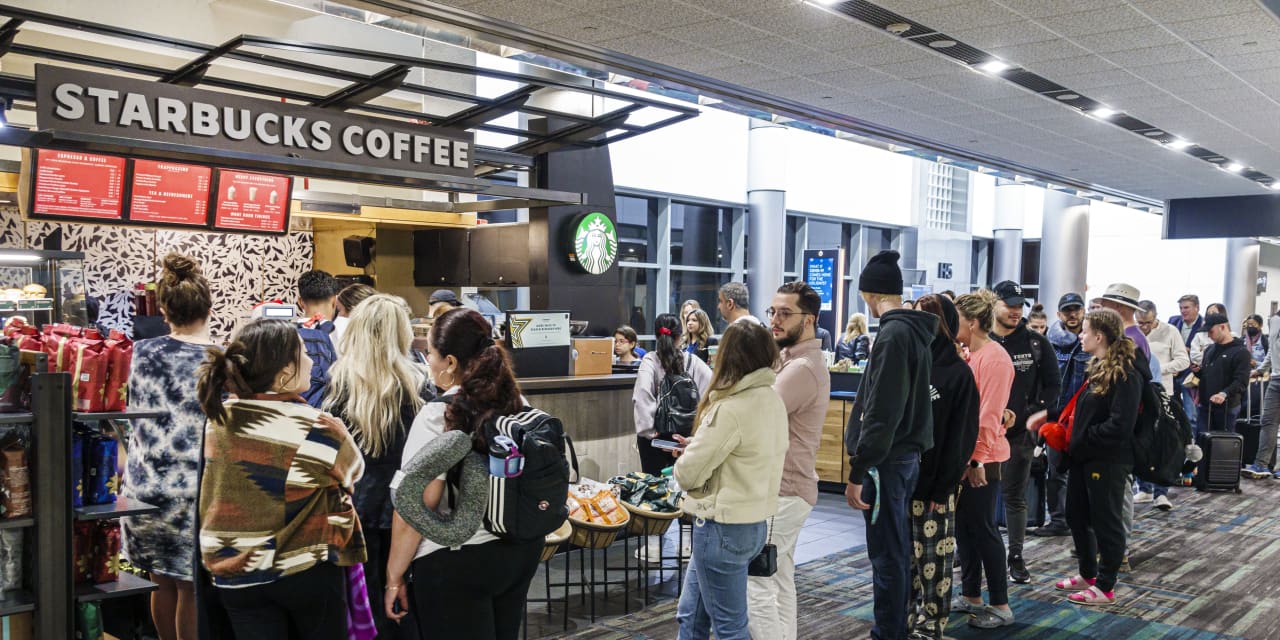
Investment Opportunities Amidst Volatility in Consumer Stocks


- Chipotle Growth Potential: Chipotle Mexican Grill plans to open 350 to 370 new restaurants in 2026, and despite facing sales forecast downgrades and stock price declines, it expects revenue to reach $16.1 billion by 2029, nearly double current levels, demonstrating resilience in its long-term growth trajectory.
- Ulta Sales Growth: Ulta Beauty reported a net sales increase of 11.1% to $3.16 billion in Q1 2026, exceeding analyst expectations, and subsequently raised its annual profit forecast, indicating strong execution capabilities in a competitive beauty market.
- Dutch Bros Market Advantage: Dutch Bros plans to open at least 181 new shops in 2026, and while the market remains cautious about its valuation, its 30% price increase since 2019 compared to Starbucks' 50% shows a genuine competitive edge in a price-sensitive market.
- Consumer Brand Expansion: Dutch Bros launched at-home coffee products in 2026, marking its transition from a regional drive-thru experience to a national consumer brand, further enhancing its market share and brand recognition.
See More

Restaurant Giants Expand Amid Market Noise
- Chipotle Expansion Plans: Chipotle aims to open 350 to 370 new restaurants in 2026, with international expansion into South Korea, Singapore, and Mexico, projecting revenue of $16.1 billion by 2029, nearly double current levels, indicating strong long-term growth potential.
- Ulta Sales Growth: In Q1 2026, Ulta's net sales rose 11.1% to $3.16 billion, exceeding analyst expectations, driven by the launch of prestige beauty brands, with a forecast of 6% to 7% net sales growth in 2026, showcasing its competitive market position.
- Dutch Bros Market Positioning: Dutch Bros plans to open at least 181 new shops in 2026, with a long-term target of over 7,000 locations, leveraging a 30% price increase compared to Starbucks' 50%, gradually enhancing its market share.
- Consumer Product Expansion: In 2026, Dutch Bros launched at-home coffee products available through Amazon and Walmart, marking its transition from a regional drive-thru experience to a national consumer brand, thereby strengthening its market presence.
See More
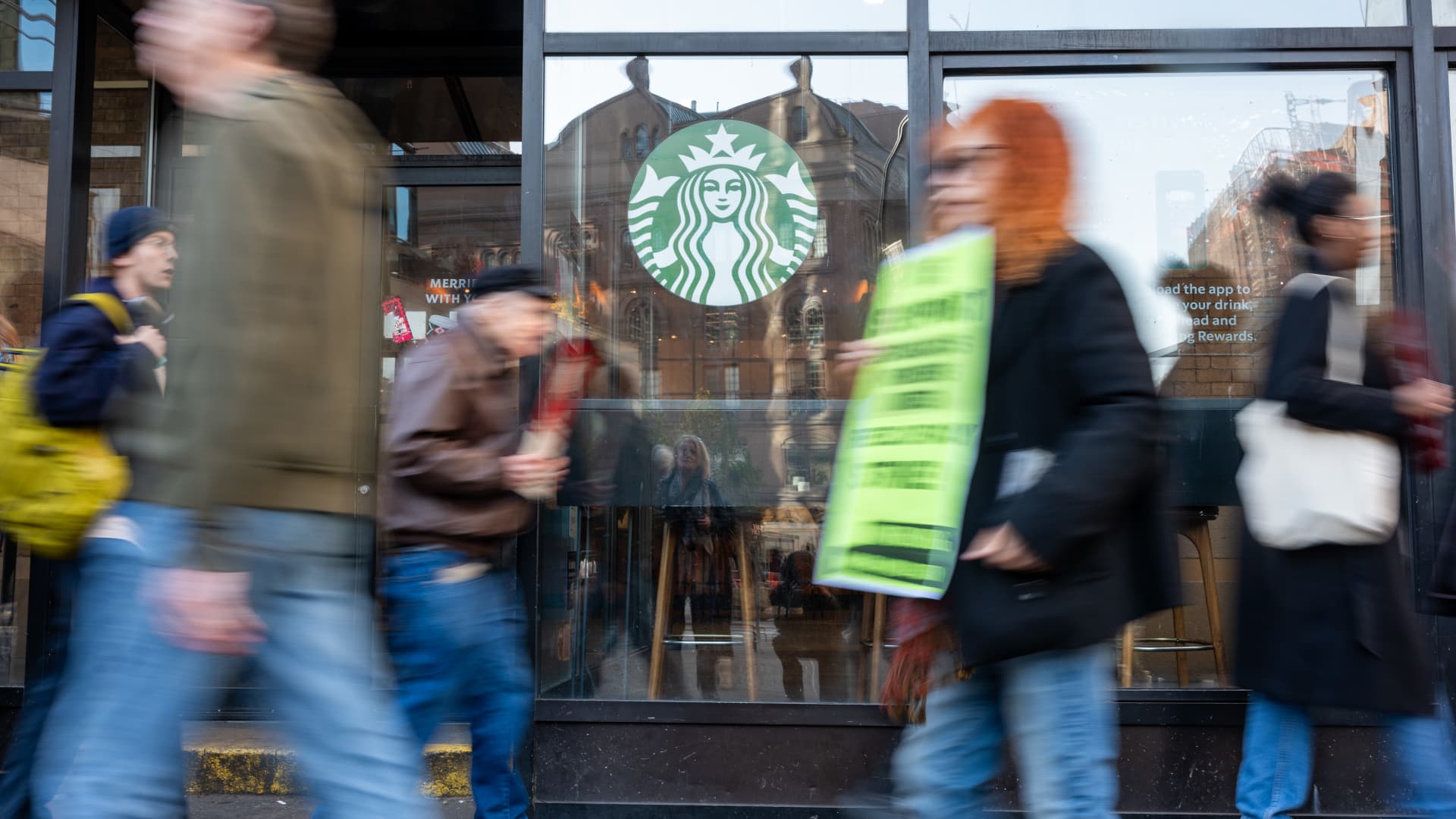
Starbucks Plans Major Expansion Strategy

- International Expansion: Starbucks plans to double its store count internationally, with CEO Niccol stating that stores in China will increase from 8,000 to 20,000, reflecting strong confidence in the Chinese market and expected significant growth in global market share.
- U.S. Market Strategy: The company also aims to open an additional 10,000 stores in the U.S., particularly in underpenetrated areas in the Midwest, which will enhance brand coverage and sales in the domestic market.
- Financial Recovery: For the second quarter ending March 29, Starbucks reported a 9% year-over-year revenue increase to $9.5 billion and a 14.5% rise in earnings to $0.50 per share, surpassing Wall Street expectations, indicating success in improving customer experience and order quality.
- Stock Price Growth: Starbucks' stock has risen 20% in 2026, with an additional 5% increase following the second-quarter results announcement, demonstrating market recognition of Niccol's
See More
Starbucks Plans to Expand to 20,000 Stores in China
- Global Expansion Plan: Starbucks aims to rapidly increase its store count in China from 8,000 to 20,000, significantly enhancing its competitive edge in the global market, particularly in the fast-growing Chinese coffee sector.
- U.S. Market Strategy: In addition to international expansion, Starbucks plans to open 10,000 new stores in the U.S., focusing on underpenetrated areas in the Midwest, which will aid in further growth and enhance brand influence domestically.
- Financial Recovery: For the second quarter ending March 29, Starbucks reported a 9% year-over-year revenue increase to $9.5 billion and a 14.5% rise in earnings to $0.50 per share, surpassing Wall Street expectations and indicating a revival under Niccol's
See More
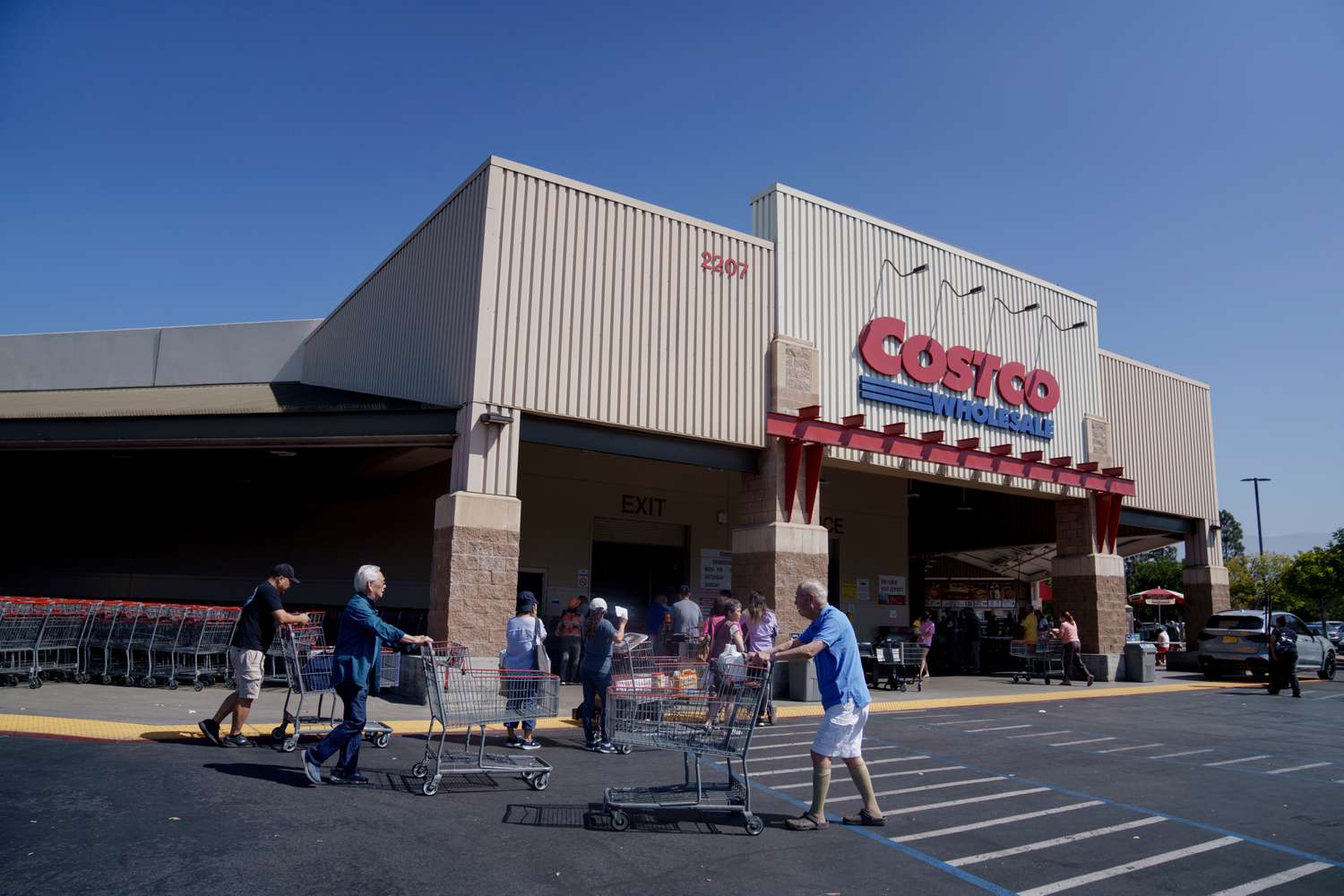
Analysis of Three Stocks Bearish on Wall Street

- Home Depot's Growth Challenges: Home Depot (HD) has experienced only a 2.3% annual revenue increase over the past three years, significantly lagging behind other consumer retail companies, which may lead to continued underperformance in the market.
- Starbucks Sales Decline: Starbucks (SBUX) is projected to see a 2.6% sales decline over the next 12 months, and its same-store sales have been disappointing for the past two years, forcing the company to potentially adjust its pricing and marketing strategies to stimulate demand.
- Hubbell's Strong Performance: Hubbell (HUBB) has achieved a 10.2% annual sales growth over the past five years, and its share buybacks have propelled its earnings per share growth to 19.7%, indicating robust market performance and profitability.
- Market Sentiment Analysis: While Home Depot and Starbucks face significant challenges, Hubbell's strong performance and healthy cash flow provide flexibility for future investments and shareholder returns, highlighting the varying market outlooks for different companies.
See More
Tata Starbucks Plans Aggressive Expansion in India
- Market Expansion Plan: Tata Starbucks aims to add 50 to 100 new stores annually, reflecting confidence in India's rapidly growing coffee market, currently operating over 500 locations with a 30% market share.
- Diverse Store Formats: The expansion will include various formats such as drive-throughs, highway outlets, kiosks, and premium 'Reserve' experiential stores to meet strong demand in major metros like Mumbai, Delhi, and Kolkata.
- Local Sourcing Strategy: To mitigate global supply chain disruptions and manage costs, Tata Starbucks sources the majority of its products locally, including Indian-grown espresso beans, enhancing operational efficiency.
- Improved Financial Performance: For the fiscal year ending March 31, Tata Starbucks halved its net losses and achieved double-digit growth in EBITDA, prioritizing rapid market share growth despite remaining legally loss-making.
See More
Investment Opportunities Amidst Volatility in Consumer Stocks
- Chipotle Growth Potential: Chipotle Mexican Grill plans to open 350 to 370 new restaurants in 2026, and despite facing sales forecast downgrades and stock price declines, it expects revenue to reach $16.1 billion by 2029, nearly double current levels, demonstrating resilience in its long-term growth trajectory.
- Ulta Sales Growth: Ulta Beauty reported a net sales increase of 11.1% to $3.16 billion in Q1 2026, exceeding analyst expectations, and subsequently raised its annual profit forecast, indicating strong execution capabilities in a competitive beauty market.
- Dutch Bros Market Advantage: Dutch Bros plans to open at least 181 new shops in 2026, and while the market remains cautious about its valuation, its 30% price increase since 2019 compared to Starbucks' 50% shows a genuine competitive edge in a price-sensitive market.
- Consumer Brand Expansion: Dutch Bros launched at-home coffee products in 2026, marking its transition from a regional drive-thru experience to a national consumer brand, further enhancing its market share and brand recognition.
See More
Restaurant Giants Expand Amid Market Noise
- Chipotle Expansion Plans: Chipotle aims to open 350 to 370 new restaurants in 2026, with international expansion into South Korea, Singapore, and Mexico, projecting revenue of $16.1 billion by 2029, nearly double current levels, indicating strong long-term growth potential.
- Ulta Sales Growth: In Q1 2026, Ulta's net sales rose 11.1% to $3.16 billion, exceeding analyst expectations, driven by the launch of prestige beauty brands, with a forecast of 6% to 7% net sales growth in 2026, showcasing its competitive market position.
- Dutch Bros Market Positioning: Dutch Bros plans to open at least 181 new shops in 2026, with a long-term target of over 7,000 locations, leveraging a 30% price increase compared to Starbucks' 50%, gradually enhancing its market share.
- Consumer Product Expansion: In 2026, Dutch Bros launched at-home coffee products available through Amazon and Walmart, marking its transition from a regional drive-thru experience to a national consumer brand, thereby strengthening its market presence.
See More
Starbucks Plans Major Expansion Strategy
- International Expansion: Starbucks plans to double its store count internationally, with CEO Niccol stating that stores in China will increase from 8,000 to 20,000, reflecting strong confidence in the Chinese market and expected significant growth in global market share.
- U.S. Market Strategy: The company also aims to open an additional 10,000 stores in the U.S., particularly in underpenetrated areas in the Midwest, which will enhance brand coverage and sales in the domestic market.
- Financial Recovery: For the second quarter ending March 29, Starbucks reported a 9% year-over-year revenue increase to $9.5 billion and a 14.5% rise in earnings to $0.50 per share, surpassing Wall Street expectations, indicating success in improving customer experience and order quality.
- Stock Price Growth: Starbucks' stock has risen 20% in 2026, with an additional 5% increase following the second-quarter results announcement, demonstrating market recognition of Niccol's
See More
Starbucks Plans to Expand to 20,000 Stores in China
- Global Expansion Plan: Starbucks aims to rapidly increase its store count in China from 8,000 to 20,000, significantly enhancing its competitive edge in the global market, particularly in the fast-growing Chinese coffee sector.
- U.S. Market Strategy: In addition to international expansion, Starbucks plans to open 10,000 new stores in the U.S., focusing on underpenetrated areas in the Midwest, which will aid in further growth and enhance brand influence domestically.
- Financial Recovery: For the second quarter ending March 29, Starbucks reported a 9% year-over-year revenue increase to $9.5 billion and a 14.5% rise in earnings to $0.50 per share, surpassing Wall Street expectations and indicating a revival under Niccol's
See More
Analysis of Three Stocks Bearish on Wall Street
- Home Depot's Growth Challenges: Home Depot (HD) has experienced only a 2.3% annual revenue increase over the past three years, significantly lagging behind other consumer retail companies, which may lead to continued underperformance in the market.
- Starbucks Sales Decline: Starbucks (SBUX) is projected to see a 2.6% sales decline over the next 12 months, and its same-store sales have been disappointing for the past two years, forcing the company to potentially adjust its pricing and marketing strategies to stimulate demand.
- Hubbell's Strong Performance: Hubbell (HUBB) has achieved a 10.2% annual sales growth over the past five years, and its share buybacks have propelled its earnings per share growth to 19.7%, indicating robust market performance and profitability.
- Market Sentiment Analysis: While Home Depot and Starbucks face significant challenges, Hubbell's strong performance and healthy cash flow provide flexibility for future investments and shareholder returns, highlighting the varying market outlooks for different companies.
See More