Coal Prices Surge Following Strikes in Iran.
Written by Emily J. Thompson, Senior Investment Analyst
Updated: Mar 02 2026
0mins
Source: Barron's
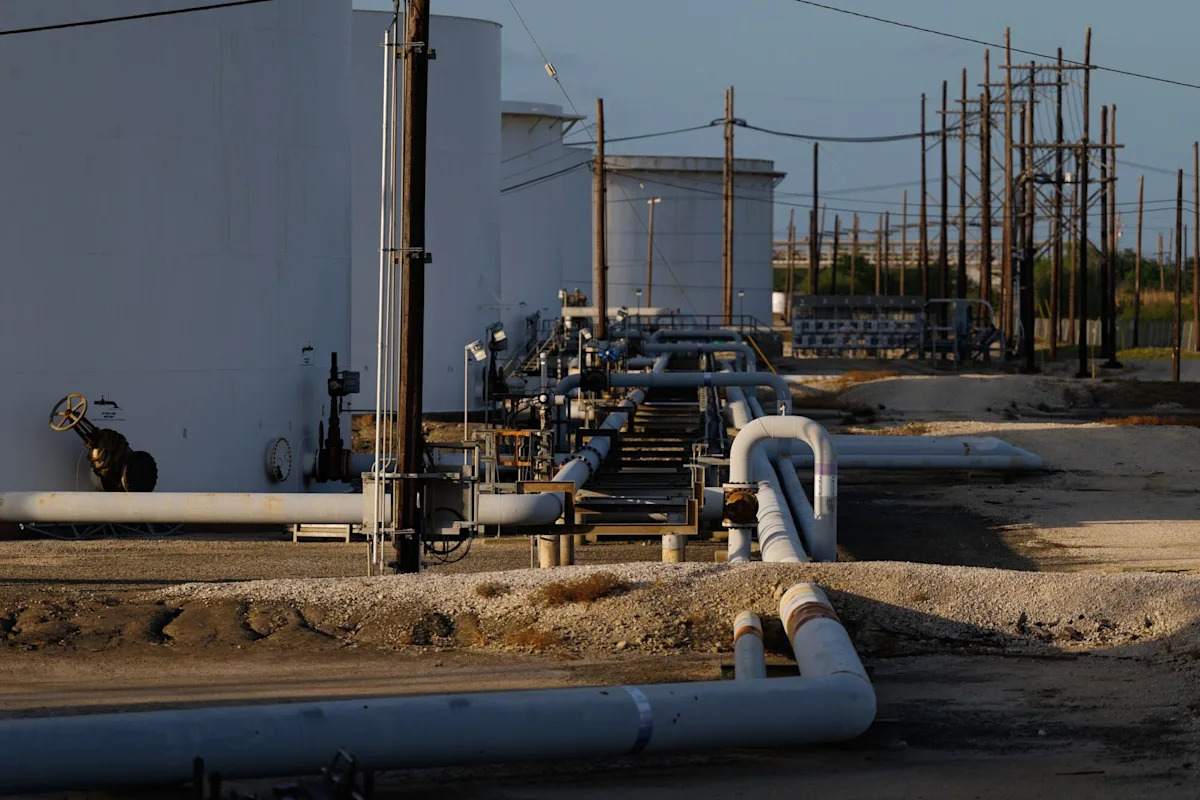
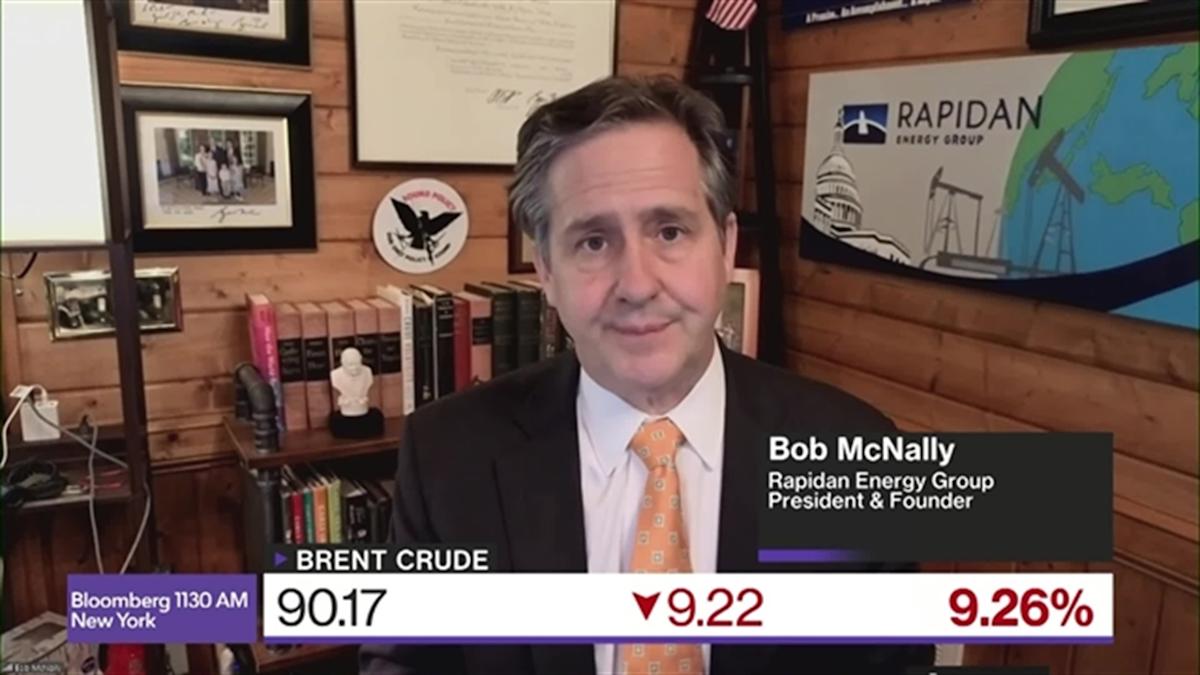
Impact on Oil and Gas Markets: The conflict in Iran has significantly disrupted the global market for oil and natural gas.
Effect on Coal Markets: Although coal is not directly affected by the conflict, it is still experiencing notable impacts due to the overall market instability.
Trade with 70% Backtested Accuracy
Stop guessing "Should I Buy CNR?" and start using high-conviction signals backed by rigorous historical data.
Sign up today to access powerful investing tools and make smarter, data-driven decisions.
Analyst Views on CNR
Wall Street analysts forecast CNR stock price to rise
5 Analyst Rating
5 Buy
0 Hold
0 Sell
Strong Buy
Current: 85.340

Low
100.00
Averages
117.40
High
158.00
Current: 85.340
Low
100.00
Averages
117.40
High
158.00
About CNR
Core Natural Resources, Inc. is a producer of metallurgical and high calorific value thermal coals for the global marketplace. The Company has a logistical network that is anchored by ownership positions in two East Coast marine export terminals, providing access to seaborne markets. Its segments include High CV Thermal, Metallurgical, PRB and Baltimore Marine Terminal. The High CV Thermal segment consists of its Pennsylvania Mining Complex and the West Elk mine located in Colorado. The Metallurgical segment consists of the Company's Leer, Leer South, Beckley, Mountain Laurel and Itmann coal mines in West Virginia. The PRB segment consists of its Black Thunder and Coal Creek surface mining complexes located in Wyoming. The Baltimore Marine Terminal segment provides coal export terminal services through the Port of Baltimore. It has served various industries and markets, including steel & construction, industrial applications & power generation, and aerospace & advanced materials.
About the author

Emily J. Thompson
Emily J. Thompson, a Chartered Financial Analyst (CFA) with 12 years in investment research, graduated with honors from the Wharton School. Specializing in industrial and technology stocks, she provides in-depth analysis for Intellectia’s earnings and market brief reports.

David Einhorn Emphasizes Capital Protection Amid Market Rally


- Capital Protection Priority: David Einhorn emphasized in his latest investor letter that despite the market rally driven by geopolitical optimism, capital preservation remains his top priority, warning that investors may be underestimating potential downside risks.
- Market Rebound Overview: The S&P 500 has fully erased losses incurred since the onset of the Iran war, and despite the breakdown of U.S.-Iran negotiations, investors remain optimistic about a potential deal, fueling continued market gains.
- Fund Performance Insight: Greenlight Capital reported a 6.5% return in Q1, outperforming the S&P 500's 4.4% decline, yet Einhorn noted the firm maintains relatively low gross and net exposure, reflecting caution regarding valuations and the broader macroeconomic backdrop.
- Investment Strategy Adjustments: Einhorn mentioned that Greenlight had already been operating with low exposure at the conflict's onset and added a long position in October oil futures, although this investment has only seen modest gains as the market largely expects any supply disruptions to be temporary.
See More

Canadian National Railway Co: BofA Global Research Upgrades to Buy from Neutral and Increases Target Price to $122 from $117


- Canadian National Railway Announcement: Canadian National Railway (CNR) has raised its target price to $122 from $117.
- Market Impact: This adjustment reflects a positive outlook for the company's performance and potential growth in the market.
See More

CITIGROUP INCREASES TARGET PRICE FOR CANADIAN NATIONAL RAILWAY CO TO $123, UP FROM $115
- Price Increase Announcement: Canadian National Railway has raised its target price to $123 from $115.
- Market Impact: This adjustment reflects the company's positive outlook and potential growth in the railway sector.
See More

Coal Industry Faces Multiple Challenges Amid Declining Demand


- Declining Coal Demand: The EIA projects U.S. coal production will fall to 513.9 million short tons in 2026, down from 533 million in 2025, reflecting a trend of increasing renewable energy use and the systematic retirement of coal-fired power plants, posing long-term challenges for the coal industry.
- Impact of Environmental Policies: The U.S. Sustainability Plan aims for 100% carbon-free electricity by 2030, with coal consumption expected to decline by 7.4% and 2.9% in 2026 and 2027 respectively, further compressing market demand and forcing coal companies to restructure.
- Low Industry Ranking: The Zacks coal industry ranks 236 out of 243 industries, placing it in the bottom 3%, indicating a lack of confidence in the sector's earnings growth potential, with 2026 earnings estimates revised down by 54.7% to $2.46 per share.
- Increased Competition: As the costs of cleaner energy sources like natural gas, solar, and wind decline, coal-fired generation faces mounting competitive pressure, prompting utilities to adjust their generation portfolios to lower operating costs and comply with stricter emissions standards, leading to a sustained decline in coal demand.
See More

Middle East Tensions Drive Energy Stocks Higher

- Energy Stock Rally: Energy stocks surged in the afternoon session due to escalating geopolitical tensions in the Middle East, with Borr Drilling's shares rising 3.6%, indicating increased investor interest in energy companies amid supply concerns.
- Oil Prices Climb: Oil prices continued to rise even as President Trump extended the deadline for Iran to reopen the Strait of Hormuz by ten days, reflecting market anxiety over global oil supply risks and enhancing the outlook for oil and gas producers.
- Clean Energy Fuels Volatility: Clean Energy Fuels saw an 8.1% increase in its stock price, despite experiencing 40 moves greater than 5% in the past year, suggesting that while the market reacted strongly to the news, it did not fundamentally alter perceptions of the company's business.
- Long-Term Investment Challenges: Although Clean Energy Fuels has gained 18.3% year-to-date, its current price of $2.56 per share remains 16.5% below its 52-week high of $3.06, indicating significant challenges for long-term investors who would see their $1,000 investment from five years ago reduced to just $199.92.
See More
CORE NATURAL RESOURCES INC: UBS Increases Target Price from $109 to $115
- Core Natural Resources: The company has raised its target price for shares to $115 from $109.
- Market Impact: This adjustment reflects a positive outlook on the company's performance and potential growth.
See More
David Einhorn Emphasizes Capital Protection Amid Market Rally
- Capital Protection Priority: David Einhorn emphasized in his latest investor letter that despite the market rally driven by geopolitical optimism, capital preservation remains his top priority, warning that investors may be underestimating potential downside risks.
- Market Rebound Overview: The S&P 500 has fully erased losses incurred since the onset of the Iran war, and despite the breakdown of U.S.-Iran negotiations, investors remain optimistic about a potential deal, fueling continued market gains.
- Fund Performance Insight: Greenlight Capital reported a 6.5% return in Q1, outperforming the S&P 500's 4.4% decline, yet Einhorn noted the firm maintains relatively low gross and net exposure, reflecting caution regarding valuations and the broader macroeconomic backdrop.
- Investment Strategy Adjustments: Einhorn mentioned that Greenlight had already been operating with low exposure at the conflict's onset and added a long position in October oil futures, although this investment has only seen modest gains as the market largely expects any supply disruptions to be temporary.
See More
Canadian National Railway Co: BofA Global Research Upgrades to Buy from Neutral and Increases Target Price to $122 from $117
- Canadian National Railway Announcement: Canadian National Railway (CNR) has raised its target price to $122 from $117.
- Market Impact: This adjustment reflects a positive outlook for the company's performance and potential growth in the market.
See More
CITIGROUP INCREASES TARGET PRICE FOR CANADIAN NATIONAL RAILWAY CO TO $123, UP FROM $115
- Price Increase Announcement: Canadian National Railway has raised its target price to $123 from $115.
- Market Impact: This adjustment reflects the company's positive outlook and potential growth in the railway sector.
See More
Coal Industry Faces Multiple Challenges Amid Declining Demand
- Declining Coal Demand: The EIA projects U.S. coal production will fall to 513.9 million short tons in 2026, down from 533 million in 2025, reflecting a trend of increasing renewable energy use and the systematic retirement of coal-fired power plants, posing long-term challenges for the coal industry.
- Impact of Environmental Policies: The U.S. Sustainability Plan aims for 100% carbon-free electricity by 2030, with coal consumption expected to decline by 7.4% and 2.9% in 2026 and 2027 respectively, further compressing market demand and forcing coal companies to restructure.
- Low Industry Ranking: The Zacks coal industry ranks 236 out of 243 industries, placing it in the bottom 3%, indicating a lack of confidence in the sector's earnings growth potential, with 2026 earnings estimates revised down by 54.7% to $2.46 per share.
- Increased Competition: As the costs of cleaner energy sources like natural gas, solar, and wind decline, coal-fired generation faces mounting competitive pressure, prompting utilities to adjust their generation portfolios to lower operating costs and comply with stricter emissions standards, leading to a sustained decline in coal demand.
See More
Middle East Tensions Drive Energy Stocks Higher
- Energy Stock Rally: Energy stocks surged in the afternoon session due to escalating geopolitical tensions in the Middle East, with Borr Drilling's shares rising 3.6%, indicating increased investor interest in energy companies amid supply concerns.
- Oil Prices Climb: Oil prices continued to rise even as President Trump extended the deadline for Iran to reopen the Strait of Hormuz by ten days, reflecting market anxiety over global oil supply risks and enhancing the outlook for oil and gas producers.
- Clean Energy Fuels Volatility: Clean Energy Fuels saw an 8.1% increase in its stock price, despite experiencing 40 moves greater than 5% in the past year, suggesting that while the market reacted strongly to the news, it did not fundamentally alter perceptions of the company's business.
- Long-Term Investment Challenges: Although Clean Energy Fuels has gained 18.3% year-to-date, its current price of $2.56 per share remains 16.5% below its 52-week high of $3.06, indicating significant challenges for long-term investors who would see their $1,000 investment from five years ago reduced to just $199.92.
See More
CORE NATURAL RESOURCES INC: UBS Increases Target Price from $109 to $115
- Core Natural Resources: The company has raised its target price for shares to $115 from $109.
- Market Impact: This adjustment reflects a positive outlook on the company's performance and potential growth.
See More