Citigroup Considers Regional Bank Acquisition to Boost Deposits
Written by Emily J. Thompson, Senior Investment Analyst
Updated: Mar 27 2026
0mins
Source: seekingalpha
- Acquisition Intent: Citigroup's senior leaders have held preliminary discussions regarding the acquisition of a regional bank with approximately $500 billion in assets, aiming to boost deposit levels and enhance market competitiveness.
- Regulatory Stance: Reports indicate that regulators have shown openness to a concrete acquisition proposal from Citigroup, potentially facilitating and accelerating the bank's market expansion efforts.
- Market Rumors: Despite discussions among executives about pursuing a regional bank and wealth brokerage, Citigroup has publicly denied any plans for such acquisitions, labeling the speculation as baseless, which reflects a cautious approach to market rumors.
- Strategic Positioning: The bank's acquisition interest not only highlights its focus on deposit growth but may also represent a strategic move to diversify and expand its business in a highly competitive financial services landscape.
Trade with 70% Backtested Accuracy
Stop guessing "Should I Buy C?" and start using high-conviction signals backed by rigorous historical data.
Sign up today to access powerful investing tools and make smarter, data-driven decisions.
Analyst Views on C
Wall Street analysts forecast C stock price to fall
18 Analyst Rating
15 Buy
3 Hold
0 Sell
Strong Buy
Current: 131.260

Low
87.00
Averages
131.00
High
150.00
Current: 131.260
Low
87.00
Averages
131.00
High
150.00
About C
Citigroup Inc. is a global diversified financial services holding company. The Company’s segments include Services, Markets, Banking, Wealth and U.S. Personal Banking (USPB). The Services segment includes Treasury and Trade Solutions (TTS) and securities services. TTS provides an integrated suite of tailored cash management, trade and working capital solutions to multinational corporations, financial institutions and public sector organizations. The Markets segment provides corporate, institutional and public sector clients around the world with a full range of sales and trading services across equities, foreign exchange, rates, spread products and commodities. The Banking segment includes investment banking, which supports client capital-raising needs to help strengthen and grow their businesses. The Wealth segment includes Private Bank, Wealth at Work and Citigold and provides financial services to a range of client segments. USPB segment includes branded cards and retail services.
About the author

Emily J. Thompson
Emily J. Thompson, a Chartered Financial Analyst (CFA) with 12 years in investment research, graduated with honors from the Wharton School. Specializing in industrial and technology stocks, she provides in-depth analysis for Intellectia’s earnings and market brief reports.

Analysis of ITOT ETF's 52-Week Price Fluctuations

- Price Range Analysis: The ITOT ETF has a 52-week low of $129.24 and a high of $166.43, with the latest trade at $165.57, indicating stability near its high point, which may attract investor interest in its price movements.
- Technical Analysis Tool: Comparing the latest share price to the 200-day moving average can provide valuable insights for investors, helping them assess market trends and potential buying opportunities.
- ETF Trading Mechanism: Exchange-traded funds (ETFs) trade similarly to stocks, where investors buy and sell 'units' that can be created or destroyed based on investor demand, impacting the ETF's liquidity and market performance.
- Inflows and Outflows Monitoring: Weekly monitoring of changes in shares outstanding for ETFs helps identify those experiencing significant inflows (new units created) or outflows (old units destroyed), allowing for assessment of their impact on underlying assets and market sentiment.
See More

Federal Reserve Stress Tests Impact on Bank Stocks


- Stress Test Context: The Federal Reserve conducts annual stress tests to assess the capital strength of large banks during economic downturns, with the Dodd-Frank Act establishing minimum capital requirements to ensure banks can withstand financial crises.
- Capital Buffer Changes: Last year, major banks saw significant reductions in their stress capital buffers, with JPMorgan Chase and Bank of America dropping to the minimum of 2.5%, indicating strong bank health and freeing up funds for shareholder returns.
- Increased Shareholder Returns: The reduction in capital buffers allowed banks to boost dividends and engage in share buybacks, with the six largest banks posting stock price returns exceeding 25% in 2025, and Citigroup leading with a remarkable 66% increase.
- Future Outlook: Although this year's stress test is considered tougher, the Fed's decision to freeze capital buffers for 2026 means banks won't need to raise their capital cushions, thus continuing to support shareholder returns; however, poor test results could dampen future dividends and buyback plans.
See More

Major Banks Show Significant Improvement in Stress Test Results
- Stress Test Results: Last year, major banks excelled in stress tests, leading to significant reductions in capital buffers, with JPMorgan Chase, Bank of America, and Wells Fargo dropping to the minimum of 2.5%, allowing them to free up more funds for shareholder returns.
- Dividends and Buybacks: All major banks raised their dividends in Q3 2025, except JPMorgan Chase, which did so in Q4, and several banks executed share buybacks following the stress tests, making these actions highly favorable for investors.
- Market Performance: The six largest banks posted stock price returns exceeding 25% in 2025, with Citigroup leading at 66%, indicating a positive impact of stress test results on stock prices, despite this year's tests being considered tougher.
- Future Outlook: While this year's stress tests may pose higher risks for some banks, the Fed's decision to freeze capital buffers for 2026 means banks won't need to increase their capital cushions, allowing them to continue rewarding shareholders through dividends and buybacks.
See More
India's Central Bank May Raise Rates to Combat Currency Depreciation

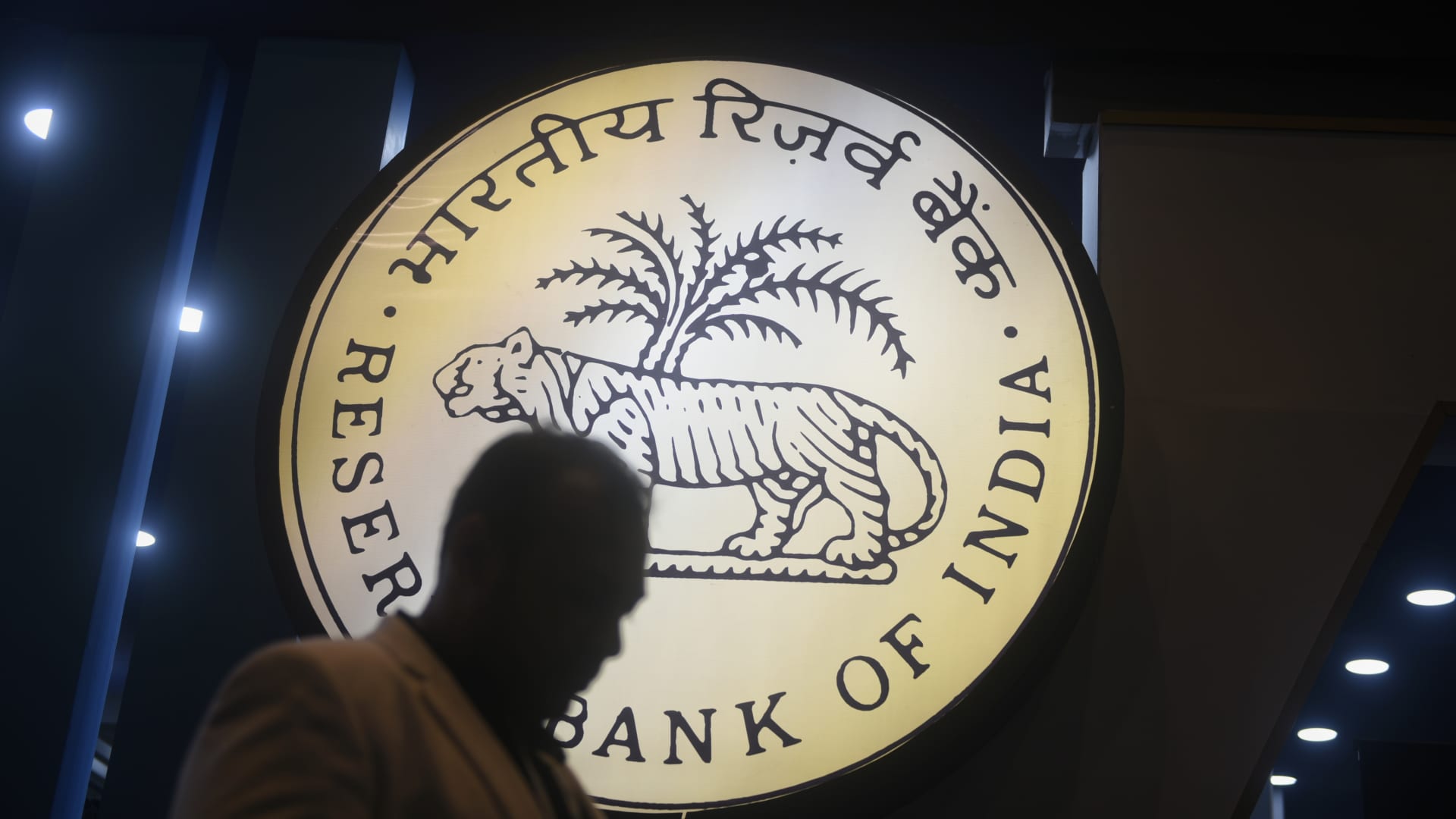
- Currency Depreciation Pressure: The Indian rupee has depreciated to record lows against the dollar, prompting the central bank to consider a rate hike during its monetary policy meeting on Friday to address ongoing capital outflows and rising import bills, thereby stabilizing the exchange rate and boosting market confidence.
- Rising Inflation Risks: Although India's inflation rate remains below the RBI's 4% target, economists anticipate increased inflationary pressures due to rising energy costs and climate change impacts, which may compel the central bank to take preemptive rate hike actions to control future price increases.
- Global Rate Trends: A potential rate hike by the RBI would align with the rising global interest rate trend, particularly as regional peers like Indonesia and Sri Lanka have adopted more aggressive rate hikes to tackle similar currency depreciation issues, indicating a coordinated approach to economic policy in the region.
- Climate Change Impact: The impending El Niño phenomenon could lead to reduced rainfall in India, affecting agricultural production and food prices, which would further exacerbate inflationary pressures and prompt the central bank to consider rate hikes in the coming months to mitigate potential food inflation crises.
See More

Citigroup Options Volume Surges Significantly

- Options Trading Volume: Citigroup (C) has seen an options trading volume of 51,324 contracts today, equating to approximately 5.1 million shares, which represents 46.2% of its average daily trading volume of 11.1 million shares over the past month, indicating a significant increase in market interest.
- High-Frequency Contracts: Among these, the $130 strike call option expiring on June 5, 2026, has been particularly active, with 10,348 contracts traded today, representing about 1.0 million underlying shares, suggesting heightened investor expectations for future price increases.
- Bristol Myers Options: Concurrently, Bristol Myers Squibb (BMY) has recorded an options trading volume of 48,911 contracts today, approximately 4.9 million shares, which is 45.1% of its average daily trading volume of 10.8 million shares over the past month, reflecting strong market activity.
- Key Contract Analysis: For BMY, the $62.50 strike call option expiring on July 17, 2026, has seen a trading volume of 32,979 contracts, equating to around 3.3 million shares, indicating a strong bullish sentiment among investors regarding this stock.
See More
Citi Upgrades Kohl's to Buy, Sees 53% Upside

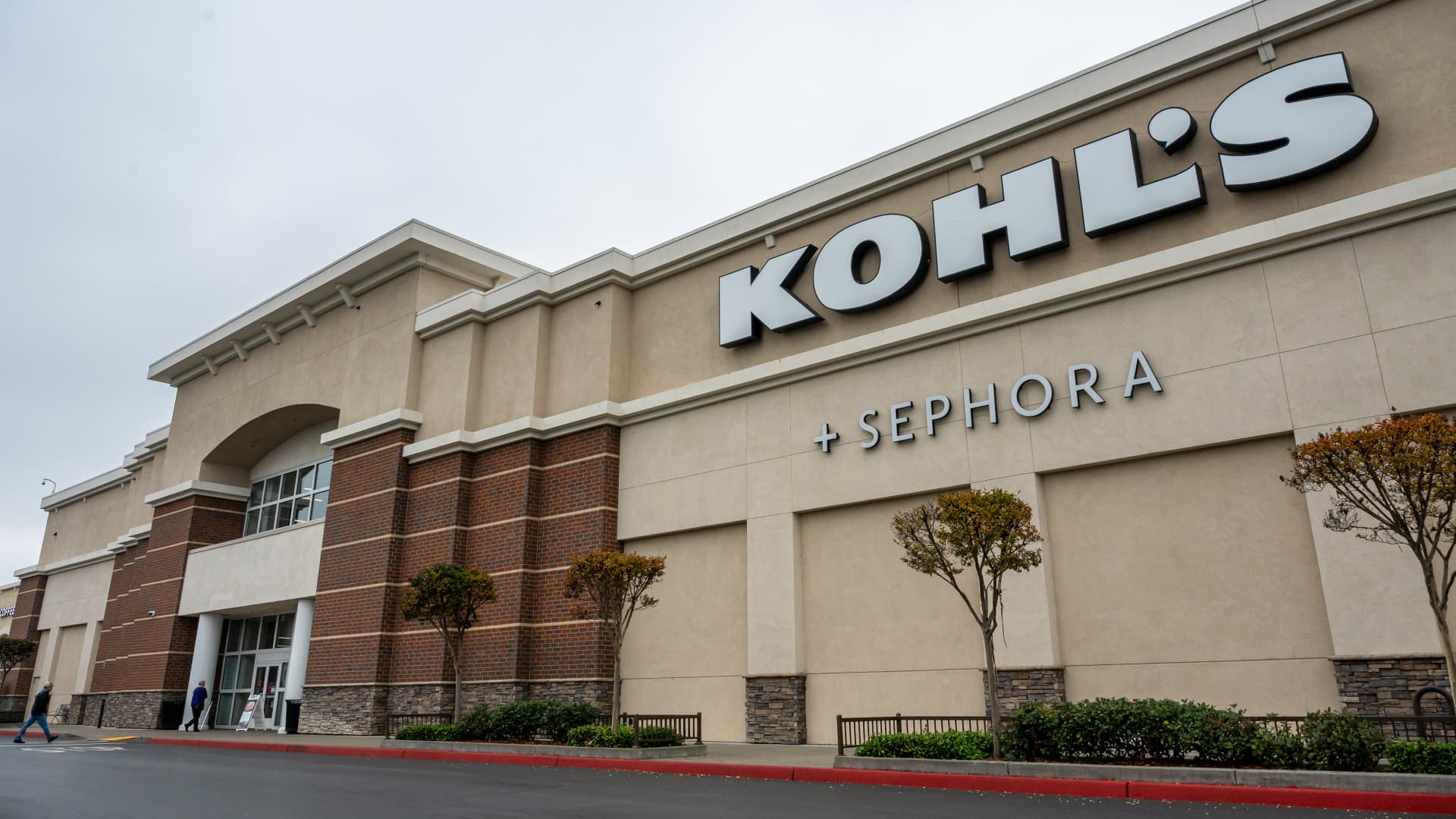
- Rating Upgrade: Citi upgraded Kohl's from neutral to buy and raised its price target from $14 to $22, implying a 53% upside from Friday's close, reflecting confidence in the company's future performance.
- Cash Flow Performance: Despite facing declining sales and macroeconomic pressures, analyst Paul Lejuez noted that the company achieved $1 billion in free cash flow last year, indicating improving financial health that investors should take note of.
- Sales Recovery: Kohl's posted its best quarterly comparable sales in four years, resulting in a 20% stock price increase in the trading session following its first-quarter earnings report, suggesting that its turnaround strategy is beginning to yield results and may attract more investor interest.
- Market Consensus Divergence: While Citi's perspective contrasts with the broader Wall Street consensus, with only 2 out of 14 analysts giving a strong buy rating, this discrepancy highlights a potential undervaluation opportunity for investors considering Kohl's future prospects.
See More
Analysis of ITOT ETF's 52-Week Price Fluctuations
- Price Range Analysis: The ITOT ETF has a 52-week low of $129.24 and a high of $166.43, with the latest trade at $165.57, indicating stability near its high point, which may attract investor interest in its price movements.
- Technical Analysis Tool: Comparing the latest share price to the 200-day moving average can provide valuable insights for investors, helping them assess market trends and potential buying opportunities.
- ETF Trading Mechanism: Exchange-traded funds (ETFs) trade similarly to stocks, where investors buy and sell 'units' that can be created or destroyed based on investor demand, impacting the ETF's liquidity and market performance.
- Inflows and Outflows Monitoring: Weekly monitoring of changes in shares outstanding for ETFs helps identify those experiencing significant inflows (new units created) or outflows (old units destroyed), allowing for assessment of their impact on underlying assets and market sentiment.
See More
Federal Reserve Stress Tests Impact on Bank Stocks
- Stress Test Context: The Federal Reserve conducts annual stress tests to assess the capital strength of large banks during economic downturns, with the Dodd-Frank Act establishing minimum capital requirements to ensure banks can withstand financial crises.
- Capital Buffer Changes: Last year, major banks saw significant reductions in their stress capital buffers, with JPMorgan Chase and Bank of America dropping to the minimum of 2.5%, indicating strong bank health and freeing up funds for shareholder returns.
- Increased Shareholder Returns: The reduction in capital buffers allowed banks to boost dividends and engage in share buybacks, with the six largest banks posting stock price returns exceeding 25% in 2025, and Citigroup leading with a remarkable 66% increase.
- Future Outlook: Although this year's stress test is considered tougher, the Fed's decision to freeze capital buffers for 2026 means banks won't need to raise their capital cushions, thus continuing to support shareholder returns; however, poor test results could dampen future dividends and buyback plans.
See More
Major Banks Show Significant Improvement in Stress Test Results
- Stress Test Results: Last year, major banks excelled in stress tests, leading to significant reductions in capital buffers, with JPMorgan Chase, Bank of America, and Wells Fargo dropping to the minimum of 2.5%, allowing them to free up more funds for shareholder returns.
- Dividends and Buybacks: All major banks raised their dividends in Q3 2025, except JPMorgan Chase, which did so in Q4, and several banks executed share buybacks following the stress tests, making these actions highly favorable for investors.
- Market Performance: The six largest banks posted stock price returns exceeding 25% in 2025, with Citigroup leading at 66%, indicating a positive impact of stress test results on stock prices, despite this year's tests being considered tougher.
- Future Outlook: While this year's stress tests may pose higher risks for some banks, the Fed's decision to freeze capital buffers for 2026 means banks won't need to increase their capital cushions, allowing them to continue rewarding shareholders through dividends and buybacks.
See More
India's Central Bank May Raise Rates to Combat Currency Depreciation
- Currency Depreciation Pressure: The Indian rupee has depreciated to record lows against the dollar, prompting the central bank to consider a rate hike during its monetary policy meeting on Friday to address ongoing capital outflows and rising import bills, thereby stabilizing the exchange rate and boosting market confidence.
- Rising Inflation Risks: Although India's inflation rate remains below the RBI's 4% target, economists anticipate increased inflationary pressures due to rising energy costs and climate change impacts, which may compel the central bank to take preemptive rate hike actions to control future price increases.
- Global Rate Trends: A potential rate hike by the RBI would align with the rising global interest rate trend, particularly as regional peers like Indonesia and Sri Lanka have adopted more aggressive rate hikes to tackle similar currency depreciation issues, indicating a coordinated approach to economic policy in the region.
- Climate Change Impact: The impending El Niño phenomenon could lead to reduced rainfall in India, affecting agricultural production and food prices, which would further exacerbate inflationary pressures and prompt the central bank to consider rate hikes in the coming months to mitigate potential food inflation crises.
See More
Citigroup Options Volume Surges Significantly
- Options Trading Volume: Citigroup (C) has seen an options trading volume of 51,324 contracts today, equating to approximately 5.1 million shares, which represents 46.2% of its average daily trading volume of 11.1 million shares over the past month, indicating a significant increase in market interest.
- High-Frequency Contracts: Among these, the $130 strike call option expiring on June 5, 2026, has been particularly active, with 10,348 contracts traded today, representing about 1.0 million underlying shares, suggesting heightened investor expectations for future price increases.
- Bristol Myers Options: Concurrently, Bristol Myers Squibb (BMY) has recorded an options trading volume of 48,911 contracts today, approximately 4.9 million shares, which is 45.1% of its average daily trading volume of 10.8 million shares over the past month, reflecting strong market activity.
- Key Contract Analysis: For BMY, the $62.50 strike call option expiring on July 17, 2026, has seen a trading volume of 32,979 contracts, equating to around 3.3 million shares, indicating a strong bullish sentiment among investors regarding this stock.
See More
Citi Upgrades Kohl's to Buy, Sees 53% Upside
- Rating Upgrade: Citi upgraded Kohl's from neutral to buy and raised its price target from $14 to $22, implying a 53% upside from Friday's close, reflecting confidence in the company's future performance.
- Cash Flow Performance: Despite facing declining sales and macroeconomic pressures, analyst Paul Lejuez noted that the company achieved $1 billion in free cash flow last year, indicating improving financial health that investors should take note of.
- Sales Recovery: Kohl's posted its best quarterly comparable sales in four years, resulting in a 20% stock price increase in the trading session following its first-quarter earnings report, suggesting that its turnaround strategy is beginning to yield results and may attract more investor interest.
- Market Consensus Divergence: While Citi's perspective contrasts with the broader Wall Street consensus, with only 2 out of 14 analysts giving a strong buy rating, this discrepancy highlights a potential undervaluation opportunity for investors considering Kohl's future prospects.
See More