Citi Advises Staying Invested in AI Despite Bubble Concerns, as Riding Manias Can Be Profitable

Citigroup's Stance on AI Stocks: Citigroup's Dirk Willer believes that the recent fluctuations in AI stocks do not indicate the end of a bubble, suggesting that investors should remain invested as bubbles can still be profitable initially.
Focus on Corporate Profits: Willer emphasizes that the bank's equity strategist is prioritizing corporate profits over concerns about a potential bubble burst, using liquidity and technical analysis for better market predictions.
Market Performance and Predictions: Despite a 1.5% dip in the Nasdaq Composite in November, it is projected to end 2025 over 22% higher, remaining close to its all-time high.
Monetary Policy Impact: Willer notes that an anticipated reduction in interest rates by the Federal Reserve could support stock performance, although historical trends suggest that mid-term election years may pose challenges for equities.
Trade with 70% Backtested Accuracy
Analyst Views on C

About C
About the author

Markets Hit New Highs as Tech Stocks Surge


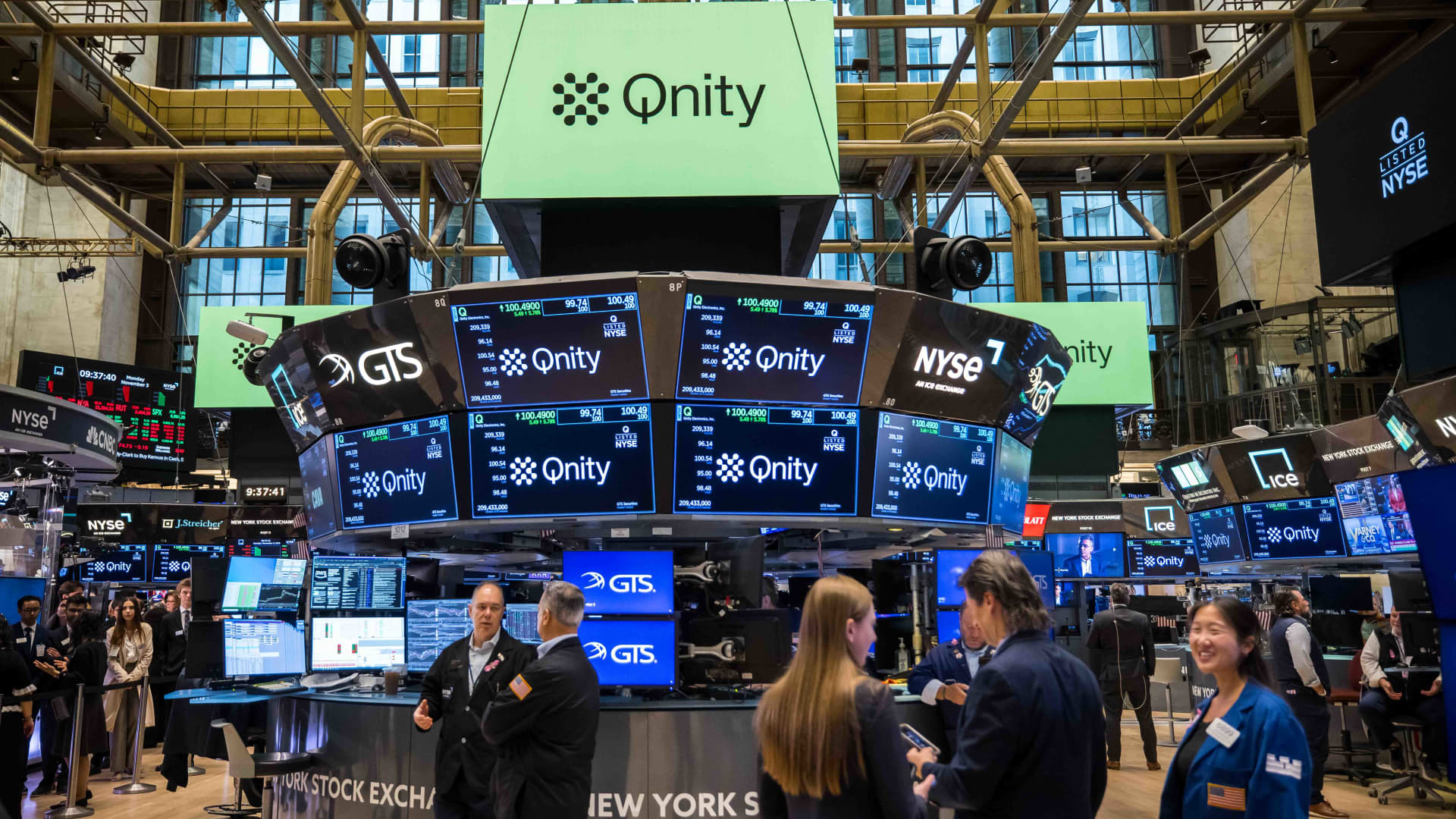
- Tech Stocks Surge: Stocks like Lumentum, Coherent, Corning, Western Digital, Micron, Seagate, Qualcomm, and Qnity Electronics have all risen over 5%, indicating strong market confidence in the tech sector, which may drive overall market gains further.
- Energy Stocks Rise: Energy stocks increased alongside oil prices after President Trump indicated challenges to the Iran ceasefire, reflecting market sensitivity to energy price fluctuations that could impact consumer spending and overall economic growth.
- Consumer Confidence Dips: Consumer-related stocks, including TJX Companies and Nike, faced declines, highlighting investor anxiety over the potential economic pressures from rising energy prices, which could dampen consumer spending.
- CPI Report Expectations: The upcoming Consumer Price Index report is expected to show a significant month-over-month increase, with economists predicting a 0.59% rise from March, which may prompt government actions to alleviate economic burdens on consumers, further influencing market sentiment.
Trump Invites Top Executives for China Trip


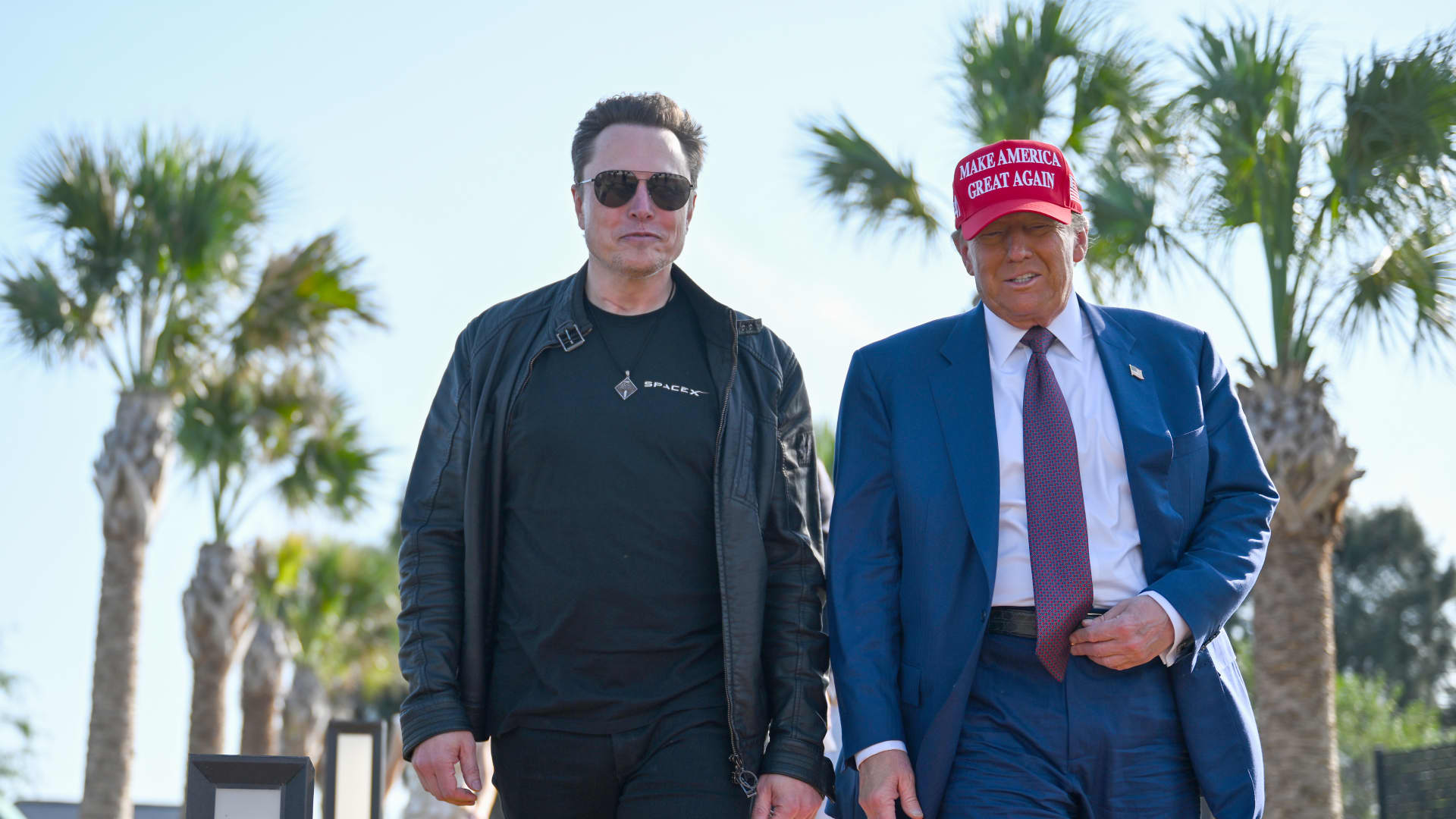
- Executive Delegation: President-elect Trump has invited top executives, including Tesla's Elon Musk and Apple's Tim Cook, to join his trip to China, aiming to enhance U.S.-China business cooperation through high-level engagement.
- Broad Agenda: The summit is expected to cover a wide range of topics, including trade, artificial intelligence, export controls, Taiwan, and the Iran war, indicating a desire to ease tensions through dialogue after recent escalations.
- Business Deal Expectations: Trump hopes to secure a series of business deals and purchase agreements during the visit, which, if successful, could enhance U.S. companies' competitiveness in the Chinese market and foster bilateral economic relations.
- Diverse Executive List: The delegation includes executives from various sectors, such as Stephen Schwarzman of Blackstone and Jane Fraser of Citigroup, reflecting U.S. companies' commitment to the Chinese market and willingness to collaborate.

Trump Invites Executives to China for Trade Talks


- Executive Delegation: Trump has invited top U.S. executives, including Musk, Cook, and Fink, to visit China this week, aiming to enhance economic ties through high-level discussions and promote business cooperation between the two nations.
- Broad Agenda: The summit is expected to cover critical topics such as trade, artificial intelligence, export controls, Taiwan, and the Iran war, highlighting the escalating tensions between the U.S. and China in technology and geopolitical matters.
- Corporate Participation: More than a dozen top executives are anticipated to join the trip, with Trump hoping to secure a series of business deals and purchase agreements that would facilitate growth for U.S. companies in the Chinese market.
- Strategic Implications: Following weeks of rising tensions, this high-level meeting serves as a crucial step in easing U.S.-China relations and may lay the groundwork for future economic cooperation, fostering dialogue and collaboration in key areas.

Madison Air Solutions Stock Surges Over 50% Post-IPO Amid AI Data Center Boom


- Strong IPO Performance: Madison Air Solutions has seen its stock price surge over 50% since its April IPO, reflecting strong market confidence in its potential amid rising demand for AI data centers.
- Upgraded Price Target: Bank of America initiated research coverage with a buy rating and a 12-month price target of $47, implying a 12% upside from Friday's close, indicating optimism about the company's future growth.
- Market Share Advantage: Analysts noted that Madison Air holds a strong market share in niche HVAC markets, with its residential business insulated from industry shipment fluctuations, positioning it for further growth in a $40 billion market.
- Accelerated Data Center Construction: The rapid adoption of large language models like Chat GPT has led to over $60 billion pledged last year for building data centers that support AI solutions, driving demand for HVAC systems that ensure stable thermal conditions.
Nvidia CEO Jensen Huang Not Joining Trump on China Trip

- Not Invited: Nvidia CEO Jensen Huang will not accompany President Trump on his trip to China, as a source indicated he was not invited, highlighting the White House's focus on agriculture and commercial aviation, which may impact Nvidia's business expansion in the Chinese market.
- Business Priorities: The Trump administration's emphasis on promoting U.S. business interests during this trip contrasts with Huang's absence, suggesting potential challenges for Nvidia in collaborating with the government despite Huang's strong relationship with Trump.
- Other CEOs Attending: Unlike Huang, Citigroup CEO Jane Fraser has been invited, and Qualcomm CEO Cristiano Amon is expected to attend, indicating a proactive stance from other tech leaders in fostering business partnerships during the trip.
- Export Challenges: Although Trump agreed to allow Nvidia's H200 AI chips to be exported to China, Commerce Secretary Howard Lutnick noted that these chips have not yet been sold due to difficulties faced by Chinese companies in obtaining government permissions, reflecting the complexities of U.S.-China trade relations.

Kahn Brothers' Strategic Investment Moves in Q1 2026

- New Investment Moves: In Q1 2026, Kahn Brothers added 545,212 shares of Zillow Group Inc., now comprising 4% of their portfolio valued at $22.56 million, indicating confidence in the real estate sector.
- Position Increases: The firm increased its stake in Organon & Co by 1,907,542 shares, a 52.56% rise, bringing total holdings to 5,536,993 shares, impacting the portfolio by 2.03% with a total value of $33.17 million, reflecting optimism in the biopharmaceutical industry.
- Exit Strategy: Kahn Brothers completely exited seven holdings in Q1, including Webster Financial Corp and NVIDIA Corp, which impacted the portfolio by -0.33% and -0.06% respectively, demonstrating a cautious outlook on these stocks.
- Reduction Strategy: The firm reduced positions in 31 stocks, notably cutting Merck & Co by 202,815 shares, a 47.15% decrease impacting the portfolio by -3.78%, and BP PLC by 416,146 shares, a 40.08% reduction impacting -2.56%, indicating a reserved stance on their future performance.
Markets Hit New Highs as Tech Stocks Surge
- Tech Stocks Surge: Stocks like Lumentum, Coherent, Corning, Western Digital, Micron, Seagate, Qualcomm, and Qnity Electronics have all risen over 5%, indicating strong market confidence in the tech sector, which may drive overall market gains further.
- Energy Stocks Rise: Energy stocks increased alongside oil prices after President Trump indicated challenges to the Iran ceasefire, reflecting market sensitivity to energy price fluctuations that could impact consumer spending and overall economic growth.
- Consumer Confidence Dips: Consumer-related stocks, including TJX Companies and Nike, faced declines, highlighting investor anxiety over the potential economic pressures from rising energy prices, which could dampen consumer spending.
- CPI Report Expectations: The upcoming Consumer Price Index report is expected to show a significant month-over-month increase, with economists predicting a 0.59% rise from March, which may prompt government actions to alleviate economic burdens on consumers, further influencing market sentiment.
Trump Invites Top Executives for China Trip
- Executive Delegation: President-elect Trump has invited top executives, including Tesla's Elon Musk and Apple's Tim Cook, to join his trip to China, aiming to enhance U.S.-China business cooperation through high-level engagement.
- Broad Agenda: The summit is expected to cover a wide range of topics, including trade, artificial intelligence, export controls, Taiwan, and the Iran war, indicating a desire to ease tensions through dialogue after recent escalations.
- Business Deal Expectations: Trump hopes to secure a series of business deals and purchase agreements during the visit, which, if successful, could enhance U.S. companies' competitiveness in the Chinese market and foster bilateral economic relations.
- Diverse Executive List: The delegation includes executives from various sectors, such as Stephen Schwarzman of Blackstone and Jane Fraser of Citigroup, reflecting U.S. companies' commitment to the Chinese market and willingness to collaborate.
Trump Invites Executives to China for Trade Talks
- Executive Delegation: Trump has invited top U.S. executives, including Musk, Cook, and Fink, to visit China this week, aiming to enhance economic ties through high-level discussions and promote business cooperation between the two nations.
- Broad Agenda: The summit is expected to cover critical topics such as trade, artificial intelligence, export controls, Taiwan, and the Iran war, highlighting the escalating tensions between the U.S. and China in technology and geopolitical matters.
- Corporate Participation: More than a dozen top executives are anticipated to join the trip, with Trump hoping to secure a series of business deals and purchase agreements that would facilitate growth for U.S. companies in the Chinese market.
- Strategic Implications: Following weeks of rising tensions, this high-level meeting serves as a crucial step in easing U.S.-China relations and may lay the groundwork for future economic cooperation, fostering dialogue and collaboration in key areas.
Madison Air Solutions Stock Surges Over 50% Post-IPO Amid AI Data Center Boom
- Strong IPO Performance: Madison Air Solutions has seen its stock price surge over 50% since its April IPO, reflecting strong market confidence in its potential amid rising demand for AI data centers.
- Upgraded Price Target: Bank of America initiated research coverage with a buy rating and a 12-month price target of $47, implying a 12% upside from Friday's close, indicating optimism about the company's future growth.
- Market Share Advantage: Analysts noted that Madison Air holds a strong market share in niche HVAC markets, with its residential business insulated from industry shipment fluctuations, positioning it for further growth in a $40 billion market.
- Accelerated Data Center Construction: The rapid adoption of large language models like Chat GPT has led to over $60 billion pledged last year for building data centers that support AI solutions, driving demand for HVAC systems that ensure stable thermal conditions.
Nvidia CEO Jensen Huang Not Joining Trump on China Trip
- Not Invited: Nvidia CEO Jensen Huang will not accompany President Trump on his trip to China, as a source indicated he was not invited, highlighting the White House's focus on agriculture and commercial aviation, which may impact Nvidia's business expansion in the Chinese market.
- Business Priorities: The Trump administration's emphasis on promoting U.S. business interests during this trip contrasts with Huang's absence, suggesting potential challenges for Nvidia in collaborating with the government despite Huang's strong relationship with Trump.
- Other CEOs Attending: Unlike Huang, Citigroup CEO Jane Fraser has been invited, and Qualcomm CEO Cristiano Amon is expected to attend, indicating a proactive stance from other tech leaders in fostering business partnerships during the trip.
- Export Challenges: Although Trump agreed to allow Nvidia's H200 AI chips to be exported to China, Commerce Secretary Howard Lutnick noted that these chips have not yet been sold due to difficulties faced by Chinese companies in obtaining government permissions, reflecting the complexities of U.S.-China trade relations.
Kahn Brothers' Strategic Investment Moves in Q1 2026
- New Investment Moves: In Q1 2026, Kahn Brothers added 545,212 shares of Zillow Group Inc., now comprising 4% of their portfolio valued at $22.56 million, indicating confidence in the real estate sector.
- Position Increases: The firm increased its stake in Organon & Co by 1,907,542 shares, a 52.56% rise, bringing total holdings to 5,536,993 shares, impacting the portfolio by 2.03% with a total value of $33.17 million, reflecting optimism in the biopharmaceutical industry.
- Exit Strategy: Kahn Brothers completely exited seven holdings in Q1, including Webster Financial Corp and NVIDIA Corp, which impacted the portfolio by -0.33% and -0.06% respectively, demonstrating a cautious outlook on these stocks.
- Reduction Strategy: The firm reduced positions in 31 stocks, notably cutting Merck & Co by 202,815 shares, a 47.15% decrease impacting the portfolio by -3.78%, and BP PLC by 416,146 shares, a 40.08% reduction impacting -2.56%, indicating a reserved stance on their future performance.