Chinese Automakers Target German Luxury Market
Written by Emily J. Thompson, Senior Investment Analyst
Updated: 3 days ago
0mins
Source: Newsfilter
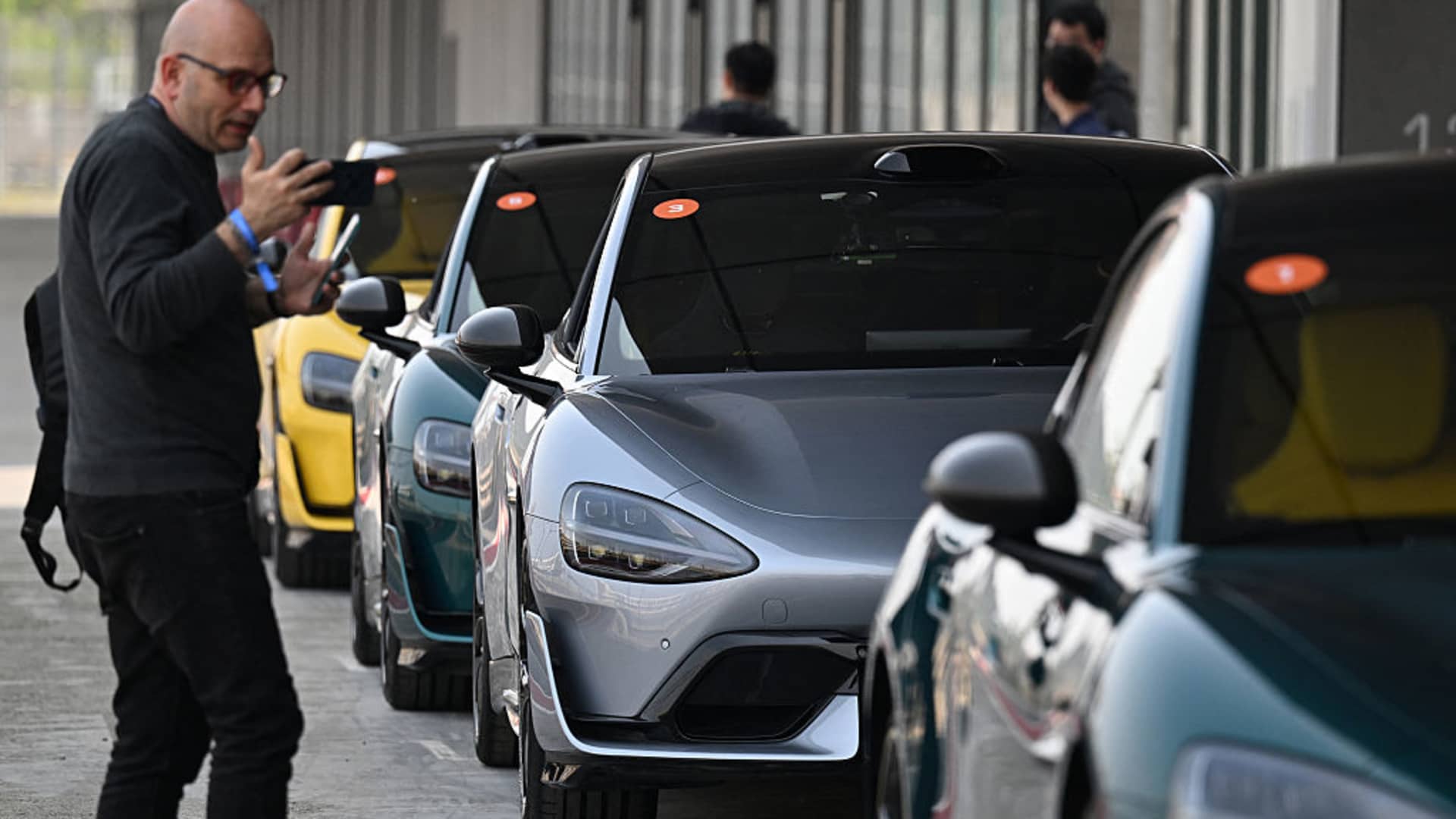
- Intensified Market Competition: Chinese automakers like Geely and Nio are launching several premium electric vehicle models priced significantly lower than German brands such as Porsche, Mercedes, and BMW, posing a major threat to these legacy luxury manufacturers, particularly in China, the world's largest auto market.
- Declining Sales Figures: According to S&P Global Mobility, cumulative sales of German automakers in China fell nearly 25% from 5.1 million vehicles in 2019 to 3.85 million, indicating a sharp decline in market share and increasing competitive pressure.
- New Model Launches: At the upcoming Beijing Auto Show, the industry is set to unveil 181 new models and 71 concept cars, including Geely's 8X luxury plug-in hybrid SUV, starting at under $53,000, showcasing the advantages of Chinese brands in technology and safety features.
- Shifting Consumer Preferences: As the average age of Chinese car buyers rises and demand for larger premium models increases, German brands face growing challenges, particularly as younger consumers gravitate towards local brands with advanced technology, threatening the market position of German luxury brands.
Trade with 70% Backtested Accuracy
Stop guessing "Should I Buy GM?" and start using high-conviction signals backed by rigorous historical data.
Sign up today to access powerful investing tools and make smarter, data-driven decisions.
Analyst Views on GM
Wall Street analysts forecast GM stock price to rise
19 Analyst Rating
14 Buy
4 Hold
1 Sell
Moderate Buy
Current: 78.520

Low
57.00
Averages
95.06
High
122.00
Current: 78.520
Low
57.00
Averages
95.06
High
122.00
About GM
General Motors Company designs, builds and sells trucks, crossovers, cars and automobile parts and provides software-enabled services and subscriptions worldwide. The Company's segments include GMNA, GMI and GM Financial. Its GM North America (GMNA) and GM International (GMI) segment develop, manufacture and/or markets vehicles under the Buick, Cadillac, Chevrolet and GMC brands. The Company's GM Financial segment provides automotive financing and related services. The Company is also focused on investing in electric vehicles (EVs) and autonomous vehicles (Avs), software-enabled services and subscriptions and new business opportunities. The Company's portfolio includes OnStar, GM Energy, GM Insurance, GM Genuine Parts, and the GM Company Store. Its OnStar portfolio offers safety, connectivity and hands-free driver assistance technologies. Its GM Energy provides Home EV Charging, Public EV Charging, Vehicle-To-Home and Energy Storage services.
About the author

Emily J. Thompson
Emily J. Thompson, a Chartered Financial Analyst (CFA) with 12 years in investment research, graduated with honors from the Wharton School. Specializing in industrial and technology stocks, she provides in-depth analysis for Intellectia’s earnings and market brief reports.
General Motors Delays Next-Gen Electric Truck Program Indefinitely

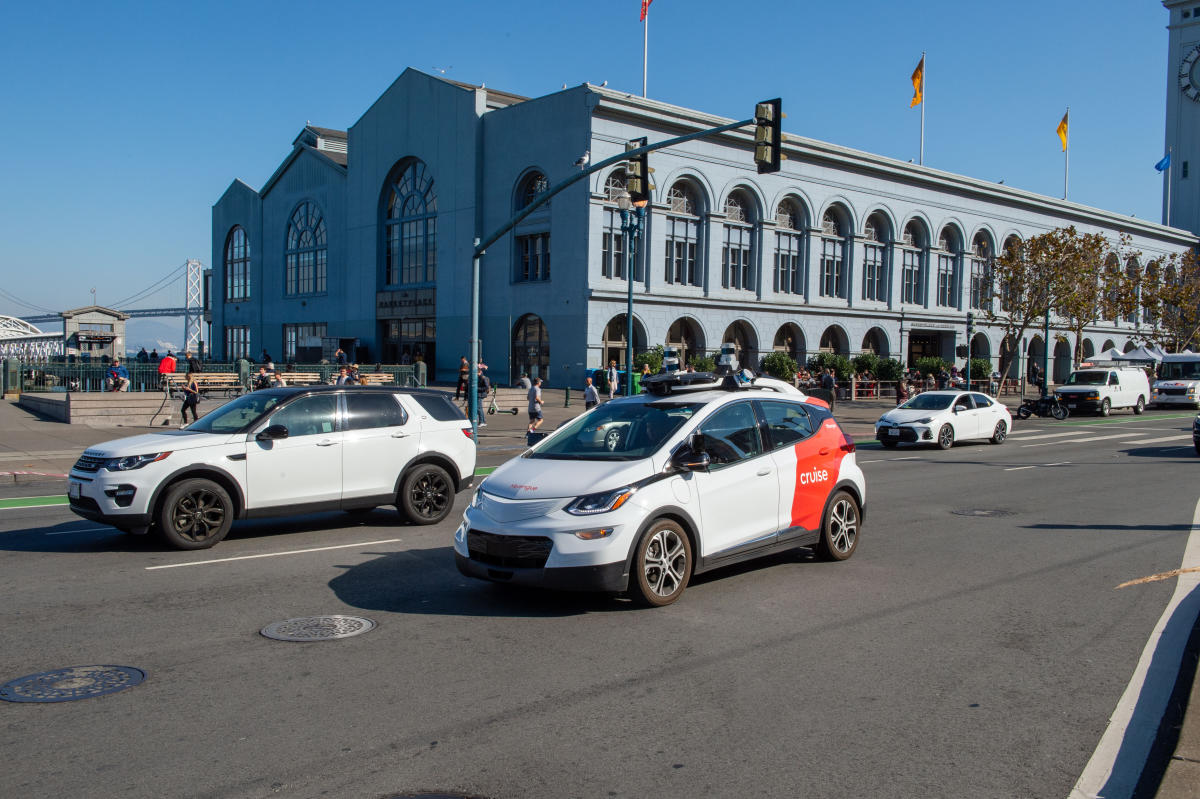
- Project Delayed Indefinitely: General Motors has announced an indefinite delay of its next-generation full-size electric truck program, including the GMC Sierra and Chevrolet Silverado, originally set to launch in 2028, which may impact the company's competitiveness in the EV market.
- Suppliers Informed of Halt: Reports indicate that GM has informed suppliers that the program has been halted with no new timetable issued, suggesting significant strategic adjustments in the company's electric truck initiatives.
- Layoff Impact at Factory: GM's Factory Zero in Detroit has laid off workers for about a month due to slowing EV sales, highlighting the challenges and uncertainties the company faces in its electrification efforts amid fluctuating market demand.
- Shift to Hybrid Plans: GM plans to shift plug-in hybrid versions of the Silverado and Sierra to another Michigan plant, and while it currently does not offer hybrid vehicles in the U.S., the company has indicated intentions to introduce this powertrain technology to meet market needs.
See More
Foreign Automakers Catch Up with Local Rivals in China


- New Model Launch: General Motors unveiled its first luxury electric SUV VISTIQ with driver-assist technology ahead of the Beijing Auto Show, priced at 468,000 yuan ($68,000), enhancing its competitive edge in the Chinese market through collaboration with local startup Momenta.
- Market Strategy Shift: Hyundai officially launched its all-electric IONIQ brand in China, aiming to reimagine its strategy as its sales share in China fell from 17% to 4%, with potential plans to export the brand to the Asia-Pacific region if successful.
- Technological Collaboration: Volkswagen announced the rollout of AI-powered voice command features in its cars starting in the second half of the year, leveraging technology from Tencent, Alibaba, and Baidu to enhance user experience and strengthen brand appeal in China.
- Sales Target Setting: Beijing Hyundai plans to introduce 20 new models over the next five years with an annual sales target of 500,000 vehicles, demonstrating the commitment of foreign automakers to long-term growth in the Chinese market.
See More
Alibaba's AI Model to Enter Electric Vehicle Market
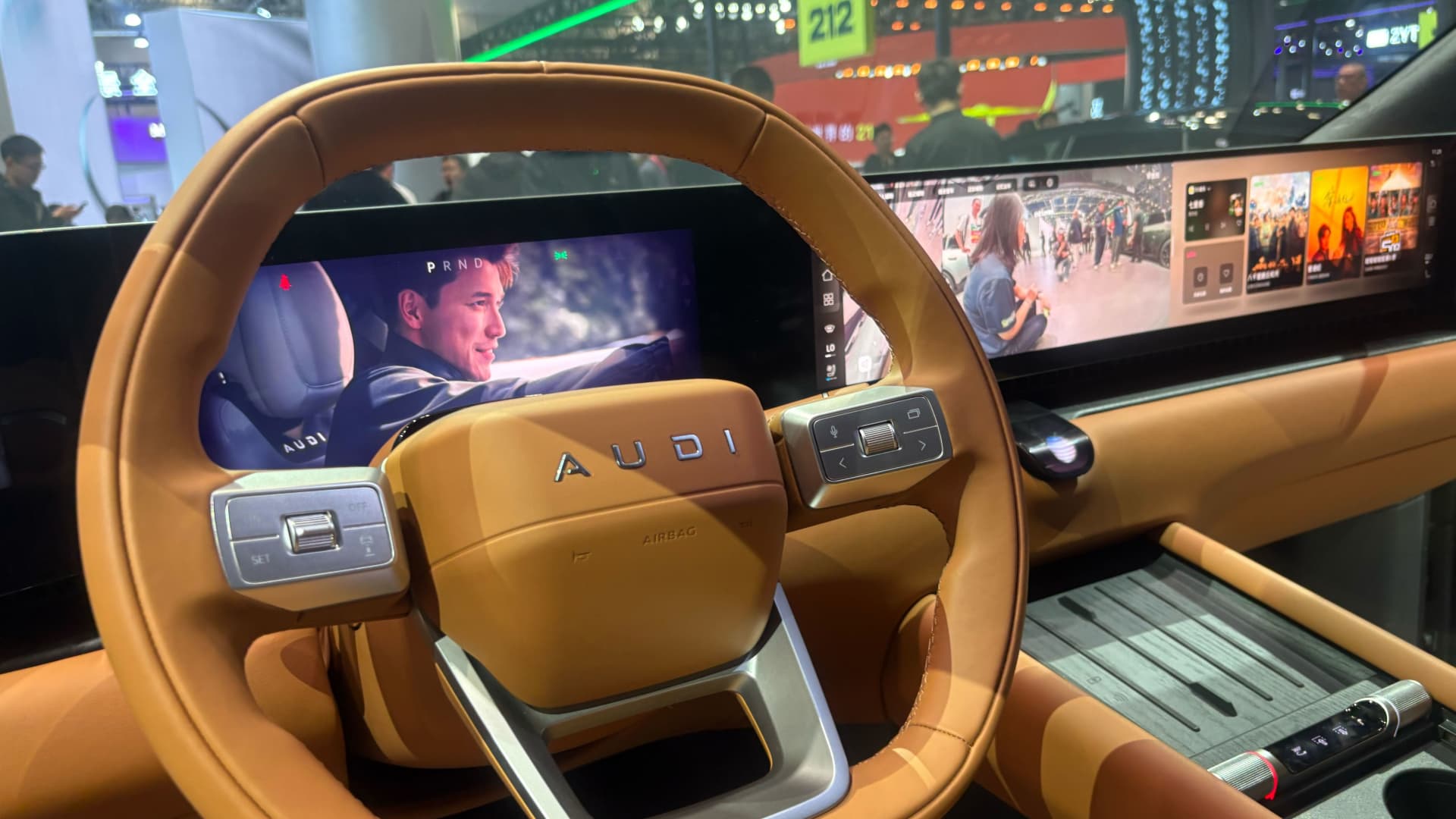
- AI Integration Progress: Alibaba announced that its Qwen AI model will be integrated into vehicles from automakers including BYD and a local joint venture of Volkswagen, aiming to enhance digital services in electric vehicles and strengthen market competitiveness.
- Diverse Functionality: The model will enable drivers to use voice commands for food delivery, hotel bookings, attraction ticket purchases, and package tracking, combining on-device processing with cloud computing to enhance user experience.
- Technical Collaboration: Qwen will operate on Nvidia's automotive chip system, ensuring functionality even with limited network connectivity, showcasing Alibaba's technological prowess in the smart vehicle sector.
- Market Competition Strategy: As the electric vehicle market slows, automakers are attracting consumers by integrating advanced in-car software and services, and Alibaba's technology integration will help its partners stand out in the competitive landscape.
See More

Tesla Q1 Results Beat Expectations but CapEx Rises

- Strong Q1 Performance: Tesla's Q1 sales surged 16% year-over-year to $22.38 billion, exceeding estimates of $21.92 billion, driven by a 51% YoY increase in full self-driving (FSD) subscriptions to 1.28 million, significantly bolstering service revenue.
- Rising Capital Expenditures: Despite reporting an EPS of $0.41, beating expectations of $0.36, Tesla anticipates its capital expenditures will exceed initial forecasts by $5 billion in 2026, potentially straining future cash flows.
- Challenges for General Motors: GM is expected to report nearly a 1% YoY decline in Q1 sales to $43.67 billion, impacted by soft global auto demand and rising tariff costs, with projected EPS falling 7% to $2.59, indicating market pressures.
- Investor Focus on Future Growth: While both Tesla and GM have a return on invested capital (ROIC) of 4%, above the industry average of 1.47%, Tesla's potential for future growth in high-margin sectors like energy, AI, and robotics is drawing more investor interest.
See More
Ford and GM Face Challenges as Sedan Market Resurges
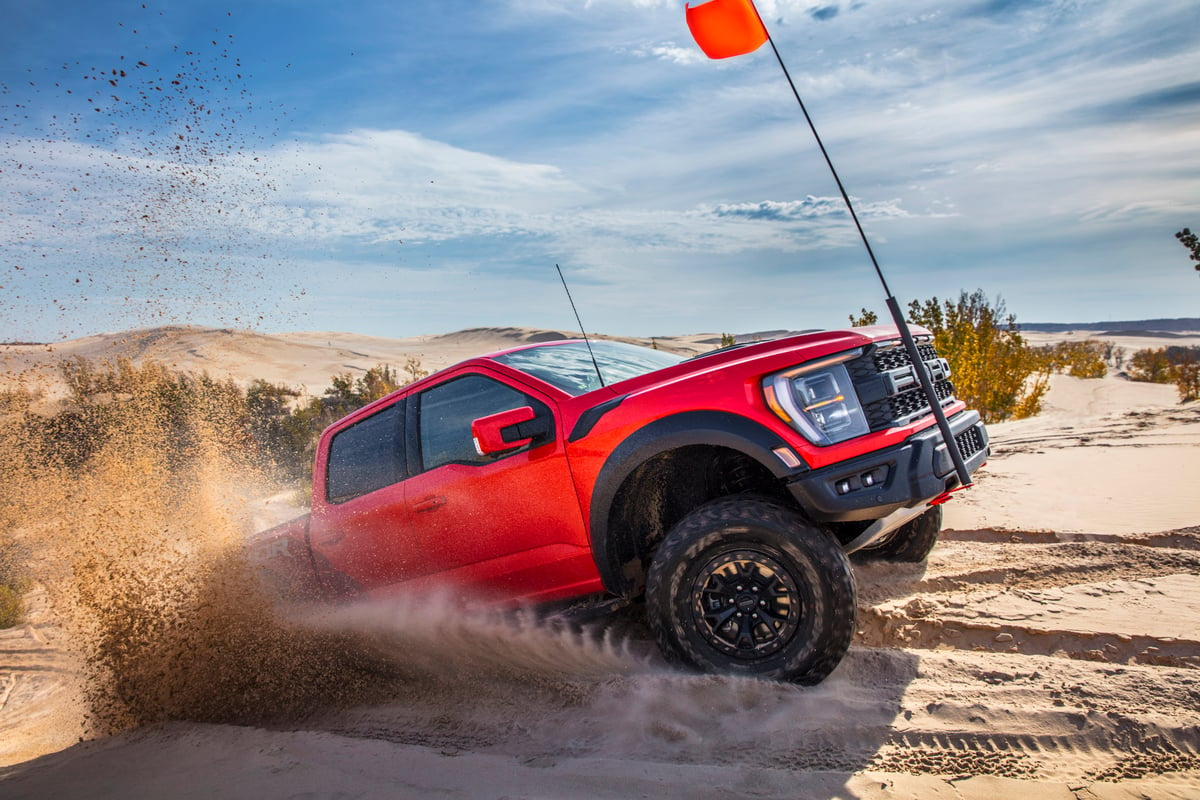
- Market Preference Shift: Over the past few decades, the U.S. market has significantly favored SUVs and trucks, benefiting Ford and GM, as these vehicles have marginally higher manufacturing costs but fetch 2 to 3 times higher prices and better margins.
- Sedan Sales Resurgence: With new car prices rising, the sedan market is experiencing a revival, with Toyota Camry sales up 11%, Honda Accord up 22%, and Kia's K5 up 19% in the first quarter, indicating a vibrant sedan market.
- Ford's Strategic Shift: Ford has nearly eliminated its sedan lineup by 2026, leaving only the iconic Mustang, and CEO Jim Farley noted that while there is a market for sedans, the company struggled to find a profitable competitive strategy, hinting at potential future adjustments.
- GM's Market Opportunity: GM plans to introduce a new Buick sedan in the U.S., the first since 2020, rumored to be built on the same platform as the next-generation Cadillac CT5 and Camaro, indicating a strategic move to capitalize on the resurgent sedan market.
See More
GM CEO Compensation Continues to Rise
- Compensation Growth: GM CEO Mary Barra earned $29.9 million last year, reflecting a 1.4% increase from the previous year, with her base salary steady at $2.1 million and stock awards rising 11% to $21.6 million, indicating the company's strategy to attract top talent.
- Performance Comparison: Over the past three years, GM has significantly outperformed rivals, nearly tripling its closest competitor's value, particularly amidst volatile EV demand and uncertain trade policies, showcasing its strong market adaptability.
- Peer Compensation Analysis: Ford CEO Jim Farley's compensation also rose by 11% to $27.5 million, yet his performance only met 64% of earnings targets while facing record recalls, highlighting a disparity between executive pay and actual company performance.
- Aligning Shareholder Interests: GM has returned immense value to shareholders through tens of billions in stock buybacks, and while executive compensation may spark debate, the company's strong performance metrics and profitability provide robust justification for such pay.
See More
General Motors Delays Next-Gen Electric Truck Program Indefinitely
- Project Delayed Indefinitely: General Motors has announced an indefinite delay of its next-generation full-size electric truck program, including the GMC Sierra and Chevrolet Silverado, originally set to launch in 2028, which may impact the company's competitiveness in the EV market.
- Suppliers Informed of Halt: Reports indicate that GM has informed suppliers that the program has been halted with no new timetable issued, suggesting significant strategic adjustments in the company's electric truck initiatives.
- Layoff Impact at Factory: GM's Factory Zero in Detroit has laid off workers for about a month due to slowing EV sales, highlighting the challenges and uncertainties the company faces in its electrification efforts amid fluctuating market demand.
- Shift to Hybrid Plans: GM plans to shift plug-in hybrid versions of the Silverado and Sierra to another Michigan plant, and while it currently does not offer hybrid vehicles in the U.S., the company has indicated intentions to introduce this powertrain technology to meet market needs.
See More
Foreign Automakers Catch Up with Local Rivals in China
- New Model Launch: General Motors unveiled its first luxury electric SUV VISTIQ with driver-assist technology ahead of the Beijing Auto Show, priced at 468,000 yuan ($68,000), enhancing its competitive edge in the Chinese market through collaboration with local startup Momenta.
- Market Strategy Shift: Hyundai officially launched its all-electric IONIQ brand in China, aiming to reimagine its strategy as its sales share in China fell from 17% to 4%, with potential plans to export the brand to the Asia-Pacific region if successful.
- Technological Collaboration: Volkswagen announced the rollout of AI-powered voice command features in its cars starting in the second half of the year, leveraging technology from Tencent, Alibaba, and Baidu to enhance user experience and strengthen brand appeal in China.
- Sales Target Setting: Beijing Hyundai plans to introduce 20 new models over the next five years with an annual sales target of 500,000 vehicles, demonstrating the commitment of foreign automakers to long-term growth in the Chinese market.
See More
Alibaba's AI Model to Enter Electric Vehicle Market
- AI Integration Progress: Alibaba announced that its Qwen AI model will be integrated into vehicles from automakers including BYD and a local joint venture of Volkswagen, aiming to enhance digital services in electric vehicles and strengthen market competitiveness.
- Diverse Functionality: The model will enable drivers to use voice commands for food delivery, hotel bookings, attraction ticket purchases, and package tracking, combining on-device processing with cloud computing to enhance user experience.
- Technical Collaboration: Qwen will operate on Nvidia's automotive chip system, ensuring functionality even with limited network connectivity, showcasing Alibaba's technological prowess in the smart vehicle sector.
- Market Competition Strategy: As the electric vehicle market slows, automakers are attracting consumers by integrating advanced in-car software and services, and Alibaba's technology integration will help its partners stand out in the competitive landscape.
See More
Tesla Q1 Results Beat Expectations but CapEx Rises
- Strong Q1 Performance: Tesla's Q1 sales surged 16% year-over-year to $22.38 billion, exceeding estimates of $21.92 billion, driven by a 51% YoY increase in full self-driving (FSD) subscriptions to 1.28 million, significantly bolstering service revenue.
- Rising Capital Expenditures: Despite reporting an EPS of $0.41, beating expectations of $0.36, Tesla anticipates its capital expenditures will exceed initial forecasts by $5 billion in 2026, potentially straining future cash flows.
- Challenges for General Motors: GM is expected to report nearly a 1% YoY decline in Q1 sales to $43.67 billion, impacted by soft global auto demand and rising tariff costs, with projected EPS falling 7% to $2.59, indicating market pressures.
- Investor Focus on Future Growth: While both Tesla and GM have a return on invested capital (ROIC) of 4%, above the industry average of 1.47%, Tesla's potential for future growth in high-margin sectors like energy, AI, and robotics is drawing more investor interest.
See More
Ford and GM Face Challenges as Sedan Market Resurges
- Market Preference Shift: Over the past few decades, the U.S. market has significantly favored SUVs and trucks, benefiting Ford and GM, as these vehicles have marginally higher manufacturing costs but fetch 2 to 3 times higher prices and better margins.
- Sedan Sales Resurgence: With new car prices rising, the sedan market is experiencing a revival, with Toyota Camry sales up 11%, Honda Accord up 22%, and Kia's K5 up 19% in the first quarter, indicating a vibrant sedan market.
- Ford's Strategic Shift: Ford has nearly eliminated its sedan lineup by 2026, leaving only the iconic Mustang, and CEO Jim Farley noted that while there is a market for sedans, the company struggled to find a profitable competitive strategy, hinting at potential future adjustments.
- GM's Market Opportunity: GM plans to introduce a new Buick sedan in the U.S., the first since 2020, rumored to be built on the same platform as the next-generation Cadillac CT5 and Camaro, indicating a strategic move to capitalize on the resurgent sedan market.
See More
GM CEO Compensation Continues to Rise
- Compensation Growth: GM CEO Mary Barra earned $29.9 million last year, reflecting a 1.4% increase from the previous year, with her base salary steady at $2.1 million and stock awards rising 11% to $21.6 million, indicating the company's strategy to attract top talent.
- Performance Comparison: Over the past three years, GM has significantly outperformed rivals, nearly tripling its closest competitor's value, particularly amidst volatile EV demand and uncertain trade policies, showcasing its strong market adaptability.
- Peer Compensation Analysis: Ford CEO Jim Farley's compensation also rose by 11% to $27.5 million, yet his performance only met 64% of earnings targets while facing record recalls, highlighting a disparity between executive pay and actual company performance.
- Aligning Shareholder Interests: GM has returned immense value to shareholders through tens of billions in stock buybacks, and while executive compensation may spark debate, the company's strong performance metrics and profitability provide robust justification for such pay.
See More