CFTC Chairman Clarifies Commodity Definition Impacting Sports Betting Industry
- Regulatory Definition Expansion: CFTC Chairman Michael Selig stated on CNBC that the definition of a commodity under the Commodity Exchange Act is very broad, potentially categorizing sports event contracts as federally regulated swaps rather than state-regulated gambling, which could lead to significant changes in the regulatory landscape for the industry.
- Market Structure Distinction: Selig drew a clear line between prediction markets and sportsbooks, noting that sportsbooks lack an order book and clearinghouse, with transactions occurring with a bookie rather than other traders, which may impact the legality and operational models of sports betting.
- Complex Legal Dynamics: Despite the CFTC's push for federal jurisdiction over sports contracts, a recent Ohio federal court ruled that the CFTC does not have exclusive jurisdiction, while a Tennessee court reached the opposite conclusion, highlighting the complexity of the legal environment that could affect investor confidence.
- Significant Market Reaction: Following these developments, DKNG and FLUT stocks fell by 30% and 50%, trading at $26 and $110 respectively, reflecting market concerns over future regulatory changes, especially against the backdrop of rising valuations for Kalshi and Polymarket.
Trade with 70% Backtested Accuracy
Analyst Views on DKNG

About DKNG
About the author

NFL Urges Regulation of Prediction Markets to Safeguard Game Integrity


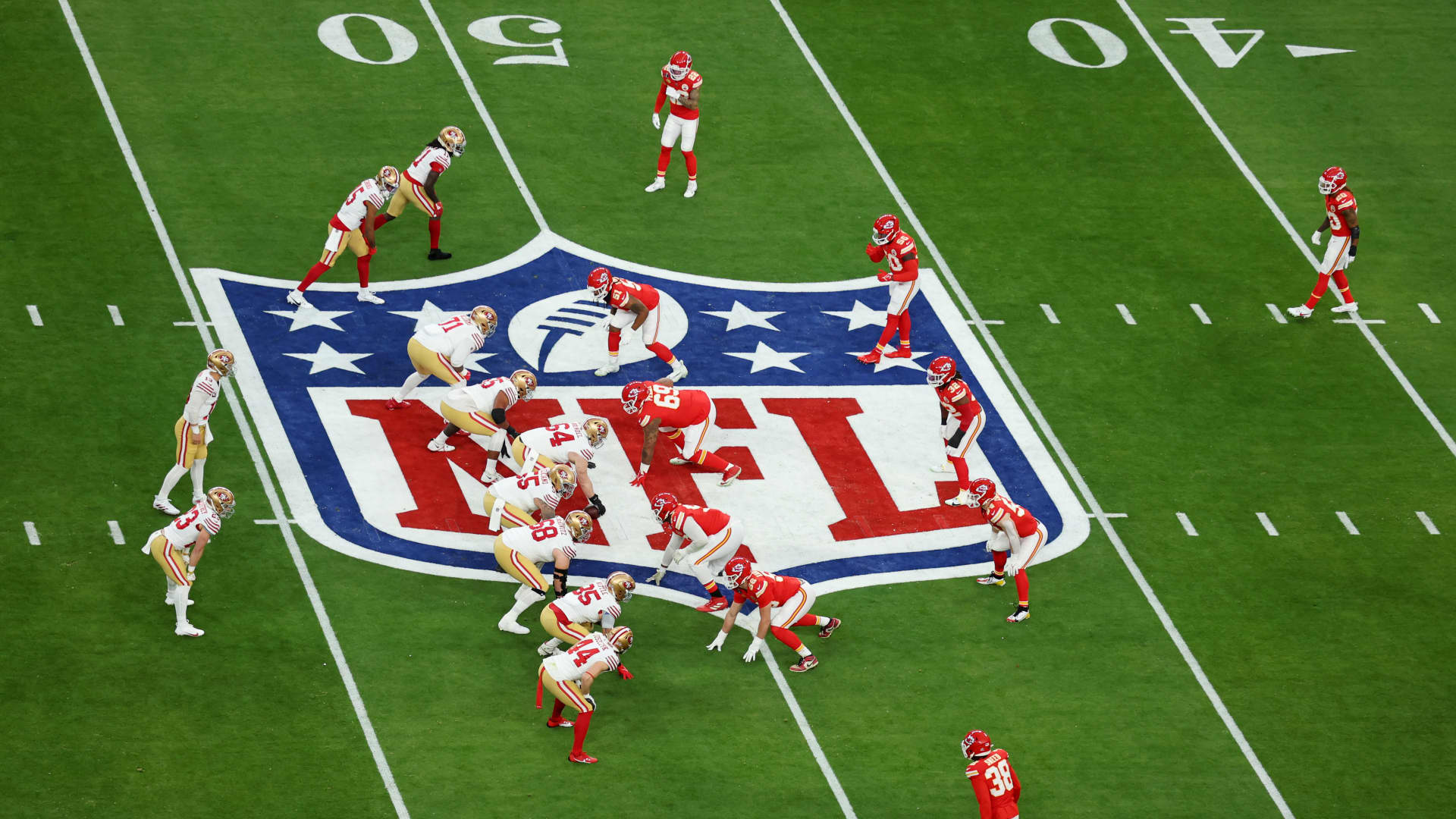
- Regulatory Call: The NFL is urging prediction market platforms to avoid offering easily manipulable contracts, particularly those tied to officiating or knowable in advance, highlighting its strong commitment to game integrity.
- Advocacy for Framework: Collaborating with the Commodity Futures Trading Commission (CFTC), the NFL emphasizes that sports-related prediction markets should be treated differently from traditional futures contracts, reflecting its pursuit of necessary regulatory protections in rapidly evolving markets.
- Cautious Stance: Unlike leagues such as the NHL, MLB, and MLS, the NFL adopts a more cautious approach towards prediction markets, requesting operators to refrain from offering specific event contracts deemed
NFL Requests Ban on Manipulable Betting Contracts
- Market Regulation: The NFL has sent a letter to prediction market operators requesting the removal of what it deems 'objectionable bets' from their platforms to safeguard the integrity of the games and the interests of participants.
- Manipulability Concerns: The letter outlines examples of event contracts that could be easily manipulated by a single individual, such as whether a kicker will miss a field goal, highlighting the NFL's vigilance regarding these types of wagers.
- Market Participant Dynamics: While the NFL remains cautious about prediction markets, platforms like Kalshi and Polymarket have rapidly emerged in this burgeoning industry, attracting interest from traditional sports betting companies like FanDuel and DraftKings.
- Regulatory Call: NFL executives have stated that the current lack of effective regulation in sports prediction markets necessitates continued engagement with the CFTC to establish essential regulatory frameworks that protect game integrity.
Legislation Introduced to Ban Election Prediction Market Bets


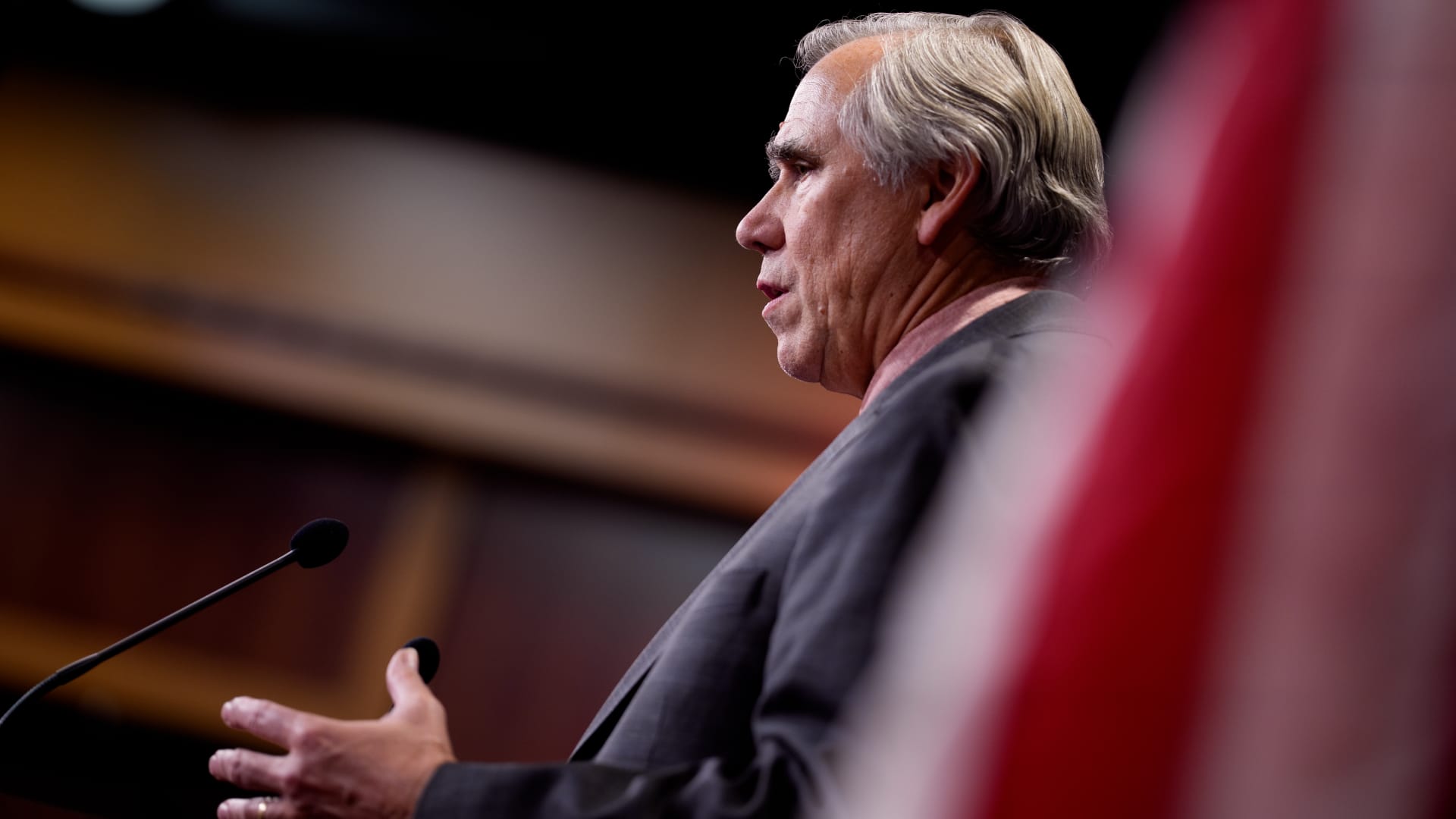
- Legislative Proposal: Senators Jeff Merkley and Elizabeth Warren, along with Rep. Jamie Raskin, have introduced the STOP Corrupt Bets Act, aimed at banning prediction market bets on elections, government actions, and sports, highlighting increasing scrutiny on these platforms.
- Corruption Risks: Merkley emphasized that allowing individuals to place well-timed bets on congressional bills or military actions creates ripe conditions for corruption and undermines public trust, potentially affecting the integrity of democratic institutions.
- Market Regulation: The new bill imposes broader restrictions on prediction markets than previous measures, clarifying that these markets contradict the intent of federal trading laws and returning regulatory power over gambling to the states, addressing existing legal loopholes.
- Industry Response: Prediction market platform Kalshi criticized the legislation, claiming it is driven by casino interests threatened by competition, reflecting strong opposition within the industry and concerns about the future of prediction markets.
U.S. Major Indices Close Higher Amid Mixed Signals

- Market Rebound: On Wednesday, all three major U.S. indices closed higher, with the Dow Jones Industrial Average up 0.7% to 46,429.49, the S&P 500 up 0.5% to 6,591.90, and the Nasdaq Composite up 0.8% to 21,929.83, reflecting optimistic sentiment regarding economic recovery.
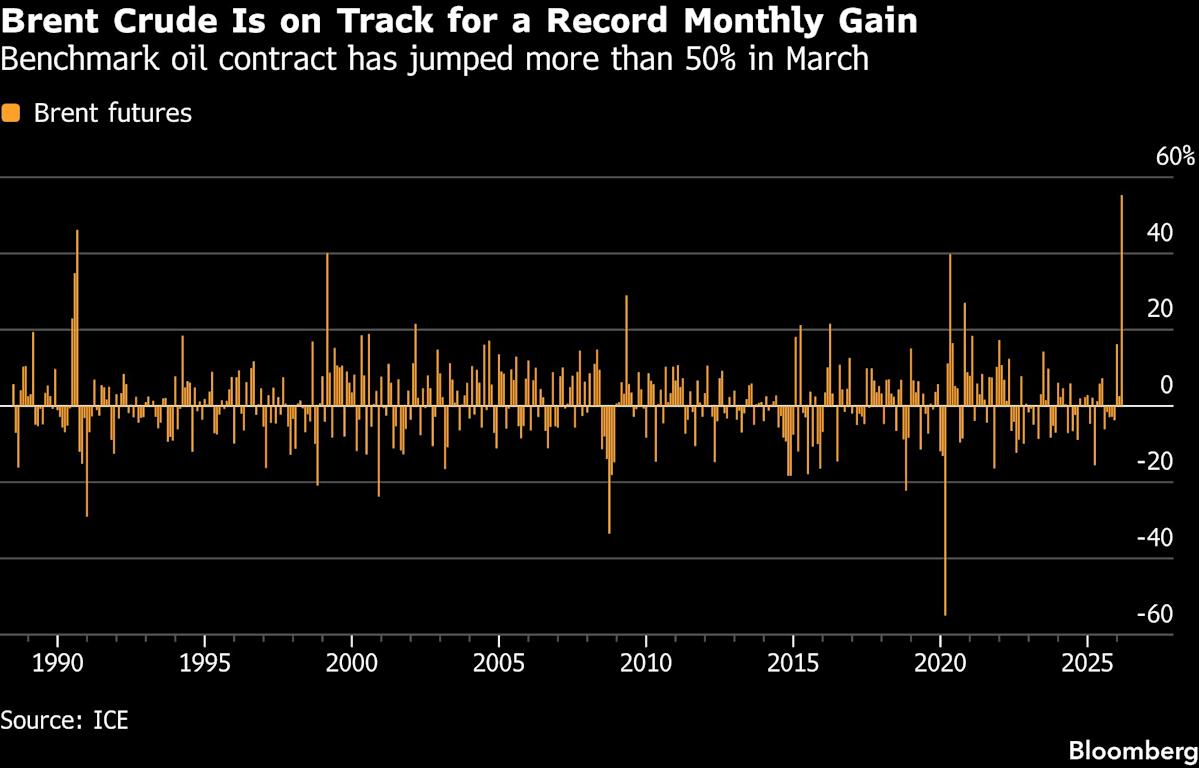
- Oil Price Decline: Oil prices fell as tensions appeared to ease, with WTI down 2.2% to $90.32 per barrel and Brent also down 2.2% to $102.22, indicating market sensitivity to geopolitical developments and future supply concerns.
- Investor Sentiment: Despite the overall market gains, retail sentiment towards the SPDR S&P 500 ETF Trust (SPY) and Invesco QQQ Trust (QQQ) was extremely bearish amid high message volume, suggesting uncertainty that could influence short-term investment decisions.
- Economic Outlook: While uncertainties persist, Ryan Detrick, chief market strategist at Carson Group, noted that recession risks remain limited, with forward 12-month S&P 500 earnings estimates and profit margins expected to reach new highs, indicating potential for solid returns for investors by the end of 2026.
DraftKings and Flutter Stocks Plummet Amid Regulatory Concerns
- Significant Stock Decline: DraftKings shares fell 8.1% on Wednesday to their lowest level in nearly three years, while Flutter shares dropped 4.1%, reaching a new low since August 2022, indicating investor concerns over regulatory updates in the prediction market space.
- Competitive Pressure from Prediction Markets: The rise of prediction market platforms like Polymarket and Kalshi has intensified competition for DraftKings and Flutter, leading investors to increasingly view these emerging platforms as threats, which has pressured their stock prices.
- Legal Challenges: DraftKings and Flutter's subsidiary FanDuel are facing a product liability lawsuit alleging that they use modern technology to promote addictive microbetting, which raises further concerns about their business models and regulatory scrutiny.
- Shift in Market Sentiment: According to Stocktwits data, DraftKings' market sentiment shifted from neutral to 'extremely bearish,' reflecting a significant decline in investor confidence, with the stock down nearly 38% year-to-date.

DKNG and FLUT Hit Multi-Year Lows as Analyst Cautions on Potential Delay in Prediction Market Regulation
Stock Performance: DraftKings' stock dropped 8% and Flutter's stock declined 4%, reaching their lowest levels in nearly three years, as investors reacted to regulatory updates affecting prediction market platforms.
Regulatory Challenges: New bills targeting prediction markets have been introduced in the U.S. Congress, with concerns that they may not pass in the current legislative session, potentially impacting companies like DraftKings and Flutter.
Legal Issues: DraftKings and Flutter are facing lawsuits related to product liability and marketing practices, including allegations of promoting addictive gambling behaviors through modern technology.
Market Sentiment: Retail sentiment for DraftKings has turned "extremely bearish," with significant year-to-date declines of nearly 38% for DraftKings and 52% for Flutter, as traders express concerns over regulatory hurdles and market competition.
NFL Urges Regulation of Prediction Markets to Safeguard Game Integrity
- Regulatory Call: The NFL is urging prediction market platforms to avoid offering easily manipulable contracts, particularly those tied to officiating or knowable in advance, highlighting its strong commitment to game integrity.
- Advocacy for Framework: Collaborating with the Commodity Futures Trading Commission (CFTC), the NFL emphasizes that sports-related prediction markets should be treated differently from traditional futures contracts, reflecting its pursuit of necessary regulatory protections in rapidly evolving markets.
- Cautious Stance: Unlike leagues such as the NHL, MLB, and MLS, the NFL adopts a more cautious approach towards prediction markets, requesting operators to refrain from offering specific event contracts deemed
NFL Requests Ban on Manipulable Betting Contracts
- Market Regulation: The NFL has sent a letter to prediction market operators requesting the removal of what it deems 'objectionable bets' from their platforms to safeguard the integrity of the games and the interests of participants.
- Manipulability Concerns: The letter outlines examples of event contracts that could be easily manipulated by a single individual, such as whether a kicker will miss a field goal, highlighting the NFL's vigilance regarding these types of wagers.
- Market Participant Dynamics: While the NFL remains cautious about prediction markets, platforms like Kalshi and Polymarket have rapidly emerged in this burgeoning industry, attracting interest from traditional sports betting companies like FanDuel and DraftKings.
- Regulatory Call: NFL executives have stated that the current lack of effective regulation in sports prediction markets necessitates continued engagement with the CFTC to establish essential regulatory frameworks that protect game integrity.
Legislation Introduced to Ban Election Prediction Market Bets
- Legislative Proposal: Senators Jeff Merkley and Elizabeth Warren, along with Rep. Jamie Raskin, have introduced the STOP Corrupt Bets Act, aimed at banning prediction market bets on elections, government actions, and sports, highlighting increasing scrutiny on these platforms.
- Corruption Risks: Merkley emphasized that allowing individuals to place well-timed bets on congressional bills or military actions creates ripe conditions for corruption and undermines public trust, potentially affecting the integrity of democratic institutions.
- Market Regulation: The new bill imposes broader restrictions on prediction markets than previous measures, clarifying that these markets contradict the intent of federal trading laws and returning regulatory power over gambling to the states, addressing existing legal loopholes.
- Industry Response: Prediction market platform Kalshi criticized the legislation, claiming it is driven by casino interests threatened by competition, reflecting strong opposition within the industry and concerns about the future of prediction markets.
U.S. Major Indices Close Higher Amid Mixed Signals
- Market Rebound: On Wednesday, all three major U.S. indices closed higher, with the Dow Jones Industrial Average up 0.7% to 46,429.49, the S&P 500 up 0.5% to 6,591.90, and the Nasdaq Composite up 0.8% to 21,929.83, reflecting optimistic sentiment regarding economic recovery.
- Oil Price Decline: Oil prices fell as tensions appeared to ease, with WTI down 2.2% to $90.32 per barrel and Brent also down 2.2% to $102.22, indicating market sensitivity to geopolitical developments and future supply concerns.
- Investor Sentiment: Despite the overall market gains, retail sentiment towards the SPDR S&P 500 ETF Trust (SPY) and Invesco QQQ Trust (QQQ) was extremely bearish amid high message volume, suggesting uncertainty that could influence short-term investment decisions.
- Economic Outlook: While uncertainties persist, Ryan Detrick, chief market strategist at Carson Group, noted that recession risks remain limited, with forward 12-month S&P 500 earnings estimates and profit margins expected to reach new highs, indicating potential for solid returns for investors by the end of 2026.
DraftKings and Flutter Stocks Plummet Amid Regulatory Concerns
- Significant Stock Decline: DraftKings shares fell 8.1% on Wednesday to their lowest level in nearly three years, while Flutter shares dropped 4.1%, reaching a new low since August 2022, indicating investor concerns over regulatory updates in the prediction market space.
- Competitive Pressure from Prediction Markets: The rise of prediction market platforms like Polymarket and Kalshi has intensified competition for DraftKings and Flutter, leading investors to increasingly view these emerging platforms as threats, which has pressured their stock prices.
- Legal Challenges: DraftKings and Flutter's subsidiary FanDuel are facing a product liability lawsuit alleging that they use modern technology to promote addictive microbetting, which raises further concerns about their business models and regulatory scrutiny.
- Shift in Market Sentiment: According to Stocktwits data, DraftKings' market sentiment shifted from neutral to 'extremely bearish,' reflecting a significant decline in investor confidence, with the stock down nearly 38% year-to-date.
DKNG and FLUT Hit Multi-Year Lows as Analyst Cautions on Potential Delay in Prediction Market Regulation
Stock Performance: DraftKings' stock dropped 8% and Flutter's stock declined 4%, reaching their lowest levels in nearly three years, as investors reacted to regulatory updates affecting prediction market platforms.
Regulatory Challenges: New bills targeting prediction markets have been introduced in the U.S. Congress, with concerns that they may not pass in the current legislative session, potentially impacting companies like DraftKings and Flutter.
Legal Issues: DraftKings and Flutter are facing lawsuits related to product liability and marketing practices, including allegations of promoting addictive gambling behaviors through modern technology.
Market Sentiment: Retail sentiment for DraftKings has turned "extremely bearish," with significant year-to-date declines of nearly 38% for DraftKings and 52% for Flutter, as traders express concerns over regulatory hurdles and market competition.