Carnival Reports Q4 Earnings Exceeding Expectations, Year-over-Year Revenue Growth


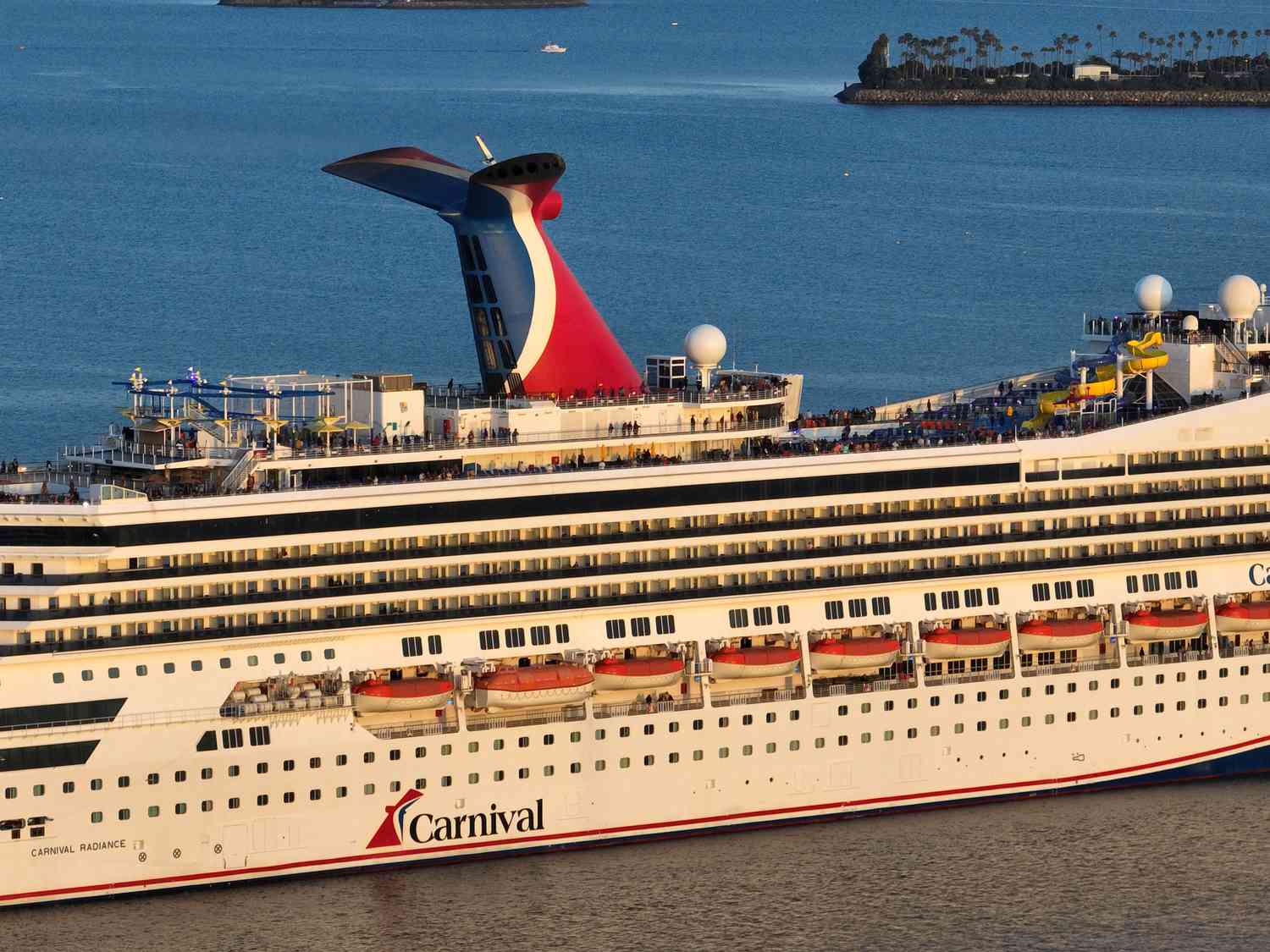
Fourth-Quarter Performance: Carnival Corporation reported adjusted earnings per share of 34 cents for Q4 fiscal 2025, exceeding estimates, while revenues of $6.33 billion fell slightly short of expectations but increased 6.6% year-over-year.
Strong Year-End Results: The company achieved record results in fiscal 2025, with adjusted net income rising over 60% and total revenues reaching $26.62 billion, reflecting solid demand and effective cost control.
Positive Outlook for Fiscal 2026: Carnival anticipates continued growth with projected adjusted EBITDA of approximately $7.63 billion and adjusted EPS of $2.48, supported by strong booking momentum and high occupancy rates.
Financial Stability: As of November 30, 2025, Carnival's liquidity stood at $6.4 billion, with total debt reduced to $26.64 billion, indicating a strengthened financial position and improved balance sheet metrics.
Trade with 70% Backtested Accuracy
Analyst Views on CCL

About CCL
About the author

Princess Cruises Launches 2028 World Cruise with Unique Itinerary


- Cruise Overview: Princess Cruises announces its 2028 World Cruise set to depart on January 3, 2028, featuring a 115-day journey to 49 destinations across 24 countries and five continents, showcasing 39 UNESCO World Heritage Sites, significantly enriching the global exploration experience for travelers.
- Unique Port Call: The cruise will make its maiden call at Mossel Bay, South Africa, allowing guests to enjoy an overnight stay in Cape Town, enhancing the appeal of Princess Cruises in the global market by offering immersive cultural experiences in stunning natural settings.
- Expanded Shore Experiences: The new 'More Ashore' experiences include overnight stays in Cape Town and Auckland, along with 10 late-night stays in cities like Barcelona and Casablanca, designed to provide guests with deeper cultural connections and vibrant nightlife experiences at each destination.
- Culinary and Cultural Offerings: Princess Cruises emphasizes exceptional culinary experiences with menus inspired by port destinations, ensuring that guests not only enjoy exquisite dining but also gain insights into the culture and history of each location, thereby enhancing the overall value of the cruise experience.
Middle East War Hits Cruise Stocks Hard
- Cruise Stock Declines: Since the outbreak of the Middle East war, Norwegian Cruise Lines (NCLH) has seen a 21% drop in stock price, while Carnival Corporation (CCL) has plummeted 23%, reflecting a pessimistic market sentiment towards the cruise industry.
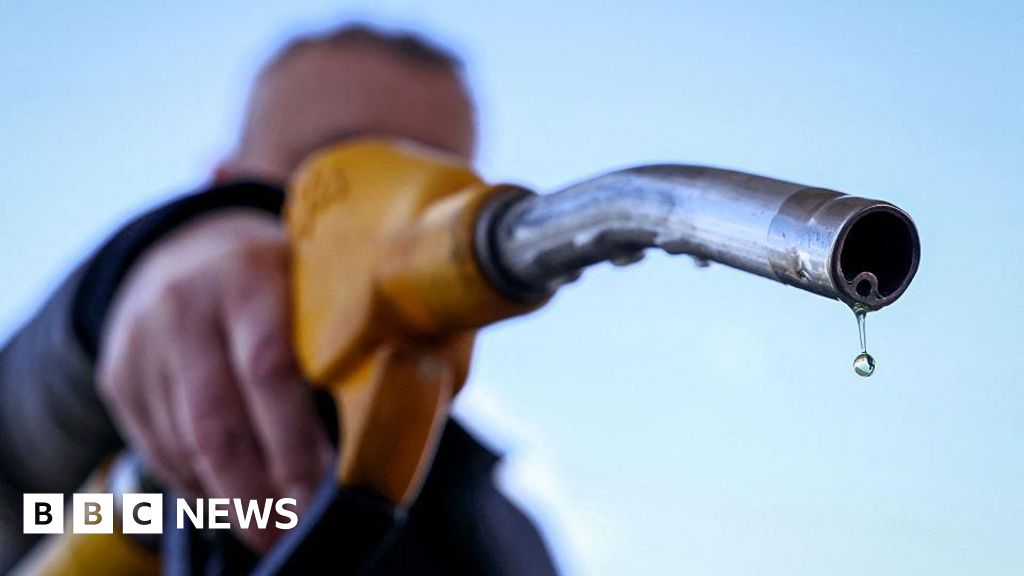
- Rising Fuel Costs: Brent crude oil prices have surged by approximately $27 since before the war, marking a 38% increase, with cruise lines facing daily fuel costs exceeding $100,000, which directly impacts profitability, particularly for Carnival, which does not hedge fuel purchases.
- Softening Demand Expectations: Geopolitical crises have led to the cancellation of many cruises on Middle Eastern and Mediterranean routes, with analysts predicting a further decline in cruise booking demand, hindering industry recovery.
- Caution for Investors: Analysts recommend that investors avoid airline and cruise stocks until there is clarity regarding the war, as the current market volatility presents significant uncertainty.

Cruise Stocks Continue to Decline Due to High Fuel Prices
- Fuel Price Surge: Brent crude oil prices are currently $27 higher per barrel than before the war, representing a 38% increase, which significantly raises operational costs for cruise companies like Norwegian and Carnival, directly impacting their profitability.
- Softening Demand Outlook: Analysts expect cruise booking demand to weaken further due to war and geopolitical uncertainties, with many Middle Eastern and Mediterranean routes already canceled, which undermines market confidence.
- Carnival's Risk Exposure: Carnival does not hedge its fuel purchases, meaning rising fuel prices directly affect its financial performance, resulting in a 23% drop in stock price, which is more severe than Norwegian's 21% decline, highlighting its vulnerability in cost management.
- Investor Caution: In the current uncertain market environment, analysts recommend that investors avoid airline and cruise stocks until there is clarity regarding the war, indicating a lack of confidence in these stocks.

Investment Opportunities Amid Market Turbulence

- Carnival's Recovery: Carnival (CCL) has successfully managed its debt and returned to an investment-grade credit rating, with record revenues in recent quarters indicating strong market demand for cruises, showcasing its resilience post-pandemic.
- Chewy's Customer Loyalty: Chewy (CHWY) benefits from over 80% of its sales coming from its Autoship service, reflecting strong customer loyalty; while its stock hasn't soared yet, its steady growth and solid customer base make it a compelling buy during downturns.
- Amazon's Steady Growth: Amazon (AMZN) remains a leader in e-commerce, ensuring consistent growth even in tough markets, with AWS driving significant revenue growth, and its cost structure revamp is expected to enhance profitability moving forward.
- Attractive Market Valuations: Carnival's stock trades at just 10x forward earnings estimates, while Amazon's is at 27x, both indicating strong investment potential in the current market environment, making them suitable for long-term holding.

Investment Opportunities Amid Market Turbulence
- Carnival's Recovery: As the world's largest cruise operator, Carnival has been steadily reducing the debt accumulated during the pandemic, recently achieving an investment-grade credit rating, while reporting record revenues and increasing future cruise bookings, indicating strong market demand.
- Chewy's Growth Potential: Chewy's Autoship service accounts for over 80% of its sales, showcasing customer loyalty; despite its stock not performing well yet, its stable customer base and growth potential make it a worthwhile investment during market turbulence.
- Amazon's Market Leadership: Amazon's dominance in e-commerce and AWS's leadership in cloud services ensure steady growth even in tough economic times, with a current forward P/E ratio of 27, presenting a solid buying opportunity for investors.
- Value of Long-Term Investment: Despite the challenging market environment, investing in companies with long-term growth potential like Carnival, Chewy, and Amazon can yield substantial returns in the future, especially as finding these 'bargains' becomes crucial during potential market crashes.

Market Update: Oil Price Drop and Tech Stock Upgrades


- Oil Price Fluctuations: U.S. benchmark WTI crude prices have fallen below $90 a barrel, despite being up over 50% year-to-date, indicating market optimism regarding improved U.S.-Iran relations, yet geopolitical risks continue to loom over oil prices.
- Tech Stock Rating Changes: Intuit was upgraded to buy from hold by Rothschild & Co Redburn, with its stock rising over 30% since late February, although it remains down 28.5% for the year, reflecting a recovery in market confidence in its software products.
- Cybersecurity Stock Bounce: Morgan Stanley upgraded CrowdStrike from hold to buy, with its stock up over 20% from last month's low, highlighting the positive impact of AI technology on the cybersecurity sector and indicating optimistic market expectations for future growth.
- Hewlett Packard Enterprise's Positive Outlook: Despite memory cost pressures, the company raised its full-year earnings outlook, with reported quarterly revenues slightly below expectations but gross margins and adjusted EPS exceeding forecasts, demonstrating strong demand in the data center buildout.
Princess Cruises Launches 2028 World Cruise with Unique Itinerary
- Cruise Overview: Princess Cruises announces its 2028 World Cruise set to depart on January 3, 2028, featuring a 115-day journey to 49 destinations across 24 countries and five continents, showcasing 39 UNESCO World Heritage Sites, significantly enriching the global exploration experience for travelers.
- Unique Port Call: The cruise will make its maiden call at Mossel Bay, South Africa, allowing guests to enjoy an overnight stay in Cape Town, enhancing the appeal of Princess Cruises in the global market by offering immersive cultural experiences in stunning natural settings.
- Expanded Shore Experiences: The new 'More Ashore' experiences include overnight stays in Cape Town and Auckland, along with 10 late-night stays in cities like Barcelona and Casablanca, designed to provide guests with deeper cultural connections and vibrant nightlife experiences at each destination.
- Culinary and Cultural Offerings: Princess Cruises emphasizes exceptional culinary experiences with menus inspired by port destinations, ensuring that guests not only enjoy exquisite dining but also gain insights into the culture and history of each location, thereby enhancing the overall value of the cruise experience.
Middle East War Hits Cruise Stocks Hard
- Cruise Stock Declines: Since the outbreak of the Middle East war, Norwegian Cruise Lines (NCLH) has seen a 21% drop in stock price, while Carnival Corporation (CCL) has plummeted 23%, reflecting a pessimistic market sentiment towards the cruise industry.
- Rising Fuel Costs: Brent crude oil prices have surged by approximately $27 since before the war, marking a 38% increase, with cruise lines facing daily fuel costs exceeding $100,000, which directly impacts profitability, particularly for Carnival, which does not hedge fuel purchases.
- Softening Demand Expectations: Geopolitical crises have led to the cancellation of many cruises on Middle Eastern and Mediterranean routes, with analysts predicting a further decline in cruise booking demand, hindering industry recovery.
- Caution for Investors: Analysts recommend that investors avoid airline and cruise stocks until there is clarity regarding the war, as the current market volatility presents significant uncertainty.
Cruise Stocks Continue to Decline Due to High Fuel Prices
- Fuel Price Surge: Brent crude oil prices are currently $27 higher per barrel than before the war, representing a 38% increase, which significantly raises operational costs for cruise companies like Norwegian and Carnival, directly impacting their profitability.
- Softening Demand Outlook: Analysts expect cruise booking demand to weaken further due to war and geopolitical uncertainties, with many Middle Eastern and Mediterranean routes already canceled, which undermines market confidence.
- Carnival's Risk Exposure: Carnival does not hedge its fuel purchases, meaning rising fuel prices directly affect its financial performance, resulting in a 23% drop in stock price, which is more severe than Norwegian's 21% decline, highlighting its vulnerability in cost management.
- Investor Caution: In the current uncertain market environment, analysts recommend that investors avoid airline and cruise stocks until there is clarity regarding the war, indicating a lack of confidence in these stocks.
Investment Opportunities Amid Market Turbulence
- Carnival's Recovery: Carnival (CCL) has successfully managed its debt and returned to an investment-grade credit rating, with record revenues in recent quarters indicating strong market demand for cruises, showcasing its resilience post-pandemic.
- Chewy's Customer Loyalty: Chewy (CHWY) benefits from over 80% of its sales coming from its Autoship service, reflecting strong customer loyalty; while its stock hasn't soared yet, its steady growth and solid customer base make it a compelling buy during downturns.
- Amazon's Steady Growth: Amazon (AMZN) remains a leader in e-commerce, ensuring consistent growth even in tough markets, with AWS driving significant revenue growth, and its cost structure revamp is expected to enhance profitability moving forward.
- Attractive Market Valuations: Carnival's stock trades at just 10x forward earnings estimates, while Amazon's is at 27x, both indicating strong investment potential in the current market environment, making them suitable for long-term holding.
Investment Opportunities Amid Market Turbulence
- Carnival's Recovery: As the world's largest cruise operator, Carnival has been steadily reducing the debt accumulated during the pandemic, recently achieving an investment-grade credit rating, while reporting record revenues and increasing future cruise bookings, indicating strong market demand.
- Chewy's Growth Potential: Chewy's Autoship service accounts for over 80% of its sales, showcasing customer loyalty; despite its stock not performing well yet, its stable customer base and growth potential make it a worthwhile investment during market turbulence.
- Amazon's Market Leadership: Amazon's dominance in e-commerce and AWS's leadership in cloud services ensure steady growth even in tough economic times, with a current forward P/E ratio of 27, presenting a solid buying opportunity for investors.
- Value of Long-Term Investment: Despite the challenging market environment, investing in companies with long-term growth potential like Carnival, Chewy, and Amazon can yield substantial returns in the future, especially as finding these 'bargains' becomes crucial during potential market crashes.
Market Update: Oil Price Drop and Tech Stock Upgrades
- Oil Price Fluctuations: U.S. benchmark WTI crude prices have fallen below $90 a barrel, despite being up over 50% year-to-date, indicating market optimism regarding improved U.S.-Iran relations, yet geopolitical risks continue to loom over oil prices.
- Tech Stock Rating Changes: Intuit was upgraded to buy from hold by Rothschild & Co Redburn, with its stock rising over 30% since late February, although it remains down 28.5% for the year, reflecting a recovery in market confidence in its software products.
- Cybersecurity Stock Bounce: Morgan Stanley upgraded CrowdStrike from hold to buy, with its stock up over 20% from last month's low, highlighting the positive impact of AI technology on the cybersecurity sector and indicating optimistic market expectations for future growth.
- Hewlett Packard Enterprise's Positive Outlook: Despite memory cost pressures, the company raised its full-year earnings outlook, with reported quarterly revenues slightly below expectations but gross margins and adjusted EPS exceeding forecasts, demonstrating strong demand in the data center buildout.