Buffett Reduces Apple Stake While Increasing Chubb Holdings
Written by Emily J. Thompson, Senior Investment Analyst
Updated: Apr 24 2026
0mins

Should l Buy AAPL?
Source: NASDAQ.COM
- Apple Stake Reduction: From early 2024 until his retirement, Buffett sold about three-quarters of Berkshire Hathaway's Apple stake, yet still retains a $61.6 billion investment, indicating a strategic portfolio rebalancing.
- Increased Chubb Holdings: Following the reduction in Apple, Buffett initiated and expanded his position in Chubb, accumulating an $11.2 billion stake by 2025, making it Berkshire's eighth-largest holding, reflecting his ongoing preference for the insurance sector.
- Investment Strategy Shift: The reasons behind Buffett's Apple sales include avoiding higher corporate taxes and raising cash for safer, higher-yielding short-term U.S. Treasuries, suggesting a more defensive investment approach in the current volatile market.
- Market Outlook: While Buffett is not bearish on Apple, his portfolio adjustments imply that
Trade with 70% Backtested Accuracy
Stop guessing "Should I Buy AAPL?" and start using high-conviction signals backed by rigorous historical data.
Sign up today to access powerful investing tools and make smarter, data-driven decisions.
Analyst Views on AAPL
Wall Street analysts forecast AAPL stock price to rise
27 Analyst Rating
17 Buy
9 Hold
1 Sell
Moderate Buy
Current: 287.440

Low
239.00
Averages
306.89
High
350.00
Current: 287.440
Low
239.00
Averages
306.89
High
350.00
About AAPL
Apple Inc. designs, manufactures and markets smartphones, personal computers, tablets, wearables and accessories, and sells a variety of related services. Its product categories include iPhone, Mac, iPad, Wearables, Home and Accessories. Its services include advertising, AppleCare, cloud services, digital content, and payment services. The Company operates various platforms, including the App Store, that allow customers to discover and download applications and digital content, such as books, music, video, games and podcasts. It also offers digital content through subscription-based services, including Apple Arcade, Apple Fitness+, Apple Music, Apple News+, and Apple TV+. Its wearables include smartwatches, wireless headphones, and spatial computers. Its products include iPhone 16 Pro, iPhone 16, iPhone 15, iPhone 14, iPhone SE, MacBook Air, MacBook Pro, iMac, Mac mini, Mac Studio, Mac Pro, iPad Pro, iPad Air, AirPods, AirPods Pro, AirPods Max, Apple TV, Apple Vision Pro and others.
About the author

Emily J. Thompson
Emily J. Thompson, a Chartered Financial Analyst (CFA) with 12 years in investment research, graduated with honors from the Wharton School. Specializing in industrial and technology stocks, she provides in-depth analysis for Intellectia’s earnings and market brief reports.

Apple's iPhone Sales Surge Over 20% Amid Strategic AI Outsourcing

- iPhone Sales Growth: Apple reported over a 22% increase in iPhone sales for its latest fiscal quarter, indicating a resurgence in market vitality after years of stagnation, reflecting strong demand for its core product.
- Service Revenue Boost: The services segment saw a 17% year-over-year revenue increase, complementing the robust performance of iPhone sales and collectively driving Apple's total revenue to $111 billion in Q2 of fiscal 2026, showcasing the company's success in diversifying its revenue streams.
- AI Outsourcing Strategy: Apple's decision to outsource most of its AI work rather than investing hundreds of billions directly may impact its competitiveness in the AI space, although this approach aligns with Apple's historically cautious strategy.
- Valuation Challenges: Despite a 6% rise in stock price over the past year, Apple's price-to-earnings ratio remains high at 35 times, reflecting market caution regarding its future growth and suggesting that investors may need to consider other more attractive opportunities.
See More

Apple's Sales Surge and AI Relaunch Plans
- Significant Sales Growth: Apple reported a 17% year-over-year sales increase in Q2 2026, driven by a remarkable 22% rise in iPhone sales, indicating strong consumer preference and robust market demand for its products.
- AI Relaunch Plans: The company is set to relaunch an enhanced Siri in the coming months, although management did not specify the exact timing; this initiative aims to improve user experience and strengthen its competitive position in the smart assistant market, particularly through collaboration with Alphabet.
- Expanding User Base: With 2.5 billion active users, the revamped Siri is expected to further enhance user engagement and attract more customers to its devices, thereby driving long-term business growth.
- Market Reaction Expectations: The rollout of the new Siri is anticipated to positively impact Apple’s stock performance, reinforcing the company's leadership in the tech industry, despite analysts noting that Apple was not included in the current list of top investment stocks.
See More

Buffett's New Investment: New York Times

- Investment Moves: Buffett's new position in the New York Times, valued at $351 million, indicates a strategic shift from tech stocks to traditional sectors, potentially altering the overall risk profile of his investment portfolio.
- Digital Subscription Growth: The New York Times added 450,000 digital subscribers in the last quarter, bringing the total to approximately 12.8 million, demonstrating significant progress in its digital transformation and potential for future revenue enhancement.
- Advertising Revenue Surprises: Digital advertising revenue surged to 25%, exceeding expectations of high teens, indicating strengthened competitiveness in the advertising market, which may support future profitability.
- Valuation Concerns: Despite generating $550 million in free cash flow, the New York Times' market cap is nearly $12 billion, resulting in a free cash flow yield of only 4.6%, raising concerns about its valuation and potentially limiting further stock price appreciation.
See More

Alphabet Surpasses Nvidia in Market Cap Amid AI Boom


- Market Cap Milestone: Alphabet briefly surpassed Nvidia in after-hours trading with a market cap of $4.8 trillion, reflecting strong performance in the AI sector, particularly after a 160% stock price increase over the past year, which has significantly boosted market confidence in its future prospects.
- Cloud Business Surge: Google Cloud's backlog nearly doubled to $462 billion, with analysts attributing this growth primarily to a $200 billion deal with Anthropic, indicating Google's competitive edge and profitability in AI infrastructure.
- Investment Concerns: Despite strong cloud performance, analysts express concerns over reliance on Anthropic, which could account for over 40% of future contracted revenue, reminiscent of Oracle's situation, potentially impacting investor confidence.
- Capital Expenditure Plans: Google projects capital expenditures of up to $190 billion for 2025, more than double that of 2024, with analysts noting that this spending will be crucial for sustained competition in AI, but it also introduces risks that need to be addressed at the upcoming Google I/O conference.
See More
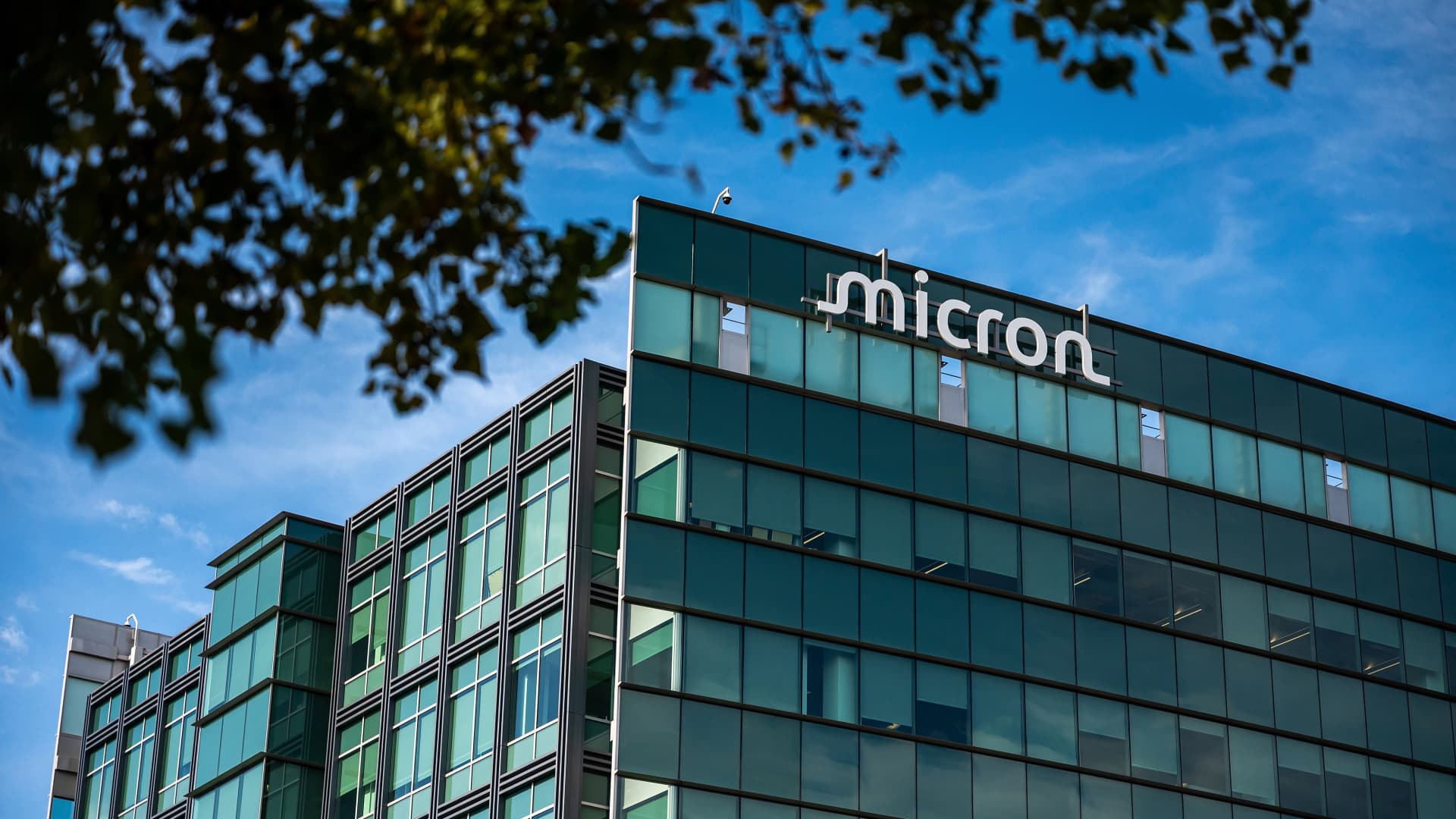
Memory Chip Sector Enters Supercycle Amid AI Demand Surge


- Surging Demand: Analysts indicate that the surge in memory chip demand marks the beginning of a 'supercycle' in the industry, expected to last for years, particularly as the rapid adoption of artificial intelligence accelerates this trend.
- Strong Company Performance: Micron Technology's stock surged nearly 38% in the past week, marking its best weekly performance since 2008, while the Roundhill Memory ETF gained over 30%, reflecting strong market demand for memory chips.
- Samsung's Expansion Plans: Samsung Electronics is advancing the construction of its new mega-fab, P5 Fab 2, by six months to solidify its market dominance in the AI semiconductor sector, with construction expected to begin in July.
- Price Pressure: Due to memory shortages, analysts estimate that DRAM and NAND prices could rise by approximately 180% by mid-2026 compared to Q3 last year, which will pressure downstream companies but also reflect margin expansion for memory manufacturers, with Micron projected to achieve an 81% gross margin.
See More
Apple's AI Investment Strategy Raises Questions
- AI Investment Strategy: Apple has opted to outsource most of its AI work rather than invest hundreds of billions into in-house development, a strategy that aligns with its historical approach, yet its effectiveness remains uncertain.
- Sales Growth Revival: The company has posted double-digit sales growth for two consecutive quarters, with iPhone sales up 22% and services revenue increasing by 17%, indicating a potential recovery that could restore investor confidence.
- Financial Performance: In the second quarter of fiscal 2026, Apple reported total revenue of $111 billion, with iPhone and services combined contributing $88 billion, underscoring the critical importance of these core segments to overall performance.
- Valuation Concerns: Despite a 6% stock price increase over the past year, Apple's price-to-earnings ratio remains high at 35 times, facing competition from faster-growing companies with lower valuations, which may limit future stock price appreciation.
See More
Apple's iPhone Sales Surge Over 20% Amid Strategic AI Outsourcing
- iPhone Sales Growth: Apple reported over a 22% increase in iPhone sales for its latest fiscal quarter, indicating a resurgence in market vitality after years of stagnation, reflecting strong demand for its core product.
- Service Revenue Boost: The services segment saw a 17% year-over-year revenue increase, complementing the robust performance of iPhone sales and collectively driving Apple's total revenue to $111 billion in Q2 of fiscal 2026, showcasing the company's success in diversifying its revenue streams.
- AI Outsourcing Strategy: Apple's decision to outsource most of its AI work rather than investing hundreds of billions directly may impact its competitiveness in the AI space, although this approach aligns with Apple's historically cautious strategy.
- Valuation Challenges: Despite a 6% rise in stock price over the past year, Apple's price-to-earnings ratio remains high at 35 times, reflecting market caution regarding its future growth and suggesting that investors may need to consider other more attractive opportunities.
See More
Apple's Sales Surge and AI Relaunch Plans
- Significant Sales Growth: Apple reported a 17% year-over-year sales increase in Q2 2026, driven by a remarkable 22% rise in iPhone sales, indicating strong consumer preference and robust market demand for its products.
- AI Relaunch Plans: The company is set to relaunch an enhanced Siri in the coming months, although management did not specify the exact timing; this initiative aims to improve user experience and strengthen its competitive position in the smart assistant market, particularly through collaboration with Alphabet.
- Expanding User Base: With 2.5 billion active users, the revamped Siri is expected to further enhance user engagement and attract more customers to its devices, thereby driving long-term business growth.
- Market Reaction Expectations: The rollout of the new Siri is anticipated to positively impact Apple’s stock performance, reinforcing the company's leadership in the tech industry, despite analysts noting that Apple was not included in the current list of top investment stocks.
See More
Buffett's New Investment: New York Times
- Investment Moves: Buffett's new position in the New York Times, valued at $351 million, indicates a strategic shift from tech stocks to traditional sectors, potentially altering the overall risk profile of his investment portfolio.
- Digital Subscription Growth: The New York Times added 450,000 digital subscribers in the last quarter, bringing the total to approximately 12.8 million, demonstrating significant progress in its digital transformation and potential for future revenue enhancement.
- Advertising Revenue Surprises: Digital advertising revenue surged to 25%, exceeding expectations of high teens, indicating strengthened competitiveness in the advertising market, which may support future profitability.
- Valuation Concerns: Despite generating $550 million in free cash flow, the New York Times' market cap is nearly $12 billion, resulting in a free cash flow yield of only 4.6%, raising concerns about its valuation and potentially limiting further stock price appreciation.
See More
Alphabet Surpasses Nvidia in Market Cap Amid AI Boom
- Market Cap Milestone: Alphabet briefly surpassed Nvidia in after-hours trading with a market cap of $4.8 trillion, reflecting strong performance in the AI sector, particularly after a 160% stock price increase over the past year, which has significantly boosted market confidence in its future prospects.
- Cloud Business Surge: Google Cloud's backlog nearly doubled to $462 billion, with analysts attributing this growth primarily to a $200 billion deal with Anthropic, indicating Google's competitive edge and profitability in AI infrastructure.
- Investment Concerns: Despite strong cloud performance, analysts express concerns over reliance on Anthropic, which could account for over 40% of future contracted revenue, reminiscent of Oracle's situation, potentially impacting investor confidence.
- Capital Expenditure Plans: Google projects capital expenditures of up to $190 billion for 2025, more than double that of 2024, with analysts noting that this spending will be crucial for sustained competition in AI, but it also introduces risks that need to be addressed at the upcoming Google I/O conference.
See More
Memory Chip Sector Enters Supercycle Amid AI Demand Surge
- Surging Demand: Analysts indicate that the surge in memory chip demand marks the beginning of a 'supercycle' in the industry, expected to last for years, particularly as the rapid adoption of artificial intelligence accelerates this trend.
- Strong Company Performance: Micron Technology's stock surged nearly 38% in the past week, marking its best weekly performance since 2008, while the Roundhill Memory ETF gained over 30%, reflecting strong market demand for memory chips.
- Samsung's Expansion Plans: Samsung Electronics is advancing the construction of its new mega-fab, P5 Fab 2, by six months to solidify its market dominance in the AI semiconductor sector, with construction expected to begin in July.
- Price Pressure: Due to memory shortages, analysts estimate that DRAM and NAND prices could rise by approximately 180% by mid-2026 compared to Q3 last year, which will pressure downstream companies but also reflect margin expansion for memory manufacturers, with Micron projected to achieve an 81% gross margin.
See More
Apple's AI Investment Strategy Raises Questions
- AI Investment Strategy: Apple has opted to outsource most of its AI work rather than invest hundreds of billions into in-house development, a strategy that aligns with its historical approach, yet its effectiveness remains uncertain.
- Sales Growth Revival: The company has posted double-digit sales growth for two consecutive quarters, with iPhone sales up 22% and services revenue increasing by 17%, indicating a potential recovery that could restore investor confidence.
- Financial Performance: In the second quarter of fiscal 2026, Apple reported total revenue of $111 billion, with iPhone and services combined contributing $88 billion, underscoring the critical importance of these core segments to overall performance.
- Valuation Concerns: Despite a 6% stock price increase over the past year, Apple's price-to-earnings ratio remains high at 35 times, facing competition from faster-growing companies with lower valuations, which may limit future stock price appreciation.
See More