Beyond Meat Faces Delisting Risk Amid Stock Plunge
Written by Emily J. Thompson, Senior Investment Analyst
Updated: Mar 17 2026
0mins

Should l Buy BYND?
Source: Fool
- Stock Price Plunge: Beyond Meat's stock has fallen 76% over the past year, closing at $0.81 on Monday, and faces delisting risk from Nasdaq if it remains below $1.00.
- Reverse Split Likelihood: The company received a warning from Nasdaq for trading below $1 for 30 consecutive days, making a reverse split likely to maintain listing status, although this won't fundamentally change its financial health.
- Financial Struggles: Over the last 12 months, Beyond Meat incurred $238 million in losses against $291 million in revenue, showing a lack of consistent growth and leading to investor pessimism about its future.
- Market Challenges: Despite launching a new beverage line to drive growth, the high price and processed nature of its products have diminished consumer appeal, prompting investors to be cautious as the stock may continue to decline.
Trade with 70% Backtested Accuracy
Stop guessing "Should I Buy BYND?" and start using high-conviction signals backed by rigorous historical data.
Sign up today to access powerful investing tools and make smarter, data-driven decisions.
Analyst Views on BYND
Wall Street analysts forecast BYND stock price to rise
4 Analyst Rating
0 Buy
1 Hold
3 Sell
Moderate Sell
Current: 0.637

Low
0.80
Averages
0.93
High
1.00
Current: 0.637
Low
0.80
Averages
0.93
High
1.00
About BYND
Beyond Meat, Inc. is a plant-based meat company offering a portfolio of plant-based meats. The Company sells a range of plant-based meat products across its three core platforms of beef, pork and poultry. The primary components of animal-based meat are amino acids, lipids, carbohydrates, trace minerals and water, which are not exclusive to animals and are plentiful in plants. Its beef platform products contain protein primarily derived from one or a combination of pea protein, rice protein, faba bean protein and wheat gluten. Its pork platform products include Beyond Sausage, Beyond Breakfast Sausage Patties, Beyond Breakfast Sausage Links and Beyond Sausage Crumbles. Its poultry platform consists of products that mimic animal-based chicken in its various merchandised forms, including chicken tenders, chicken nuggets and popcorn chicken. Its primary products under its poultry platform include Beyond Chicken Tenders, Beyond Chicken Nuggets and Beyond Popcorn Chicken.
About the author

Emily J. Thompson
Emily J. Thompson, a Chartered Financial Analyst (CFA) with 12 years in investment research, graduated with honors from the Wharton School. Specializing in industrial and technology stocks, she provides in-depth analysis for Intellectia’s earnings and market brief reports.
Beyond Meat Faces Survival Crisis Amid Plummeting Stock

- Stock Price Collapse: Beyond Meat's stock has plummeted from over $230 in 2019 to under $1, with a market cap of just $289 million, indicating extreme bearish sentiment and a looming delisting risk.
- Declining Revenue: The company's total revenue has dropped from $464.7 million in 2021 to $326.4 million in 2024, with forecasts predicting only $275.9 million in 2025, highlighting a significant decrease in market demand and increasing competitive pressures.
- Escalating Operating Losses: Despite cost-cutting measures, Beyond Meat's annual operating losses remain in the nine-digit range, leading to severe cash burn and forcing the company to rely on proceeds from a $1.15 billion convertible note offering in 2021 to sustain operations.
- Reverse Stock Split Ineffective: Even if a reverse stock split occurs to maintain its Nasdaq listing, fundamental issues such as high losses and declining sales will persist, making it unlikely for the stock to recover significantly in the short term.
See More

Surging Oil Prices Impact Market Sentiment


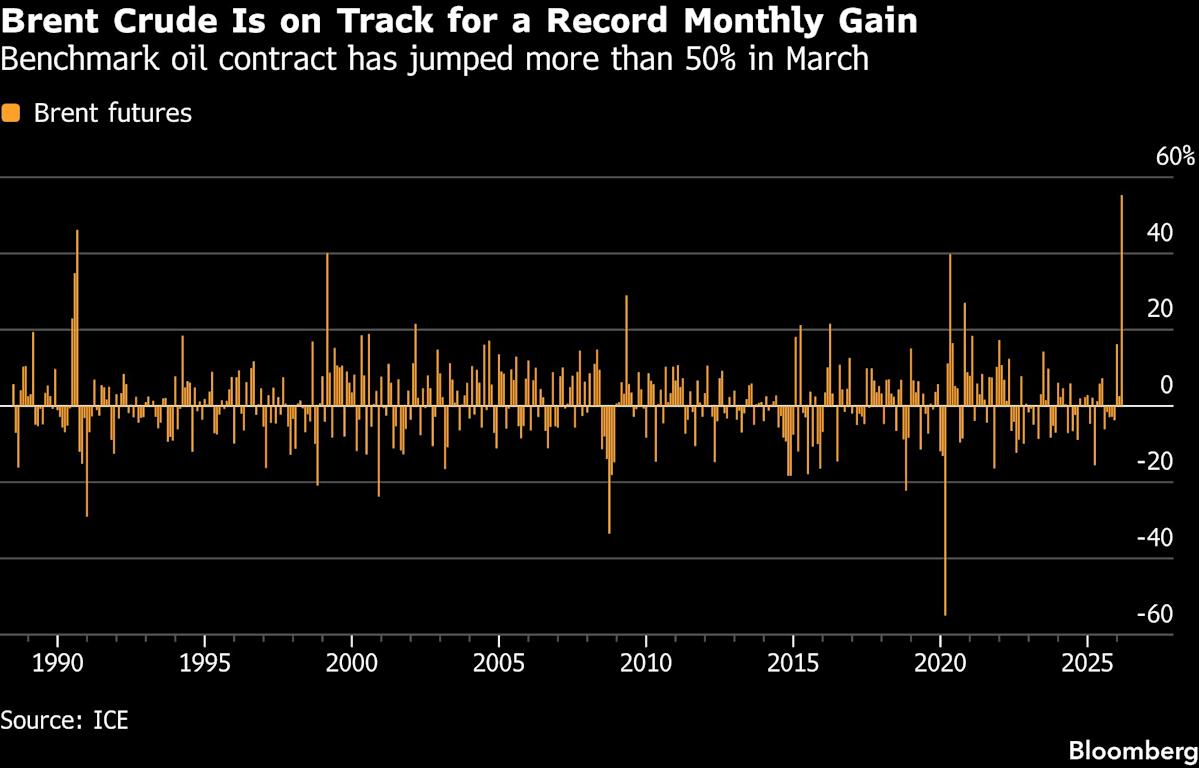
- Oil Price Volatility: Crude oil prices surged 55% in March following Trump's threat to 'take the oil in Iran,' marking the largest monthly gain ever, which has heightened concerns about the potential impact on the U.S. economy and market sentiment.
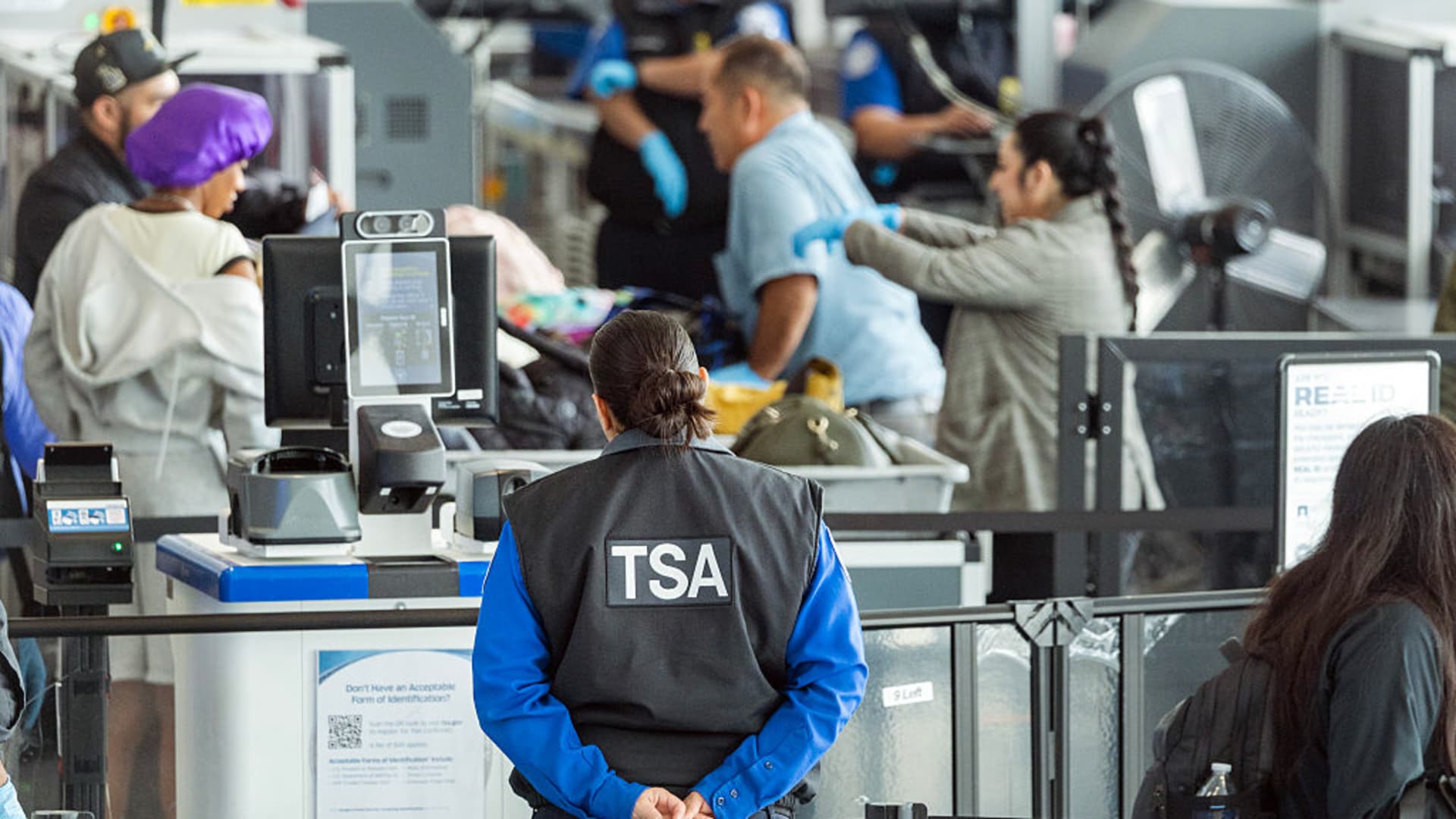
- Government Shutdown Impact: Trump signed an executive order to ensure TSA employees are paid after Congress failed to reach a deal, which may lead to longer security wait times and higher airfare for travelers, further affecting consumer confidence.
- Tech Industry Legal Risks: Meta's two courtroom defeats reveal the legal liabilities tech companies face when researching product impacts, which could have significant implications for the AI industry, prompting firms to reassess the risks versus rewards of such research investments.
- Pharmaceutical Collaboration: Eli Lilly's $2.75 billion deal with Insilico Medicine aims to bring AI-developed drugs to the global market, which not only boosted Lilly's stock price but also highlights the rapidly growing potential of AI applications in the pharmaceutical sector.
See More
Stock Futures Rise Amid Oil Price Surge and Market Recovery
- Oil Price Surge: Crude oil prices skyrocketed by 55% in March following Trump's threat to seize Iranian oil, marking the largest monthly gain ever, which pressures the U.S. economy and forces companies to adjust pricing strategies to cope with rising costs.
- Market Recovery Signal: Despite the S&P 500 and Nasdaq Composite experiencing their worst week of 2026, stock futures rose after Trump indicated “great progress” in negotiations with Iran, reflecting investor optimism about market recovery.
- TSA Employee Pay Restoration: Trump signed an executive order ensuring Transportation Security Administration employees will receive pay after Congress failed to reach a deal to end the government shutdown, alleviating traveler frustrations caused by long security wait times.
- AI Drug Development Partnership: Eli Lilly struck a $2.75 billion deal with Insilico Medicine to bring AI-developed drugs to market, enhancing Lilly's market confidence and potentially accelerating the application of AI in the pharmaceutical industry.
See More

Beyond Meat Shares Plunge 99.7% Amid Declining Sales
- Stock Price Collapse: Beyond Meat has seen its stock price plummet by 99.7% since 2021, with revenue dropping from $464.7 million in 2021 to $326.4 million in 2024, and forecasts predicting just $275.9 million in 2025, indicating a severe financial crisis for the company.
- Escalating Cash Burn: Despite cost-cutting efforts, Beyond Meat's annual operating losses remain in the nine-digit range, leading to persistent cash flow issues that forced the company to rely on a $1.15 billion convertible note offering in 2021 to sustain operations.
- Shareholder Dilution Risk: The need to redeem convertible notes has significantly increased Beyond Meat's share count, resulting in shareholder dilution and exacerbating the downward pressure on the stock price, which now trades below $1 and faces delisting risk from Nasdaq.
- Reverse Stock Split Possibility: The company may undertake a reverse stock split to maintain its Nasdaq listing, but this action will not improve its fundamentals and could make it easier for bearish investors to short the stock, highlighting the company's inability to address high losses and declining sales.
See More
Beyond Meat Faces Survival Crisis Amid Plummeting Stock

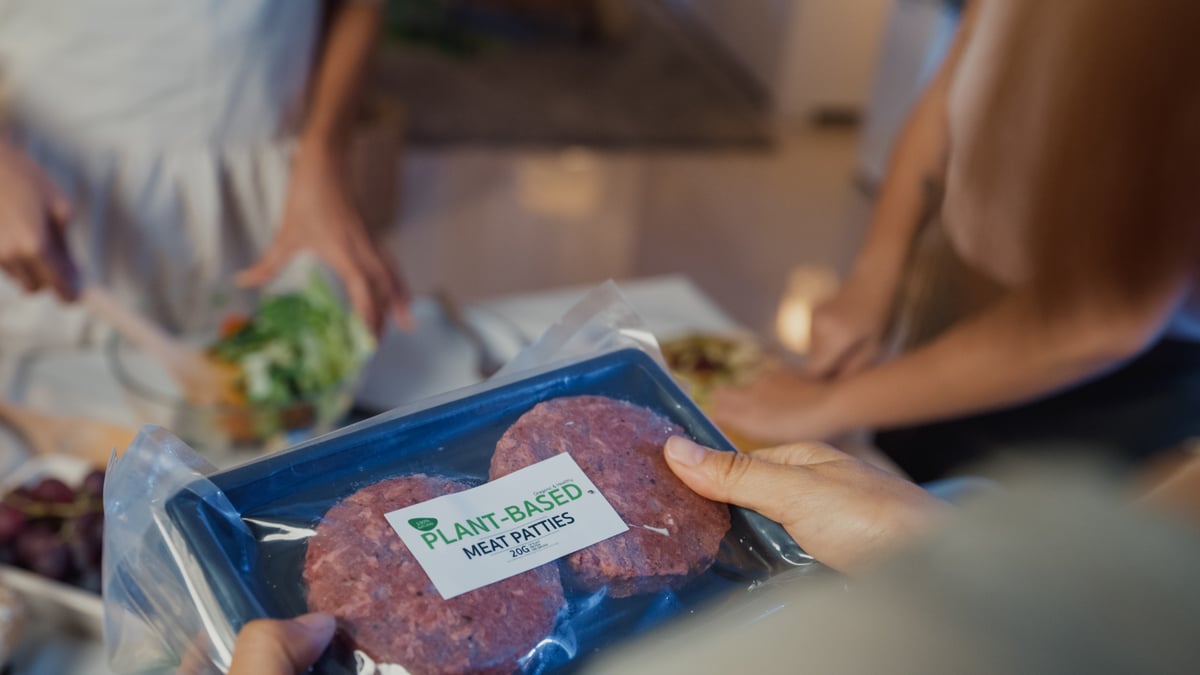
- Stock Price Collapse: Beyond Meat's stock has plummeted from over $230 in 2019 to under $1, representing a staggering 99.7% decline, reflecting extreme bearish sentiment and the looming threat of delisting.
- Revenue Decline: The company's total revenue has dropped from $464.7 million in 2021 to $326.4 million in 2024, with forecasts predicting just $275.9 million in 2025, indicating a severe weakening in market demand that critically impacts financial health.
- Escalating Operating Losses: Despite cost-cutting measures, Beyond Meat's annual operating losses remain in the nine-digit range, leading to significant cash burn and forcing reliance on a $1.15 billion convertible note offering from 2021 to sustain operations.
- Reverse Stock Split Ineffectiveness: Even if a reverse stock split occurs to maintain its Nasdaq listing, fundamental issues such as shareholder dilution and ongoing losses will persist, making it difficult for the stock price to recover, thus investors should carefully consider their positions.
See More

Beyond Meat Faces Risk of Reverse Stock Split
- Stock Price Volatility: Beyond Meat's share price skyrocketed over 1,000% in a week but has since plummeted 84% from its 52-week high, indicating a significant loss of investor confidence and potential for further declines.
- Reverse Stock Split Potential: With shares trading below $1, Beyond Meat may consider a reverse stock split, which could temporarily boost share price to meet Nasdaq listing requirements, although it won't alter the company's fundamentals.
- Increasing Financial Pressure: The company is experiencing sales and margin pressures, and the delay in annual filings for inventory reviews has kept the stock price low, posing a risk of delisting from Nasdaq if fundamentals do not improve.
- Limited Financing Options: As operating losses mount, Beyond Meat will need to raise capital to sustain operations, and failure to maintain Nasdaq listing could severely restrict its fundraising avenues, impacting future growth prospects.
See More
Beyond Meat Faces Survival Crisis Amid Plummeting Stock
- Stock Price Collapse: Beyond Meat's stock has plummeted from over $230 in 2019 to under $1, with a market cap of just $289 million, indicating extreme bearish sentiment and a looming delisting risk.
- Declining Revenue: The company's total revenue has dropped from $464.7 million in 2021 to $326.4 million in 2024, with forecasts predicting only $275.9 million in 2025, highlighting a significant decrease in market demand and increasing competitive pressures.
- Escalating Operating Losses: Despite cost-cutting measures, Beyond Meat's annual operating losses remain in the nine-digit range, leading to severe cash burn and forcing the company to rely on proceeds from a $1.15 billion convertible note offering in 2021 to sustain operations.
- Reverse Stock Split Ineffective: Even if a reverse stock split occurs to maintain its Nasdaq listing, fundamental issues such as high losses and declining sales will persist, making it unlikely for the stock to recover significantly in the short term.
See More
Surging Oil Prices Impact Market Sentiment
- Oil Price Volatility: Crude oil prices surged 55% in March following Trump's threat to 'take the oil in Iran,' marking the largest monthly gain ever, which has heightened concerns about the potential impact on the U.S. economy and market sentiment.
- Government Shutdown Impact: Trump signed an executive order to ensure TSA employees are paid after Congress failed to reach a deal, which may lead to longer security wait times and higher airfare for travelers, further affecting consumer confidence.
- Tech Industry Legal Risks: Meta's two courtroom defeats reveal the legal liabilities tech companies face when researching product impacts, which could have significant implications for the AI industry, prompting firms to reassess the risks versus rewards of such research investments.
- Pharmaceutical Collaboration: Eli Lilly's $2.75 billion deal with Insilico Medicine aims to bring AI-developed drugs to the global market, which not only boosted Lilly's stock price but also highlights the rapidly growing potential of AI applications in the pharmaceutical sector.
See More
Stock Futures Rise Amid Oil Price Surge and Market Recovery
- Oil Price Surge: Crude oil prices skyrocketed by 55% in March following Trump's threat to seize Iranian oil, marking the largest monthly gain ever, which pressures the U.S. economy and forces companies to adjust pricing strategies to cope with rising costs.
- Market Recovery Signal: Despite the S&P 500 and Nasdaq Composite experiencing their worst week of 2026, stock futures rose after Trump indicated “great progress” in negotiations with Iran, reflecting investor optimism about market recovery.
- TSA Employee Pay Restoration: Trump signed an executive order ensuring Transportation Security Administration employees will receive pay after Congress failed to reach a deal to end the government shutdown, alleviating traveler frustrations caused by long security wait times.
- AI Drug Development Partnership: Eli Lilly struck a $2.75 billion deal with Insilico Medicine to bring AI-developed drugs to market, enhancing Lilly's market confidence and potentially accelerating the application of AI in the pharmaceutical industry.
See More
Beyond Meat Shares Plunge 99.7% Amid Declining Sales
- Stock Price Collapse: Beyond Meat has seen its stock price plummet by 99.7% since 2021, with revenue dropping from $464.7 million in 2021 to $326.4 million in 2024, and forecasts predicting just $275.9 million in 2025, indicating a severe financial crisis for the company.
- Escalating Cash Burn: Despite cost-cutting efforts, Beyond Meat's annual operating losses remain in the nine-digit range, leading to persistent cash flow issues that forced the company to rely on a $1.15 billion convertible note offering in 2021 to sustain operations.
- Shareholder Dilution Risk: The need to redeem convertible notes has significantly increased Beyond Meat's share count, resulting in shareholder dilution and exacerbating the downward pressure on the stock price, which now trades below $1 and faces delisting risk from Nasdaq.
- Reverse Stock Split Possibility: The company may undertake a reverse stock split to maintain its Nasdaq listing, but this action will not improve its fundamentals and could make it easier for bearish investors to short the stock, highlighting the company's inability to address high losses and declining sales.
See More
Beyond Meat Faces Survival Crisis Amid Plummeting Stock
- Stock Price Collapse: Beyond Meat's stock has plummeted from over $230 in 2019 to under $1, representing a staggering 99.7% decline, reflecting extreme bearish sentiment and the looming threat of delisting.
- Revenue Decline: The company's total revenue has dropped from $464.7 million in 2021 to $326.4 million in 2024, with forecasts predicting just $275.9 million in 2025, indicating a severe weakening in market demand that critically impacts financial health.
- Escalating Operating Losses: Despite cost-cutting measures, Beyond Meat's annual operating losses remain in the nine-digit range, leading to significant cash burn and forcing reliance on a $1.15 billion convertible note offering from 2021 to sustain operations.
- Reverse Stock Split Ineffectiveness: Even if a reverse stock split occurs to maintain its Nasdaq listing, fundamental issues such as shareholder dilution and ongoing losses will persist, making it difficult for the stock price to recover, thus investors should carefully consider their positions.
See More
Beyond Meat Faces Risk of Reverse Stock Split
- Stock Price Volatility: Beyond Meat's share price skyrocketed over 1,000% in a week but has since plummeted 84% from its 52-week high, indicating a significant loss of investor confidence and potential for further declines.
- Reverse Stock Split Potential: With shares trading below $1, Beyond Meat may consider a reverse stock split, which could temporarily boost share price to meet Nasdaq listing requirements, although it won't alter the company's fundamentals.
- Increasing Financial Pressure: The company is experiencing sales and margin pressures, and the delay in annual filings for inventory reviews has kept the stock price low, posing a risk of delisting from Nasdaq if fundamentals do not improve.
- Limited Financing Options: As operating losses mount, Beyond Meat will need to raise capital to sustain operations, and failure to maintain Nasdaq listing could severely restrict its fundraising avenues, impacting future growth prospects.
See More