Berkshire's New CEO Lists Core Holdings
Written by Emily J. Thompson, Senior Investment Analyst
Updated: 3 days ago
0mins


Should l Buy CVX?
Source: NASDAQ.COM
- Core Holdings Revealed: New CEO Greg Abel identified Apple, American Express, Coca-Cola, and Moody's as core holdings in his letter to shareholders, indicating a strong commitment to long-term investments expected to compound over decades.
- Bank Holdings Reduction: Abel's omission of Bank of America, previously the fourth-largest holding, reflects a cautious stance towards the banking sector, especially after significant reductions, suggesting potential further cuts in bank investments.
- Energy Investment Dynamics: Despite Berkshire's increased investments in energy assets, Abel's failure to list Chevron as a core holding is surprising, potentially indicating a reserved outlook on traditional energy, even though Chevron maintains a solid financial position.
- Market Environment Considerations: Amid growing global economic uncertainties, Berkshire's cash reserves and investment strategies demonstrate vigilance towards potential recessions, which may influence future investment decisions, particularly regarding high-valuation bank stocks.
Trade with 70% Backtested Accuracy
Stop guessing "Should I Buy CVX?" and start using high-conviction signals backed by rigorous historical data.
Sign up today to access powerful investing tools and make smarter, data-driven decisions.
Analyst Views on CVX
Wall Street analysts forecast CVX stock price to fall
19 Analyst Rating
15 Buy
4 Hold
0 Sell
Strong Buy
Current: 189.440

Low
158.00
Averages
176.95
High
206.00
Current: 189.440
Low
158.00
Averages
176.95
High
206.00
About CVX
Chevron Corporation is an integrated energy company. The Company produces crude oil and natural gas; manufactures transportation fuels, lubricants, petrochemicals and additives; and develops technologies that enhance its business and industry. The Company’s segments include Upstream and Downstream. Upstream operations consist primarily of exploring for, developing, producing and transporting crude oil and natural gas; liquefaction, transportation and regasification associated with LNG; transporting crude oil by major international oil export pipelines; processing, transporting, storage and marketing of natural gas; carbon capture and storage; and a gas-to-liquids plant. Downstream operations consist primarily of the refining of crude oil into petroleum products; marketing crude oil, refined products, and lubricants; manufacturing and marketing of renewable fuels, and transporting of crude oil and refined products by pipeline, marine vessel, motor equipment and rail car.
About the author

Emily J. Thompson
Emily J. Thompson, a Chartered Financial Analyst (CFA) with 12 years in investment research, graduated with honors from the Wharton School. Specializing in industrial and technology stocks, she provides in-depth analysis for Intellectia’s earnings and market brief reports.
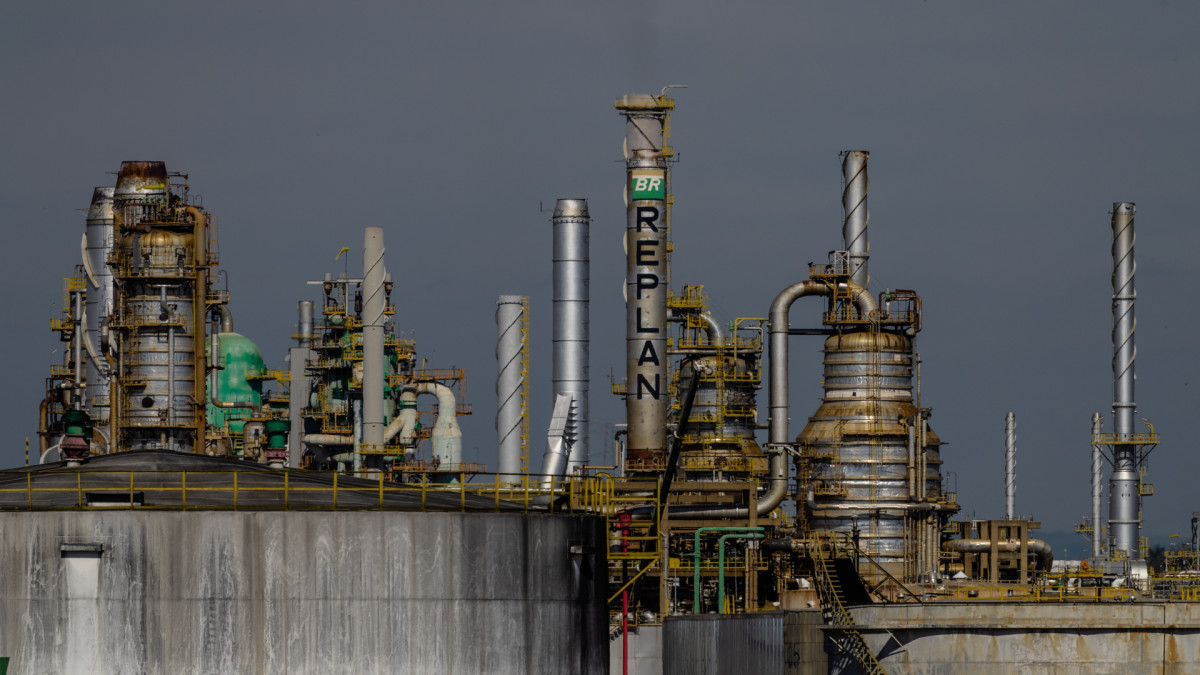
Venezuela Resumes Oil Exports Amid Geopolitical Tensions

- Oil Export Resumption: Venezuela has resumed exports of diluted crude oil (DCO) for the first time in 15 months, with Chevron shipping 500,000 barrels to the U.S. Gulf Coast this month, a small volume but significant given the current geopolitical tensions.
- Shifting Market Demand: DCO is essential for specific refineries, and with the Iran conflict disrupting shipping through the Strait of Hormuz, Venezuela's oil exports have become a crucial alternative supply, ensuring stability in the U.S. market.
- Strategic Advantage Emerges: Venezuela's oil exports bypass the Strait of Hormuz entirely, mitigating current supply risks, with output expected to rise to 1.1 to 1.2 million barrels per day by year-end if sanctions are lifted, significantly impacting the global supply outlook.
- Policy Changes Drive Production: A shift in U.S. sanctions policy has allowed Chevron to operate under an indefinite license, and the new Hydrocarbon Law enhances foreign investment, boosting Venezuela's oil production capabilities.
See More
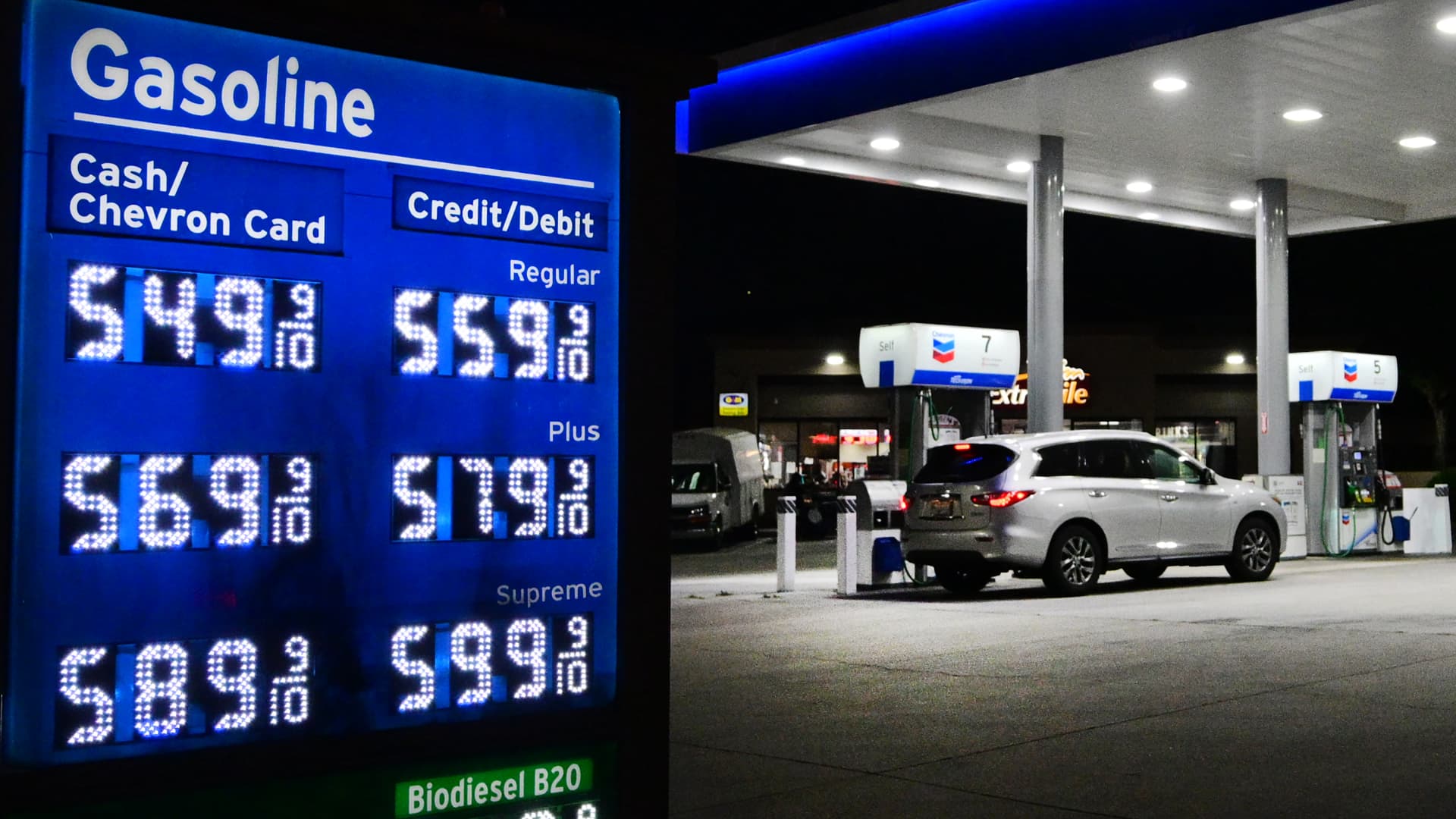
High Gas Prices and Iran War Impacting Elections


- Gas Price Surge: Gas prices in Los Angeles have risen over 60 cents in a month according to AAA, creating economic pressure on voters that could impact GOP performance in the upcoming elections.
- Political Dilemma: Republican House leaders are meeting in Miami to strategize legislative agendas amidst high gas prices, although they express support for President Trump's optimistic outlook on the conflict.
- Voter Concerns: Polls indicate that about 29% of Americans approve of the war in Iran, while a majority expect gas prices to continue rising, presenting a significant political challenge for Republicans.
- Energy Policy Debate: Representative Brett Guthrie emphasizes the need to explain the rationale behind the Iran war to help the public understand the strategic reasons for high gas prices, despite widespread voter dissatisfaction.
See More

U.S. Energy Secretary's Erroneous Tweet Causes Oil Price Plunge

- Impact of Misinformation: U.S. Energy Secretary Chris Wright's erroneous social media post about the Navy escorting an oil tanker led to over a 17% drop in both U.S. crude and Brent crude prices, highlighting the direct influence of social media on market dynamics.
- White House Clarification: White House Press Secretary Karoline Leavitt confirmed that Wright's tweet was incorrect, stating that the Navy is not currently escorting any tankers, reflecting the administration's commitment to information accuracy and market stability.
- Strategic Options Retained: Leavitt noted that while no escort operations are underway, President Trump has indicated that the Navy escorting tankers remains an option, suggesting that U.S. military presence in the Strait of Hormuz is still a strategic tool.
- Market Reaction: The spread of misinformation has led to sustained low oil prices, demonstrating the market's sensitivity to geopolitical risks, which could also impact future energy policies and international relations.
See More
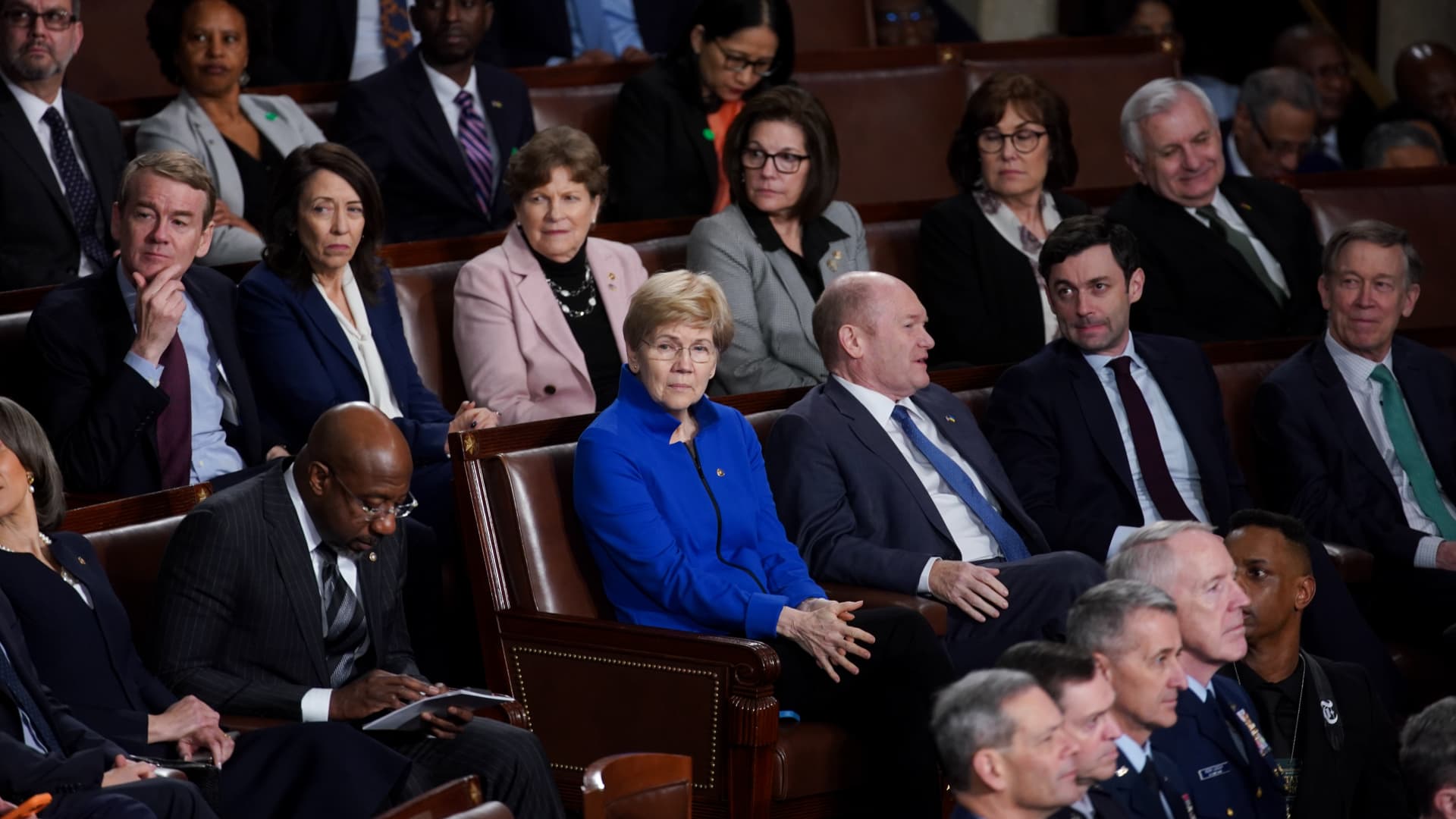
Democrats Warn of Risks in Iran War Amid Conflicting Claims
- Funding Controversy: Democratic senators expressed strong opposition to President Trump's upcoming supplemental funding request for the Iran war, with Senator Warren stating a firm 'no' on additional funding, highlighting Congress's power to halt such actions and reflecting deep concerns over the war's continuation.
- Escalating War Costs: Reports indicate that U.S. military operations burned through $5.6 billion in munitions within the first two days, with estimated costs reaching approximately $891 million per day, which not only exacerbates fiscal burdens but also risks market volatility and soaring oil prices, impacting economic stability.
- Lack of Strategic Goals: Several senators noted after the briefing that the Trump administration failed to provide clear strategic objectives or timelines, with Senator Kelly remarking that 'they have no plan and no exit strategy,' further clouding the war's outlook.
- Market Reactions: Trump's statements previously led to a market surge and a significant drop in oil prices, yet Democrats warn that the ongoing conflict could lead to renewed market fluctuations, particularly as the security situation in the Strait of Hormuz remains precarious, affecting global oil prices and economic stability.
See More

Crude Oil Prices Rise Amid Iran-Israel Tensions, U.S. Energy ETF Remains Muted
- Geopolitical Impact: Crude oil prices are rising due to escalating tensions between Iran and Israel, yet the largest U.S. energy ETF has shown little movement, reflecting the complex dynamics in energy markets during geopolitical shocks.
- Investor Sentiment: Investors typically perceive oil rallies amid geopolitical events as a 'risk premium,' leading to a cautious approach towards energy equities, especially in high uncertainty scenarios.
- ETF Structure Influence: The ETF's top ten holdings account for over three-quarters of its portfolio, meaning that the performance of a few mega-cap companies can significantly sway the ETF's overall performance, resulting in energy stocks not reacting as expected to the oil price surge.
- Market Divergence: The current divergence in market reactions has sparked a broader debate among investors regarding whether oil price rallies indicate a long-term shift in energy markets or are merely a short-term geopolitical shock.
See More
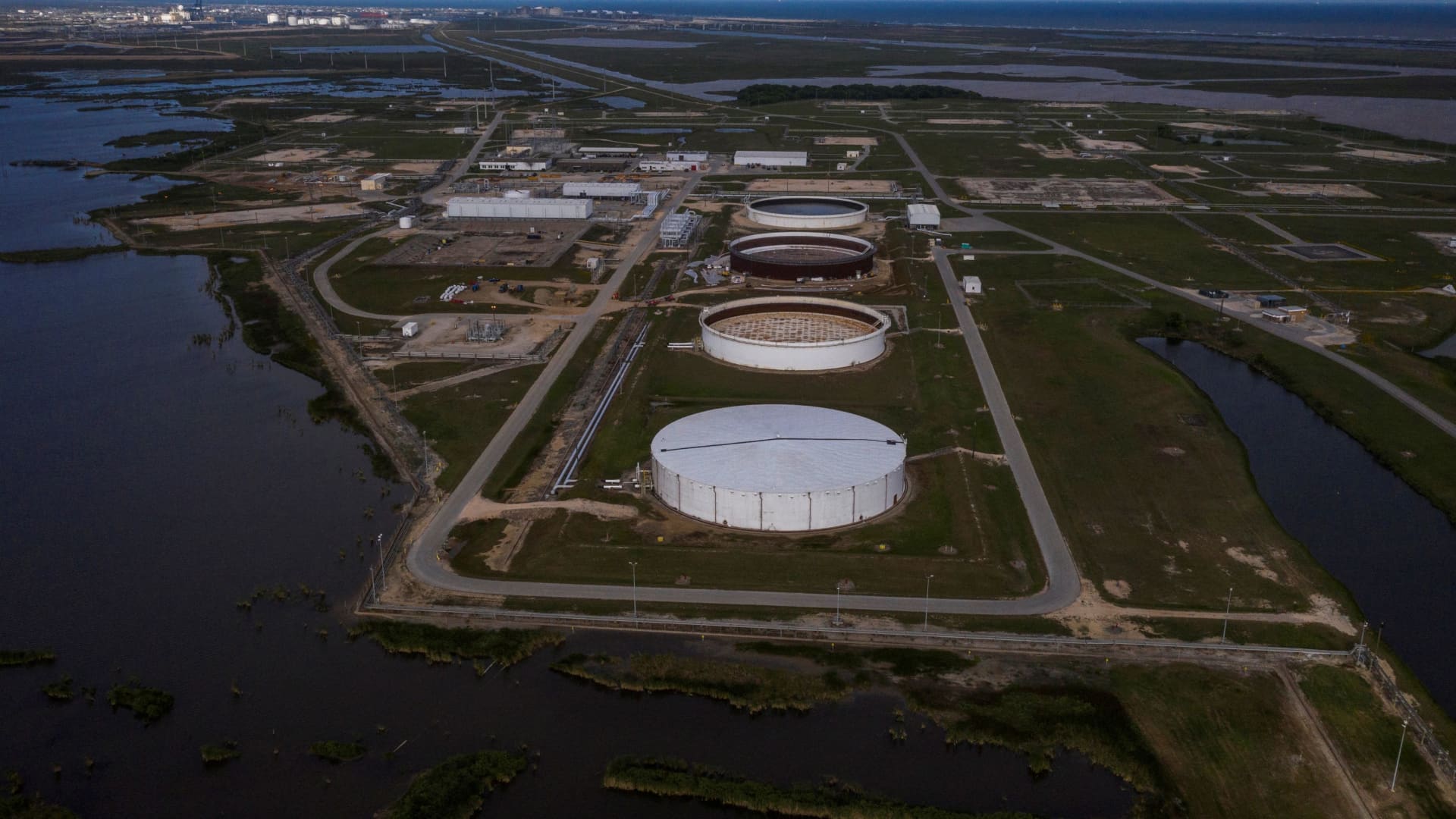
IEA Holds Extraordinary Meeting on Possible Oil Reserve Release
- Extraordinary Meeting: The International Energy Agency (IEA) will convene an extraordinary meeting on Tuesday to discuss the potential release of oil reserves due to supply disruptions caused by the Iran war, which is expected to impact the global oil market.
- Reserve Assessment: IEA Executive Director Fatih Birol stated that member countries will assess current supply security and market conditions to determine whether to release emergency stocks, with members collectively holding about 1.2 billion barrels in reserve.
- Price Volatility: Oil prices fell more than 11% as the market anticipates a release of oil stocks, after surging to nearly $120 per barrel on Monday due to supply disruptions, indicating the market's acute sensitivity to supply security.
- Global Consequences: Saudi Aramco's CEO warned that the Iran war will have
See More
Venezuela Resumes Oil Exports Amid Geopolitical Tensions
- Oil Export Resumption: Venezuela has resumed exports of diluted crude oil (DCO) for the first time in 15 months, with Chevron shipping 500,000 barrels to the U.S. Gulf Coast this month, a small volume but significant given the current geopolitical tensions.
- Shifting Market Demand: DCO is essential for specific refineries, and with the Iran conflict disrupting shipping through the Strait of Hormuz, Venezuela's oil exports have become a crucial alternative supply, ensuring stability in the U.S. market.
- Strategic Advantage Emerges: Venezuela's oil exports bypass the Strait of Hormuz entirely, mitigating current supply risks, with output expected to rise to 1.1 to 1.2 million barrels per day by year-end if sanctions are lifted, significantly impacting the global supply outlook.
- Policy Changes Drive Production: A shift in U.S. sanctions policy has allowed Chevron to operate under an indefinite license, and the new Hydrocarbon Law enhances foreign investment, boosting Venezuela's oil production capabilities.
See More
High Gas Prices and Iran War Impacting Elections
- Gas Price Surge: Gas prices in Los Angeles have risen over 60 cents in a month according to AAA, creating economic pressure on voters that could impact GOP performance in the upcoming elections.
- Political Dilemma: Republican House leaders are meeting in Miami to strategize legislative agendas amidst high gas prices, although they express support for President Trump's optimistic outlook on the conflict.
- Voter Concerns: Polls indicate that about 29% of Americans approve of the war in Iran, while a majority expect gas prices to continue rising, presenting a significant political challenge for Republicans.
- Energy Policy Debate: Representative Brett Guthrie emphasizes the need to explain the rationale behind the Iran war to help the public understand the strategic reasons for high gas prices, despite widespread voter dissatisfaction.
See More
U.S. Energy Secretary's Erroneous Tweet Causes Oil Price Plunge
- Impact of Misinformation: U.S. Energy Secretary Chris Wright's erroneous social media post about the Navy escorting an oil tanker led to over a 17% drop in both U.S. crude and Brent crude prices, highlighting the direct influence of social media on market dynamics.
- White House Clarification: White House Press Secretary Karoline Leavitt confirmed that Wright's tweet was incorrect, stating that the Navy is not currently escorting any tankers, reflecting the administration's commitment to information accuracy and market stability.
- Strategic Options Retained: Leavitt noted that while no escort operations are underway, President Trump has indicated that the Navy escorting tankers remains an option, suggesting that U.S. military presence in the Strait of Hormuz is still a strategic tool.
- Market Reaction: The spread of misinformation has led to sustained low oil prices, demonstrating the market's sensitivity to geopolitical risks, which could also impact future energy policies and international relations.
See More
Democrats Warn of Risks in Iran War Amid Conflicting Claims
- Funding Controversy: Democratic senators expressed strong opposition to President Trump's upcoming supplemental funding request for the Iran war, with Senator Warren stating a firm 'no' on additional funding, highlighting Congress's power to halt such actions and reflecting deep concerns over the war's continuation.
- Escalating War Costs: Reports indicate that U.S. military operations burned through $5.6 billion in munitions within the first two days, with estimated costs reaching approximately $891 million per day, which not only exacerbates fiscal burdens but also risks market volatility and soaring oil prices, impacting economic stability.
- Lack of Strategic Goals: Several senators noted after the briefing that the Trump administration failed to provide clear strategic objectives or timelines, with Senator Kelly remarking that 'they have no plan and no exit strategy,' further clouding the war's outlook.
- Market Reactions: Trump's statements previously led to a market surge and a significant drop in oil prices, yet Democrats warn that the ongoing conflict could lead to renewed market fluctuations, particularly as the security situation in the Strait of Hormuz remains precarious, affecting global oil prices and economic stability.
See More
Crude Oil Prices Rise Amid Iran-Israel Tensions, U.S. Energy ETF Remains Muted
- Geopolitical Impact: Crude oil prices are rising due to escalating tensions between Iran and Israel, yet the largest U.S. energy ETF has shown little movement, reflecting the complex dynamics in energy markets during geopolitical shocks.
- Investor Sentiment: Investors typically perceive oil rallies amid geopolitical events as a 'risk premium,' leading to a cautious approach towards energy equities, especially in high uncertainty scenarios.
- ETF Structure Influence: The ETF's top ten holdings account for over three-quarters of its portfolio, meaning that the performance of a few mega-cap companies can significantly sway the ETF's overall performance, resulting in energy stocks not reacting as expected to the oil price surge.
- Market Divergence: The current divergence in market reactions has sparked a broader debate among investors regarding whether oil price rallies indicate a long-term shift in energy markets or are merely a short-term geopolitical shock.
See More
IEA Holds Extraordinary Meeting on Possible Oil Reserve Release
- Extraordinary Meeting: The International Energy Agency (IEA) will convene an extraordinary meeting on Tuesday to discuss the potential release of oil reserves due to supply disruptions caused by the Iran war, which is expected to impact the global oil market.
- Reserve Assessment: IEA Executive Director Fatih Birol stated that member countries will assess current supply security and market conditions to determine whether to release emergency stocks, with members collectively holding about 1.2 billion barrels in reserve.
- Price Volatility: Oil prices fell more than 11% as the market anticipates a release of oil stocks, after surging to nearly $120 per barrel on Monday due to supply disruptions, indicating the market's acute sensitivity to supply security.
- Global Consequences: Saudi Aramco's CEO warned that the Iran war will have
See More