BeFra Declares Quarterly Dividend of US$0.29 Per Share, Due on November 20, 2025
Dividend Announcement: Betterware de México approved a dividend payment of MX $200,000,000, equating to approximately US$ 0.2912 per share before tax, payable on November 20, 2025, to shareholders of record as of November 3, 2025.
Company Overview: Founded in 1995, Betterware is a leading direct-to-consumer company in Mexico, specializing in household organization products and beauty items through its acquisition of JAFRA in 2022, with a focus on profitability and revenue growth.
Forward-Looking Statements: The press release includes forward-looking statements regarding the company's plans and performance, which are subject to uncertainties and contingencies beyond their control.
Contact Information: For investor relations inquiries, Betterware provides contact details for their IR team, including email addresses and a phone number.
Trade with 70% Backtested Accuracy
Analyst Views on BWMX
About BWMX
About the author


Trump Supports Russian Tanker Delivering Oil to Cuba Amid Energy Crisis

- Escalating Energy Crisis: Cuba is facing its most significant energy crisis since the collapse of the Soviet Union, as U.S. military actions against Venezuela have effectively cut off oil supplies since January, leading to severe power shortages across the island.
- Russian Tanker Relief: The Russian-flagged tanker Anatoly Kolodkin is expected to arrive in Cuba on Monday carrying approximately 730,000 barrels of crude oil, which is seen as a lifeline that could alleviate the ongoing fuel shortage.
- Trump's Shift in Stance: President Trump stated aboard Air Force One that he has no issue with Russia sending oil to Cuba, indicating a potential reversal of his administration's oil blockade policy, which could have implications for future diplomatic relations.
- Cuban Government's Response: President Miguel Díaz-Canel noted that Cuba has not received oil shipments in over three months and is actively seeking to increase solar power generation to address the ongoing fuel shortage, highlighting the urgency of the country's energy transition efforts.
US Launches Trade Investigations into 60 Economies for Forced Labor

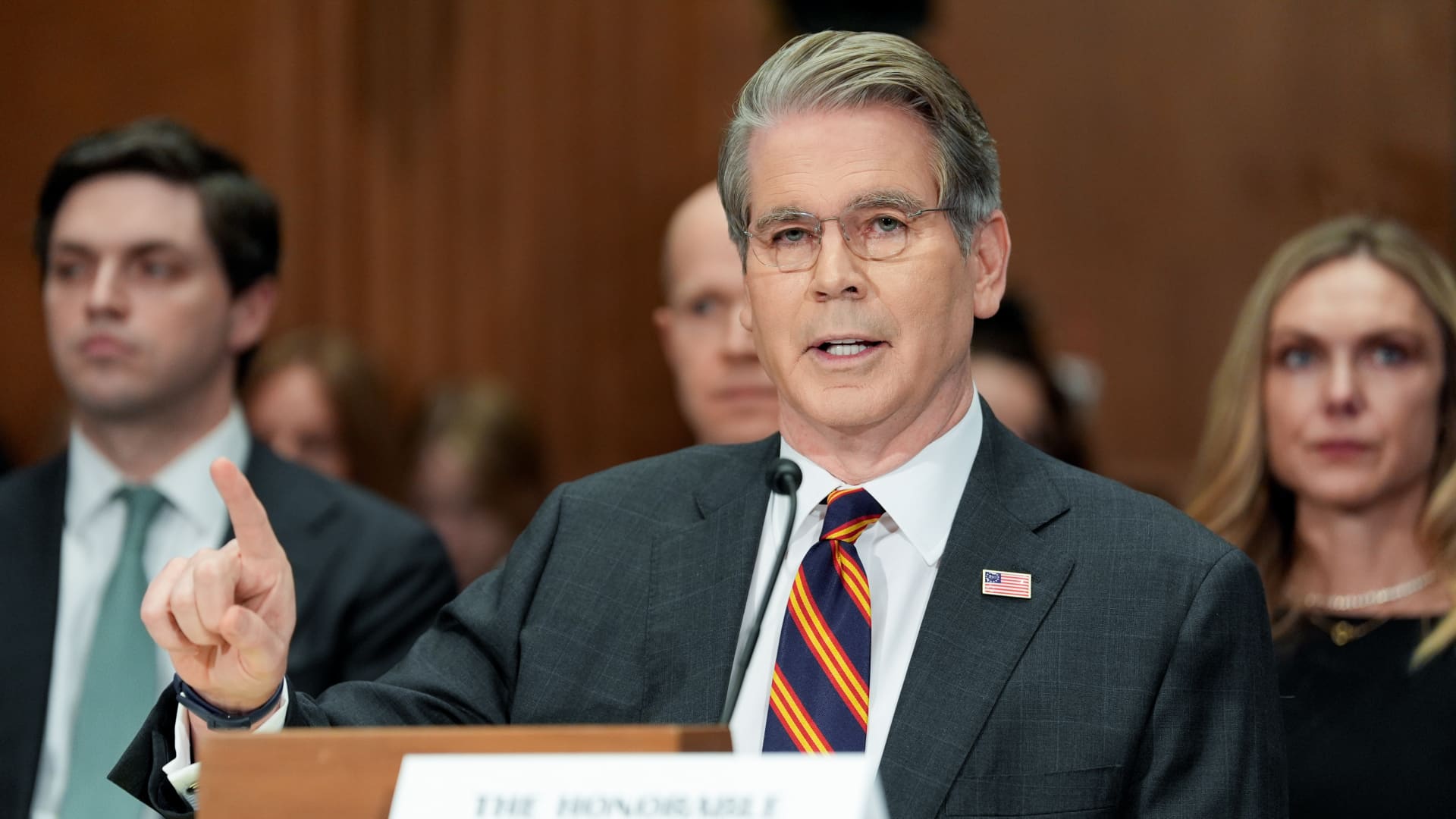
- Trade Investigations Launched: The U.S. initiated new trade investigations into 60 economies on Thursday to assess whether they have failed to curb imports of goods made with forced labor, a move that could impact trade relations with countries like China and the EU.
- Legal Basis: These investigations are conducted under Section 301(b) of the Trade Act of 1974, allowing the U.S. to impose tariffs on countries found engaging in unfair trade practices without congressional authorization, reflecting a tough stance in U.S. trade policy.
- International Response: The U.S. Trade Representative stated that despite international consensus against forced labor, governments have inadequately enforced bans on such goods, which could negatively affect U.S. workers and businesses.
- Impact on Future Negotiations: Launching these investigations just before the upcoming Trump-Xi meeting may affect the negotiation atmosphere, with experts suggesting that unilateral measures could hinder consensus, emphasizing the need for cooperative solutions.
US-China Trade War Escalates as Section 301 Investigations Add New Tensions

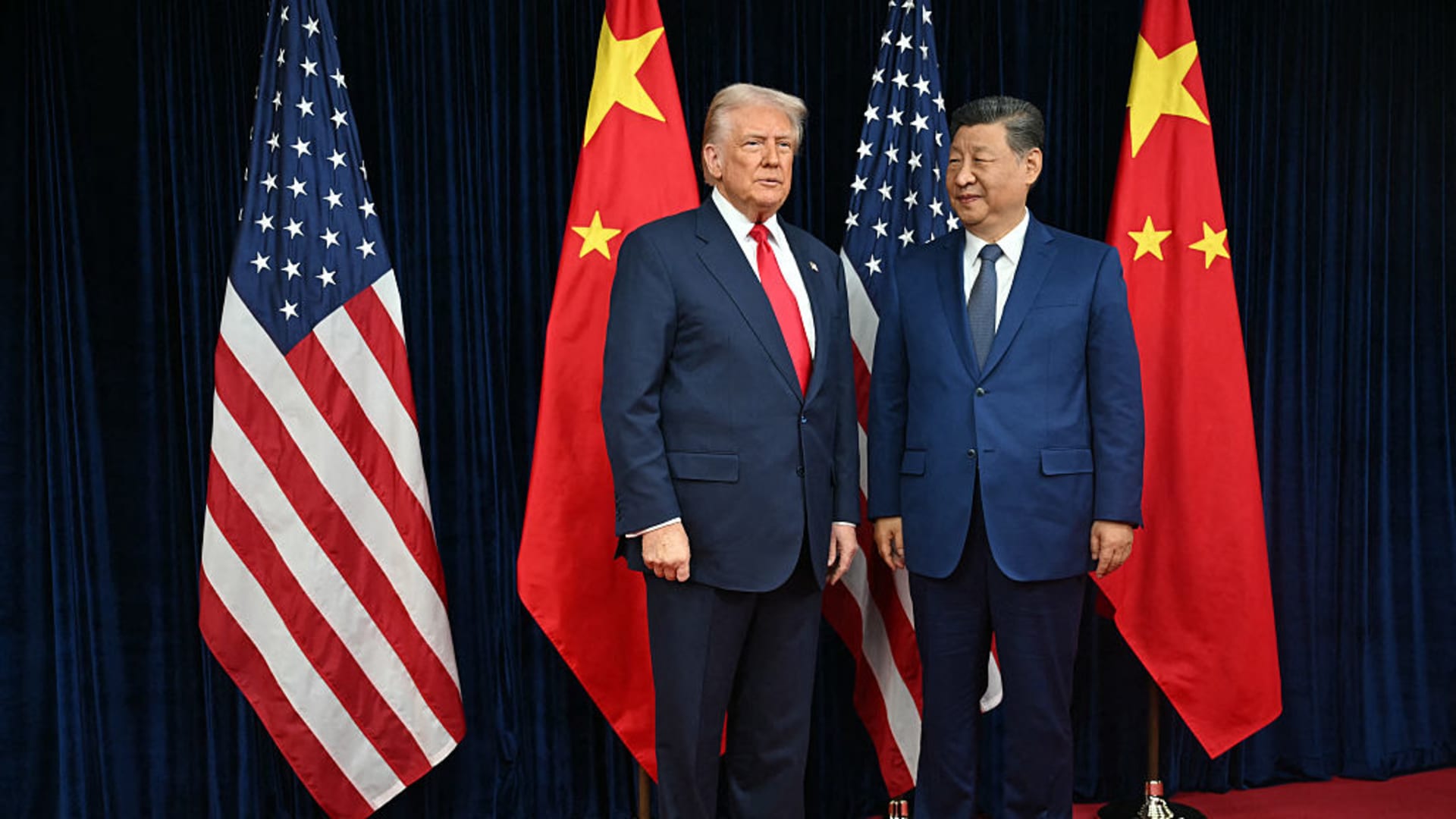
- Launch of Section 301 Investigations: The U.S. has initiated trade investigations against China under Section 301 of the Trade Act of 1974, aiming to identify unfair trade practices, particularly in manufacturing sectors, which adds new layers of tension to the already strained U.S.-China relationship.
- Surge in Exports and Trade Surplus: Despite criticism from global trading partners, China's exports surged by 21.8% in the first two months, boosting its trade surplus to a record high of $213.6 billion, indicating a continued reliance on external demand.
- Uncertain Summit Outlook: With the summit approaching, the widening gap between both sides' agendas, especially regarding potential investigations into forced labor practices, adds uncertainty to negotiations and may hinder future trade agreements.
- Challenges in Maintaining Stability: While Chinese Foreign Minister Wang Yi calls for a suitable environment for the summit, the U.S. is likely to push for long-term commitments on agricultural purchases, and expectations for substantial breakthroughs have significantly diminished, suggesting limited outcomes from the upcoming meeting.

US-China Trade Investigations Heighten Tensions Ahead of Summit
- Trade Investigations Launched: The U.S. has initiated Section 301 trade investigations targeting China to identify unfair trade practices, particularly structural excess capacity in manufacturing, which is likely to escalate trade tensions and impact future negotiation environments.
- Strong Export Growth: Despite criticism from global trading partners regarding China's over-reliance on external demand, Chinese exports surged 21.8% year-on-year in the first two months, boosting the trade surplus to a record $213.6 billion, indicating robust export machinery that may alleviate economic pressures in the short term.
- Dismal Summit Outlook: The upcoming U.S.-China summit is expected to yield limited breakthroughs, with widening gaps in agendas, particularly as investigations into forced labor may aggravate China's sentiments and affect future willingness to engage in deal-making.
- Geopolitical Complexity: U.S. military actions against Iran pose risks to China's energy supplies; while China is insulated by strategic oil and gas reserves, prolonged supply chain disruptions could negatively impact its economy, further complicating the bilateral talks ahead.
Trump Administration Launches New Trade Investigations
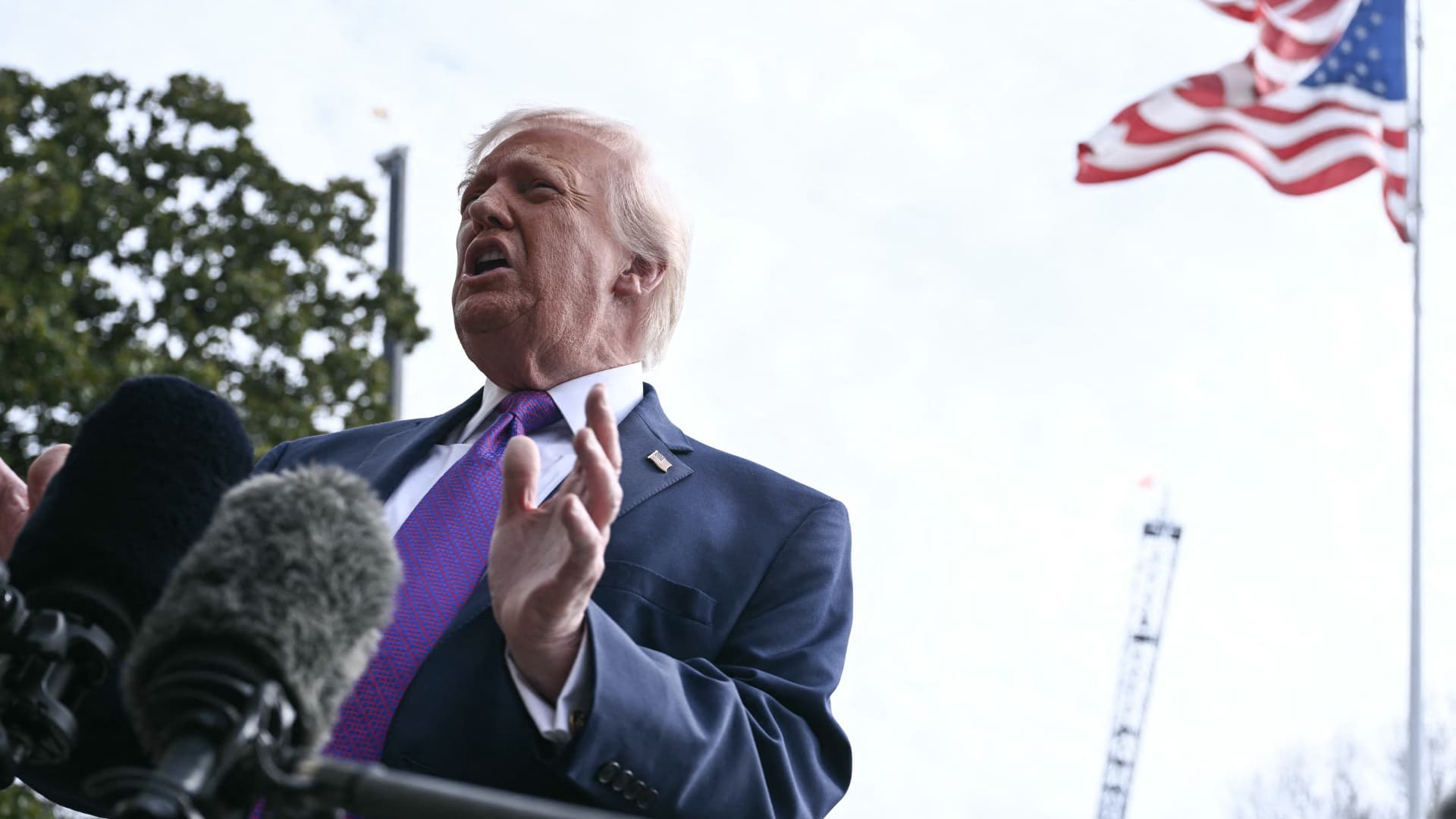
- Trade Investigations Launched: The Trump administration announced new trade investigations into China, Mexico, the EU, and other economies to replace reciprocal tariffs deemed illegal by the Supreme Court, potentially impacting global trade policies.
- Application of Section 301: The investigations will be conducted under Section 301 of the Trade Act of 1974, which allows the U.S. to impose tariffs on countries found to engage in unfair trade practices, indicating a significant shift in trade dynamics.
- Broad Investigation Scope: In addition to China, Mexico, and the EU, the probes will include Japan, India, Taiwan, and Vietnam, reflecting the U.S.'s aggressive stance in global trade and potentially escalating trade tensions.
- Future Tariff Expectations: The Treasury Secretary predicts that by August, U.S. tariffs will return to pre-Supreme Court ruling levels, demonstrating the government's commitment to its trade policy, which may exert pressure on exports from affected countries.

Iran War Disrupts Global Tourism Industry

- Flight Cancellation Crisis: The U.S. and Israel's attacks on Iran have led to over 20,000 flight cancellations globally, stranding more than 1 million travelers, which poses significant operational challenges for airlines and disrupts the recovery of the global tourism industry.
- Surge in Travel Insurance Demand: Following the outbreak of conflict, inquiries for 'cancel for any reason' travel insurance policies surged 18-fold, indicating heightened consumer concern for travel safety and reflecting market sensitivity to uncertainty.
- Hotel Industry Impact: The Fairmont The Palm hotel in Dubai suffered damage due to the conflict, although no guests were harmed, such incidents could tarnish the hotel's reputation and affect future booking rates, especially with the upcoming World Cup.
- Airlines Adjust Routes: For instance, Australia's Qantas has been forced to alter its flight paths to include refueling stops, which, while allowing for an increase in passenger numbers, also raises operational costs, potentially leading to higher ticket prices and further impacting consumer travel choices.
Trump Supports Russian Tanker Delivering Oil to Cuba Amid Energy Crisis
- Escalating Energy Crisis: Cuba is facing its most significant energy crisis since the collapse of the Soviet Union, as U.S. military actions against Venezuela have effectively cut off oil supplies since January, leading to severe power shortages across the island.
- Russian Tanker Relief: The Russian-flagged tanker Anatoly Kolodkin is expected to arrive in Cuba on Monday carrying approximately 730,000 barrels of crude oil, which is seen as a lifeline that could alleviate the ongoing fuel shortage.
- Trump's Shift in Stance: President Trump stated aboard Air Force One that he has no issue with Russia sending oil to Cuba, indicating a potential reversal of his administration's oil blockade policy, which could have implications for future diplomatic relations.
- Cuban Government's Response: President Miguel Díaz-Canel noted that Cuba has not received oil shipments in over three months and is actively seeking to increase solar power generation to address the ongoing fuel shortage, highlighting the urgency of the country's energy transition efforts.
US Launches Trade Investigations into 60 Economies for Forced Labor
- Trade Investigations Launched: The U.S. initiated new trade investigations into 60 economies on Thursday to assess whether they have failed to curb imports of goods made with forced labor, a move that could impact trade relations with countries like China and the EU.
- Legal Basis: These investigations are conducted under Section 301(b) of the Trade Act of 1974, allowing the U.S. to impose tariffs on countries found engaging in unfair trade practices without congressional authorization, reflecting a tough stance in U.S. trade policy.
- International Response: The U.S. Trade Representative stated that despite international consensus against forced labor, governments have inadequately enforced bans on such goods, which could negatively affect U.S. workers and businesses.
- Impact on Future Negotiations: Launching these investigations just before the upcoming Trump-Xi meeting may affect the negotiation atmosphere, with experts suggesting that unilateral measures could hinder consensus, emphasizing the need for cooperative solutions.
US-China Trade War Escalates as Section 301 Investigations Add New Tensions
- Launch of Section 301 Investigations: The U.S. has initiated trade investigations against China under Section 301 of the Trade Act of 1974, aiming to identify unfair trade practices, particularly in manufacturing sectors, which adds new layers of tension to the already strained U.S.-China relationship.
- Surge in Exports and Trade Surplus: Despite criticism from global trading partners, China's exports surged by 21.8% in the first two months, boosting its trade surplus to a record high of $213.6 billion, indicating a continued reliance on external demand.
- Uncertain Summit Outlook: With the summit approaching, the widening gap between both sides' agendas, especially regarding potential investigations into forced labor practices, adds uncertainty to negotiations and may hinder future trade agreements.
- Challenges in Maintaining Stability: While Chinese Foreign Minister Wang Yi calls for a suitable environment for the summit, the U.S. is likely to push for long-term commitments on agricultural purchases, and expectations for substantial breakthroughs have significantly diminished, suggesting limited outcomes from the upcoming meeting.
US-China Trade Investigations Heighten Tensions Ahead of Summit
- Trade Investigations Launched: The U.S. has initiated Section 301 trade investigations targeting China to identify unfair trade practices, particularly structural excess capacity in manufacturing, which is likely to escalate trade tensions and impact future negotiation environments.
- Strong Export Growth: Despite criticism from global trading partners regarding China's over-reliance on external demand, Chinese exports surged 21.8% year-on-year in the first two months, boosting the trade surplus to a record $213.6 billion, indicating robust export machinery that may alleviate economic pressures in the short term.
- Dismal Summit Outlook: The upcoming U.S.-China summit is expected to yield limited breakthroughs, with widening gaps in agendas, particularly as investigations into forced labor may aggravate China's sentiments and affect future willingness to engage in deal-making.
- Geopolitical Complexity: U.S. military actions against Iran pose risks to China's energy supplies; while China is insulated by strategic oil and gas reserves, prolonged supply chain disruptions could negatively impact its economy, further complicating the bilateral talks ahead.
Trump Administration Launches New Trade Investigations
- Trade Investigations Launched: The Trump administration announced new trade investigations into China, Mexico, the EU, and other economies to replace reciprocal tariffs deemed illegal by the Supreme Court, potentially impacting global trade policies.
- Application of Section 301: The investigations will be conducted under Section 301 of the Trade Act of 1974, which allows the U.S. to impose tariffs on countries found to engage in unfair trade practices, indicating a significant shift in trade dynamics.
- Broad Investigation Scope: In addition to China, Mexico, and the EU, the probes will include Japan, India, Taiwan, and Vietnam, reflecting the U.S.'s aggressive stance in global trade and potentially escalating trade tensions.
- Future Tariff Expectations: The Treasury Secretary predicts that by August, U.S. tariffs will return to pre-Supreme Court ruling levels, demonstrating the government's commitment to its trade policy, which may exert pressure on exports from affected countries.
Iran War Disrupts Global Tourism Industry
- Flight Cancellation Crisis: The U.S. and Israel's attacks on Iran have led to over 20,000 flight cancellations globally, stranding more than 1 million travelers, which poses significant operational challenges for airlines and disrupts the recovery of the global tourism industry.
- Surge in Travel Insurance Demand: Following the outbreak of conflict, inquiries for 'cancel for any reason' travel insurance policies surged 18-fold, indicating heightened consumer concern for travel safety and reflecting market sensitivity to uncertainty.
- Hotel Industry Impact: The Fairmont The Palm hotel in Dubai suffered damage due to the conflict, although no guests were harmed, such incidents could tarnish the hotel's reputation and affect future booking rates, especially with the upcoming World Cup.
- Airlines Adjust Routes: For instance, Australia's Qantas has been forced to alter its flight paths to include refueling stops, which, while allowing for an increase in passenger numbers, also raises operational costs, potentially leading to higher ticket prices and further impacting consumer travel choices.