Barclays Upgrades APA Corp. to Equal Weight Amid Middle East Developments
Written by Emily J. Thompson, Senior Investment Analyst
Updated: 6 days ago
0mins
Should l Buy APA?
Source: seekingalpha
- Rating Upgrade: Barclays upgraded APA's rating from Underweight to Equal Weight, raising the price target from $28 to $35, reflecting the positive impact of improved Middle East developments on APA's gas marketing business.
- Optimistic Market Outlook: Analyst Betty Jiang noted that APA has the highest exposure to LNG prices in her coverage, with projected gas marketing gains of approximately $1.15 billion in 2026, significantly higher than the previous guidance of $650 million.
- Cash Flow Potential: Under the current macro backdrop, every $5/MMBtu increase in LNG prices is expected to yield about $210 million in incremental annual cash flow for APA, showcasing its strong cash flow generation capabilities.
- Free Cash Flow Outlook: APA is projected to generate nearly $2.9 billion in free cash flow in 2026, translating to a 22% free cash flow yield, indicating robust financial resilience amid market volatility.
Trade with 70% Backtested Accuracy
Stop guessing "Should I Buy APA?" and start using high-conviction signals backed by rigorous historical data.
Sign up today to access powerful investing tools and make smarter, data-driven decisions.
Analyst Views on APA
Wall Street analysts forecast APA stock price to fall
19 Analyst Rating
4 Buy
10 Hold
5 Sell
Hold
Current: 44.390

Low
21.00
Averages
26.17
High
40.00
Current: 44.390
Low
21.00
Averages
26.17
High
40.00
About APA
APA Corporation is an independent energy company. The Company owns subsidiaries that explore for and produce oil and natural gas in the United States, Egypt, and the United Kingdom, and that explore for oil and natural gas offshore Suriname. The Company’s upstream business has oil and gas operations in three geographic areas: the United States, Egypt and offshore the United Kingdom in the North Sea (North Sea). It also has active exploration and appraisal operations ongoing in Suriname, as well as interests in Uruguay and other international locations. It maintains a diversified asset portfolio, including conventional and unconventional, onshore and offshore, oil and natural gas exploration and production interests. In the United States, operations are primarily focused on the Permian Basin of West Texas. The Company has conventional onshore assets in Egypt’s Western Desert, and offshore assets on the United Kingdom’s Continental Shelf.
About the author

Emily J. Thompson
Emily J. Thompson, a Chartered Financial Analyst (CFA) with 12 years in investment research, graduated with honors from the Wharton School. Specializing in industrial and technology stocks, she provides in-depth analysis for Intellectia’s earnings and market brief reports.

Analysis of XOP ETF Trading Dynamics


- Price Range Analysis: The XOP ETF has a 52-week low of $99.01 and a high of $190.36, with the last trade at $187.64, indicating significant volatility near its high, which may influence investor buying decisions.
- Technical Analysis Tool: Comparing the current share price to the 200-day moving average provides valuable insights for investors, helping to assess market trends and potential buy or sell opportunities.
- ETF Unit Trading Mechanism: ETFs trade similarly to stocks, where investors buy and sell 'units' that can be created or destroyed based on demand, impacting the ETF's liquidity and market performance.
- Inflows and Outflows Monitoring: Weekly monitoring of changes in shares outstanding helps identify ETFs experiencing notable inflows (new units created) or outflows (old units destroyed), which can significantly affect the performance of the underlying stocks within the ETF.
See More

The Iran Conflict May Persist: Current Investment Opportunities for Success.


- Current Market Status: The Nasdaq is currently in a correction, having dropped over 10% from its recent highs.
- Bear Market Concerns: There are increasing fears that the Nasdaq may soon enter a bear market, defined as a decline of 20%.
- Wall Street Perspective: Despite the downturn, there is a common belief on Wall Street that opportunities for profit exist in other sectors.
- Market Sentiment: The overall sentiment reflects anxiety about the tech-heavy index's performance amidst potential further declines.
See More

Major Stock Indexes Decline Amid Energy Supply Concerns

- Meta Oversold: Meta's relative strength index (RSI) dropped to 22.1 after losing two major court cases and shedding over 11% of its stock last week, indicating a pessimistic market sentiment that may prime it for a near-term rebound.
- Court Rulings Impact: A California jury ruled that Meta and YouTube were liable for harmful addictive features on their platforms affecting minors, with Meta ordered to pay $2.1 million in damages, intensifying investor concerns about its business model.
- Layoff Measures: Meta's layoffs across Facebook, global operations, recruiting, sales, and Reality Labs aim to alleviate investor anxieties over its frequent and costly corporate strategy shifts, potentially impacting its long-term growth prospects.
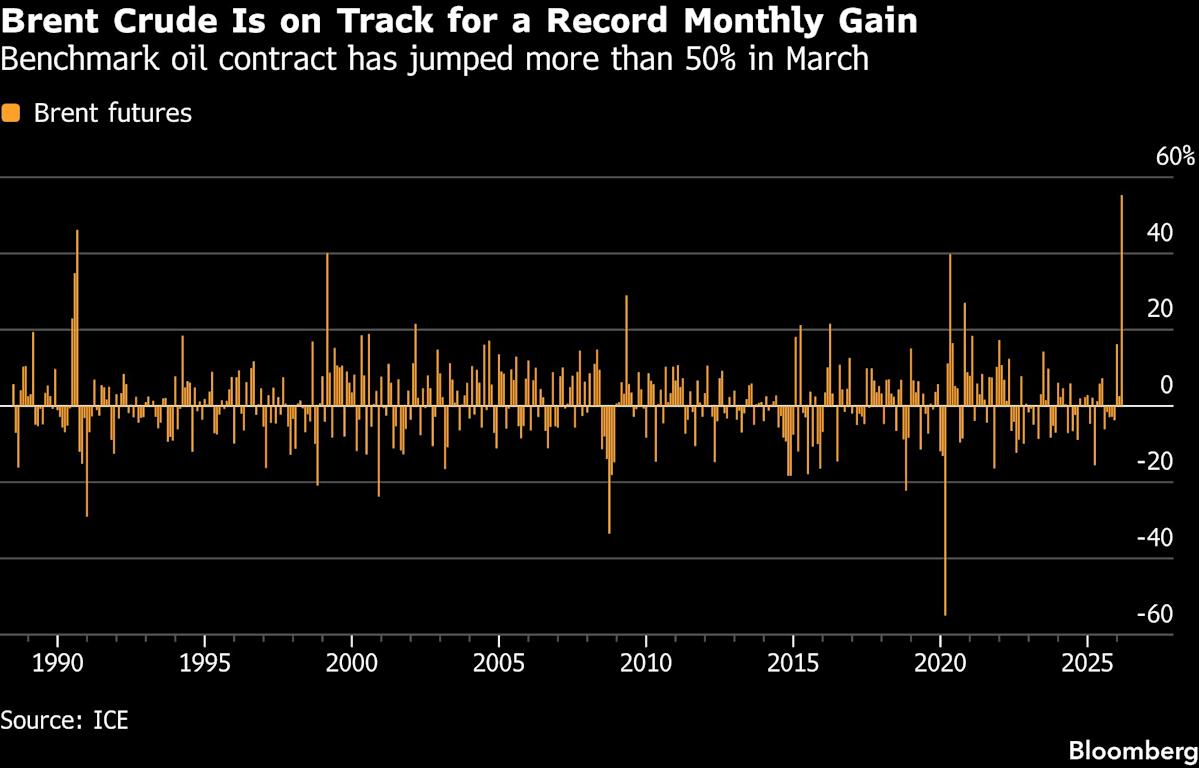
- Energy Stocks Overbought: Energy companies like APA, with an RSI of 87.8, saw stock prices jump nearly 14% last week due to supply chain disruptions from the Iran war, reflecting strong investor demand for energy stocks, which may face short-term pullback risks.
See More

US Stocks Plunge as Oil Prices Surge Amid Iran Conflict


- Market Decline: The S&P 500 index fell by 1.67%, marking a 7-month low, while the Nasdaq 100 and Dow Jones Industrial Average dropped by 1.93% and 1.73%, respectively, indicating heightened concerns over economic slowdown.
- Oil Price Surge: WTI crude oil prices surged over 5% due to fears surrounding the Iran conflict, which not only exacerbates inflation expectations but may also compel the Federal Reserve to tighten monetary policy, impacting overall economic growth.
- Consumer Sentiment Drop: The University of Michigan's consumer sentiment index was revised down to 53.3 from 55.5, below the expected 54.0, reflecting a pessimistic outlook among consumers regarding future economic conditions, potentially suppressing consumer spending.
- Escalating US-China Trade Tensions: China launched investigations into US trade practices targeting restrictions on Chinese goods, which could further disrupt global supply chains and increase market uncertainty.
See More

US Stocks Decline as Oil Prices Surge Amid Iran Conflict
- Market Sentiment Declines: The S&P 500 and Nasdaq 100 fell by 0.79% and 1.12%, respectively, reaching 6.75-month lows, reflecting investor concerns about the global economic outlook amid escalating tensions in Iran.
- Rising Inflation Expectations: The University of Michigan's consumer sentiment index was revised down to 53.3 from 55.5, below expectations, while 1-year inflation expectations increased to 3.8%, indicating market fears of rising prices that could prompt the Fed to tighten monetary policy.
- Surging Energy Prices: Crude oil prices rose over 3% due to disruptions in global oil supply caused by the Iran conflict, with the IEA warning that the war could cut global oil supply by 8 million barrels per day, exacerbating inflationary pressures.
- US-China Trade Tensions: China launched investigations into US trade practices in retaliation for similar probes by the Trump administration, potentially impacting global supply chains and increasing market uncertainty, further undermining investor confidence.
See More

Global Markets Decline Amid Iran War Risks
- Market Decline: The S&P 500 index fell by 0.74% and the Nasdaq 100 dropped by 0.94%, reflecting investor concerns over the prolonged Iran war, which may impact future investment decisions and market stability.
- Surging Energy Prices: The International Energy Agency warns that the ongoing conflict could disrupt global oil supply by 8 million barrels per day, potentially pushing crude prices above the 2008 record high of nearly $150 per barrel, thereby exacerbating inflationary pressures.
- Rising Bond Yields: The 10-year U.S. Treasury yield reached an 8.25-month high of 4.48%, indicating heightened expectations for future interest rate hikes, which could compel the Federal Reserve to adopt a tighter monetary policy to combat persistent inflation.
- Escalating U.S.-China Trade Tensions: China has launched investigations into U.S. trade practices, targeting restrictions on Chinese goods, which may further escalate trade frictions and disrupt global supply chain stability.
See More
Analysis of XOP ETF Trading Dynamics
- Price Range Analysis: The XOP ETF has a 52-week low of $99.01 and a high of $190.36, with the last trade at $187.64, indicating significant volatility near its high, which may influence investor buying decisions.
- Technical Analysis Tool: Comparing the current share price to the 200-day moving average provides valuable insights for investors, helping to assess market trends and potential buy or sell opportunities.
- ETF Unit Trading Mechanism: ETFs trade similarly to stocks, where investors buy and sell 'units' that can be created or destroyed based on demand, impacting the ETF's liquidity and market performance.
- Inflows and Outflows Monitoring: Weekly monitoring of changes in shares outstanding helps identify ETFs experiencing notable inflows (new units created) or outflows (old units destroyed), which can significantly affect the performance of the underlying stocks within the ETF.
See More
The Iran Conflict May Persist: Current Investment Opportunities for Success.
- Current Market Status: The Nasdaq is currently in a correction, having dropped over 10% from its recent highs.
- Bear Market Concerns: There are increasing fears that the Nasdaq may soon enter a bear market, defined as a decline of 20%.
- Wall Street Perspective: Despite the downturn, there is a common belief on Wall Street that opportunities for profit exist in other sectors.
- Market Sentiment: The overall sentiment reflects anxiety about the tech-heavy index's performance amidst potential further declines.
See More
Major Stock Indexes Decline Amid Energy Supply Concerns
- Meta Oversold: Meta's relative strength index (RSI) dropped to 22.1 after losing two major court cases and shedding over 11% of its stock last week, indicating a pessimistic market sentiment that may prime it for a near-term rebound.
- Court Rulings Impact: A California jury ruled that Meta and YouTube were liable for harmful addictive features on their platforms affecting minors, with Meta ordered to pay $2.1 million in damages, intensifying investor concerns about its business model.
- Layoff Measures: Meta's layoffs across Facebook, global operations, recruiting, sales, and Reality Labs aim to alleviate investor anxieties over its frequent and costly corporate strategy shifts, potentially impacting its long-term growth prospects.
- Energy Stocks Overbought: Energy companies like APA, with an RSI of 87.8, saw stock prices jump nearly 14% last week due to supply chain disruptions from the Iran war, reflecting strong investor demand for energy stocks, which may face short-term pullback risks.
See More
US Stocks Plunge as Oil Prices Surge Amid Iran Conflict
- Market Decline: The S&P 500 index fell by 1.67%, marking a 7-month low, while the Nasdaq 100 and Dow Jones Industrial Average dropped by 1.93% and 1.73%, respectively, indicating heightened concerns over economic slowdown.
- Oil Price Surge: WTI crude oil prices surged over 5% due to fears surrounding the Iran conflict, which not only exacerbates inflation expectations but may also compel the Federal Reserve to tighten monetary policy, impacting overall economic growth.
- Consumer Sentiment Drop: The University of Michigan's consumer sentiment index was revised down to 53.3 from 55.5, below the expected 54.0, reflecting a pessimistic outlook among consumers regarding future economic conditions, potentially suppressing consumer spending.
- Escalating US-China Trade Tensions: China launched investigations into US trade practices targeting restrictions on Chinese goods, which could further disrupt global supply chains and increase market uncertainty.
See More
US Stocks Decline as Oil Prices Surge Amid Iran Conflict
- Market Sentiment Declines: The S&P 500 and Nasdaq 100 fell by 0.79% and 1.12%, respectively, reaching 6.75-month lows, reflecting investor concerns about the global economic outlook amid escalating tensions in Iran.
- Rising Inflation Expectations: The University of Michigan's consumer sentiment index was revised down to 53.3 from 55.5, below expectations, while 1-year inflation expectations increased to 3.8%, indicating market fears of rising prices that could prompt the Fed to tighten monetary policy.
- Surging Energy Prices: Crude oil prices rose over 3% due to disruptions in global oil supply caused by the Iran conflict, with the IEA warning that the war could cut global oil supply by 8 million barrels per day, exacerbating inflationary pressures.
- US-China Trade Tensions: China launched investigations into US trade practices in retaliation for similar probes by the Trump administration, potentially impacting global supply chains and increasing market uncertainty, further undermining investor confidence.
See More
Global Markets Decline Amid Iran War Risks
- Market Decline: The S&P 500 index fell by 0.74% and the Nasdaq 100 dropped by 0.94%, reflecting investor concerns over the prolonged Iran war, which may impact future investment decisions and market stability.
- Surging Energy Prices: The International Energy Agency warns that the ongoing conflict could disrupt global oil supply by 8 million barrels per day, potentially pushing crude prices above the 2008 record high of nearly $150 per barrel, thereby exacerbating inflationary pressures.
- Rising Bond Yields: The 10-year U.S. Treasury yield reached an 8.25-month high of 4.48%, indicating heightened expectations for future interest rate hikes, which could compel the Federal Reserve to adopt a tighter monetary policy to combat persistent inflation.
- Escalating U.S.-China Trade Tensions: China has launched investigations into U.S. trade practices, targeting restrictions on Chinese goods, which may further escalate trade frictions and disrupt global supply chain stability.
See More