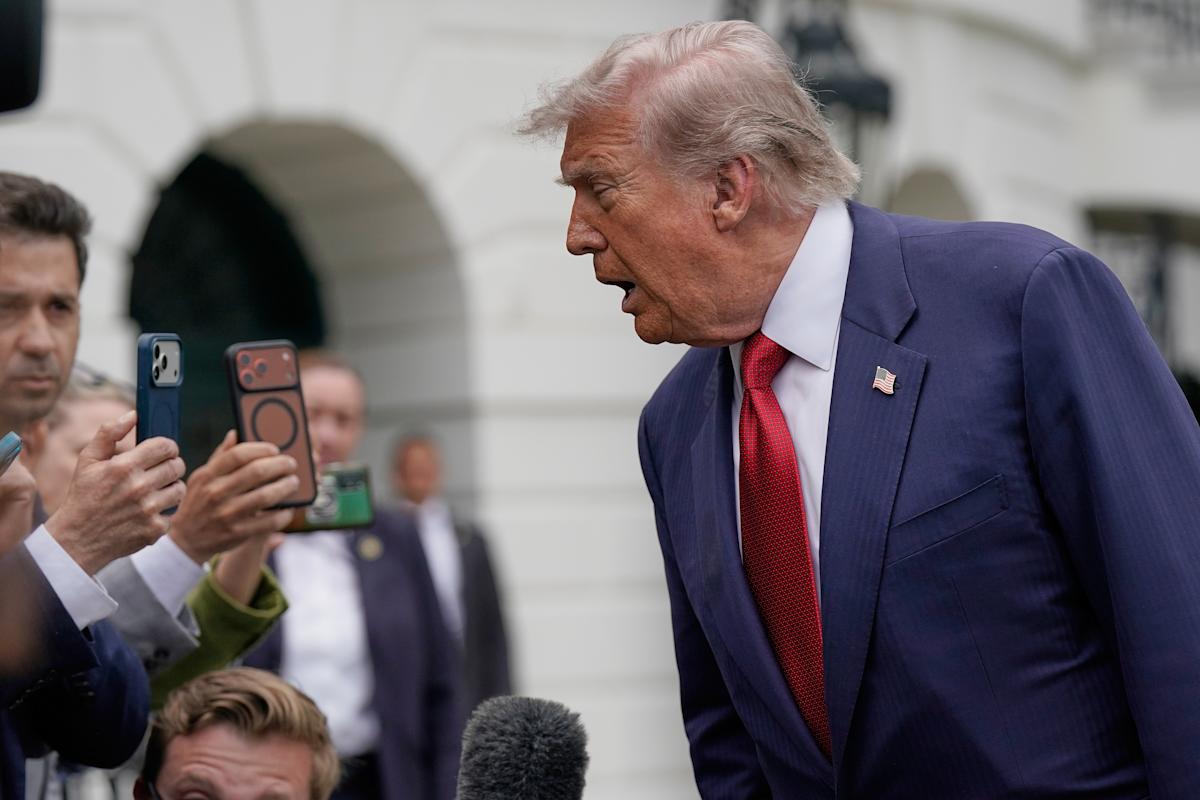
BAE Systems Sees Record Orders in 2025 Amid Global Defense Spending Surge
Written by Emily J. Thompson, Senior Investment Analyst
Updated: Feb 18 2026
0mins
Should l Buy BA?
Source: CNBC
- Significant Performance Growth: BAE Systems reported sales of £30.7 billion ($41.7 billion) in 2025, a 10% year-on-year increase that drove operating profits up 9% to £2.93 billion, demonstrating strong performance amid rising global defense spending.
- Record Order Backlog: The company's order backlog reached £83.6 billion, an increase of £5.8 billion from 2024, reflecting robust demand for its aircraft, weapons, and warships, indicating sustained growth potential in the coming years.
- Future Growth Expectations: BAE anticipates sales growth of 7% to 9% in 2026, with projected cumulative free cash flow exceeding £6 billion from 2026 to 2028, showcasing the company's confidence in future market conditions and strategic investment decisions.
- Strategic Partnership Opportunities: Last year, BAE secured £36.8 billion in orders, including a £4.6 billion deal for 20 Typhoon aircraft with Turkey and a £10 billion agreement with Norway for Type 26 frigates, highlighting its critical role and influence in the European defense market.
Trade with 70% Backtested Accuracy
Stop guessing "Should I Buy BA?" and start using high-conviction signals backed by rigorous historical data.
Sign up today to access powerful investing tools and make smarter, data-driven decisions.
Analyst Views on BA
Wall Street analysts forecast BA stock price to rise
16 Analyst Rating
14 Buy
1 Hold
1 Sell
Strong Buy
Current: 238.210

Low
150.00
Averages
269.14
High
298.00
Current: 238.210
Low
150.00
Averages
269.14
High
298.00
About BA
The Boeing Company is an aerospace company. Its segments include Commercial Airplanes (BCA), Defense, Space & Security (BDS), and Global Services (BGS). Its BCA segment develops, produces and markets commercial jet aircraft principally for the commercial airline industry worldwide. Its family of commercial jet aircraft in production includes the 737 narrow-body model and the 767, 777 and 787 wide-body models. Its BDS segment is engaged in the research, development, production and modification of manned and unmanned military aircraft and weapons systems for strike, surveillance and mobility. Its BGS segment provides services to its commercial and defense customers worldwide. It sustains aerospace platforms and systems with a range of products and services, including supply chain and logistics management, engineering, maintenance and modifications, upgrades and conversions, spare parts, pilot and maintenance training systems and services, technical and maintenance documents, and others.
About the author

Emily J. Thompson
Emily J. Thompson, a Chartered Financial Analyst (CFA) with 12 years in investment research, graduated with honors from the Wharton School. Specializing in industrial and technology stocks, she provides in-depth analysis for Intellectia’s earnings and market brief reports.

SES Reports Strong Q1 Results with Positive Outlook

- Significant Revenue Growth: SES reported Q1 revenue of €847 million ($996 million), reflecting an 80% year-on-year increase, indicating strong momentum in its aviation and European infrastructure sectors, which is expected to drive overall annual performance.
- New Contract Signings: The company secured €306 million in new business and contract renewals over the quarter, further solidifying its market position and laying the groundwork for future growth.
- Aviation Business Highlights: SES's aviation segment excelled, with CEO Adel Al-Saleh noting commitments for over 40 long-haul aircraft from Japan Airlines, showcasing robust demand in the aviation market.
- Infrastructure Agreement Extension: SES extended its EGNOS GEO-1 satellite service agreement with the European Union Space Programme Agency through 2030, ensuring high-precision navigation services for aviation and other critical users across Europe, reflecting the company's commitment to the EU's vision for sovereign space-based connectivity infrastructure.
See More

Trump's China Visit: Pursuing Trade and AI Dialogue
- Trade Negotiation Progress: Trump's visit to China aims to secure more trade agreements, particularly focusing on aerospace, with new Boeing (BA) orders expected, which could enhance the U.S.'s competitive edge in the global market.
- AI Communication Mechanism Establishment: The White House plans to announce new U.S.-China Boards of Trade and Investment to improve dialogue on artificial intelligence, marking the first formal discussions on high-stakes issues, despite uncertainties surrounding AI regulation.
- Iran Issue Impact: Trump's discussions may address China's disregard for U.S. sanctions on Iran, which could escalate tensions, even as he publicly emphasizes a friendly relationship, highlighting the complexity of U.S.-China dynamics.
- Tariff Policy Uncertainty: A recent ruling from the Court of International Trade could undermine Trump's efforts to impose a 10% tariff on global goods, weakening his negotiating leverage and adding a layer of tension to the upcoming discussions.
See More

Market Outlook: Inflation Pressures and Tech Stock Dynamics


- Inflation Data Surprises: April's Consumer Price Index (CPI) rose 3.8% year-over-year, exceeding the 3.7% expectation, while core CPI also slightly surpassed forecasts at 2.8%, putting pressure on Fed rate cut hopes and potentially affecting market sentiment.
- Nvidia's Earnings Outlook Positive: Despite Nvidia's stock hitting a record high with a 16% gain over the past month, analysts maintain a bullish stance, believing the stock, trading at under 20 times 2028 earnings estimates, is worth buying, with price targets raised from $265 to $315.
- AMD and Super Micro Price Target Increases: Mizuho raised AMD's price target from $414 to $515, citing agentic AI driving server demand, while Super Micro's target was increased to $36 due to strong AI server demand, although concerns linger about the company's ties to China.
- Qnity Electronics Strong Performance: Qnity Electronics reported better-than-expected earnings with a 17% organic sales growth driven by the AI boom, leading to a more than 3% stock increase, indicating strong market demand and future growth potential.
See More
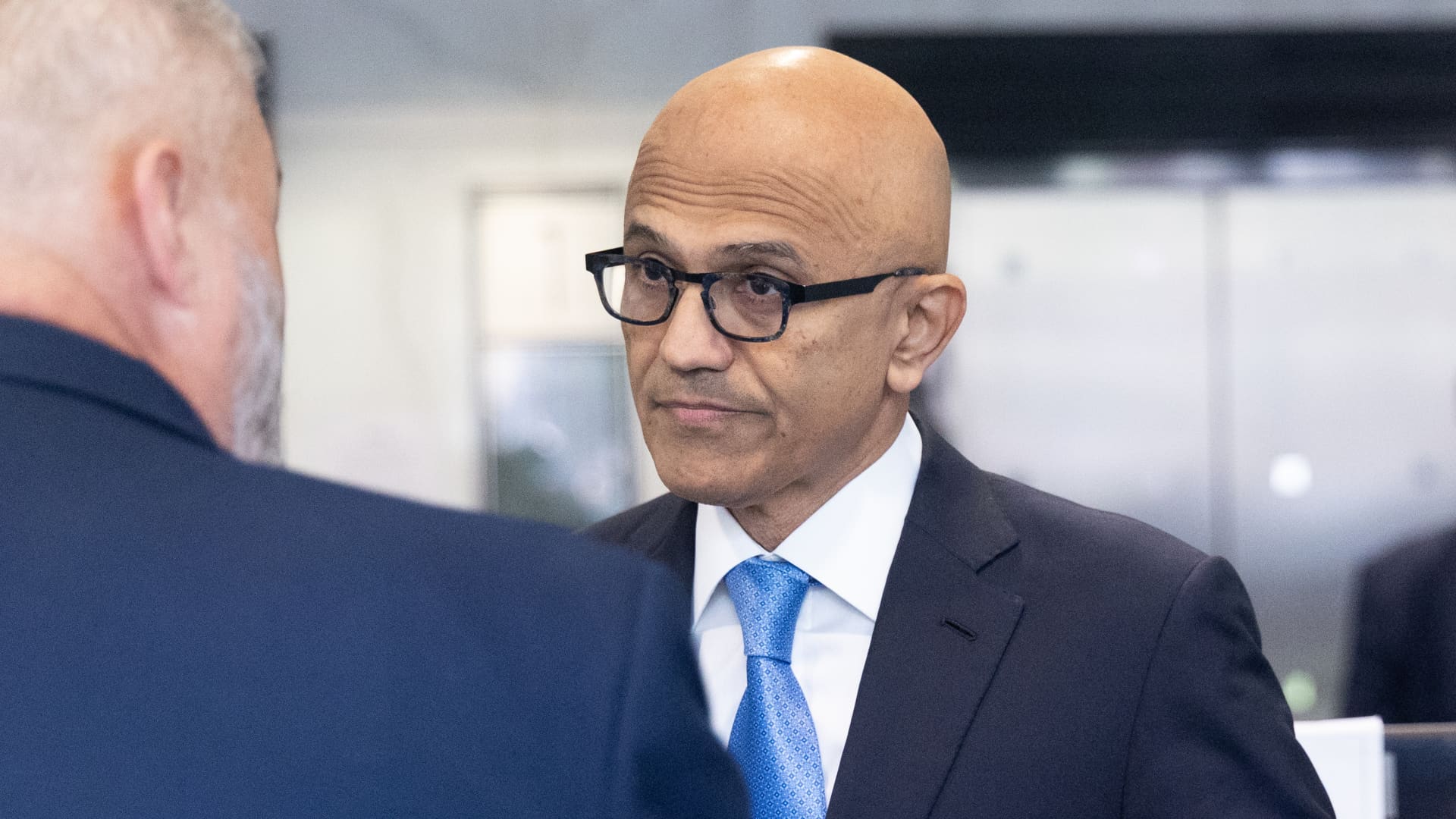
Amazon Announces 30-Minute Delivery Service Rollout in U.S. Cities


- Amazon Delivery Speed Boost: Amazon announced plans to roll out a 30-minute delivery service in several U.S. cities, aiming to enhance customer experience and strengthen its competitive edge in the rapidly evolving e-commerce landscape.
- Market Dynamics: Despite rising oil prices due to Trump's comments on Iran, with Brent crude futures exceeding $107, both the S&P 500 and Nasdaq Composite reached all-time highs, indicating strong market confidence in tech stocks.
- Trump's China Visit: Trump is set to visit China this week to meet with President Xi Jinping, inviting major tech executives like Tesla's Elon Musk and Apple's Tim Cook, which could impact U.S.-China trade relations and the market performance of involved companies.
- GM Job Cuts: General Motors announced the layoff of hundreds of IT employees to cut costs, while still hiring in the IT sector, reflecting the urgent need for cost control amid the AI technology wave.
See More

Amazon Announces 30-Minute Delivery Service Rollout

- Amazon Delivery Speed Boost: Amazon announced plans to roll out a 30-minute delivery service in several U.S. cities, which is expected to significantly enhance customer satisfaction and strengthen its position in the highly competitive e-commerce market.
- Positive Market Reaction: Despite a slip in stock futures before the bell, both the S&P 500 and Nasdaq Composite hit all-time highs yesterday, indicating strong investor confidence in tech stocks, particularly with Micron's 6.5% share price increase providing market support.
- Trump's China Visit Impact: Trump is set to visit China this week to meet with President Xi Jinping, inviting executives from major companies including Tesla, Apple, and Micron, which could have significant implications for U.S.-China trade relations and the tech industry.
- GM Layoffs: General Motors announced the layoff of hundreds of IT employees to cut costs, even as the company continues to hire in IT, reflecting a structural adjustment in traditional automakers to adapt to future market demands amid the AI technology wave.
See More
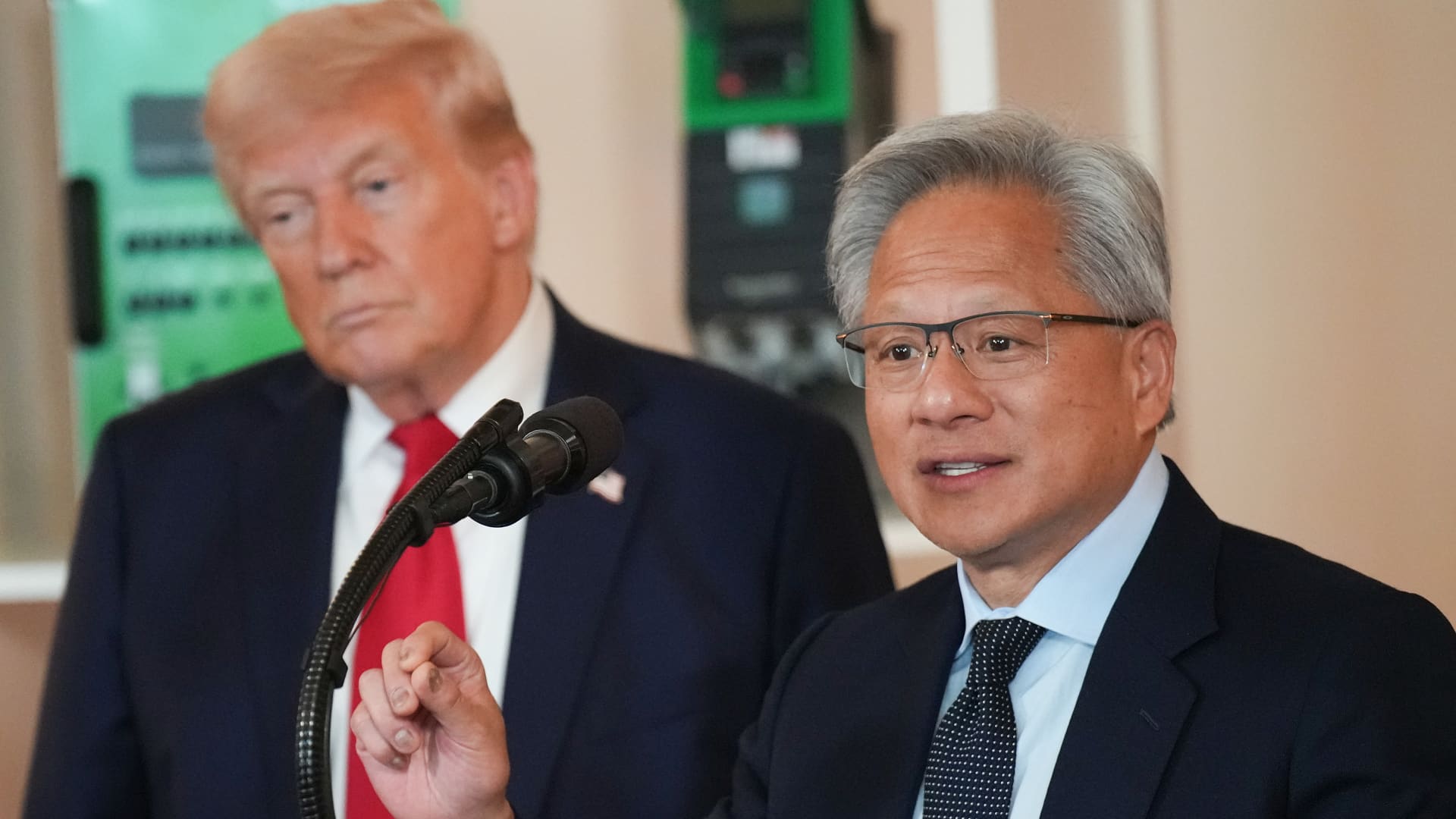
Nvidia CEO Absent from Trump's China Delegation


- Market Recovery Outlook Dim: Nvidia CEO Jensen Huang's absence from Trump's China visit signals a bleak outlook for the company's sales recovery in this crucial market, particularly as U.S. restrictions on sales to China have intensified over the past four years, preventing Nvidia's advanced chips from gaining approval for entry into China.
- Executive Absence Impact: Despite Huang's multiple visits to China emphasizing ties with the market, his absence from Trump's delegation indicates that Nvidia may face greater challenges in the competitive landscape, especially in the AI chip sector, where U.S.-China tensions are rising.
- Escalating Tech Decoupling: Experts suggest that the decoupling of technology between the U.S. and China is likely to intensify, leaving little hope for Nvidia's advanced chips to penetrate the Chinese market, which could adversely affect the company's long-term strategic positioning and market share.
- Shifting Global Competitive Landscape: As the tech rivalry between the U.S. and China escalates, Nvidia may need to reassess its strategy in the Chinese market to adapt to changing geopolitical dynamics, which could have profound implications for its future business development.
See More
SES Reports Strong Q1 Results with Positive Outlook
- Significant Revenue Growth: SES reported Q1 revenue of €847 million ($996 million), reflecting an 80% year-on-year increase, indicating strong momentum in its aviation and European infrastructure sectors, which is expected to drive overall annual performance.
- New Contract Signings: The company secured €306 million in new business and contract renewals over the quarter, further solidifying its market position and laying the groundwork for future growth.
- Aviation Business Highlights: SES's aviation segment excelled, with CEO Adel Al-Saleh noting commitments for over 40 long-haul aircraft from Japan Airlines, showcasing robust demand in the aviation market.
- Infrastructure Agreement Extension: SES extended its EGNOS GEO-1 satellite service agreement with the European Union Space Programme Agency through 2030, ensuring high-precision navigation services for aviation and other critical users across Europe, reflecting the company's commitment to the EU's vision for sovereign space-based connectivity infrastructure.
See More
Trump's China Visit: Pursuing Trade and AI Dialogue
- Trade Negotiation Progress: Trump's visit to China aims to secure more trade agreements, particularly focusing on aerospace, with new Boeing (BA) orders expected, which could enhance the U.S.'s competitive edge in the global market.
- AI Communication Mechanism Establishment: The White House plans to announce new U.S.-China Boards of Trade and Investment to improve dialogue on artificial intelligence, marking the first formal discussions on high-stakes issues, despite uncertainties surrounding AI regulation.
- Iran Issue Impact: Trump's discussions may address China's disregard for U.S. sanctions on Iran, which could escalate tensions, even as he publicly emphasizes a friendly relationship, highlighting the complexity of U.S.-China dynamics.
- Tariff Policy Uncertainty: A recent ruling from the Court of International Trade could undermine Trump's efforts to impose a 10% tariff on global goods, weakening his negotiating leverage and adding a layer of tension to the upcoming discussions.
See More
Market Outlook: Inflation Pressures and Tech Stock Dynamics
- Inflation Data Surprises: April's Consumer Price Index (CPI) rose 3.8% year-over-year, exceeding the 3.7% expectation, while core CPI also slightly surpassed forecasts at 2.8%, putting pressure on Fed rate cut hopes and potentially affecting market sentiment.
- Nvidia's Earnings Outlook Positive: Despite Nvidia's stock hitting a record high with a 16% gain over the past month, analysts maintain a bullish stance, believing the stock, trading at under 20 times 2028 earnings estimates, is worth buying, with price targets raised from $265 to $315.
- AMD and Super Micro Price Target Increases: Mizuho raised AMD's price target from $414 to $515, citing agentic AI driving server demand, while Super Micro's target was increased to $36 due to strong AI server demand, although concerns linger about the company's ties to China.
- Qnity Electronics Strong Performance: Qnity Electronics reported better-than-expected earnings with a 17% organic sales growth driven by the AI boom, leading to a more than 3% stock increase, indicating strong market demand and future growth potential.
See More
Amazon Announces 30-Minute Delivery Service Rollout in U.S. Cities
- Amazon Delivery Speed Boost: Amazon announced plans to roll out a 30-minute delivery service in several U.S. cities, aiming to enhance customer experience and strengthen its competitive edge in the rapidly evolving e-commerce landscape.
- Market Dynamics: Despite rising oil prices due to Trump's comments on Iran, with Brent crude futures exceeding $107, both the S&P 500 and Nasdaq Composite reached all-time highs, indicating strong market confidence in tech stocks.
- Trump's China Visit: Trump is set to visit China this week to meet with President Xi Jinping, inviting major tech executives like Tesla's Elon Musk and Apple's Tim Cook, which could impact U.S.-China trade relations and the market performance of involved companies.
- GM Job Cuts: General Motors announced the layoff of hundreds of IT employees to cut costs, while still hiring in the IT sector, reflecting the urgent need for cost control amid the AI technology wave.
See More
Amazon Announces 30-Minute Delivery Service Rollout
- Amazon Delivery Speed Boost: Amazon announced plans to roll out a 30-minute delivery service in several U.S. cities, which is expected to significantly enhance customer satisfaction and strengthen its position in the highly competitive e-commerce market.
- Positive Market Reaction: Despite a slip in stock futures before the bell, both the S&P 500 and Nasdaq Composite hit all-time highs yesterday, indicating strong investor confidence in tech stocks, particularly with Micron's 6.5% share price increase providing market support.
- Trump's China Visit Impact: Trump is set to visit China this week to meet with President Xi Jinping, inviting executives from major companies including Tesla, Apple, and Micron, which could have significant implications for U.S.-China trade relations and the tech industry.
- GM Layoffs: General Motors announced the layoff of hundreds of IT employees to cut costs, even as the company continues to hire in IT, reflecting a structural adjustment in traditional automakers to adapt to future market demands amid the AI technology wave.
See More
Nvidia CEO Absent from Trump's China Delegation
- Market Recovery Outlook Dim: Nvidia CEO Jensen Huang's absence from Trump's China visit signals a bleak outlook for the company's sales recovery in this crucial market, particularly as U.S. restrictions on sales to China have intensified over the past four years, preventing Nvidia's advanced chips from gaining approval for entry into China.
- Executive Absence Impact: Despite Huang's multiple visits to China emphasizing ties with the market, his absence from Trump's delegation indicates that Nvidia may face greater challenges in the competitive landscape, especially in the AI chip sector, where U.S.-China tensions are rising.
- Escalating Tech Decoupling: Experts suggest that the decoupling of technology between the U.S. and China is likely to intensify, leaving little hope for Nvidia's advanced chips to penetrate the Chinese market, which could adversely affect the company's long-term strategic positioning and market share.
- Shifting Global Competitive Landscape: As the tech rivalry between the U.S. and China escalates, Nvidia may need to reassess its strategy in the Chinese market to adapt to changing geopolitical dynamics, which could have profound implications for its future business development.
See More