B of A Securities Reaffirms Buy Rating on PulteGroup, Reduces Price Target to $140
Written by Emily J. Thompson, Senior Investment Analyst
Updated: Oct 10 2025
0mins
Should l Buy PHM?
Source: Benzinga
Real-time Intelligence: Benzinga Pro offers the fastest news alerts to help traders stay informed and make timely decisions in the stock market.
Community of Traders: Over 10,000 serious traders are part of the Benzinga Pro community, benefiting from exclusive stories and insights provided by Benzinga reporters.
Trade with 70% Backtested Accuracy
Stop guessing "Should I Buy PHM?" and start using high-conviction signals backed by rigorous historical data.
Sign up today to access powerful investing tools and make smarter, data-driven decisions.
Analyst Views on PHM
Wall Street analysts forecast PHM stock price to rise
12 Analyst Rating
7 Buy
5 Hold
0 Sell
Moderate Buy
Current: 126.660

Low
111.00
Averages
138.73
High
159.00
Current: 126.660
Low
111.00
Averages
138.73
High
159.00
About PHM
PulteGroup, Inc. is a homebuilder in the United States. The Company's segments include Homebuilding and Financial Services. Its Homebuilding operations involve acquisition and development of land primarily for residential purposes within the United States and the construction of housing on such land. Its financial services business segment includes mortgage banking, title, and insurance agency operations, through Pulte Mortgage LLC (Pulte Mortgage) and other subsidiaries. Pulte Mortgage arranges financing through the origination of mortgage loans primarily for the benefit of its homebuyers. Its Homebuilding operations are aggregated into six segments: Northeast, Southeast, Florida, Midwest, Texas and West. The Company, through its brand portfolio that includes Centex, Pulte Homes, Del Webb, DiVosta Homes, American West and John Wieland Homes and Neighborhoods, offers a variety of home designs with varying levels of options and amenities to its customer groups.
About the author

Emily J. Thompson
Emily J. Thompson, a Chartered Financial Analyst (CFA) with 12 years in investment research, graduated with honors from the Wharton School. Specializing in industrial and technology stocks, she provides in-depth analysis for Intellectia’s earnings and market brief reports.

PulteGroup's Strategic Priorities Highlighted at Investor Conference

- Strategic Land Management: PulteGroup CFO Jim Ossowski emphasized the company's disciplined approach to land management at the 47th Annual Raymond James Institutional Investor Conference, indicating that disciplined land underwriting and prudent cash allocation are key to maximizing equity returns and maintaining a strong balance sheet.
- Market Performance Analysis: Ossowski noted that PulteGroup remains strong in Florida while facing challenges in California and Texas, suggesting that these market dynamics will influence the company's future strategic positioning and resource allocation.
- Successful Debt Financing: On February 20, PulteGroup completed an $800 million offering of senior unsecured notes, consisting of two series: $400 million at a 4.25% interest rate maturing in 2031 and another $400 million at 4.9% due in 2036, enhancing the company's financial flexibility.
- Multi-Brand Operations: As one of the largest homebuilding companies in America, PulteGroup operates multiple brands across 45 markets, including Pulte Homes and Centex, showcasing its strong market adaptability and competitive advantage among diverse buyer groups.
See More
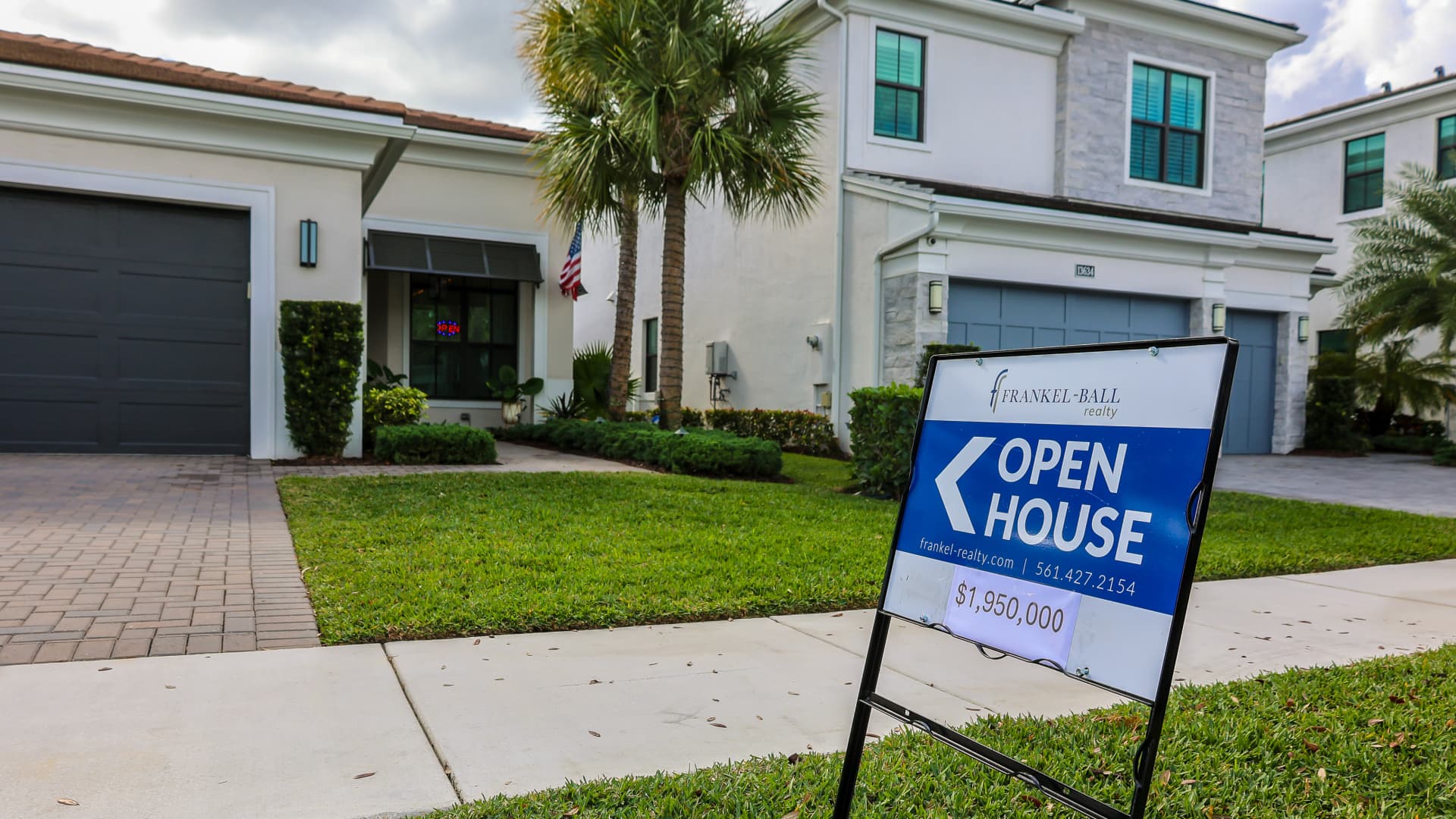
February Home Sales Show Modest Rebound Amid Challenges


- Sales Increase: Existing home sales in February rose by 1.7% from January to an annualized rate of 4.09 million units, according to the National Association of Realtors, although this reflects a 1.4% decline year-over-year, indicating ongoing market weakness.
- Wage vs. Price Growth: Chief Economist Lawrence Yun highlighted that wage growth is now outpacing home price growth by nearly four percentage points, and while mortgage rates are significantly lower than last year, actual housing demand remains muted.
- Inventory Levels: There were 1.29 million units for sale at the end of February, a 2.4% increase from January, yet this remains below the six-month supply considered balanced, reflecting a sluggish supply growth trend.
- First-Time Buyer Share: First-time buyers accounted for 34% of total sales, up from 31% a year ago, indicating an increase in market participation among new buyers despite low inventory and high prices.
See More
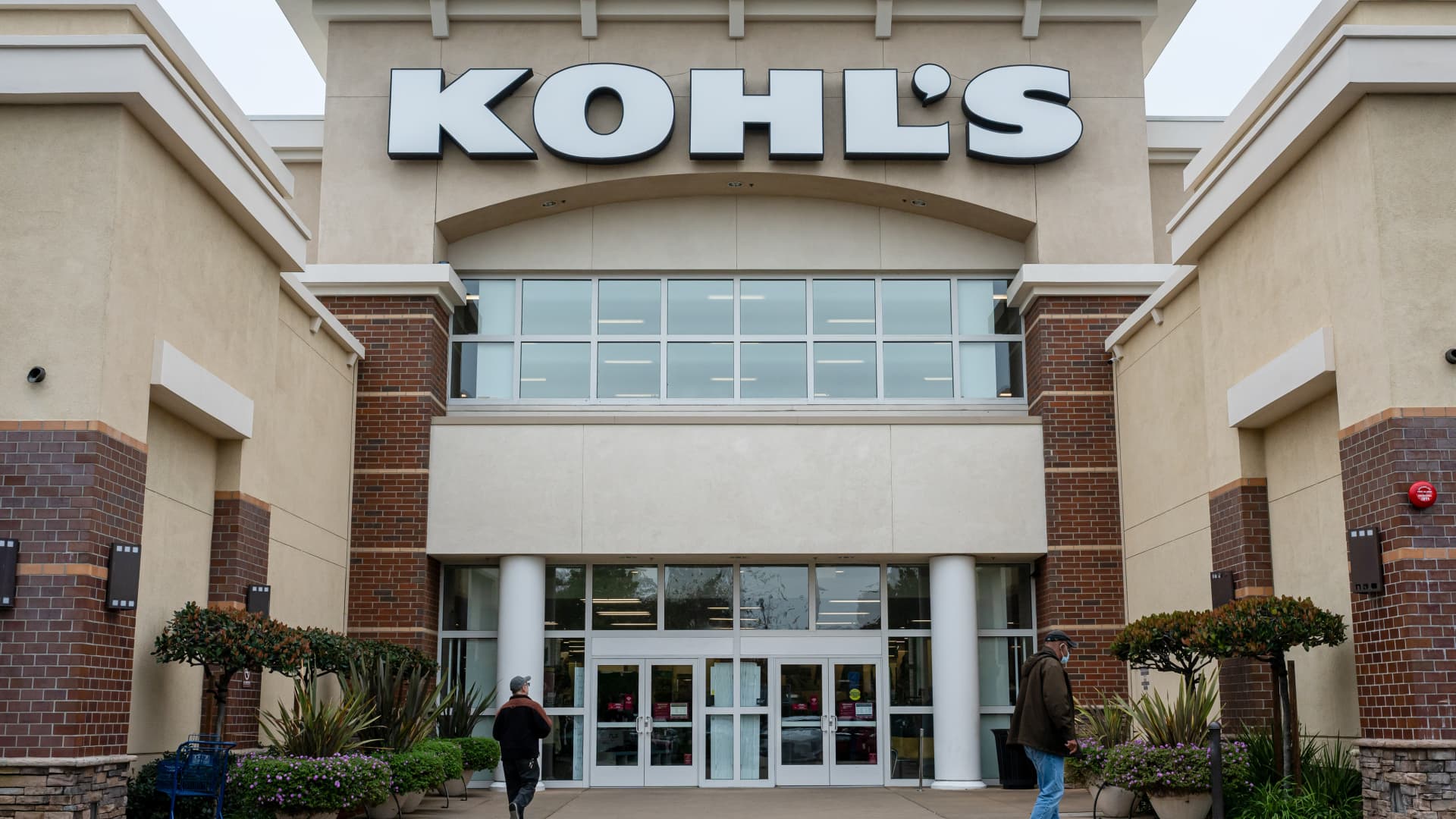
Kohl's and Oracle Earnings Preview


- Kohl's Earnings Preview: Kohl's is set to report earnings before the bell, with its stock down approximately 37% over the past three months and 41% from December highs, indicating ongoing pressure in the retail sector that may affect investor confidence.
- Oracle Earnings Outlook: Oracle will release its earnings report after the bell, having seen its stock decline over 31% in the last three months and 56% from September highs, reflecting market concerns about its data center and AI transformation that could impact future growth expectations.
- Existing Home Sales Data: Existing home sales figures will be released at 10 a.m. ET, and despite declines in companies like PulteGroup and Toll Brothers over the past month, they have shown positive year-to-date performance, with Pulte and Toll both up around 8%, indicating resilience in the housing market.
- Boeing Orders and Deliveries: Boeing will announce orders and deliveries data at 11 a.m., and while its stock has fallen 8% in the last month, it has gained over 45% in the past 12 months, showcasing long-term growth potential that investors should monitor amid short-term volatility.
See More

U.S. Housing Affordability Gradually Improves

- Increased Buying Power: According to Zillow, U.S. households with a median income of approximately $86,300 can now afford a home priced at $331,483, which is an increase of $30,302 from last year, allowing buyers to access better neighborhoods or larger homes.
- Interest Rate Impact: Although the average rate for a 30-year fixed mortgage has risen from 5.99% to 6.14%, it remains lower than last year's 6.79%, and this gradual decline still enables buyers to save about $1,000 annually, enhancing their purchasing power.
- Income Requirement Changes: The NAR's affordability index indicates that buyers need an annual income of $94,032 to afford a median-priced single-family home at $400,300, which is a decrease from last year, reflecting slight market improvement but still below actual home prices.
- Market Supply and Demand: Despite a 6% increase in available homes, a broader housing shortage persists, and more potential buyers entering the market could drive prices up, as noted by NAR's chief economist, emphasizing the need for increased housing supply to prevent further price hikes.
See More

US Stocks Plunge Amid Rising Energy Prices and Labor Market Concerns


- Market Weakness: The S&P 500 index fell by 1.33%, and the Dow Jones Industrial Average hit a 3.5-month low, reflecting investor concerns over the Middle East conflict potentially driving energy prices higher and sparking inflation risks, which dampens market confidence.
- Disappointing Employment Data: The US nonfarm payrolls unexpectedly dropped by 92,000 in February, with the unemployment rate rising to 4.4%, indicating a weakening labor market that raises doubts about economic health and may lead the Fed to adopt a more cautious approach in future policy adjustments.
- Surge in Energy Prices: WTI crude oil prices surged over 12% to a 2.5-year high as the ongoing Middle East conflict exacerbates supply concerns, which is expected to push global oil prices even higher, impacting profitability across related sectors.
- Corporate Earnings Resilience: Despite the overall market decline, 74% of S&P 500 companies reported earnings that exceeded expectations, with Q4 earnings growth projected at 8.4%, demonstrating a degree of resilience among businesses that may support future market recovery.
See More

Middle East War Triggers Market Turmoil
- Market Decline: The S&P 500 index fell by 0.95%, the Dow Jones Industrial Average by 1.00%, and the Nasdaq 100 by 0.76%, reflecting market concerns that the ongoing Middle East war could drive energy prices higher, leading to inflation.
- Weak Employment Data: U.S. nonfarm payrolls unexpectedly dropped by 92,000 in February, with the unemployment rate rising to 4.4%, indicating a deteriorating labor market and exacerbating fears of an economic slowdown.
- Surge in Energy Prices: WTI crude oil prices surged over 9% to a 2.25-year high due to the ongoing conflict in the Middle East, raising inflation expectations and diminishing investor confidence in the stock market.
- Corporate Earnings Performance: Despite the overall market weakness, 73% of S&P 500 companies exceeded earnings expectations, with Q4 earnings projected to grow by 8.4%, demonstrating resilience among some firms that may provide future market support.
See More
PulteGroup's Strategic Priorities Highlighted at Investor Conference
- Strategic Land Management: PulteGroup CFO Jim Ossowski emphasized the company's disciplined approach to land management at the 47th Annual Raymond James Institutional Investor Conference, indicating that disciplined land underwriting and prudent cash allocation are key to maximizing equity returns and maintaining a strong balance sheet.
- Market Performance Analysis: Ossowski noted that PulteGroup remains strong in Florida while facing challenges in California and Texas, suggesting that these market dynamics will influence the company's future strategic positioning and resource allocation.
- Successful Debt Financing: On February 20, PulteGroup completed an $800 million offering of senior unsecured notes, consisting of two series: $400 million at a 4.25% interest rate maturing in 2031 and another $400 million at 4.9% due in 2036, enhancing the company's financial flexibility.
- Multi-Brand Operations: As one of the largest homebuilding companies in America, PulteGroup operates multiple brands across 45 markets, including Pulte Homes and Centex, showcasing its strong market adaptability and competitive advantage among diverse buyer groups.
See More
February Home Sales Show Modest Rebound Amid Challenges
- Sales Increase: Existing home sales in February rose by 1.7% from January to an annualized rate of 4.09 million units, according to the National Association of Realtors, although this reflects a 1.4% decline year-over-year, indicating ongoing market weakness.
- Wage vs. Price Growth: Chief Economist Lawrence Yun highlighted that wage growth is now outpacing home price growth by nearly four percentage points, and while mortgage rates are significantly lower than last year, actual housing demand remains muted.
- Inventory Levels: There were 1.29 million units for sale at the end of February, a 2.4% increase from January, yet this remains below the six-month supply considered balanced, reflecting a sluggish supply growth trend.
- First-Time Buyer Share: First-time buyers accounted for 34% of total sales, up from 31% a year ago, indicating an increase in market participation among new buyers despite low inventory and high prices.
See More
Kohl's and Oracle Earnings Preview
- Kohl's Earnings Preview: Kohl's is set to report earnings before the bell, with its stock down approximately 37% over the past three months and 41% from December highs, indicating ongoing pressure in the retail sector that may affect investor confidence.
- Oracle Earnings Outlook: Oracle will release its earnings report after the bell, having seen its stock decline over 31% in the last three months and 56% from September highs, reflecting market concerns about its data center and AI transformation that could impact future growth expectations.
- Existing Home Sales Data: Existing home sales figures will be released at 10 a.m. ET, and despite declines in companies like PulteGroup and Toll Brothers over the past month, they have shown positive year-to-date performance, with Pulte and Toll both up around 8%, indicating resilience in the housing market.
- Boeing Orders and Deliveries: Boeing will announce orders and deliveries data at 11 a.m., and while its stock has fallen 8% in the last month, it has gained over 45% in the past 12 months, showcasing long-term growth potential that investors should monitor amid short-term volatility.
See More
U.S. Housing Affordability Gradually Improves
- Increased Buying Power: According to Zillow, U.S. households with a median income of approximately $86,300 can now afford a home priced at $331,483, which is an increase of $30,302 from last year, allowing buyers to access better neighborhoods or larger homes.
- Interest Rate Impact: Although the average rate for a 30-year fixed mortgage has risen from 5.99% to 6.14%, it remains lower than last year's 6.79%, and this gradual decline still enables buyers to save about $1,000 annually, enhancing their purchasing power.
- Income Requirement Changes: The NAR's affordability index indicates that buyers need an annual income of $94,032 to afford a median-priced single-family home at $400,300, which is a decrease from last year, reflecting slight market improvement but still below actual home prices.
- Market Supply and Demand: Despite a 6% increase in available homes, a broader housing shortage persists, and more potential buyers entering the market could drive prices up, as noted by NAR's chief economist, emphasizing the need for increased housing supply to prevent further price hikes.
See More
US Stocks Plunge Amid Rising Energy Prices and Labor Market Concerns
- Market Weakness: The S&P 500 index fell by 1.33%, and the Dow Jones Industrial Average hit a 3.5-month low, reflecting investor concerns over the Middle East conflict potentially driving energy prices higher and sparking inflation risks, which dampens market confidence.
- Disappointing Employment Data: The US nonfarm payrolls unexpectedly dropped by 92,000 in February, with the unemployment rate rising to 4.4%, indicating a weakening labor market that raises doubts about economic health and may lead the Fed to adopt a more cautious approach in future policy adjustments.
- Surge in Energy Prices: WTI crude oil prices surged over 12% to a 2.5-year high as the ongoing Middle East conflict exacerbates supply concerns, which is expected to push global oil prices even higher, impacting profitability across related sectors.
- Corporate Earnings Resilience: Despite the overall market decline, 74% of S&P 500 companies reported earnings that exceeded expectations, with Q4 earnings growth projected at 8.4%, demonstrating a degree of resilience among businesses that may support future market recovery.
See More
Middle East War Triggers Market Turmoil
- Market Decline: The S&P 500 index fell by 0.95%, the Dow Jones Industrial Average by 1.00%, and the Nasdaq 100 by 0.76%, reflecting market concerns that the ongoing Middle East war could drive energy prices higher, leading to inflation.
- Weak Employment Data: U.S. nonfarm payrolls unexpectedly dropped by 92,000 in February, with the unemployment rate rising to 4.4%, indicating a deteriorating labor market and exacerbating fears of an economic slowdown.
- Surge in Energy Prices: WTI crude oil prices surged over 9% to a 2.25-year high due to the ongoing conflict in the Middle East, raising inflation expectations and diminishing investor confidence in the stock market.
- Corporate Earnings Performance: Despite the overall market weakness, 73% of S&P 500 companies exceeded earnings expectations, with Q4 earnings projected to grow by 8.4%, demonstrating resilience among some firms that may provide future market support.
See More