Atlassian Cuts 10% Workforce to Fund AI Investments
Written by Emily J. Thompson, Senior Investment Analyst
Updated: Mar 11 2026
0mins

Should l Buy TEAM?
Source: Newsfilter
- Layoff Announcement: Atlassian is cutting 10% of its workforce, approximately 1,600 jobs, as part of a restructuring effort to reallocate funds towards investments in artificial intelligence and enterprise sales, reflecting the company's strategic response to competitive pressures from AI.
- Stock Price Decline: The company's stock has lost over 50% of its value this year, plummeting 84% from its peak in 2021, driven by concerns over generative AI tools, which has significantly impacted its financial health.
- Financial Implications: The layoffs are expected to incur charges between $225 million and $236 million, with the majority of the restructuring anticipated to be completed by the end of June, further affecting the company's short-term financial outlook.
- Historical Context: Atlassian thrived during the pandemic due to a surge in demand for cloud-based collaboration tools, but is now facing a rapidly changing market environment that necessitates cost-cutting measures to maintain competitiveness.
Trade with 70% Backtested Accuracy
Stop guessing "Should I Buy TEAM?" and start using high-conviction signals backed by rigorous historical data.
Sign up today to access powerful investing tools and make smarter, data-driven decisions.
Analyst Views on TEAM
Wall Street analysts forecast TEAM stock price to rise
23 Analyst Rating
19 Buy
4 Hold
0 Sell
Strong Buy
Current: 65.120

Low
185.00
Averages
235.57
High
320.00
Current: 65.120
Low
185.00
Averages
235.57
High
320.00
About TEAM
Atlassian Corporation is a provider of team collaboration and productivity software. The Company specializes in software development, work management, and enterprise service management software, which enables enterprises to connect their business and technology teams with an artificial intelligence (AI)-powered system of work. Its interconnected portfolio of apps, AI agents, and Collections, each with discrete value propositions, delivers solutions for software teams, IT operations and support teams, leadership, and business teams. Its apps, agents, and Collections are all built on the Atlassian Cloud Platform and data model: a common technology foundation that connects teams, information, and workflows throughout an organization. Its apps include Jira, Confluence, Loom, Jira Service Management, Rovo, Bitbucket, Compass, Jira Product Discovery, Jira Align, Focus and Talent. It offers team collaboration products on its Data Center deployment option. It operates the Dia and Arc browsers.
About the author

Emily J. Thompson
Emily J. Thompson, a Chartered Financial Analyst (CFA) with 12 years in investment research, graduated with honors from the Wharton School. Specializing in industrial and technology stocks, she provides in-depth analysis for Intellectia’s earnings and market brief reports.

Mixed Close for US Stocks as Nasdaq Hits 7.75-Month Low Amid Middle East Tensions


- Divergent Market Performance: On Monday, the S&P 500 index fell by 0.39%, while the Nasdaq 100 hit a 7.75-month low, indicating market concerns over the Middle East situation, particularly exacerbated by a sell-off in chip stocks, which negatively impacted investor confidence.
- Declining Bond Yields: The 10-year T-note yield dropped by 8 basis points to 4.34%, reflecting market fears that the ongoing war in the Middle East could lead to fuel shortages, potentially suppressing expectations for Fed rate hikes and highlighting economic growth uncertainties.
- Rising Crude Oil Prices: Crude oil prices surged over 3% to a three-week high due to Iranian attacks on the Strait of Hormuz, indicating severe threats to global energy supply chains, which could lead to soaring prices in the future and impact the global economy.
- Weak Manufacturing Activity: The Dallas Fed manufacturing activity survey fell to -0.2, below the expected 2.0, reflecting signs of economic slowdown that could influence corporate investment decisions and future economic growth.
See More

US Stock Market Declines Amid Rising Oil Prices

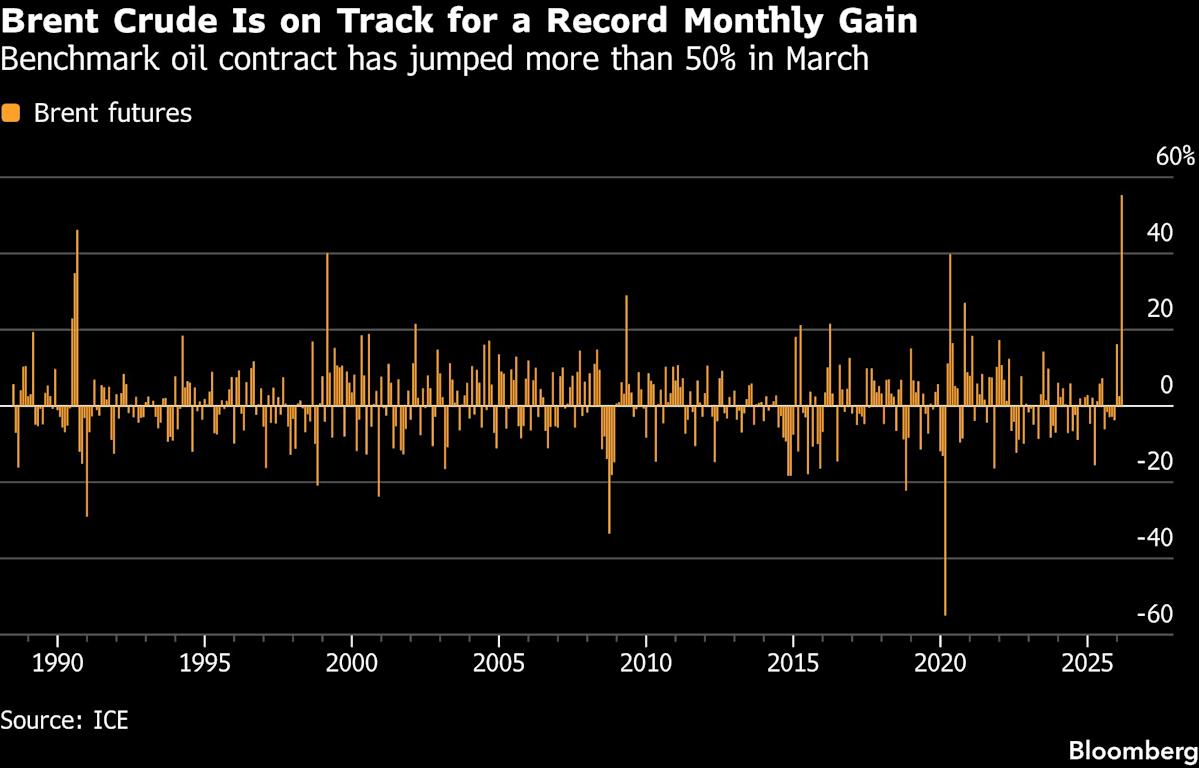
- Oil Price Surge Impacts Markets: The S&P 500 Index fell by 0.75%, the Dow Jones Industrial Average by 0.21%, and the Nasdaq 100 by 1.18% as the market reacts to the first oil settlement exceeding $100 since 2022, highlighting concerns over rising energy costs amid ongoing supply chain risks.
- Uncertain Fed Policy Outlook: Federal Reserve Chair Jerome Powell noted that while the central bank is monitoring the surge in energy prices, its tools to address supply-side shocks are limited, with markets pricing in only a 3% chance of a 25 bp rate hike at the April meeting, indicating investor uncertainty about future monetary policy.
- Escalating Middle East Tensions: US and Israeli forces continue military operations in Iran, with the Pentagon preparing for weeks of ground operations as approximately 3,500 sailors and Marines arrive in the region, potentially exacerbating global energy supply issues.
- Positive Bond Market Reaction: The 10-year Treasury yield fell to 4.330% as speculation grows that the ongoing conflict in the Middle East may lead to fuel shortages, offsetting inflation fears and supporting Treasury prices amid declining inflation expectations.
See More

Mixed U.S. Stock Indices Amid Rising Oil Prices
- Mixed Stock Performance: The S&P 500 Index fell by 0.29%, while the Dow Jones Industrial Average rose by 0.26%, and the Nasdaq 100 Index decreased by 0.67%, indicating a complex market reaction to Federal Reserve policies and international tensions.
- Rising Oil Prices: Crude oil prices surged over 2% to a three-week high due to disruptions in oil and gas flows through the Strait of Hormuz caused by the Iran conflict, which could negatively impact global economic growth.
- Weak Manufacturing Activity: The Dallas Fed manufacturing activity index dropped from -0.4 to -0.2, falling short of the expected increase to 2.0, suggesting challenges in economic recovery that may influence future policy decisions.
- Escalating International Tensions: U.S. and Israeli military actions against Iran have intensified, with 3,500 sailors and Marines deployed to the Middle East, potentially leading to further volatility in energy markets and impacting global supply chains.
See More

US Stocks Rise as Oil Prices Hit Three-Week High
- Market Gains: The S&P 500 Index rose by 0.58%, the Dow Jones Industrial Average increased by 0.91%, and the Nasdaq 100 Index climbed by 0.30%, reflecting a positive market sentiment amid expectations that the Fed may keep interest rates unchanged.
- Declining Bond Yields: The 10-year Treasury note yield fell by 10 basis points to 4.33%, driven by concerns that the ongoing war in the Middle East could lead to a fuel shortage, potentially hindering global economic growth and influencing the Fed's future rate decisions.
- Rising Oil Prices: Crude oil prices surged over 2% to a three-week high due to Iranian attacks on shipping, raising fears that the closure of the Strait of Hormuz could disrupt global oil and gas supplies, which may lead to significant price increases.
- Manufacturing Activity Decline: The Dallas Fed's manufacturing activity survey dropped by 0.4 to -0.2, falling short of the expected increase to 2.0, indicating signs of economic slowdown that could impact future investment decisions.
See More

Middle East Tensions Impact Global Markets


- Market Recovery: The S&P 500 Index rose by 0.42%, the Dow Jones Industrial Average increased by 0.64%, and the Nasdaq 100 Index gained 0.32%, indicating a short-term market rebound amid escalating tensions in the Middle East, as investor confidence in future economic growth shows signs of recovery.
- Declining Bond Yields: The 10-year T-note yield fell by 8 basis points to 4.35%, reflecting market concerns that the ongoing war in the Middle East may lead to fuel shortages, thereby suppressing inflation expectations and potentially keeping the Fed from raising interest rates in upcoming meetings.
- Rising Oil Prices: Crude oil prices surged over 1% to a three-week high due to Iranian attacks on shipping, with fears that the closure of the Strait of Hormuz could disrupt global oil supplies, potentially driving prices to exceed the 2008 record high.
- Energy Infrastructure Damage: The International Energy Agency reported that more than 40 energy sites across nine Middle Eastern countries have been severely damaged, which could prolong disruptions to global supply chains after the war ends, further impacting international market stability.
See More

Software Stocks Plummet, Investment Opportunities Arise


- Software Stock Decline: Major software players like Microsoft and Oracle, along with the ETF tracking SaaS stocks, have seen declines of about 27%, indicating a severe loss of market confidence, particularly highlighted by Atlassian and Workday's staggering drops of 60% and 42.2% in the past three months.
- Market Pressure Intensifies: The launch of new AI tools and concerns over overheated tech valuations have hammered software stocks, with Microsoft experiencing a 26% drop, marking its worst quarterly performance since the 2008 financial crisis, reflecting a significant erosion of investor confidence in tech stocks.
- Investor Focus on Opportunities: Despite the overall market downturn, analysts believe that ServiceNow could see a nearly 90% upside, making it the most attractive stock among SaaS companies, indicating that potential investment opportunities still exist in a struggling market.
- Adobe's Low Valuation: Adobe boasts the lowest forward P/E ratio in the software group at below 10, the lowest since October 2011, and with its CEO stepping down, the company may attract renewed investor interest as it seeks a new strategic direction.
See More
Mixed Close for US Stocks as Nasdaq Hits 7.75-Month Low Amid Middle East Tensions
- Divergent Market Performance: On Monday, the S&P 500 index fell by 0.39%, while the Nasdaq 100 hit a 7.75-month low, indicating market concerns over the Middle East situation, particularly exacerbated by a sell-off in chip stocks, which negatively impacted investor confidence.
- Declining Bond Yields: The 10-year T-note yield dropped by 8 basis points to 4.34%, reflecting market fears that the ongoing war in the Middle East could lead to fuel shortages, potentially suppressing expectations for Fed rate hikes and highlighting economic growth uncertainties.
- Rising Crude Oil Prices: Crude oil prices surged over 3% to a three-week high due to Iranian attacks on the Strait of Hormuz, indicating severe threats to global energy supply chains, which could lead to soaring prices in the future and impact the global economy.
- Weak Manufacturing Activity: The Dallas Fed manufacturing activity survey fell to -0.2, below the expected 2.0, reflecting signs of economic slowdown that could influence corporate investment decisions and future economic growth.
See More
US Stock Market Declines Amid Rising Oil Prices
- Oil Price Surge Impacts Markets: The S&P 500 Index fell by 0.75%, the Dow Jones Industrial Average by 0.21%, and the Nasdaq 100 by 1.18% as the market reacts to the first oil settlement exceeding $100 since 2022, highlighting concerns over rising energy costs amid ongoing supply chain risks.
- Uncertain Fed Policy Outlook: Federal Reserve Chair Jerome Powell noted that while the central bank is monitoring the surge in energy prices, its tools to address supply-side shocks are limited, with markets pricing in only a 3% chance of a 25 bp rate hike at the April meeting, indicating investor uncertainty about future monetary policy.
- Escalating Middle East Tensions: US and Israeli forces continue military operations in Iran, with the Pentagon preparing for weeks of ground operations as approximately 3,500 sailors and Marines arrive in the region, potentially exacerbating global energy supply issues.
- Positive Bond Market Reaction: The 10-year Treasury yield fell to 4.330% as speculation grows that the ongoing conflict in the Middle East may lead to fuel shortages, offsetting inflation fears and supporting Treasury prices amid declining inflation expectations.
See More
Mixed U.S. Stock Indices Amid Rising Oil Prices
- Mixed Stock Performance: The S&P 500 Index fell by 0.29%, while the Dow Jones Industrial Average rose by 0.26%, and the Nasdaq 100 Index decreased by 0.67%, indicating a complex market reaction to Federal Reserve policies and international tensions.
- Rising Oil Prices: Crude oil prices surged over 2% to a three-week high due to disruptions in oil and gas flows through the Strait of Hormuz caused by the Iran conflict, which could negatively impact global economic growth.
- Weak Manufacturing Activity: The Dallas Fed manufacturing activity index dropped from -0.4 to -0.2, falling short of the expected increase to 2.0, suggesting challenges in economic recovery that may influence future policy decisions.
- Escalating International Tensions: U.S. and Israeli military actions against Iran have intensified, with 3,500 sailors and Marines deployed to the Middle East, potentially leading to further volatility in energy markets and impacting global supply chains.
See More
US Stocks Rise as Oil Prices Hit Three-Week High
- Market Gains: The S&P 500 Index rose by 0.58%, the Dow Jones Industrial Average increased by 0.91%, and the Nasdaq 100 Index climbed by 0.30%, reflecting a positive market sentiment amid expectations that the Fed may keep interest rates unchanged.
- Declining Bond Yields: The 10-year Treasury note yield fell by 10 basis points to 4.33%, driven by concerns that the ongoing war in the Middle East could lead to a fuel shortage, potentially hindering global economic growth and influencing the Fed's future rate decisions.
- Rising Oil Prices: Crude oil prices surged over 2% to a three-week high due to Iranian attacks on shipping, raising fears that the closure of the Strait of Hormuz could disrupt global oil and gas supplies, which may lead to significant price increases.
- Manufacturing Activity Decline: The Dallas Fed's manufacturing activity survey dropped by 0.4 to -0.2, falling short of the expected increase to 2.0, indicating signs of economic slowdown that could impact future investment decisions.
See More
Middle East Tensions Impact Global Markets
- Market Recovery: The S&P 500 Index rose by 0.42%, the Dow Jones Industrial Average increased by 0.64%, and the Nasdaq 100 Index gained 0.32%, indicating a short-term market rebound amid escalating tensions in the Middle East, as investor confidence in future economic growth shows signs of recovery.
- Declining Bond Yields: The 10-year T-note yield fell by 8 basis points to 4.35%, reflecting market concerns that the ongoing war in the Middle East may lead to fuel shortages, thereby suppressing inflation expectations and potentially keeping the Fed from raising interest rates in upcoming meetings.
- Rising Oil Prices: Crude oil prices surged over 1% to a three-week high due to Iranian attacks on shipping, with fears that the closure of the Strait of Hormuz could disrupt global oil supplies, potentially driving prices to exceed the 2008 record high.
- Energy Infrastructure Damage: The International Energy Agency reported that more than 40 energy sites across nine Middle Eastern countries have been severely damaged, which could prolong disruptions to global supply chains after the war ends, further impacting international market stability.
See More
Software Stocks Plummet, Investment Opportunities Arise
- Software Stock Decline: Major software players like Microsoft and Oracle, along with the ETF tracking SaaS stocks, have seen declines of about 27%, indicating a severe loss of market confidence, particularly highlighted by Atlassian and Workday's staggering drops of 60% and 42.2% in the past three months.
- Market Pressure Intensifies: The launch of new AI tools and concerns over overheated tech valuations have hammered software stocks, with Microsoft experiencing a 26% drop, marking its worst quarterly performance since the 2008 financial crisis, reflecting a significant erosion of investor confidence in tech stocks.
- Investor Focus on Opportunities: Despite the overall market downturn, analysts believe that ServiceNow could see a nearly 90% upside, making it the most attractive stock among SaaS companies, indicating that potential investment opportunities still exist in a struggling market.
- Adobe's Low Valuation: Adobe boasts the lowest forward P/E ratio in the software group at below 10, the lowest since October 2011, and with its CEO stepping down, the company may attract renewed investor interest as it seeks a new strategic direction.
See More