

Apple Partners with Intel for U.S. Chip Production
Written by Emily J. Thompson, Senior Investment Analyst
Updated: 1 day ago
0mins

Source: Yahoo Finance
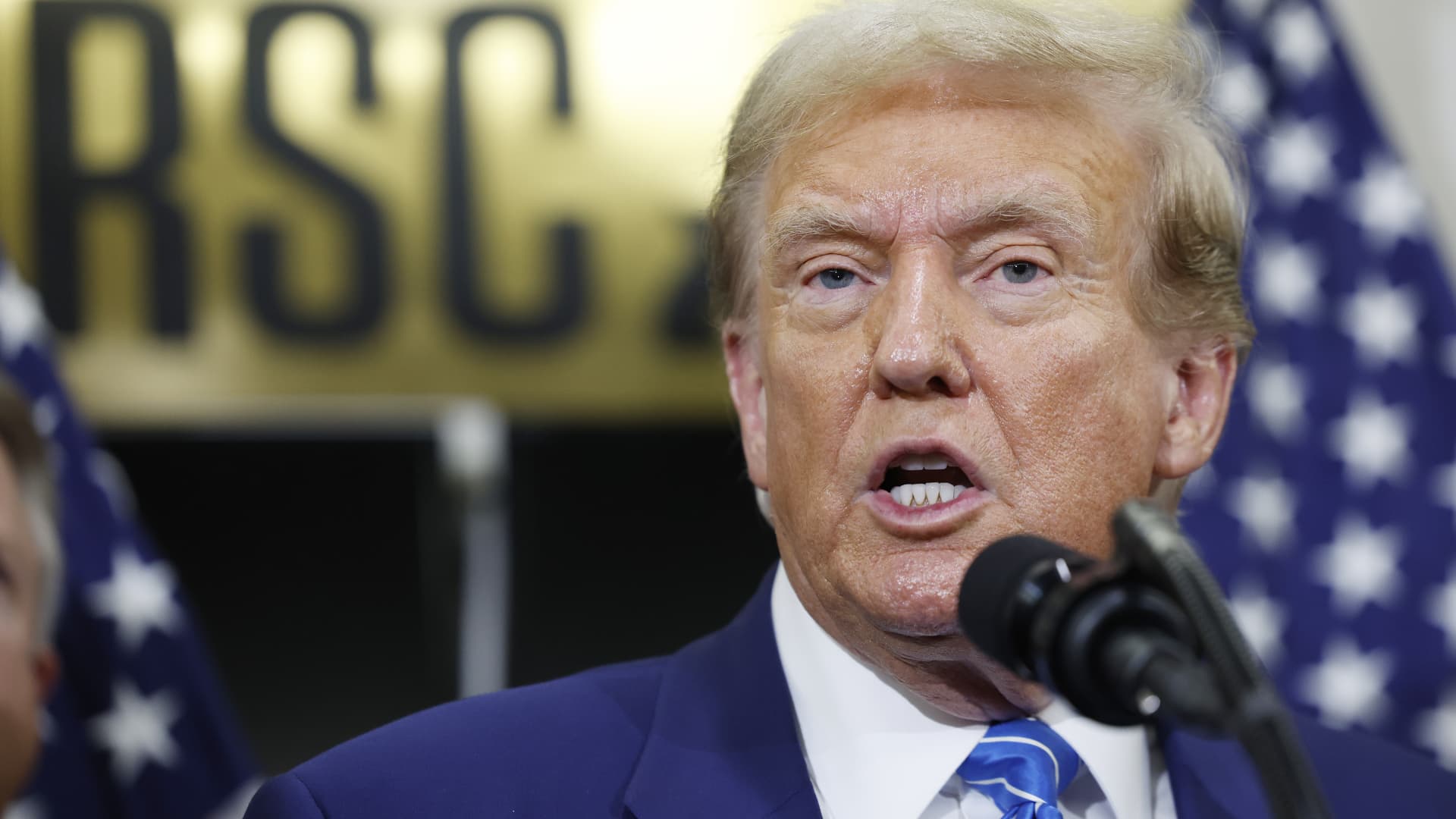
- Deal Announcement: President Trump revealed on social media that Apple has reached a preliminary agreement with Intel to collaboratively design and manufacture chips, marking a significant milestone after over a year of discussions.
- Manufacturing Diversification: This partnership will aid Apple in diversifying its manufacturing base, reducing reliance on TSMC, whose advanced production lines are in high demand from AI chipmakers like Nvidia and AMD.
- Increased Chip Capacity: By collaborating with Intel, Apple is expected to enhance its chip capacity to meet the growing market demand, particularly in the AI and high-performance computing sectors.
- Strengthened Market Position: This move not only bolsters Apple's competitiveness in chip manufacturing but also potentially provides stronger technical support for future product innovations, further solidifying its market position.
Trade with 70% Backtested Accuracy
Stop guessing "Should I Buy AAPL?" and start using high-conviction signals backed by rigorous historical data.
Sign up today to access powerful investing tools and make smarter, data-driven decisions.
Analyst Views on AAPL
Wall Street analysts forecast AAPL stock price to rise
27 Analyst Rating
17 Buy
9 Hold
1 Sell
Moderate Buy
Current: 295.950

Low
239.00
Averages
306.89
High
350.00
Current: 295.950
Low
239.00
Averages
306.89
High
350.00
About AAPL
Apple Inc. designs, manufactures and markets smartphones, personal computers, tablets, wearables and accessories, and sells a variety of related services. Its product categories include iPhone, Mac, iPad, Wearables, Home and Accessories. Its services include advertising, AppleCare, cloud services, digital content, and payment services. The Company operates various platforms, including the App Store, that allow customers to discover and download applications and digital content, such as books, music, video, games and podcasts. It also offers digital content through subscription-based services, including Apple Arcade, Apple Fitness+, Apple Music, Apple News+, and Apple TV+. Its wearables include smartwatches, wireless headphones, and spatial computers. Its products include iPhone 16 Pro, iPhone 16, iPhone 15, iPhone 14, iPhone SE, MacBook Air, MacBook Pro, iMac, Mac mini, Mac Studio, Mac Pro, iPad Pro, iPad Air, AirPods, AirPods Pro, AirPods Max, Apple TV, Apple Vision Pro and others.
About the author

Emily J. Thompson
Emily J. Thompson, a Chartered Financial Analyst (CFA) with 12 years in investment research, graduated with honors from the Wharton School. Specializing in industrial and technology stocks, she provides in-depth analysis for Intellectia’s earnings and market brief reports.
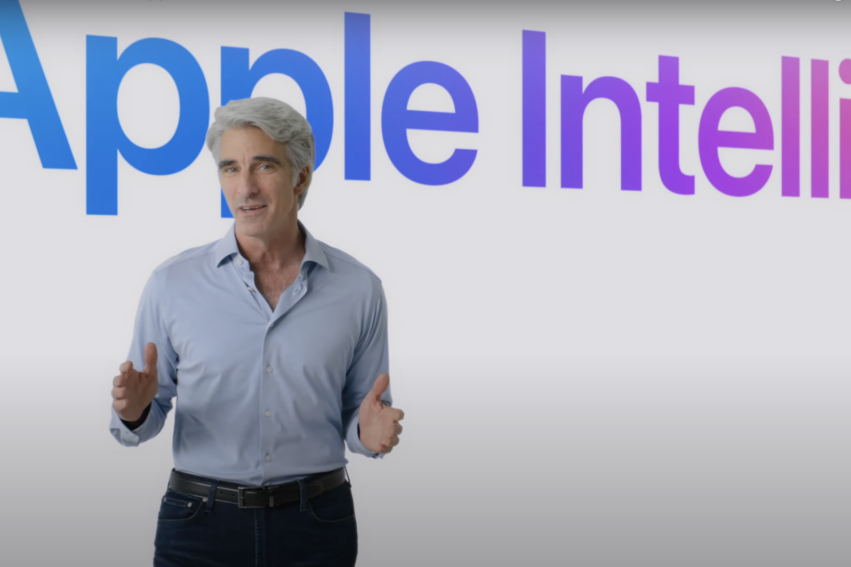
Apple's AI Features Boost Device Popularity

- AI Feature Enhancement: Apple unveiled a more powerful Siri AI at its latest Worldwide Developers Conference, enhancing user experience by enabling quicker access to information, which could further drive product demand and strengthen its high-margin services ecosystem.
- New Foldable iPhone: Rumors suggest that Apple may launch a brand-new foldable iPhone later this year, which, if true, would directly compete with other successful foldable devices in the market, potentially helping Apple gain greater market share in the smartphone sector.
- Shareholder Return Program: Although Apple's dividend yield is only 0.4%, it has increased its dividends by 89.5% over the past decade, while generating $129.17 billion in free cash flow over the trailing 12 months, showcasing its strong capital return capabilities.
- Long-Term Investment Value: Despite facing antitrust lawsuits and tariff challenges, Apple continues to demonstrate robust market performance, and with its innovative capabilities and a user base of over two billion devices, it is expected to keep attracting new customers and driving profit growth.
See More
Apple Watch Older Models Excluded from watchOS 27 Update
- Device Support Reduction: Apple has announced that several older Apple Watch models, including Series 6, 7, 8, and the second-generation Apple Watch SE, will not receive the watchOS 27 update, which may impact user experience despite continued security updates.
- Performance Considerations: Marketing manager Cait Dooley explained that new features in watchOS 27, such as Siri AI enhancements and a new tap gesture, require stronger processing capabilities, limiting support to Series 9 and newer models, reflecting Apple's stringent performance standards.
- Smart Assistant Optimization: One of the main goals of watchOS 27 is to enhance the Apple Watch's role as a companion to Apple Intelligence, aiming for a more powerful and consistent Siri experience, which will further increase user reliance on the Apple ecosystem.
- Update Release Schedule: Currently, watchOS 27 is available as a developer beta, with a public beta set to roll out in July and a general release planned for this fall, introducing new features like Siri AI and Workout Buddy to enhance user intelligence and usability experience.
See More
ASML Faces New U.S. Scrutiny Over EUV Machine Concerns

- U.S. Scrutiny Intensifies: U.S. Commerce Secretary Howard Lutnick raised concerns in meetings with ASML executives about a top EUV chipmaking machine potentially diverted to China, which has sparked market attention and could impact ASML's stock performance.
- Export Restrictions Context: EUV machines are critical for producing advanced chips, and ASML has never been permitted to ship such systems to China under U.S.-led export restrictions, highlighting its significance in the global semiconductor supply chain.
- ASML's Strong Denial: ASML firmly denied shipping any EUV machines or components designed for EUV systems to China, emphasizing that its equipment weighs about 180 tons, is roughly the size of a school bus, and is produced in limited quantities requiring ongoing service support.
- Market Sentiment Impact: Given ASML's central role in the AI chip supply chain, any export control disputes could negatively affect sentiment around semiconductor equipment stocks, further exacerbating investor unease.
See More

Federal Reserve Policy Impacts Market Performance


- Fed Policy Impact: Fed Chairman Kevin Warsh indicated a potential interest rate hike to combat stubborn inflation, leading to a 1.2% drop in the S&P 500 on the first 'Fed day', reflecting investor anxiety over monetary policy.
- Market Recovery: Despite the sell-off, the S&P 500 rose 0.9% over a shortened four-session trading week, marking its 11th weekly gain in the past 12 weeks, demonstrating market resilience and a recovery in investor confidence.
- Chip Stocks Surge: Intel's stock jumped 10.6% on Thursday after Trump announced a partnership with Apple, bringing its weekly gain to 7.6%, while Nvidia and Broadcom also saw increases of 2.9% and 4.7%, highlighting the strength of the semiconductor sector.
- Oil Price Decline Impact: The signing of a ceasefire agreement between the U.S. and Iran led to a nearly 10% drop in crude oil prices this week, benefiting consumer banks like Capital One, which saw its stock rise, reflecting positive market sentiment towards lower oil prices.
See More

SpaceX Becomes World's Fifth Most Valuable Company Post-IPO


- Strong IPO Performance: SpaceX's market cap surged nearly 35% from its June 12 IPO to June 16, reaching $2.73 trillion and surpassing Amazon and TSMC, indicating robust market demand and investor confidence.
- Market Competition Analysis: Despite nearing a $3 trillion valuation, SpaceX still lags behind Nvidia ($5.05 trillion), Alphabet ($4.54 trillion), Apple ($4.38 trillion), and Microsoft ($2.92 trillion), highlighting significant challenges for future growth amid high valuations.
- Investor Sentiment Volatility: While SpaceX's IPO was impressive, analysts caution that historically, most large IPOs experience pullbacks in the months following their debut, urging investors to be cautious and avoid FOMO-driven decisions.
- Cautious Long-Term Outlook: Although SpaceX shows notable advancements in aerospace and AI, analysts recommend a dollar-cost averaging strategy to mitigate potential market volatility, emphasizing the importance of reassessing investment value after the current hype subsides.
See More

SpaceX Approaches $3 Trillion Market Cap, But Concerns Loom
- Weak Revenue Growth: SpaceX generated under $19 billion in revenue last year, with only a 15% increase in the first quarter, starkly contrasting its nearly $3 trillion market cap and raising doubts about its business model sustainability.
- Unrealistic Optimism: Elon Musk's prediction of reaching $1 trillion in revenue by 2030 seems highly unlikely given the technical hurdles and heavy capital expenditures involved, reflecting market concerns about the company's future.
- Strong Competitors: In contrast to SpaceX, Nvidia dominates the AI infrastructure sector, reporting $81.6 billion in revenue with an 85% growth in the first quarter, showcasing a mature and stable business model.
- Amazon's Market Leadership: Amazon generated $717 billion in revenue last year and is projected to reach $1 trillion by 2028, demonstrating its strong competitive position in e-commerce and cloud computing, far exceeding SpaceX's projections.
See More
Apple's AI Features Boost Device Popularity
- AI Feature Enhancement: Apple unveiled a more powerful Siri AI at its latest Worldwide Developers Conference, enhancing user experience by enabling quicker access to information, which could further drive product demand and strengthen its high-margin services ecosystem.
- New Foldable iPhone: Rumors suggest that Apple may launch a brand-new foldable iPhone later this year, which, if true, would directly compete with other successful foldable devices in the market, potentially helping Apple gain greater market share in the smartphone sector.
- Shareholder Return Program: Although Apple's dividend yield is only 0.4%, it has increased its dividends by 89.5% over the past decade, while generating $129.17 billion in free cash flow over the trailing 12 months, showcasing its strong capital return capabilities.
- Long-Term Investment Value: Despite facing antitrust lawsuits and tariff challenges, Apple continues to demonstrate robust market performance, and with its innovative capabilities and a user base of over two billion devices, it is expected to keep attracting new customers and driving profit growth.
See More
Apple Watch Older Models Excluded from watchOS 27 Update
- Device Support Reduction: Apple has announced that several older Apple Watch models, including Series 6, 7, 8, and the second-generation Apple Watch SE, will not receive the watchOS 27 update, which may impact user experience despite continued security updates.
- Performance Considerations: Marketing manager Cait Dooley explained that new features in watchOS 27, such as Siri AI enhancements and a new tap gesture, require stronger processing capabilities, limiting support to Series 9 and newer models, reflecting Apple's stringent performance standards.
- Smart Assistant Optimization: One of the main goals of watchOS 27 is to enhance the Apple Watch's role as a companion to Apple Intelligence, aiming for a more powerful and consistent Siri experience, which will further increase user reliance on the Apple ecosystem.
- Update Release Schedule: Currently, watchOS 27 is available as a developer beta, with a public beta set to roll out in July and a general release planned for this fall, introducing new features like Siri AI and Workout Buddy to enhance user intelligence and usability experience.
See More
ASML Faces New U.S. Scrutiny Over EUV Machine Concerns
- U.S. Scrutiny Intensifies: U.S. Commerce Secretary Howard Lutnick raised concerns in meetings with ASML executives about a top EUV chipmaking machine potentially diverted to China, which has sparked market attention and could impact ASML's stock performance.
- Export Restrictions Context: EUV machines are critical for producing advanced chips, and ASML has never been permitted to ship such systems to China under U.S.-led export restrictions, highlighting its significance in the global semiconductor supply chain.
- ASML's Strong Denial: ASML firmly denied shipping any EUV machines or components designed for EUV systems to China, emphasizing that its equipment weighs about 180 tons, is roughly the size of a school bus, and is produced in limited quantities requiring ongoing service support.
- Market Sentiment Impact: Given ASML's central role in the AI chip supply chain, any export control disputes could negatively affect sentiment around semiconductor equipment stocks, further exacerbating investor unease.
See More
Federal Reserve Policy Impacts Market Performance
- Fed Policy Impact: Fed Chairman Kevin Warsh indicated a potential interest rate hike to combat stubborn inflation, leading to a 1.2% drop in the S&P 500 on the first 'Fed day', reflecting investor anxiety over monetary policy.
- Market Recovery: Despite the sell-off, the S&P 500 rose 0.9% over a shortened four-session trading week, marking its 11th weekly gain in the past 12 weeks, demonstrating market resilience and a recovery in investor confidence.
- Chip Stocks Surge: Intel's stock jumped 10.6% on Thursday after Trump announced a partnership with Apple, bringing its weekly gain to 7.6%, while Nvidia and Broadcom also saw increases of 2.9% and 4.7%, highlighting the strength of the semiconductor sector.
- Oil Price Decline Impact: The signing of a ceasefire agreement between the U.S. and Iran led to a nearly 10% drop in crude oil prices this week, benefiting consumer banks like Capital One, which saw its stock rise, reflecting positive market sentiment towards lower oil prices.
See More
SpaceX Becomes World's Fifth Most Valuable Company Post-IPO
- Strong IPO Performance: SpaceX's market cap surged nearly 35% from its June 12 IPO to June 16, reaching $2.73 trillion and surpassing Amazon and TSMC, indicating robust market demand and investor confidence.
- Market Competition Analysis: Despite nearing a $3 trillion valuation, SpaceX still lags behind Nvidia ($5.05 trillion), Alphabet ($4.54 trillion), Apple ($4.38 trillion), and Microsoft ($2.92 trillion), highlighting significant challenges for future growth amid high valuations.
- Investor Sentiment Volatility: While SpaceX's IPO was impressive, analysts caution that historically, most large IPOs experience pullbacks in the months following their debut, urging investors to be cautious and avoid FOMO-driven decisions.
- Cautious Long-Term Outlook: Although SpaceX shows notable advancements in aerospace and AI, analysts recommend a dollar-cost averaging strategy to mitigate potential market volatility, emphasizing the importance of reassessing investment value after the current hype subsides.
See More
SpaceX Approaches $3 Trillion Market Cap, But Concerns Loom
- Weak Revenue Growth: SpaceX generated under $19 billion in revenue last year, with only a 15% increase in the first quarter, starkly contrasting its nearly $3 trillion market cap and raising doubts about its business model sustainability.
- Unrealistic Optimism: Elon Musk's prediction of reaching $1 trillion in revenue by 2030 seems highly unlikely given the technical hurdles and heavy capital expenditures involved, reflecting market concerns about the company's future.
- Strong Competitors: In contrast to SpaceX, Nvidia dominates the AI infrastructure sector, reporting $81.6 billion in revenue with an 85% growth in the first quarter, showcasing a mature and stable business model.
- Amazon's Market Leadership: Amazon generated $717 billion in revenue last year and is projected to reach $1 trillion by 2028, demonstrating its strong competitive position in e-commerce and cloud computing, far exceeding SpaceX's projections.
See More




