Analysis of Stability in the U.S. Labor Market for 2026


- Labor Market Stability: The U.S. labor market in 2026 is characterized as 'stable,' with a low hiring rate that remains acceptable amid economic expansion, indicating resilience despite ongoing uncertainties.
- Payroll Growth Expectations: Economists forecast a payroll increase of 50,000 for February, with the unemployment rate expected to hold steady at 4.3%, suggesting that while the market isn't booming, it maintains sufficient stability to support employment levels.
- Uneven Sector Growth: Most job growth in 2025 was concentrated in healthcare, adding 82,000 jobs, and social assistance, which contributed 42,000 jobs, highlighting an imbalance that could affect overall economic stability.
- External Pressure Factors: The rapid advancement of artificial intelligence is pressuring the tech sector, exemplified by Block's announcement of a 40% payroll cut, which may negatively impact the overall labor market, particularly in technology-related fields.
Trade with 70% Backtested Accuracy
Analyst Views on XYZ

About XYZ
About the author

Loop Capital Initiates Buy Rating on Block with $75 Target

- Coverage Initiation: Loop Capital initiated coverage of Block Inc. on Tuesday with a Buy rating and a $75 price target, indicating confidence in the company's position in point-of-sale tools despite the near-term volatility from a 40% workforce reduction.
- Profit Growth Outlook: Loop expects Block to maintain above-industry gross profit growth despite the layoffs, reflecting optimism about the company's ability to resume growth in monthly active users, which is crucial for its long-term success.
- Market Sentiment Shift: Block's stock rose 2% in early trading, and retail sentiment on Stocktwits remained neutral, although chatter levels increased from extremely low to low, indicating growing interest in the stock among retail investors.
- Payments Sector Outlook: Loop Capital holds a positive view on the payments sector overall, warning of high volatility, but anticipates potential new growth opportunities in the second half of 2026 and into 2027 if investor confidence in revenue and earnings stability is restored.
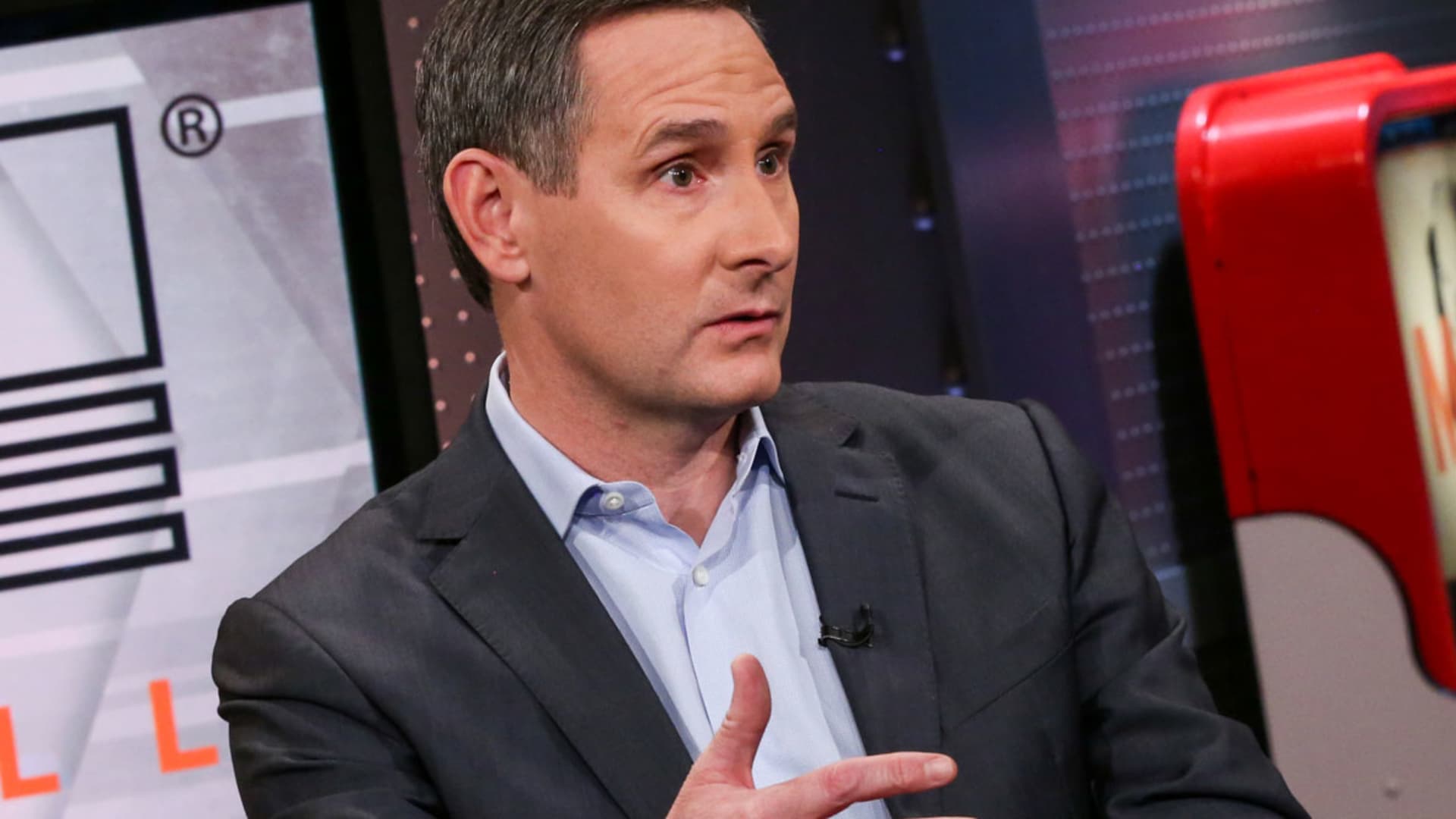
Market Dynamics and Company Outlook


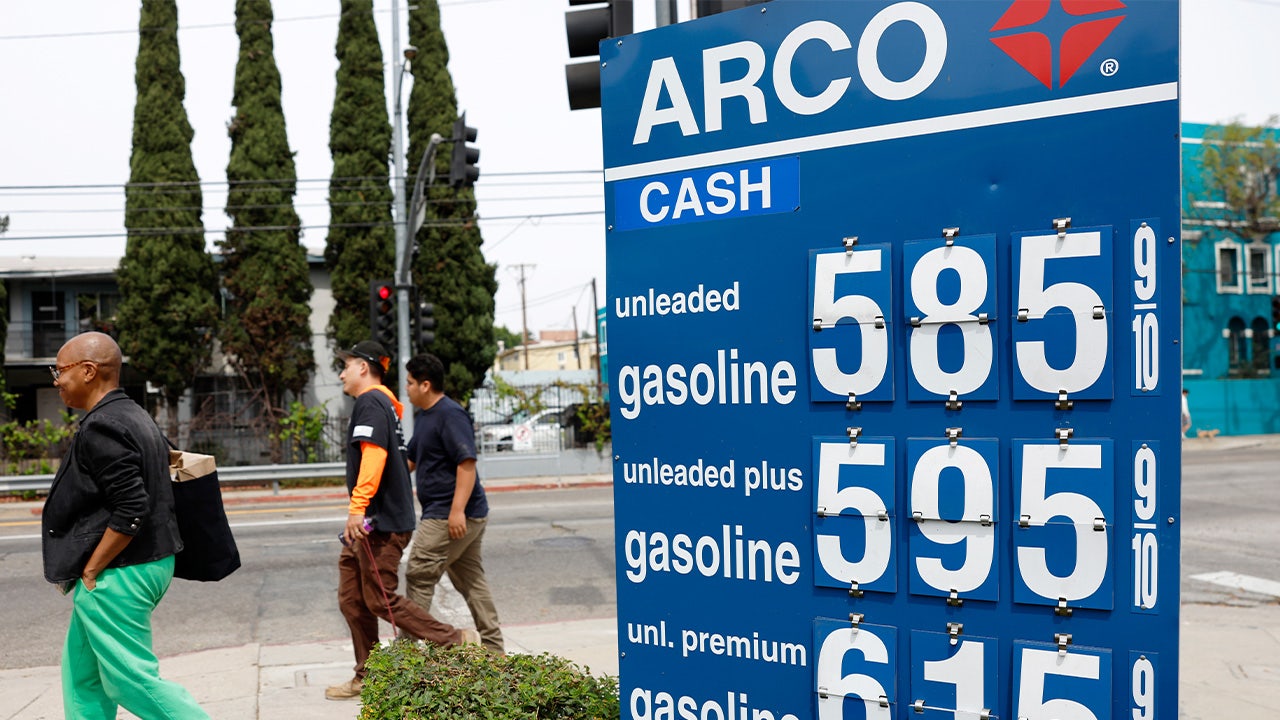
- Oil Price Fluctuations: Brent crude oil prices surged by 4%, surpassing $117 per barrel, leading U.S. gas prices to exceed $4 per gallon; while the S&P 500 is expected to open higher, the market faces cost pressures from rising oil prices, potentially impacting overall economic recovery.
- Marvell and Nvidia Partnership: Marvell shares surged nearly 10% after announcing a strategic partnership with Nvidia, which will invest $2 billion to enhance the connectivity of Marvell's custom processors with Nvidia's networking technology, thereby strengthening Marvell's competitive position in the AI chip market.
- McCormick Acquires Unilever's Food Business: McCormick announced a $45 billion deal to acquire Unilever's food business, which will significantly expand its market share in spices and condiments, despite reporting only 1.2% organic sales growth in the last quarter, enhancing brand influence.
- Wells Fargo Downgrades Ford: Wells Fargo cut its price target for Ford from $11 to $10 and reiterated a sell rating, with analysts concerned that the fallout from the Iran war will increase raw material and freight costs, potentially impacting the profitability of automakers.
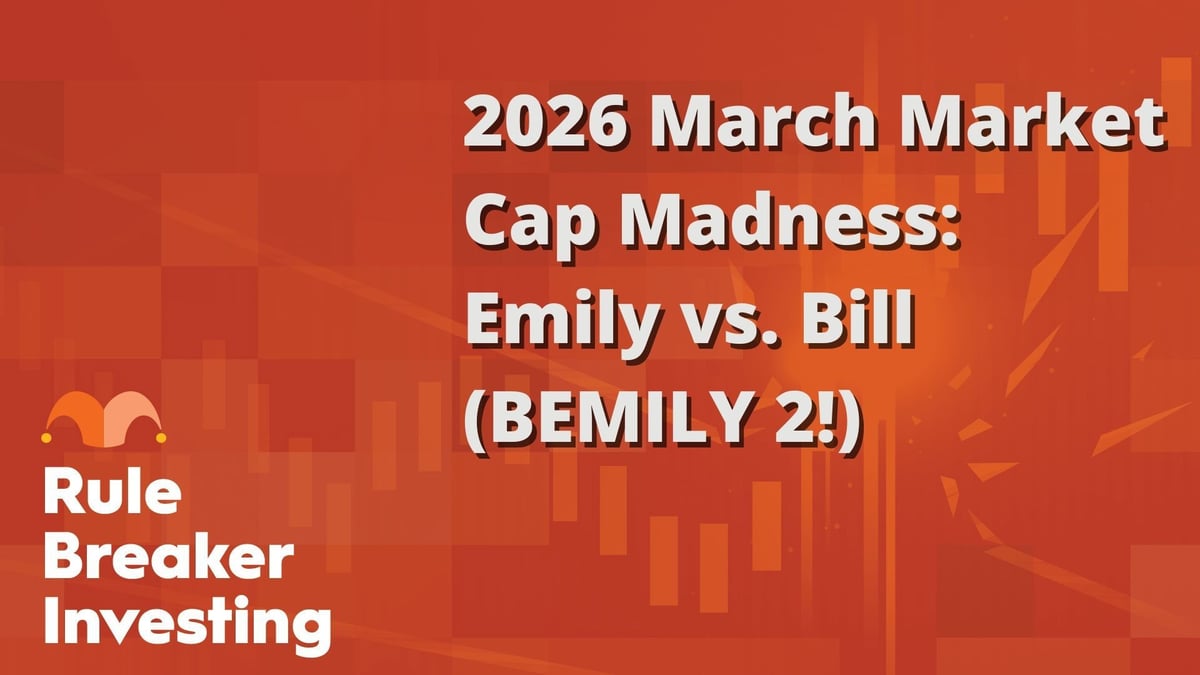
Market Cap Game Show: Emily vs. Bill Showdown


- Market Capital Showdown: In this episode, Motley Fool analysts Emily Flippen and Bill Barker faced off in a market cap range challenge involving 10 companies, engaging listeners and enhancing the show's interactivity.
- Championship Battle: Emily, the reigning Market Cap Game Show world champion, showcased her investment analysis skills against Bill, ultimately winning with a score of 7 to 3, solidifying her champion status.
- Investor Education: The show utilized a fun game format to help listeners understand the significance of market caps, increasing public interest in investing and promoting financial literacy.
- Industry Insights: Analysts discussed the market performance of various companies, including Adyen and PayCom, providing deep insights into current market dynamics to assist investors in making informed decisions.

Is Bitcoin Experiencing Its 'TCP/IP Moment'? Square Advances BTC Adoption for Everyday Transactions at Scale

Bitcoin Payments Accepted: Block's Square has begun accepting Bitcoin payments from qualified U.S. retailers, allowing customers to pay in BTC with automatic conversion to cash at checkout.
Industry Impact: The move has garnered attention from industry leaders, with Lightspark CEO David Marcus suggesting it could signify a pivotal moment for financial transactions, similar to how TCP/IP became foundational for internet communication.
User Benefits: Merchants accepting Bitcoin will automatically receive dollars, simplifying transactions for customers and eliminating the need to calculate capital gains on small Bitcoin payments.
Market Response: Following the announcement, Block's stock saw a rise of over 3%, reflecting improved retail sentiment around the company's Bitcoin initiatives and the broader market's shift from bearish to neutral.

Global Payments Restructures Strategy and Market Outlook

- Market Share Expansion: Global Payments aims to dominate the merchant acquisition market through the acquisition of Worldpay, which is expected to accelerate cash flow and provide substantial returns to shareholders, thereby enhancing the company's position in the competitive payments industry.
- Financial Restructuring: The company undertook a major restructuring in early 2025, cutting costs and shedding assets, with expectations to boost free cash flow to $5 billion by 2028, further strengthening financial stability and supporting future shareholder return plans.
- Technological Innovation: Global Payments launched a new all-in-one point-of-sale system called Genius, aimed at enhancing brand recognition and customer loyalty, with analysts predicting this will drive greater success in future market promotions.
- Acquisition Integration: With the support of activist investor Elliott Management, Global Payments is integrating the Worldpay acquisition, expected to achieve $600 million in cost savings and enhance operational leverage, further strengthening its competitive edge in the market.
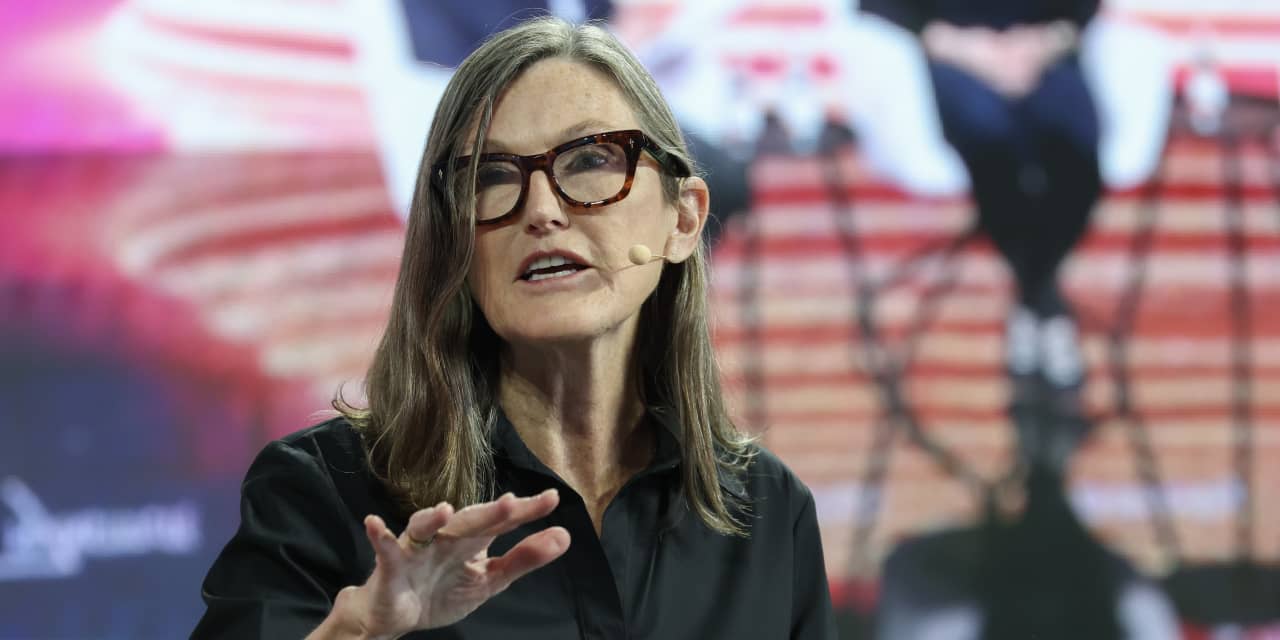
Cathie Wood's ARK Capitalizes on the Dip by Selling Meta, Nvidia, Broadcom, and Other Stocks.


- Cathie Wood's Investment Strategy: Cathie Wood, a prominent technology investor, is known for capitalizing on market dips but chose not to buy this time.
- Market Context: This decision comes after the stock market experienced its worst day since the onset of the Iran war.
Loop Capital Initiates Buy Rating on Block with $75 Target
- Coverage Initiation: Loop Capital initiated coverage of Block Inc. on Tuesday with a Buy rating and a $75 price target, indicating confidence in the company's position in point-of-sale tools despite the near-term volatility from a 40% workforce reduction.
- Profit Growth Outlook: Loop expects Block to maintain above-industry gross profit growth despite the layoffs, reflecting optimism about the company's ability to resume growth in monthly active users, which is crucial for its long-term success.
- Market Sentiment Shift: Block's stock rose 2% in early trading, and retail sentiment on Stocktwits remained neutral, although chatter levels increased from extremely low to low, indicating growing interest in the stock among retail investors.
- Payments Sector Outlook: Loop Capital holds a positive view on the payments sector overall, warning of high volatility, but anticipates potential new growth opportunities in the second half of 2026 and into 2027 if investor confidence in revenue and earnings stability is restored.
Market Dynamics and Company Outlook
- Oil Price Fluctuations: Brent crude oil prices surged by 4%, surpassing $117 per barrel, leading U.S. gas prices to exceed $4 per gallon; while the S&P 500 is expected to open higher, the market faces cost pressures from rising oil prices, potentially impacting overall economic recovery.
- Marvell and Nvidia Partnership: Marvell shares surged nearly 10% after announcing a strategic partnership with Nvidia, which will invest $2 billion to enhance the connectivity of Marvell's custom processors with Nvidia's networking technology, thereby strengthening Marvell's competitive position in the AI chip market.
- McCormick Acquires Unilever's Food Business: McCormick announced a $45 billion deal to acquire Unilever's food business, which will significantly expand its market share in spices and condiments, despite reporting only 1.2% organic sales growth in the last quarter, enhancing brand influence.
- Wells Fargo Downgrades Ford: Wells Fargo cut its price target for Ford from $11 to $10 and reiterated a sell rating, with analysts concerned that the fallout from the Iran war will increase raw material and freight costs, potentially impacting the profitability of automakers.
Market Cap Game Show: Emily vs. Bill Showdown
- Market Capital Showdown: In this episode, Motley Fool analysts Emily Flippen and Bill Barker faced off in a market cap range challenge involving 10 companies, engaging listeners and enhancing the show's interactivity.
- Championship Battle: Emily, the reigning Market Cap Game Show world champion, showcased her investment analysis skills against Bill, ultimately winning with a score of 7 to 3, solidifying her champion status.
- Investor Education: The show utilized a fun game format to help listeners understand the significance of market caps, increasing public interest in investing and promoting financial literacy.
- Industry Insights: Analysts discussed the market performance of various companies, including Adyen and PayCom, providing deep insights into current market dynamics to assist investors in making informed decisions.
Is Bitcoin Experiencing Its 'TCP/IP Moment'? Square Advances BTC Adoption for Everyday Transactions at Scale
Bitcoin Payments Accepted: Block's Square has begun accepting Bitcoin payments from qualified U.S. retailers, allowing customers to pay in BTC with automatic conversion to cash at checkout.
Industry Impact: The move has garnered attention from industry leaders, with Lightspark CEO David Marcus suggesting it could signify a pivotal moment for financial transactions, similar to how TCP/IP became foundational for internet communication.
User Benefits: Merchants accepting Bitcoin will automatically receive dollars, simplifying transactions for customers and eliminating the need to calculate capital gains on small Bitcoin payments.
Market Response: Following the announcement, Block's stock saw a rise of over 3%, reflecting improved retail sentiment around the company's Bitcoin initiatives and the broader market's shift from bearish to neutral.
Global Payments Restructures Strategy and Market Outlook
- Market Share Expansion: Global Payments aims to dominate the merchant acquisition market through the acquisition of Worldpay, which is expected to accelerate cash flow and provide substantial returns to shareholders, thereby enhancing the company's position in the competitive payments industry.
- Financial Restructuring: The company undertook a major restructuring in early 2025, cutting costs and shedding assets, with expectations to boost free cash flow to $5 billion by 2028, further strengthening financial stability and supporting future shareholder return plans.
- Technological Innovation: Global Payments launched a new all-in-one point-of-sale system called Genius, aimed at enhancing brand recognition and customer loyalty, with analysts predicting this will drive greater success in future market promotions.
- Acquisition Integration: With the support of activist investor Elliott Management, Global Payments is integrating the Worldpay acquisition, expected to achieve $600 million in cost savings and enhance operational leverage, further strengthening its competitive edge in the market.
Cathie Wood's ARK Capitalizes on the Dip by Selling Meta, Nvidia, Broadcom, and Other Stocks.
- Cathie Wood's Investment Strategy: Cathie Wood, a prominent technology investor, is known for capitalizing on market dips but chose not to buy this time.
- Market Context: This decision comes after the stock market experienced its worst day since the onset of the Iran war.