Analysis of Ongoing Decline in Software Stocks
Written by Emily J. Thompson, Senior Investment Analyst
Updated: Jan 31 2026
0mins


Should l Buy MSFT?
Source: Fool
- Market Trend Analysis: Earnings reports from Meta, Microsoft, and ServiceNow indicate that despite some positive performances, overall market confidence in software stocks continues to decline, leading to sell-offs in companies like Salesforce and Rubrik.
- Earnings Impact: While Meta and Microsoft's earnings had highlights, they failed to effectively boost market sentiment, exacerbating investor concerns about future growth in the software sector and impacting overall industry valuations.
- Investor Reaction: The ongoing sell-off in software stocks reflects investor worries about economic slowdown and intensified industry competition, resulting in greater downward pressure on related stocks in the short term.
- Industry Outlook: As confidence in software stocks wanes, investors may reassess their portfolios, shifting towards more defensive assets to navigate potential economic uncertainties.
Trade with 70% Backtested Accuracy
Stop guessing "Should I Buy MSFT?" and start using high-conviction signals backed by rigorous historical data.
Sign up today to access powerful investing tools and make smarter, data-driven decisions.
Analyst Views on MSFT
Wall Street analysts forecast MSFT stock price to rise
34 Analyst Rating
32 Buy
2 Hold
0 Sell
Strong Buy
Current: 409.410

Low
500.00
Averages
631.36
High
678.00
Current: 409.410
Low
500.00
Averages
631.36
High
678.00
About MSFT
Microsoft Corporation is a technology company that develops and supports software, services, devices, and solutions. Its Productivity and Business Processes segment consists of products and services in its portfolio of productivity, communication, and information services, spanning a variety of devices and platforms. It comprises Microsoft 365 Commercial products and cloud services; Microsoft 365 Consumer products and cloud services; LinkedIn, and Dynamics products and cloud services. The Intelligent Cloud segment consists of its public, private, and hybrid server products and cloud services. It comprises server products and cloud services, including Azure, and enterprise and partner services, including Enterprise Support Services. Its More Personal Computing segment primarily comprises Windows and Devices, including Windows OEM licensing; Gaming, including Xbox hardware and Xbox content; Search and news advertising, comprising Bing and Copilot, Microsoft News, and Microsoft Edge.
About the author

Emily J. Thompson
Emily J. Thompson, a Chartered Financial Analyst (CFA) with 12 years in investment research, graduated with honors from the Wharton School. Specializing in industrial and technology stocks, she provides in-depth analysis for Intellectia’s earnings and market brief reports.

Microsoft Raises Office Suite Prices Amid AI Integration

- Price Increase: Microsoft is raising the monthly fee for its enterprise Microsoft 365 E7 to $99, a 65% increase from the $60 E5 subscription, aiming to attract more enterprise users to its Copilot AI add-on, thereby boosting overall revenue.
- New Product Bundle: The E7 suite includes $30 for Copilot, $12 for Entra identity tools, and $15 for Agent 365, providing a comprehensive AI management solution that enhances companies' competitiveness in digital transformation.
- Increased Market Adoption: Microsoft’s commercial CEO Judson Althoff stated that the launch of E7 is expected to drive broader adoption of Copilot, which has yet to become common among commercial productivity users, indicating a growing demand for AI tools in the market.
- Competitive Pressure: This pricing and product update comes amid investor concerns about AI models from Anthropic potentially threatening established software companies, with Microsoft’s strategic adjustments aimed at solidifying its market position and addressing competitive challenges.
See More

OpenAI Plans to Acquire Security Startup Promptfoo
- Acquisition Announcement: OpenAI has revealed plans to acquire Promptfoo, a startup focused on helping enterprises identify and rectify vulnerabilities in AI systems, indicating a strategic move into the AI security sector.
- Market Impact: Promptfoo's open-source tools have been downloaded by over 125,000 developers and are currently utilized by more than 25% of Fortune 500 companies, highlighting the widespread acceptance and significance of its products in the market.
- Technology Integration: OpenAI plans to integrate several of Promptfoo's tools into its Frontier platform, enhancing the security and reliability of AI applications, thereby improving safety testing and oversight capabilities during AI development workflows.
- Founders' Background: Promptfoo's founders, Ian Webster and Michael D'Angelo, bring extensive industry experience, with Webster previously leading large language model engineering teams at Discord and D'Angelo serving as the former VP of engineering at Smile Identity, showcasing their technical expertise and industry insights.
See More

High-Yield Stocks Gain Appeal Amid Market Turbulence

- Brookfield Renewable: Brookfield Renewable is expected to double its revenue from $5.1 billion to $10.7 billion by 2028, driven primarily by the rapid growth of cloud computing and AI markets, while long-term renewable power agreements with Microsoft and Google will further solidify its market position.
- Stable Dividend Yield: Brookfield Renewable offers a forward yield of 5.2%, and although it has not yet achieved consistent profitability, its adjusted EBITDA is projected to grow at an 8% CAGR from 2025 to 2028, indicating strong future earnings potential.
- Enterprise Products Partners: Enterprise Products Partners operates over 50,000 miles of pipeline across 27 states, with an expected operational distributable cash flow of $7.9 billion in 2025, easily covering its $4.8 billion in distributions, ensuring a sustainable 5.9% yield.
- Market Competitive Advantage: While Enterprise Products Partners is less aggressive in expanding its pipeline network compared to competitors, its lower debt levels and stable revenue model provide relative safety and attractiveness in turbulent market conditions.
See More

Wall Street Divided on Market Concentration Issues

- Market Concentration Analysis: Research from Elm Wealth indicates that current market concentration levels align with historical norms, particularly when compared to the 1930s, 1950s, and 1960s, suggesting that investor concerns about concentration may be misplaced.
- Dynamic Trading Strategy Risks: The study reveals that a dynamic trading strategy that adjusts equity exposure based on concentration changes results in lower returns and higher volatility, with a Sharpe ratio less than half that of a simple buy-and-hold strategy, indicating that overreacting may harm investment performance.
- Passive Investment Impact: While some argue that passive index investing has inflated the concentration of large stocks, historical data shows that the market was highly concentrated as early as the 1930s, indicating that such concentration is a normal market phenomenon rather than a direct consequence of investment strategies.
- Valuation and Return Expectations: Haghani and White estimate that the long-term expected return of U.S. equities is only about 1% above inflation-protected bonds, suggesting that investors should focus more on stock selection and disciplined asset allocation rather than merely reshuffling their portfolios.
See More
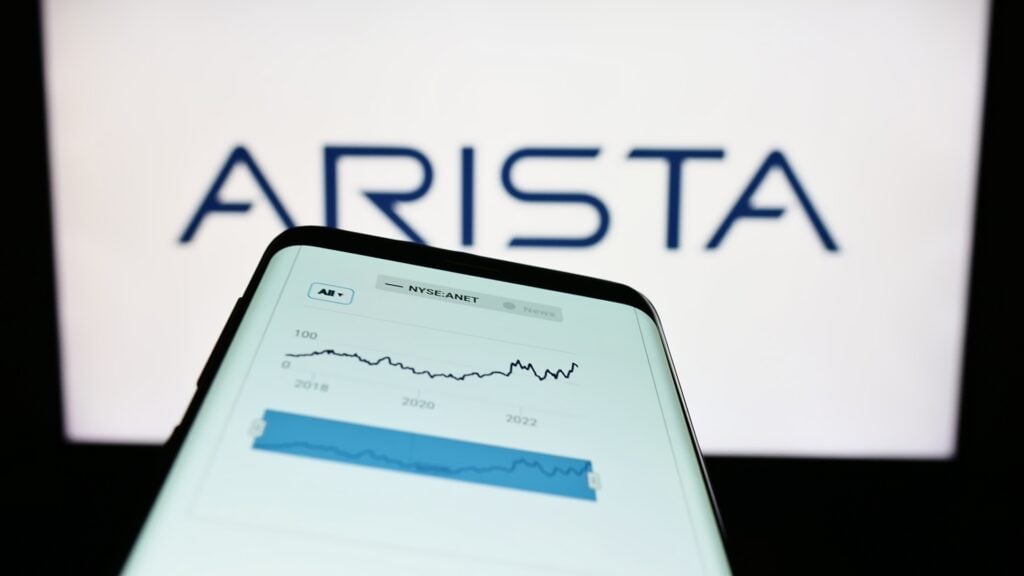
Analyst Optimistic on Cloud and AI Infrastructure Growth


- Cloud Spending Surge: The analyst noted that companies like Arista and Ciena are poised to benefit from rising hyperscale cloud spending as AI infrastructure expands, particularly with Microsoft's significant increase in cloud expenditures in 2025.
- Arista's AI Revenue Target Increase: Arista raised its 2026 AI revenue target from $2.75 billion to $3.25 billion, indicating its potential expansion in AI networking, especially with Jericho products playing a crucial role in large-scale networking projects.
- Ciena's Market Share: In Q1 of fiscal 2026, direct cloud providers accounted for 42% of Ciena's revenue, and the company has secured partnerships for large-scale networking projects with three of the four major cloud operators, highlighting its key role in connecting AI data centers.
- Strong Demand for Optical Components: Companies like Lumentum, Applied Optoelectronics, and Coherent are expected to benefit from strong demand for optical components, with Lumentum generating 50% of its revenue from datacom products and having a backlog exceeding $400 million for optical circuit switching systems.
See More

IEA Calls Emergency Meeting to Assess Oil Market Conditions


- Oil Price Fluctuations: The IEA met with G7 Energy Ministers in Paris, leading to a drop in oil prices below $80 as the agency announced an emergency meeting to assess supply security, which could impact market sentiment and investment decisions in the short term.
- Emergency Stockpiles: The IEA reported that its member countries hold over 1.2 billion barrels of public emergency oil stocks and an additional 600 million barrels of industry inventories under government obligation, providing short-term support to mitigate supply disruptions and potentially easing market tensions.
- Microsoft Rating Downgrade: Due to Jim Cramer's concerns regarding Microsoft's AI business and cloud computing unit, the investment club downgraded its rating from 1 to 2, even though the stock trades at around 21 times its estimated fiscal 2027 earnings, indicating it is relatively cheap compared to its 10-year average of 23.5 times.
- Boeing 737 MAX Delivery Delays: Boeing announced delays in the delivery of some 737 MAX planes due to a wiring issue, although fixes are expected to be completed in days without affecting current production rates, this news may still have a short-term negative impact on market confidence.
See More
Microsoft Raises Office Suite Prices Amid AI Integration
- Price Increase: Microsoft is raising the monthly fee for its enterprise Microsoft 365 E7 to $99, a 65% increase from the $60 E5 subscription, aiming to attract more enterprise users to its Copilot AI add-on, thereby boosting overall revenue.
- New Product Bundle: The E7 suite includes $30 for Copilot, $12 for Entra identity tools, and $15 for Agent 365, providing a comprehensive AI management solution that enhances companies' competitiveness in digital transformation.
- Increased Market Adoption: Microsoft’s commercial CEO Judson Althoff stated that the launch of E7 is expected to drive broader adoption of Copilot, which has yet to become common among commercial productivity users, indicating a growing demand for AI tools in the market.
- Competitive Pressure: This pricing and product update comes amid investor concerns about AI models from Anthropic potentially threatening established software companies, with Microsoft’s strategic adjustments aimed at solidifying its market position and addressing competitive challenges.
See More
OpenAI Plans to Acquire Security Startup Promptfoo
- Acquisition Announcement: OpenAI has revealed plans to acquire Promptfoo, a startup focused on helping enterprises identify and rectify vulnerabilities in AI systems, indicating a strategic move into the AI security sector.
- Market Impact: Promptfoo's open-source tools have been downloaded by over 125,000 developers and are currently utilized by more than 25% of Fortune 500 companies, highlighting the widespread acceptance and significance of its products in the market.
- Technology Integration: OpenAI plans to integrate several of Promptfoo's tools into its Frontier platform, enhancing the security and reliability of AI applications, thereby improving safety testing and oversight capabilities during AI development workflows.
- Founders' Background: Promptfoo's founders, Ian Webster and Michael D'Angelo, bring extensive industry experience, with Webster previously leading large language model engineering teams at Discord and D'Angelo serving as the former VP of engineering at Smile Identity, showcasing their technical expertise and industry insights.
See More
High-Yield Stocks Gain Appeal Amid Market Turbulence
- Brookfield Renewable: Brookfield Renewable is expected to double its revenue from $5.1 billion to $10.7 billion by 2028, driven primarily by the rapid growth of cloud computing and AI markets, while long-term renewable power agreements with Microsoft and Google will further solidify its market position.
- Stable Dividend Yield: Brookfield Renewable offers a forward yield of 5.2%, and although it has not yet achieved consistent profitability, its adjusted EBITDA is projected to grow at an 8% CAGR from 2025 to 2028, indicating strong future earnings potential.
- Enterprise Products Partners: Enterprise Products Partners operates over 50,000 miles of pipeline across 27 states, with an expected operational distributable cash flow of $7.9 billion in 2025, easily covering its $4.8 billion in distributions, ensuring a sustainable 5.9% yield.
- Market Competitive Advantage: While Enterprise Products Partners is less aggressive in expanding its pipeline network compared to competitors, its lower debt levels and stable revenue model provide relative safety and attractiveness in turbulent market conditions.
See More
Wall Street Divided on Market Concentration Issues
- Market Concentration Analysis: Research from Elm Wealth indicates that current market concentration levels align with historical norms, particularly when compared to the 1930s, 1950s, and 1960s, suggesting that investor concerns about concentration may be misplaced.
- Dynamic Trading Strategy Risks: The study reveals that a dynamic trading strategy that adjusts equity exposure based on concentration changes results in lower returns and higher volatility, with a Sharpe ratio less than half that of a simple buy-and-hold strategy, indicating that overreacting may harm investment performance.
- Passive Investment Impact: While some argue that passive index investing has inflated the concentration of large stocks, historical data shows that the market was highly concentrated as early as the 1930s, indicating that such concentration is a normal market phenomenon rather than a direct consequence of investment strategies.
- Valuation and Return Expectations: Haghani and White estimate that the long-term expected return of U.S. equities is only about 1% above inflation-protected bonds, suggesting that investors should focus more on stock selection and disciplined asset allocation rather than merely reshuffling their portfolios.
See More
Analyst Optimistic on Cloud and AI Infrastructure Growth
- Cloud Spending Surge: The analyst noted that companies like Arista and Ciena are poised to benefit from rising hyperscale cloud spending as AI infrastructure expands, particularly with Microsoft's significant increase in cloud expenditures in 2025.
- Arista's AI Revenue Target Increase: Arista raised its 2026 AI revenue target from $2.75 billion to $3.25 billion, indicating its potential expansion in AI networking, especially with Jericho products playing a crucial role in large-scale networking projects.
- Ciena's Market Share: In Q1 of fiscal 2026, direct cloud providers accounted for 42% of Ciena's revenue, and the company has secured partnerships for large-scale networking projects with three of the four major cloud operators, highlighting its key role in connecting AI data centers.
- Strong Demand for Optical Components: Companies like Lumentum, Applied Optoelectronics, and Coherent are expected to benefit from strong demand for optical components, with Lumentum generating 50% of its revenue from datacom products and having a backlog exceeding $400 million for optical circuit switching systems.
See More
IEA Calls Emergency Meeting to Assess Oil Market Conditions
- Oil Price Fluctuations: The IEA met with G7 Energy Ministers in Paris, leading to a drop in oil prices below $80 as the agency announced an emergency meeting to assess supply security, which could impact market sentiment and investment decisions in the short term.
- Emergency Stockpiles: The IEA reported that its member countries hold over 1.2 billion barrels of public emergency oil stocks and an additional 600 million barrels of industry inventories under government obligation, providing short-term support to mitigate supply disruptions and potentially easing market tensions.
- Microsoft Rating Downgrade: Due to Jim Cramer's concerns regarding Microsoft's AI business and cloud computing unit, the investment club downgraded its rating from 1 to 2, even though the stock trades at around 21 times its estimated fiscal 2027 earnings, indicating it is relatively cheap compared to its 10-year average of 23.5 times.
- Boeing 737 MAX Delivery Delays: Boeing announced delays in the delivery of some 737 MAX planes due to a wiring issue, although fixes are expected to be completed in days without affecting current production rates, this news may still have a short-term negative impact on market confidence.
See More