Alaska Airlines Signs License Agreement for Boeing's Virtual Airplane
Written by Emily J. Thompson, Senior Investment Analyst
Updated: 2 days ago
0mins
Should l Buy BA?
Source: PRnewswire
- Partnership Deepening: Alaska Airlines signed a formal license agreement with Boeing at the World Aviation Training Summit in Orlando, marking a significant evolution in their collaboration on the Virtual Airplane, which is expected to enhance pilot training efficiency and safety.
- Innovative Training Platform: The Virtual Airplane, a device-agnostic modular training solution, allows pilots to practice high-fidelity procedures anytime and anywhere, thereby standardizing training and reducing simulator familiarization time, ultimately improving pilot readiness.
- Modular Tool Suite: The first module, Procedures Trainer, is now available for Boeing 737 MAX training, with plans to expand to additional Boeing models, further enhancing training flexibility and effectiveness to meet the evolving needs of the aviation industry.
- Commitment to Safety and Innovation: Boeing's VP Chris Broom emphasized that Alaska Airlines' commitment to innovation and safety has been crucial in the development of the Virtual Airplane, and their partnership will modernize pilot training and enhance overall operational readiness.
Trade with 70% Backtested Accuracy
Stop guessing "Should I Buy BA?" and start using high-conviction signals backed by rigorous historical data.
Sign up today to access powerful investing tools and make smarter, data-driven decisions.
Analyst Views on BA
Wall Street analysts forecast BA stock price to rise
16 Analyst Rating
14 Buy
1 Hold
1 Sell
Strong Buy
Current: 231.030

Low
150.00
Averages
269.14
High
298.00
Current: 231.030
Low
150.00
Averages
269.14
High
298.00
About BA
The Boeing Company is an aerospace company. Its segments include Commercial Airplanes (BCA), Defense, Space & Security (BDS), and Global Services (BGS). Its BCA segment develops, produces and markets commercial jet aircraft principally for the commercial airline industry worldwide. Its family of commercial jet aircraft in production includes the 737 narrow-body model and the 767, 777 and 787 wide-body models. Its BDS segment is engaged in the research, development, production and modification of manned and unmanned military aircraft and weapons systems for strike, surveillance and mobility. Its BGS segment provides services to its commercial and defense customers worldwide. It sustains aerospace platforms and systems with a range of products and services, including supply chain and logistics management, engineering, maintenance and modifications, upgrades and conversions, spare parts, pilot and maintenance training systems and services, technical and maintenance documents, and others.
About the author

Emily J. Thompson
Emily J. Thompson, a Chartered Financial Analyst (CFA) with 12 years in investment research, graduated with honors from the Wharton School. Specializing in industrial and technology stocks, she provides in-depth analysis for Intellectia’s earnings and market brief reports.
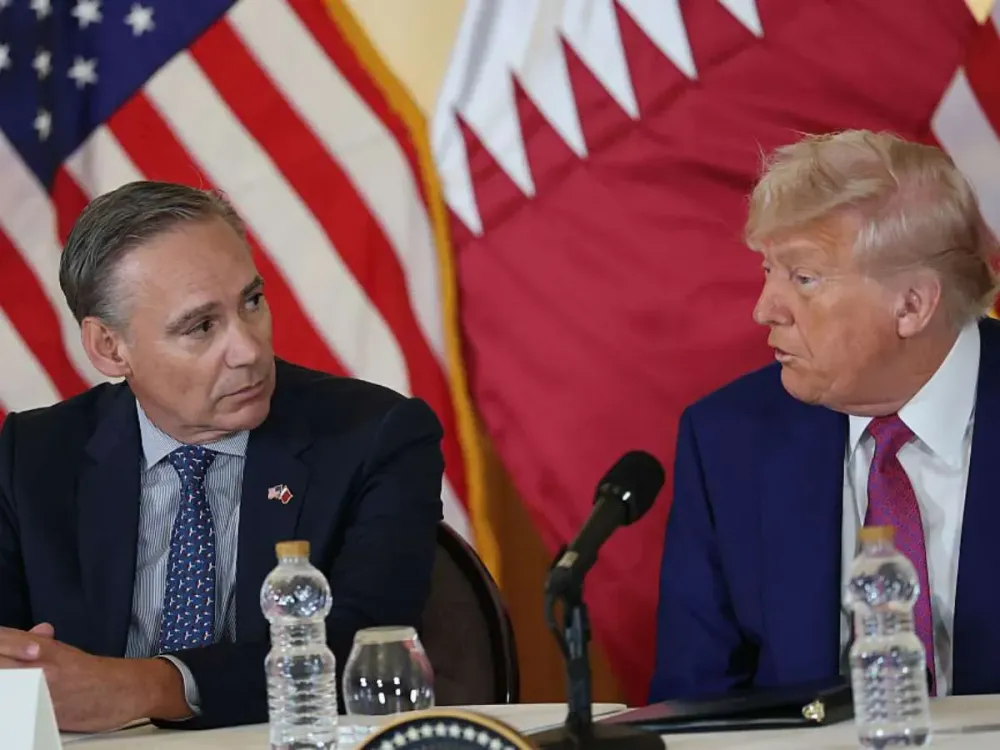
China Airlines Halt Boeing Deliveries Amid Tariff War

- Delivery Halt: The Chinese government has directed state-owned airlines such as Air China, China Eastern, and China Southern to immediately stop accepting Boeing deliveries, which is expected to impact the delivery of a total of 179 aircraft over the next three years, exacerbating Boeing's challenges in the Chinese market.
- Trade War Impact: The ongoing tariff war has resulted in U.S. tariffs on Chinese goods reaching 145%, while China's retaliatory tariffs hit 125%, severely disrupting Boeing's supply chain and negatively affecting its overall business performance.
- Future Order Outlook: Despite the delivery halt, Boeing's CEO indicated during the latest earnings call that China could soon place a “big number” of aircraft orders, suggesting that potential demand in the Chinese market remains, particularly if U.S.-China relations improve.
- Market Reaction: While retail investor sentiment around Boeing is leaning bearish, there is still optimism regarding the CEO's upcoming visit to China with President Trump, as this could potentially lead to new order opportunities for Boeing.
See More
Investigation into Air India Crash Near Completion
- Investigation Progress: India's civil aviation minister announced that the investigation into last year's Air India Boeing Dreamliner crash, which resulted in 260 fatalities, is in its 'final stage', with the final report expected to be released in one month, indicating the government's commitment to aviation safety.
- Accident Background: The crash occurred last year, leading to significant loss of life, and the civil aviation department's investigation aims to determine the cause of the accident to prevent similar incidents in the future and ensure the safety of air travel.
- Public Interest: As the investigation nears completion, public anticipation for the final report increases, particularly regarding aviation safety and accountability, which could impact the public image of airlines and their operations.
- Policy Implications: The release of the final report may prompt the government to make adjustments to aviation safety policies, enhancing regulations and industry standards, thereby boosting public confidence in air travel.
See More
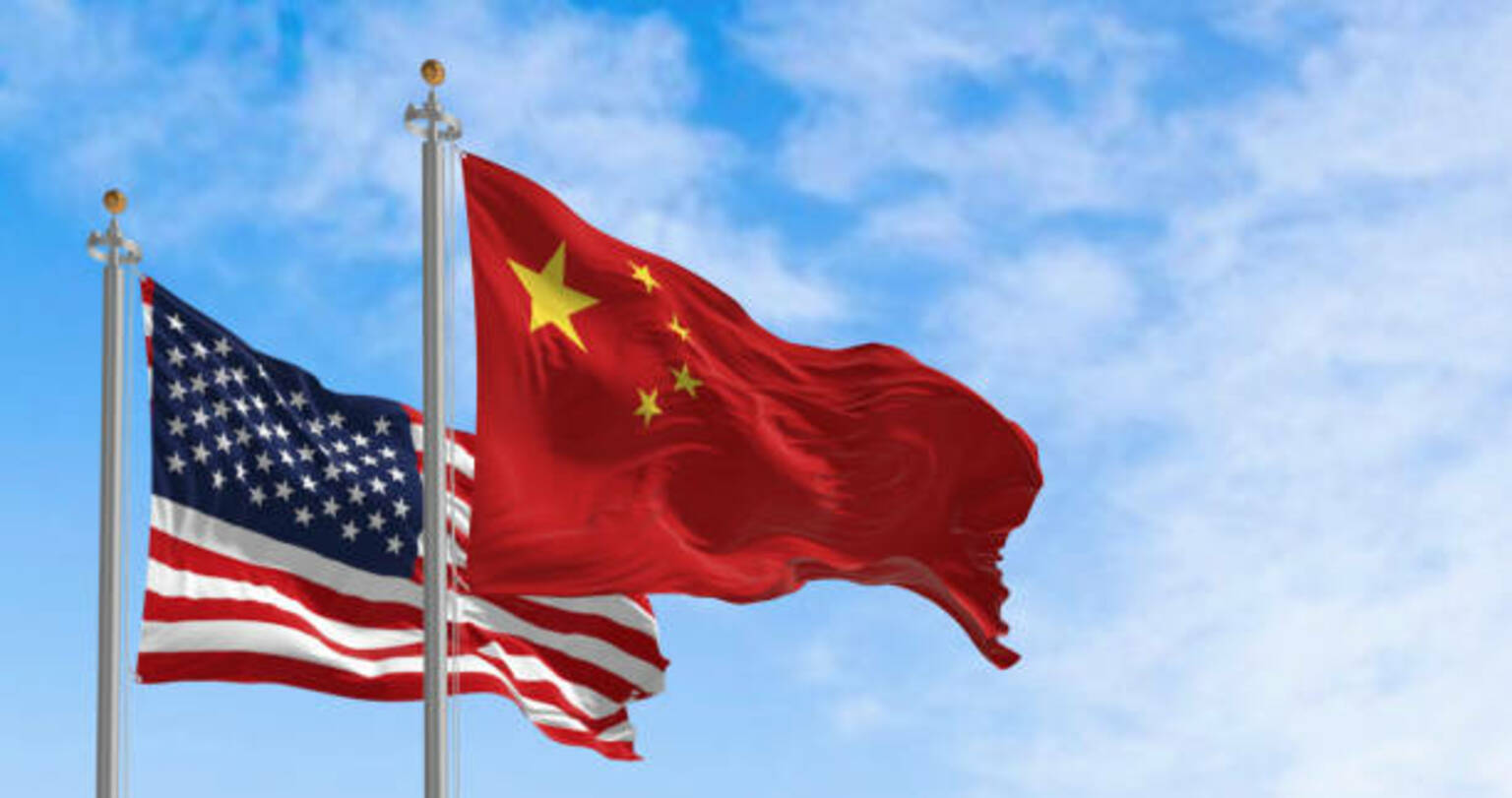
Trump's China Visit Features Reduced CEO Delegation

- Reduced CEO Delegation: The White House has invited a significantly smaller CEO delegation of around a dozen U.S. companies to accompany Trump on his upcoming visit to China, reflecting internal divisions on economic policy and limited expectations for the summit.
- Executive List Revealed: Notable CEOs from Nvidia (NVDA), Apple (AAPL), Qualcomm (QCOM), Citigroup (C), and Boeing (BA) are among those invited to join Trump for a state dinner, highlighting their significance in U.S.-China relations.
- Delayed Invitations: The last-minute nature of the invitations, attributed to disagreements within the administration regarding the delegation's size and invitees, may affect the willingness of executives to attend and the overall impact of the summit.
- Historical Comparison: Compared to Trump's 2017 visit, which featured 29 executives, this reduced delegation size suggests that the summit may yield less in terms of economic cooperation, reflecting the complexities of current U.S.-China relations.
See More

Trump's China Visit Features Smaller CEO Delegation

- Reduced CEO Delegation: President Trump's upcoming visit to China on May 14-15 features a significantly scaled-back CEO delegation of around a dozen U.S. companies, reflecting internal divisions on economic policy toward China and limited expectations for the summit.
- Invitation List Revealed: Notable CEOs from Nvidia, Apple, Qualcomm, Citigroup, and Boeing are among those invited, although the full list remains unconfirmed, highlighting the importance of these companies in U.S.-China trade relations.
- Historical Comparison: Compared to the 29 executives who accompanied Trump in 2017, this year's smaller delegation indicates a cautious approach by the U.S. government, especially when contrasted with other Western leaders who brought much larger groups.
- Trade Negotiation Focus: The summit aims to facilitate China's first major Boeing order since 2017, potentially involving 500 737 MAX jets, while discussions also include extending the trade truce, illustrating the complex dynamics of U.S.-China trade policies.
See More
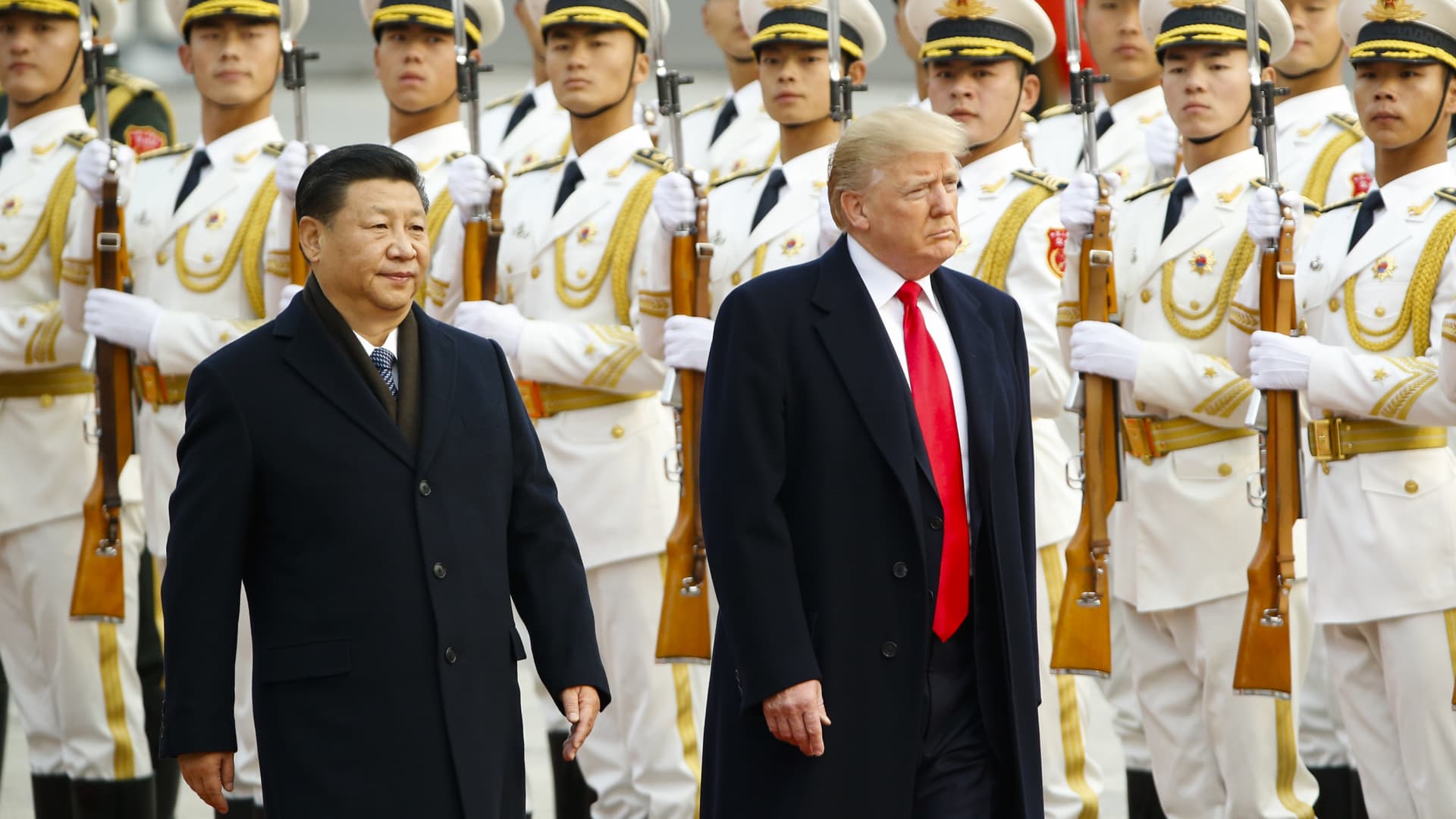
Trump-Xi Summit to Focus on Iran War

- Summit Agenda Set: The upcoming summit between Trump and Xi on May 14-15 will primarily focus on the Iran war, likely limiting discussions on tariffs and rare earth supplies, which could hinder economic cooperation between the two nations.
- Reduced Business Delegation: While CEOs from Boeing and Citigroup are expected to accompany Trump, the delegation size may be halved compared to over 30 executives during last year's Saudi visit, potentially impacting the perception and influence of American businesses in China.
- Potential Deal Opportunities: Trump is anticipated to secure agreements on Chinese purchases of U.S. soybeans and Boeing aircraft at the summit, which not only helps ease trade tensions but also opens new growth avenues for U.S. agriculture and aerospace sectors.
- Geopolitical Implications: An end to the Iran war would be viewed as a significant success for the Trump-Xi summit, providing a “great relief” to global business and potentially reshaping the economic relationship and cooperation prospects between the U.S. and China.
See More
Market Dynamics: Oil Prices and Tech Stocks Fluctuate


- Oil Price Recovery: West Texas Intermediate crude oil prices rebounded above $97 per barrel after a morning dip, reflecting cautious optimism about future demand, which could impact related energy stocks' performance.
- Divergent Tech Stock Performance: As AI-related stocks pull back, cybersecurity software stocks like CrowdStrike and Palo Alto Networks surged, crossing $500 and $190 respectively for the first time, indicating increased market confidence in their business models and potentially attracting more investor interest.
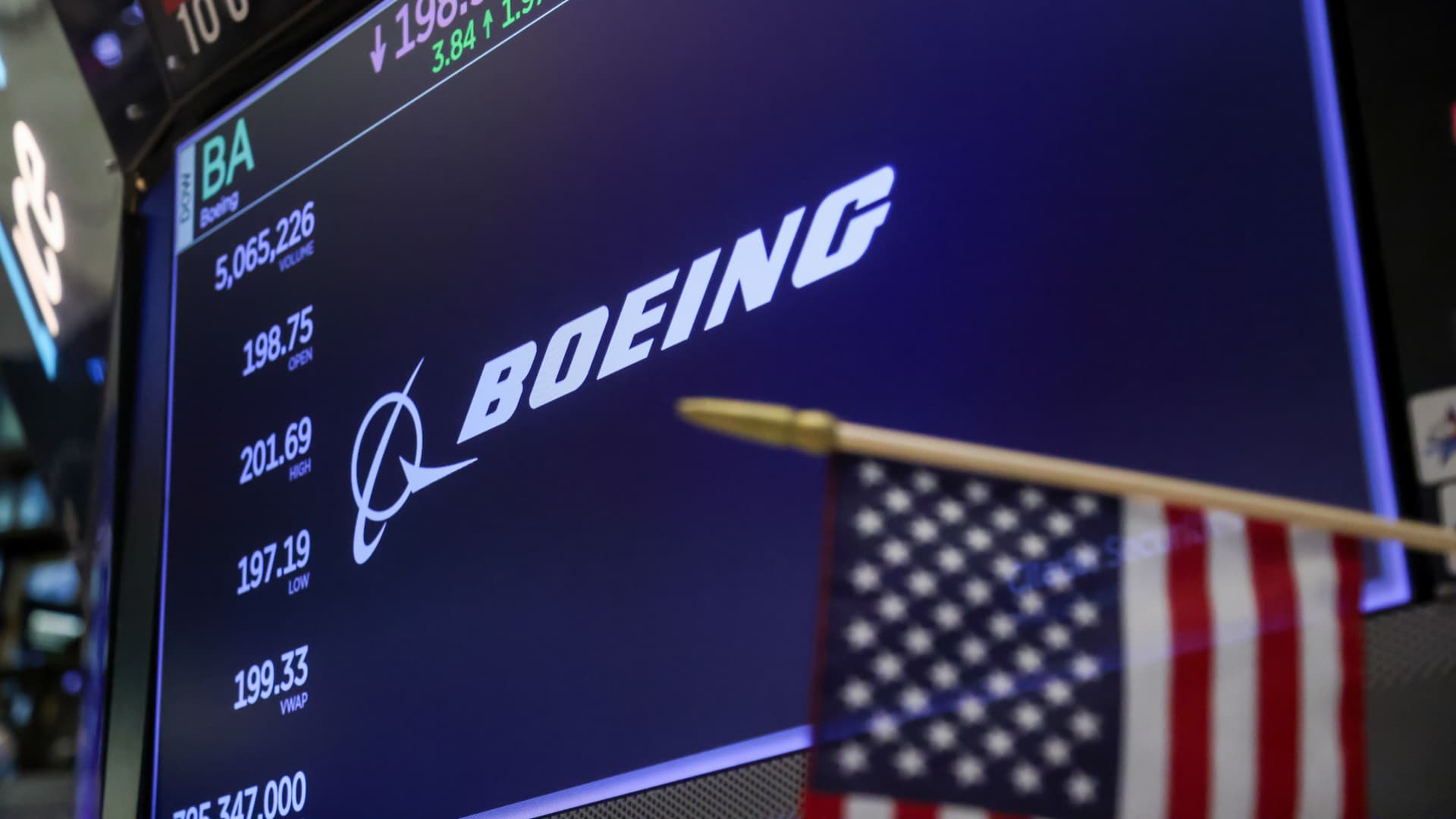
- Boeing Stock Rise: Boeing's shares rose as CEO Kelly Ortberg is set to accompany President Trump on his trip to China, with the market anticipating a major order of up to 500 planes, although skepticism remains regarding the order's realization.
- Employment Data Expectations: Economists forecast a 65,000 increase in April's nonfarm payrolls with the unemployment rate steady at 4.3%, while average hourly earnings are expected to rise by 3.8%, providing crucial economic health indicators that could influence investor confidence.
See More
China Airlines Halt Boeing Deliveries Amid Tariff War
- Delivery Halt: The Chinese government has directed state-owned airlines such as Air China, China Eastern, and China Southern to immediately stop accepting Boeing deliveries, which is expected to impact the delivery of a total of 179 aircraft over the next three years, exacerbating Boeing's challenges in the Chinese market.
- Trade War Impact: The ongoing tariff war has resulted in U.S. tariffs on Chinese goods reaching 145%, while China's retaliatory tariffs hit 125%, severely disrupting Boeing's supply chain and negatively affecting its overall business performance.
- Future Order Outlook: Despite the delivery halt, Boeing's CEO indicated during the latest earnings call that China could soon place a “big number” of aircraft orders, suggesting that potential demand in the Chinese market remains, particularly if U.S.-China relations improve.
- Market Reaction: While retail investor sentiment around Boeing is leaning bearish, there is still optimism regarding the CEO's upcoming visit to China with President Trump, as this could potentially lead to new order opportunities for Boeing.
See More
Investigation into Air India Crash Near Completion
- Investigation Progress: India's civil aviation minister announced that the investigation into last year's Air India Boeing Dreamliner crash, which resulted in 260 fatalities, is in its 'final stage', with the final report expected to be released in one month, indicating the government's commitment to aviation safety.
- Accident Background: The crash occurred last year, leading to significant loss of life, and the civil aviation department's investigation aims to determine the cause of the accident to prevent similar incidents in the future and ensure the safety of air travel.
- Public Interest: As the investigation nears completion, public anticipation for the final report increases, particularly regarding aviation safety and accountability, which could impact the public image of airlines and their operations.
- Policy Implications: The release of the final report may prompt the government to make adjustments to aviation safety policies, enhancing regulations and industry standards, thereby boosting public confidence in air travel.
See More
Trump's China Visit Features Reduced CEO Delegation
- Reduced CEO Delegation: The White House has invited a significantly smaller CEO delegation of around a dozen U.S. companies to accompany Trump on his upcoming visit to China, reflecting internal divisions on economic policy and limited expectations for the summit.
- Executive List Revealed: Notable CEOs from Nvidia (NVDA), Apple (AAPL), Qualcomm (QCOM), Citigroup (C), and Boeing (BA) are among those invited to join Trump for a state dinner, highlighting their significance in U.S.-China relations.
- Delayed Invitations: The last-minute nature of the invitations, attributed to disagreements within the administration regarding the delegation's size and invitees, may affect the willingness of executives to attend and the overall impact of the summit.
- Historical Comparison: Compared to Trump's 2017 visit, which featured 29 executives, this reduced delegation size suggests that the summit may yield less in terms of economic cooperation, reflecting the complexities of current U.S.-China relations.
See More
Trump's China Visit Features Smaller CEO Delegation
- Reduced CEO Delegation: President Trump's upcoming visit to China on May 14-15 features a significantly scaled-back CEO delegation of around a dozen U.S. companies, reflecting internal divisions on economic policy toward China and limited expectations for the summit.
- Invitation List Revealed: Notable CEOs from Nvidia, Apple, Qualcomm, Citigroup, and Boeing are among those invited, although the full list remains unconfirmed, highlighting the importance of these companies in U.S.-China trade relations.
- Historical Comparison: Compared to the 29 executives who accompanied Trump in 2017, this year's smaller delegation indicates a cautious approach by the U.S. government, especially when contrasted with other Western leaders who brought much larger groups.
- Trade Negotiation Focus: The summit aims to facilitate China's first major Boeing order since 2017, potentially involving 500 737 MAX jets, while discussions also include extending the trade truce, illustrating the complex dynamics of U.S.-China trade policies.
See More
Trump-Xi Summit to Focus on Iran War
- Summit Agenda Set: The upcoming summit between Trump and Xi on May 14-15 will primarily focus on the Iran war, likely limiting discussions on tariffs and rare earth supplies, which could hinder economic cooperation between the two nations.
- Reduced Business Delegation: While CEOs from Boeing and Citigroup are expected to accompany Trump, the delegation size may be halved compared to over 30 executives during last year's Saudi visit, potentially impacting the perception and influence of American businesses in China.
- Potential Deal Opportunities: Trump is anticipated to secure agreements on Chinese purchases of U.S. soybeans and Boeing aircraft at the summit, which not only helps ease trade tensions but also opens new growth avenues for U.S. agriculture and aerospace sectors.
- Geopolitical Implications: An end to the Iran war would be viewed as a significant success for the Trump-Xi summit, providing a “great relief” to global business and potentially reshaping the economic relationship and cooperation prospects between the U.S. and China.
See More
Market Dynamics: Oil Prices and Tech Stocks Fluctuate
- Oil Price Recovery: West Texas Intermediate crude oil prices rebounded above $97 per barrel after a morning dip, reflecting cautious optimism about future demand, which could impact related energy stocks' performance.
- Divergent Tech Stock Performance: As AI-related stocks pull back, cybersecurity software stocks like CrowdStrike and Palo Alto Networks surged, crossing $500 and $190 respectively for the first time, indicating increased market confidence in their business models and potentially attracting more investor interest.
- Boeing Stock Rise: Boeing's shares rose as CEO Kelly Ortberg is set to accompany President Trump on his trip to China, with the market anticipating a major order of up to 500 planes, although skepticism remains regarding the order's realization.
- Employment Data Expectations: Economists forecast a 65,000 increase in April's nonfarm payrolls with the unemployment rate steady at 4.3%, while average hourly earnings are expected to rise by 3.8%, providing crucial economic health indicators that could influence investor confidence.
See More