Abercrombie & Fitch, Gap, VF Corp, Capri, Ralph Lauren, and Tapestry Experience Declines of 2% to 8%
Written by Emily J. Thompson, Senior Investment Analyst
Updated: Mar 05 2026
0mins


Source: moomoo
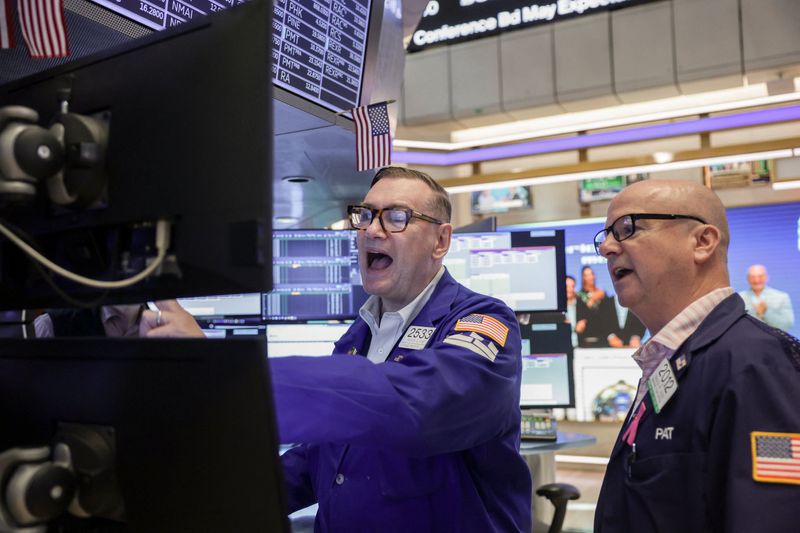
- Stock Performance: Abercrombie & Fitch, Gap, VF Corp, Capri, Ralph Lauren, and Tapestry have all seen their stock prices decline by 2% to 8%.
- Market Trends: The drop in stock prices reflects broader market trends affecting retail companies.
Trade with 70% Backtested Accuracy
Stop guessing "Should I Buy WMT?" and start using high-conviction signals backed by rigorous historical data.
Sign up today to access powerful investing tools and make smarter, data-driven decisions.
Analyst Views on WMT
Wall Street analysts forecast WMT stock price to rise
26 Analyst Rating
25 Buy
1 Hold
0 Sell
Strong Buy
Current: 118.900

Low
119.00
Averages
125.75
High
136.00
Current: 118.900
Low
119.00
Averages
125.75
High
136.00
About WMT
Walmart Inc. is a technology-powered omnichannel retailer. The Company is engaged in the operation of retail and wholesale stores and clubs, as well as eCommerce Websites and mobile applications, located throughout the United States (U.S.), Africa, Canada, Central America, Chile, China, India and Mexico. It operates in three reportable segments: Walmart U.S., Walmart International and Sam's Club U.S. The Walmart U.S. segment includes the Company's mass merchandising concept in the U.S., as well as eCommerce, which includes omni-channel initiatives and certain other business offerings such as advertising services. The Walmart International segment consists of the Company's operations outside of the U.S. through its subsidiaries, as well as eCommerce and omni-channel initiatives. The Sam's Club U.S. segment includes the warehouse membership clubs in the U.S., as well as samsclub.com and omni-channel initiatives.
About the author

Emily J. Thompson
Emily J. Thompson, a Chartered Financial Analyst (CFA) with 12 years in investment research, graduated with honors from the Wharton School. Specializing in industrial and technology stocks, she provides in-depth analysis for Intellectia’s earnings and market brief reports.
Asda Supermarket Reports Continued Sales Decline

- Sales Decline Eases: Asda reported a 0.8% year-on-year decline in like-for-like sales for Q1, or a 1.3% drop adjusted for Easter timing, which is an improvement from the 4.2% decline in Q4 2025, indicating a slowing pace of sales decline despite ongoing market share pressures.
- Total Revenue Decline: The supermarket's total revenue for the first quarter was £5.0 billion ($6.7 billion), down 1.5% year-on-year, reflecting the challenges in achieving revenue growth amid fierce competition, which impacts profitability and market positioning.
- Tech Partnership for Online Revamp: Asda has partnered with technology firm Ocado to overhaul its online business, aiming to counter market share losses to Tesco, Sainsbury's, and discount retailers, demonstrating the company's strategic commitment to digital transformation.
- Debt Burden Affects Operations: Analysts highlight that the debt incurred during the £6.8 billion acquisition in 2021 has pressured Asda's operations, although the company claims all debt maturities are managed through 2028, raising concerns about its financial health.
See More

SpaceX IPO Approaches as Retail Sector Recovers


- SpaceX S-1 Filing Released: The S-1 filing from SpaceX reveals a total addressable market of $28.5 trillion, with 80% focused on enterprise AI, indicating a strategic pivot towards AI that is likely to attract investor interest and facilitate a successful IPO.
- Accelerated AI Investment: In the first quarter, SpaceX allocated 76% of its capital expenditures, amounting to $7.7 billion, towards AI, highlighting its prioritization of AI technology over rocket launches, which may reshape market perceptions of its business model.
- Starlink User Growth: Starlink's subscriber base more than doubled to 10.3 million over the past year, and despite a drop in average revenue per user to $66, it generated $4.4 billion in operational income over the past year, showcasing its potential as a profitable business.
- Retail Sector Recovery Signs: Target and Walmart reported same-store sales increases of 4.7% and 4.1%, respectively, with significant rises in store traffic, indicating a rebound in consumer confidence that may signal positive economic recovery trends.
See More

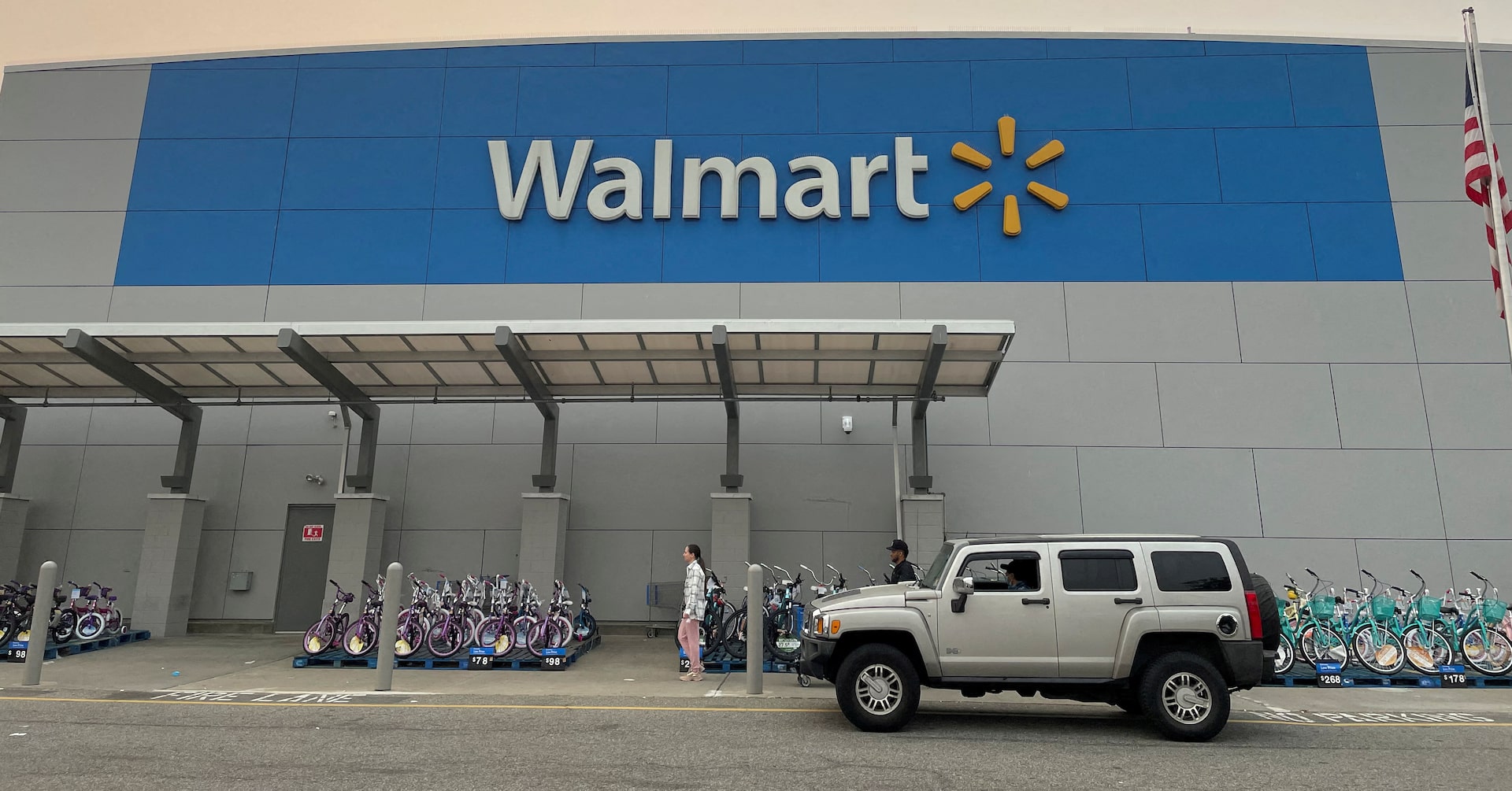
Walmart's Dividend Growth Amid Stock Price Decline

- Stable Dividend Growth: Walmart has increased its dividend for 53 consecutive years, demonstrating its reliability as a Dividend King, and while the dividend yield is only 0.8%, the consistent returns attract long-term investors.
- Stock Price Volatility: Despite meeting expectations for Q1 FY2027, Walmart's stock price dropped over 9% from May 20 to 26 due to a cautious outlook, reflecting market concerns over rising fuel costs impacting operations and consumer spending.
- Technology-Driven Growth: The introduction of the Walmart+ subscription plan has proven successful, with members spending four times more than non-members, and the quarterly revenue from membership fees increased by double digits, showcasing effective service transformation.
- Advertising Revenue Surge: Advertising revenue grew by 36% this quarter, becoming a significant part of Walmart's income, and combined with online sales and subscription services, it creates a sustainable revenue growth model that enhances the company's future profitability.
See More

Walmart's Dividend Opportunities Amid Stock Price Fluctuations
- Reliability of Dividend Kings: Walmart, recognized as a Dividend King, has increased its dividend for 53 consecutive years, providing a 150% return to shareholders over the past five years, showcasing its potential for stable dividends and stock price appreciation, despite a recent stock price drop of over 9% due to cautious outlook.
- Earnings Performance and Market Reaction: Walmart's fiscal 2027 Q1 results largely met expectations, but the stock price fell due to below-expectation guidance for the upcoming quarter, with investors concerned about rising fuel costs impacting distribution and consumer spending.
- Technology-Driven Growth: Walmart enhances its competitiveness through technological innovations, with the Walmart+ membership program leading to members spending four times more than non-members, and a double-digit increase in membership fee revenue this quarter, indicating strong growth potential in subscription and advertising revenue.
- Optimistic Management Outlook: Despite challenges from rising fuel costs, Walmart's management expresses optimism about future business potential, with CFO John Rainey stating that the excitement about the business is at its highest in years, reflecting confidence in sustained growth and dividend payouts.
See More

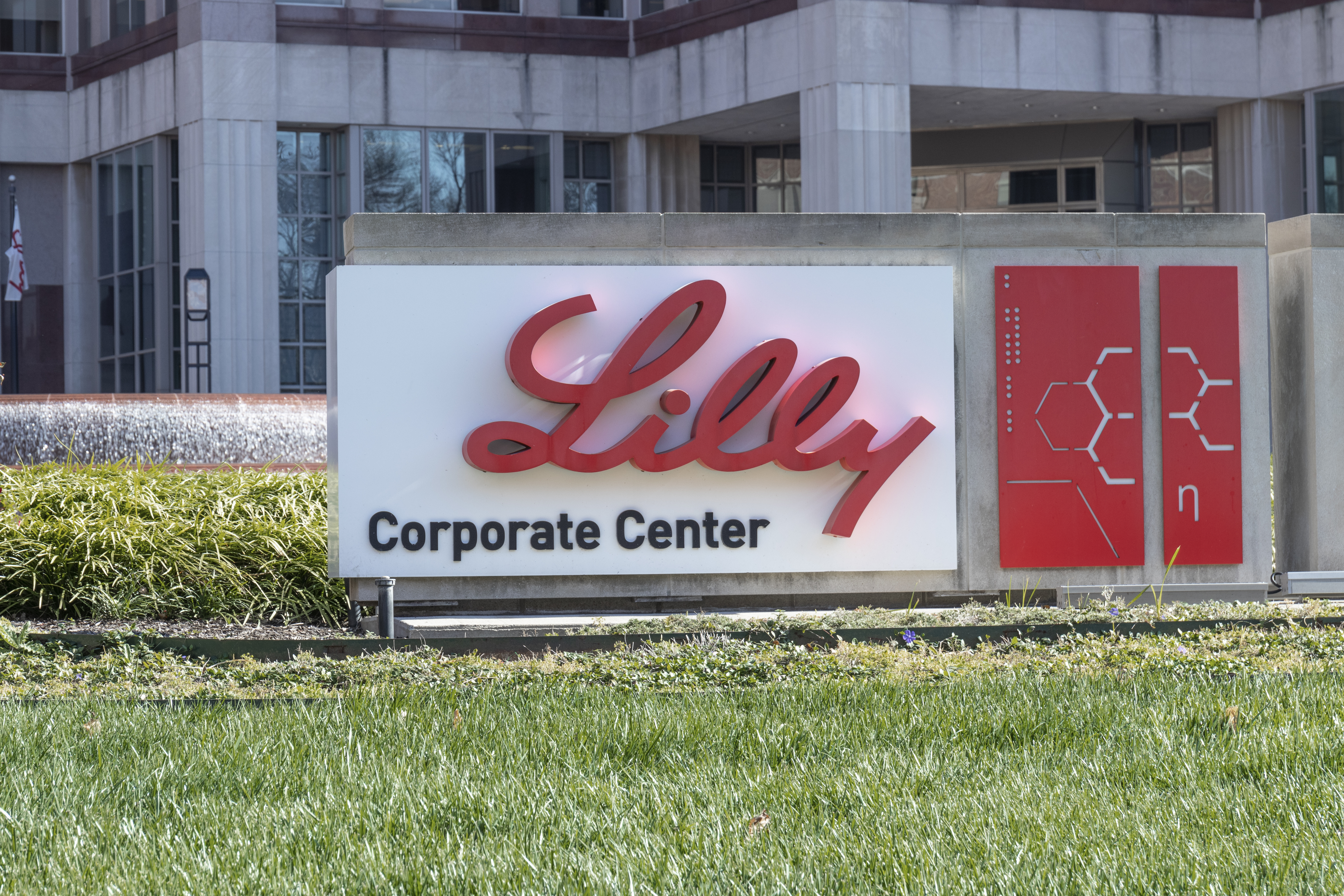
Eli Lilly's Stock Surpasses $1,000, Potential Split Ahead

- Market Share Leadership: Eli Lilly has captured a 60% share of the GLP-1 drug market in the U.S., surpassing rival Novo Nordisk, indicating strong performance in the obesity drug sector and expected revenue growth.
- Strong Stock Performance: Over the past three years, Lilly's stock has surged more than 160%, and despite a sluggish start to the year, it recently surpassed $1,000, reflecting investor confidence in its future growth prospects.
- Split Potential Analysis: The stock's rise above $1,000 may prompt the company to consider a stock split; although it has split its stock four times in the past, changes in management could influence future decisions.
- New Drug Driving Growth: The recent launch of Lilly's oral obesity drug Foundayo could serve as a new growth driver, and combined with existing products Mounjaro and Zepbound, sustained market demand may further elevate the stock price and trigger split discussions.
See More

Trump Administration's Immigration Enforcement Caused 668,000 Job Losses

- Impact of Immigration Enforcement: A report by the Brookings Institution indicates that the Trump administration's immigration enforcement surge in major U.S. cities last year resulted in approximately 668,000 job losses, significantly suppressing local economic activity, particularly in construction and other sectors reliant on undocumented workers.
- Job Loss to Arrest Ratio: The study found that for every additional ICE arrest, about 13 jobs were lost, illustrating the broad impact of immigration enforcement across multiple industries, including arts and entertainment, where immigrant employment is relatively limited.
- Decline in Consumer Spending: In immigrant-heavy communities, consumer spending saw a notable decline, with neighborhoods in Los Angeles experiencing a drop of up to 25% in spending within two months following the announcement of local ICE enforcement campaigns, exacerbating economic weakness.
- Reduction in Business Operations: As immigration enforcement became more visible, businesses generally scaled back staffing and activities, with estimates suggesting that between 51,000 and 297,000 of the lost jobs would have been held by U.S.-born workers, highlighting the potential impact of immigration policies on the native labor market.
See More
Asda Supermarket Reports Continued Sales Decline
- Sales Decline Eases: Asda reported a 0.8% year-on-year decline in like-for-like sales for Q1, or a 1.3% drop adjusted for Easter timing, which is an improvement from the 4.2% decline in Q4 2025, indicating a slowing pace of sales decline despite ongoing market share pressures.
- Total Revenue Decline: The supermarket's total revenue for the first quarter was £5.0 billion ($6.7 billion), down 1.5% year-on-year, reflecting the challenges in achieving revenue growth amid fierce competition, which impacts profitability and market positioning.
- Tech Partnership for Online Revamp: Asda has partnered with technology firm Ocado to overhaul its online business, aiming to counter market share losses to Tesco, Sainsbury's, and discount retailers, demonstrating the company's strategic commitment to digital transformation.
- Debt Burden Affects Operations: Analysts highlight that the debt incurred during the £6.8 billion acquisition in 2021 has pressured Asda's operations, although the company claims all debt maturities are managed through 2028, raising concerns about its financial health.
See More
SpaceX IPO Approaches as Retail Sector Recovers
- SpaceX S-1 Filing Released: The S-1 filing from SpaceX reveals a total addressable market of $28.5 trillion, with 80% focused on enterprise AI, indicating a strategic pivot towards AI that is likely to attract investor interest and facilitate a successful IPO.
- Accelerated AI Investment: In the first quarter, SpaceX allocated 76% of its capital expenditures, amounting to $7.7 billion, towards AI, highlighting its prioritization of AI technology over rocket launches, which may reshape market perceptions of its business model.
- Starlink User Growth: Starlink's subscriber base more than doubled to 10.3 million over the past year, and despite a drop in average revenue per user to $66, it generated $4.4 billion in operational income over the past year, showcasing its potential as a profitable business.
- Retail Sector Recovery Signs: Target and Walmart reported same-store sales increases of 4.7% and 4.1%, respectively, with significant rises in store traffic, indicating a rebound in consumer confidence that may signal positive economic recovery trends.
See More
Walmart's Dividend Growth Amid Stock Price Decline
- Stable Dividend Growth: Walmart has increased its dividend for 53 consecutive years, demonstrating its reliability as a Dividend King, and while the dividend yield is only 0.8%, the consistent returns attract long-term investors.
- Stock Price Volatility: Despite meeting expectations for Q1 FY2027, Walmart's stock price dropped over 9% from May 20 to 26 due to a cautious outlook, reflecting market concerns over rising fuel costs impacting operations and consumer spending.
- Technology-Driven Growth: The introduction of the Walmart+ subscription plan has proven successful, with members spending four times more than non-members, and the quarterly revenue from membership fees increased by double digits, showcasing effective service transformation.
- Advertising Revenue Surge: Advertising revenue grew by 36% this quarter, becoming a significant part of Walmart's income, and combined with online sales and subscription services, it creates a sustainable revenue growth model that enhances the company's future profitability.
See More
Walmart's Dividend Opportunities Amid Stock Price Fluctuations
- Reliability of Dividend Kings: Walmart, recognized as a Dividend King, has increased its dividend for 53 consecutive years, providing a 150% return to shareholders over the past five years, showcasing its potential for stable dividends and stock price appreciation, despite a recent stock price drop of over 9% due to cautious outlook.
- Earnings Performance and Market Reaction: Walmart's fiscal 2027 Q1 results largely met expectations, but the stock price fell due to below-expectation guidance for the upcoming quarter, with investors concerned about rising fuel costs impacting distribution and consumer spending.
- Technology-Driven Growth: Walmart enhances its competitiveness through technological innovations, with the Walmart+ membership program leading to members spending four times more than non-members, and a double-digit increase in membership fee revenue this quarter, indicating strong growth potential in subscription and advertising revenue.
- Optimistic Management Outlook: Despite challenges from rising fuel costs, Walmart's management expresses optimism about future business potential, with CFO John Rainey stating that the excitement about the business is at its highest in years, reflecting confidence in sustained growth and dividend payouts.
See More
Eli Lilly's Stock Surpasses $1,000, Potential Split Ahead
- Market Share Leadership: Eli Lilly has captured a 60% share of the GLP-1 drug market in the U.S., surpassing rival Novo Nordisk, indicating strong performance in the obesity drug sector and expected revenue growth.
- Strong Stock Performance: Over the past three years, Lilly's stock has surged more than 160%, and despite a sluggish start to the year, it recently surpassed $1,000, reflecting investor confidence in its future growth prospects.
- Split Potential Analysis: The stock's rise above $1,000 may prompt the company to consider a stock split; although it has split its stock four times in the past, changes in management could influence future decisions.
- New Drug Driving Growth: The recent launch of Lilly's oral obesity drug Foundayo could serve as a new growth driver, and combined with existing products Mounjaro and Zepbound, sustained market demand may further elevate the stock price and trigger split discussions.
See More
Trump Administration's Immigration Enforcement Caused 668,000 Job Losses
- Impact of Immigration Enforcement: A report by the Brookings Institution indicates that the Trump administration's immigration enforcement surge in major U.S. cities last year resulted in approximately 668,000 job losses, significantly suppressing local economic activity, particularly in construction and other sectors reliant on undocumented workers.
- Job Loss to Arrest Ratio: The study found that for every additional ICE arrest, about 13 jobs were lost, illustrating the broad impact of immigration enforcement across multiple industries, including arts and entertainment, where immigrant employment is relatively limited.
- Decline in Consumer Spending: In immigrant-heavy communities, consumer spending saw a notable decline, with neighborhoods in Los Angeles experiencing a drop of up to 25% in spending within two months following the announcement of local ICE enforcement campaigns, exacerbating economic weakness.
- Reduction in Business Operations: As immigration enforcement became more visible, businesses generally scaled back staffing and activities, with estimates suggesting that between 51,000 and 297,000 of the lost jobs would have been held by U.S.-born workers, highlighting the potential impact of immigration policies on the native labor market.
See More