Zacks Analyst Insights: Amazon, Toyota, Intuit, Eastman, and Armanino


Zacks Analyst Blog Highlights: The Zacks Equity Research team featured stocks including Amazon, Toyota, Intuit, Eastman Kodak, and Armanino Foods, providing insights into their recent performance and market outlooks.
Amazon's Growth and Challenges: Amazon's shares have seen a 3% increase over six months, driven by international expansion and AI integration, but face challenges from high capital expenditures and increasing competition.
Toyota's Performance and Outlook: Toyota's shares have outperformed its industry, boosted by hybrid vehicle sales and cost optimization, though it faces risks from material costs and foreign tariffs.
Intuit and Microcap Stocks: Intuit has struggled with higher expenses impacting profitability, while Eastman Kodak and Armanino Foods have shown strong performance in their respective sectors, despite facing unique operational challenges.
Trade with 70% Backtested Accuracy
Analyst Views on TM
About TM
About the author

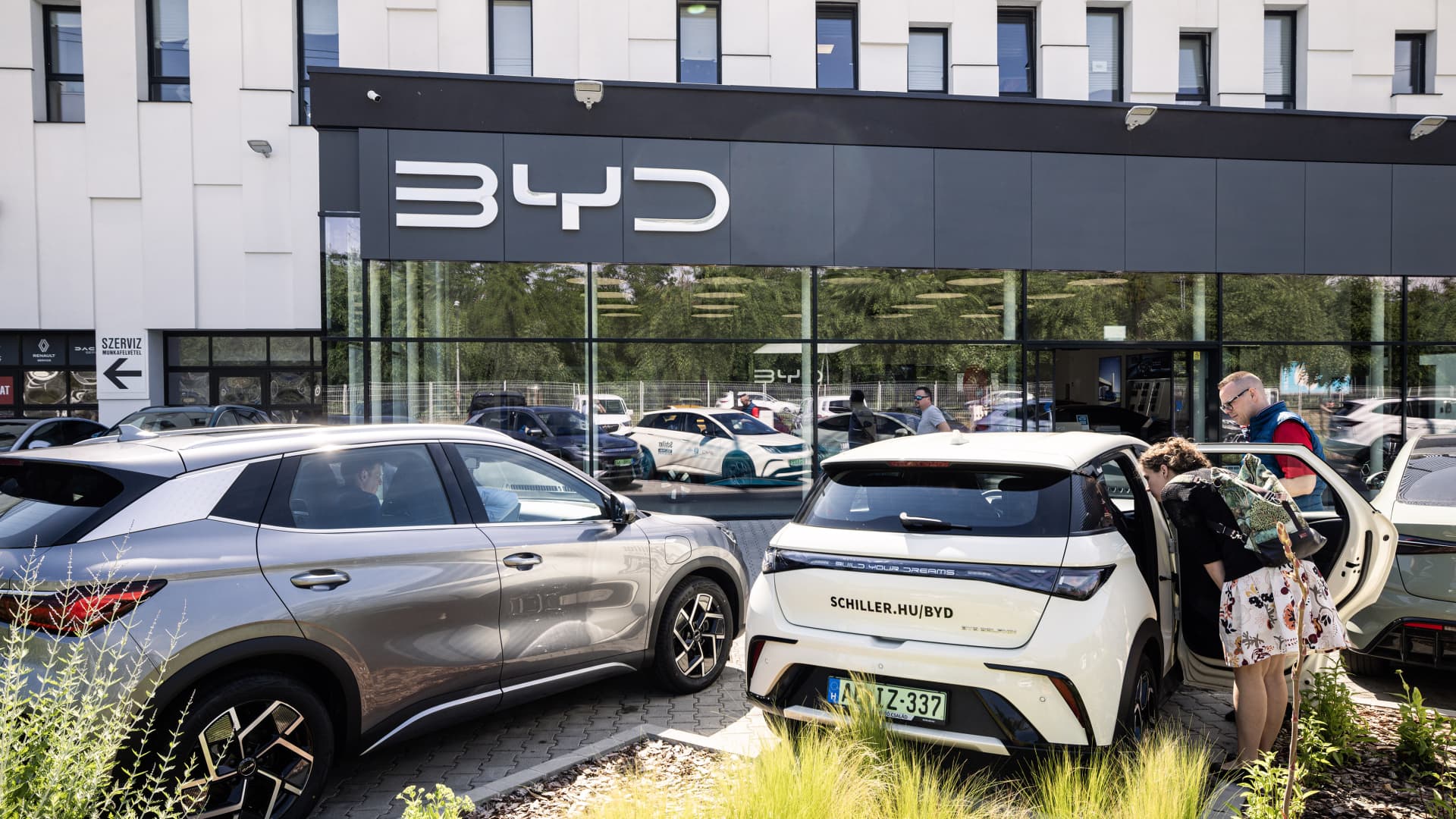
Canada's Introduction of Chinese EVs: Implications


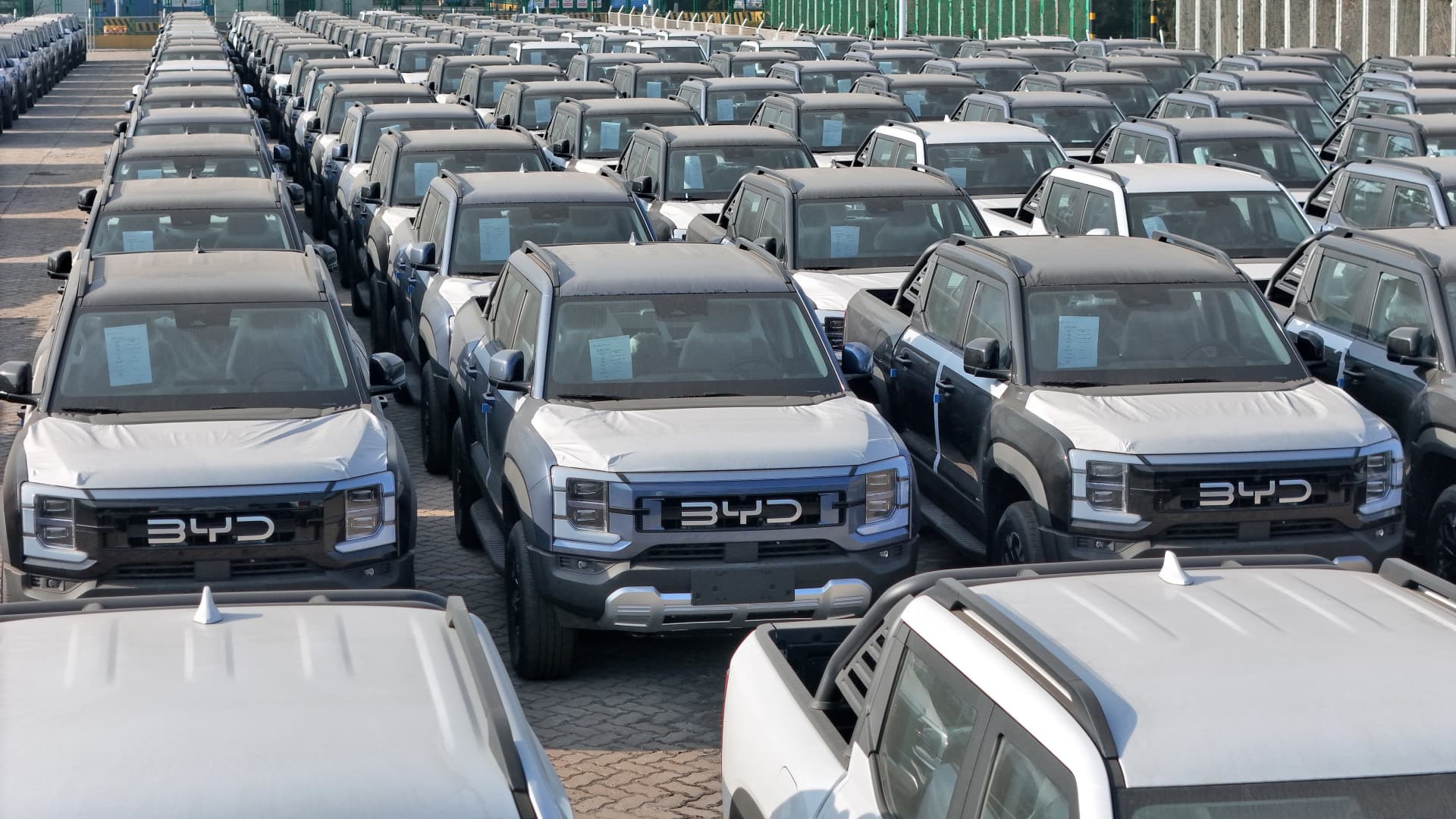
- Market Access Policy: Canada permits the import of 49,000 Chinese electric vehicles annually at a 6.1% tariff, significantly lower than the 100% tariff on other Chinese vehicles, aiming to control market entry while protecting domestic auto industry interests.
- Surge in Dealer Interest: Following the policy announcement, nearly 400 Canadian dealers have expressed interest in representing Chinese brands, indicating a strong market appetite for new competitors and potential consumer demand for diverse EV options.
- Positive Consumer Response: In Nova Scotia, consumers are showing keen interest in Chinese EVs, believing they will enhance market choices, particularly in light of rising gas prices, which makes electric vehicles increasingly appealing.
- Industry Competition Dynamics: While the introduction of Chinese EVs could capture 3% to 5% of the market share, experts suggest this level is insufficient to significantly alter the competitive landscape, with major brands like GM, Ford, and Toyota remaining dominant.
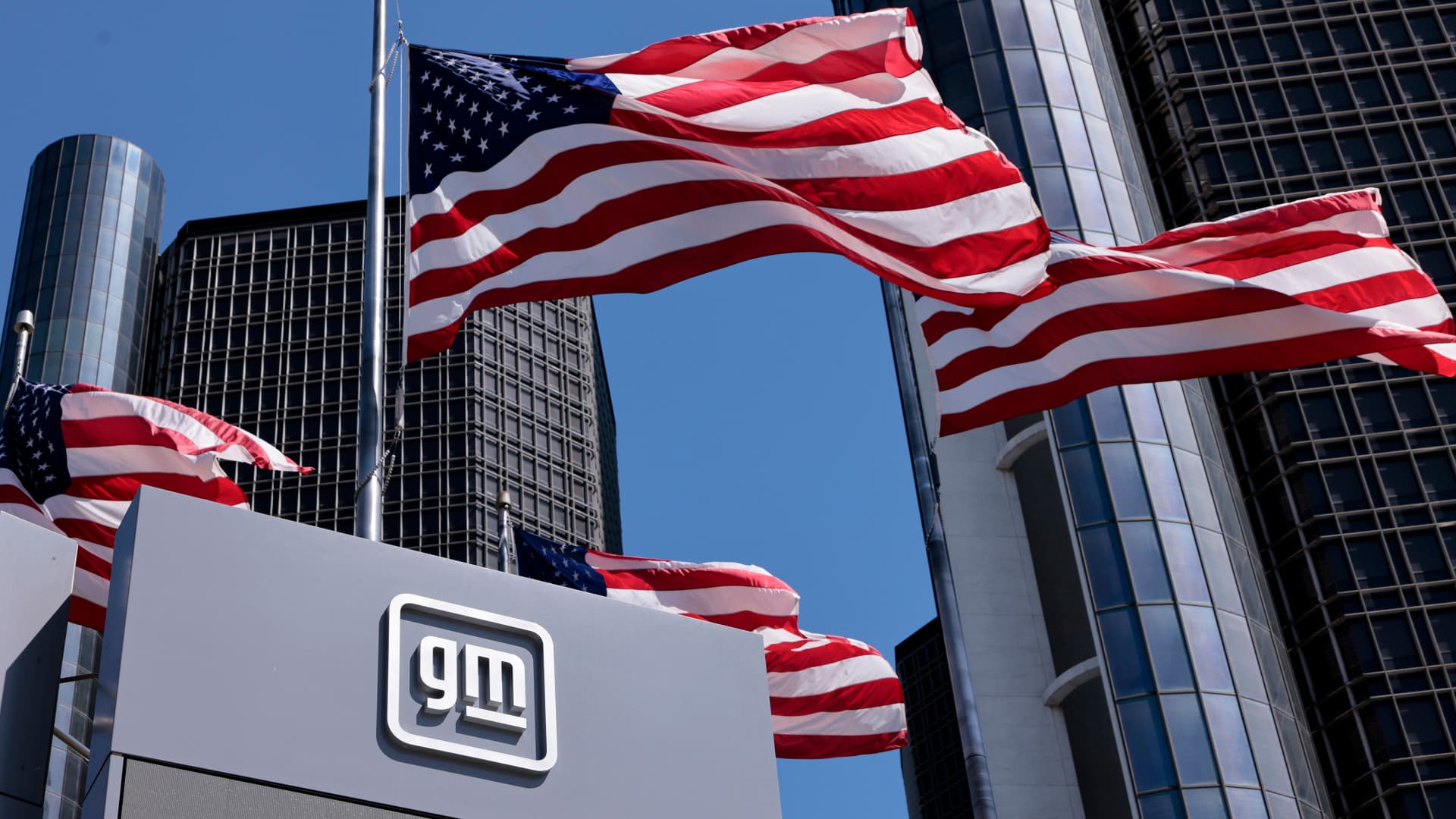
U.S. Automakers Cut Over 20,000 Jobs Amid AI Expansion

- Escalating Job Cuts: The Detroit Three automakers have collectively reduced over 20,000 white-collar jobs since recent employment peaks, representing 19% of their total workforce, highlighting significant challenges faced by the industry due to technological changes.
- GM Leads Layoffs: General Motors has cut approximately 11,000 employees from 2022 to 2023, despite having expanded to 58,000 white-collar workers in 2020, reflecting pressures as the company transitions towards software-defined and electric vehicles.
- AI's Profound Impact: Ford's CEO has stated that artificial intelligence could replace half of all white-collar jobs in the U.S., particularly in repetitive roles such as finance and IT, although positions in emerging areas like autonomous vehicles and cybersecurity are still on the rise.
- Hiring Amid Cuts: Despite layoffs, the three automakers are still hiring, particularly in AI-related fields, with GM planning to recruit over 250 AI positions, indicating a demand for new skills as companies navigate their transformation.
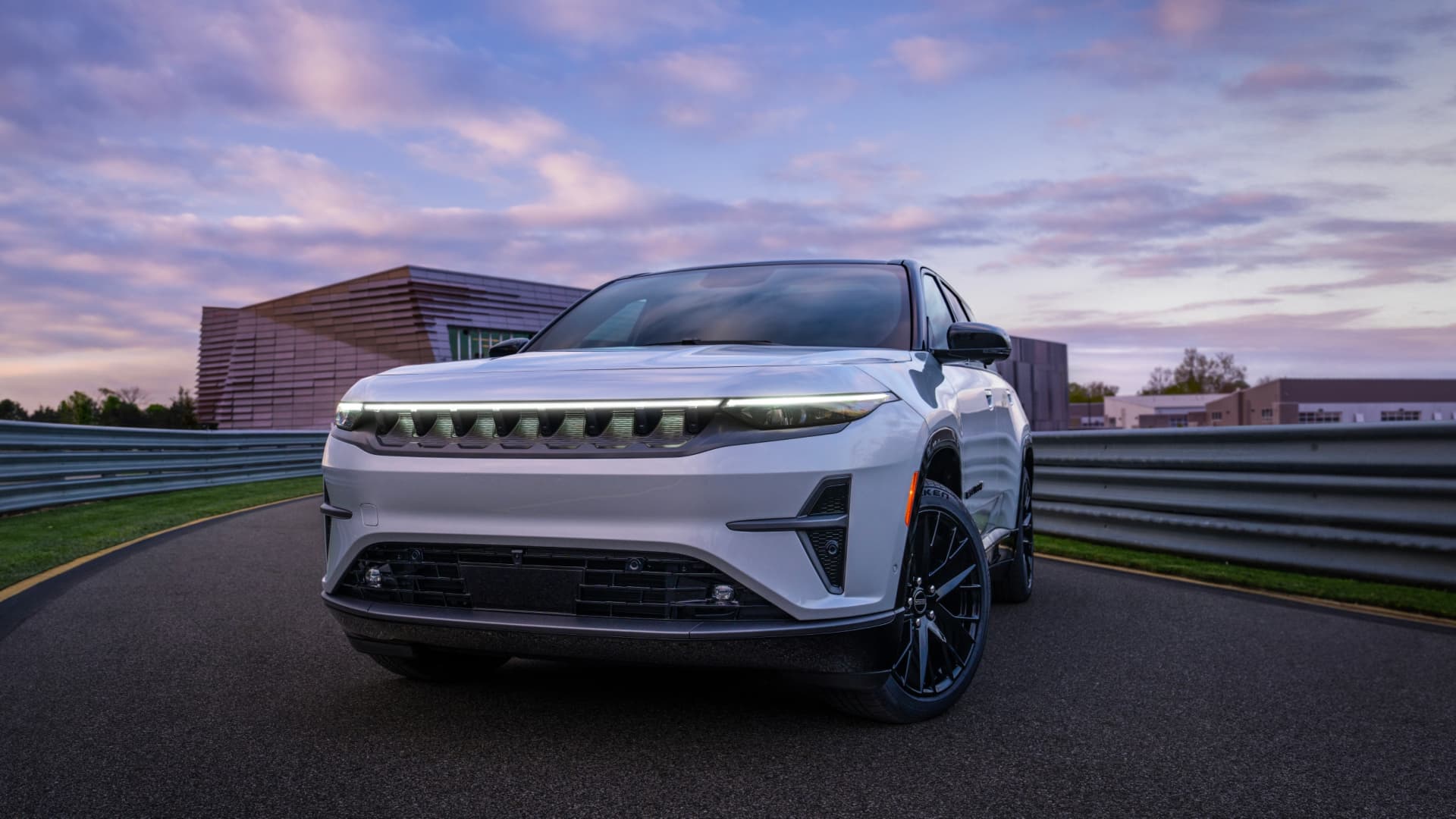
Detroit Three Automakers Cut Over 20,000 Jobs Amid AI Shift
- Massive Job Cuts: The Detroit Three automakers, GM, Ford, and Stellantis, have collectively cut over 20,000 U.S. salaried jobs, representing 19% of their total workforce, highlighting the significant challenges the industry faces due to technological changes.
- GM Leads Reductions: GM has reduced its workforce by approximately 11,000 employees from 2022 to 2023, primarily in its IT department, indicating a reassessment of human resources as the company transitions towards AI technologies.
- Escalating Industry Trends: Ford's CEO stated that AI could replace half of all white-collar jobs in the U.S., suggesting that the industry is undergoing profound structural changes that will require employees with new skills in the future.
- Hiring Amid Layoffs: Despite the job cuts, the Detroit automakers are still hiring, particularly in AI-related roles, demonstrating their commitment to adapting to new technologies while managing workforce transitions.
US Lawmakers Warn Against Allowing Chinese Automakers into Market
- Political Warnings Intensify: Bipartisan lawmakers in the U.S. caution the White House against using the auto market as a bargaining chip with China, especially after Trump's remarks about welcoming Chinese automakers, which could politically jeopardize the 2026 midterm elections.
- Job Risks Highlighted: The potential entry of Chinese automakers into the U.S. market poses a threat to manufacturing jobs in auto-heavy states like Michigan and Ohio, with lawmakers emphasizing the severe impact on local communities, reflecting the tension between national security and economic interests.
- Legislative Action Accelerates: Representatives from Michigan have introduced a bill to restrict Chinese-made connected vehicles and software, citing national security and data privacy concerns, indicating a strong vigilance against Chinese automotive technology.
- Market Competition Pressure: U.S. consumers face rising car prices, with the average new car costing $49,461, while China offers over 200 electric models priced below $25,000, raising concerns among lawmakers about the competitive impact of Chinese brands' low-price strategies in the U.S. market.
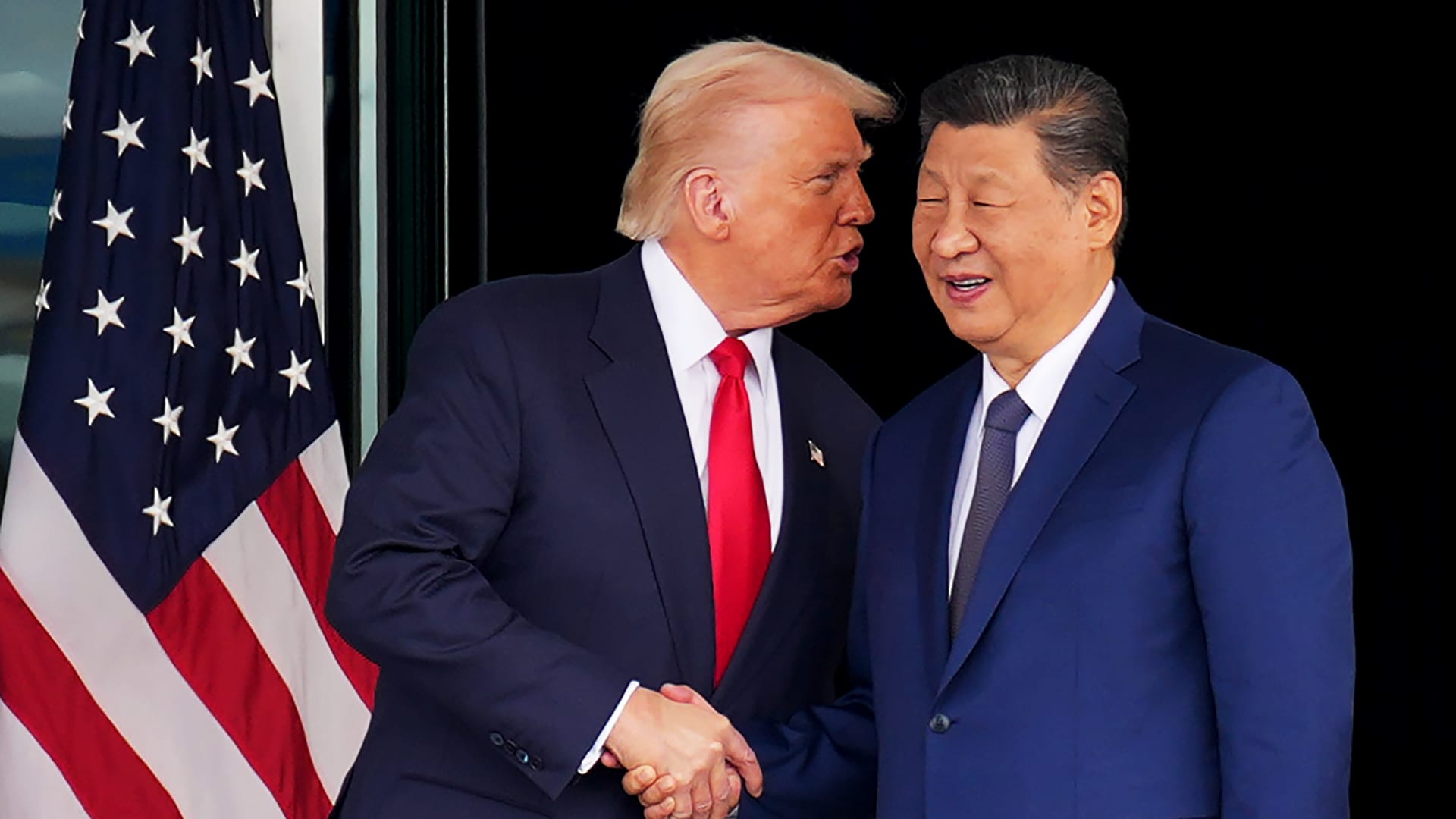
US-India Relations Face New Challenges Amidst US-China Summit

- Tension in US-India Relations: The shift in the Trump administration's China policy has strained US-India relations, with experts noting India's concerns that the US may prioritize China as the main negotiating partner, thereby diminishing India's strategic role in the Indo-Pacific.
- Need for Enhanced Strategic Value: To counter potential marginalization, India must establish more tangible cooperation with the US in sectors such as defense, maritime security, and critical minerals, thereby enhancing its strategic value and ensuring its importance in US-China relations.
- Changes in Trade Policy: The Trump administration's trade policy has become more transactional, with a 25% penalty tariff imposed on India last year for allegedly profiting from cheap Russian oil, further deteriorating bilateral relations.
- Concerns Over G2 Concept: India's attention to the US-China summit has intensified, with fears that the so-called 'G2' concept may marginalize middle powers like India, impacting its voice and influence in international affairs.
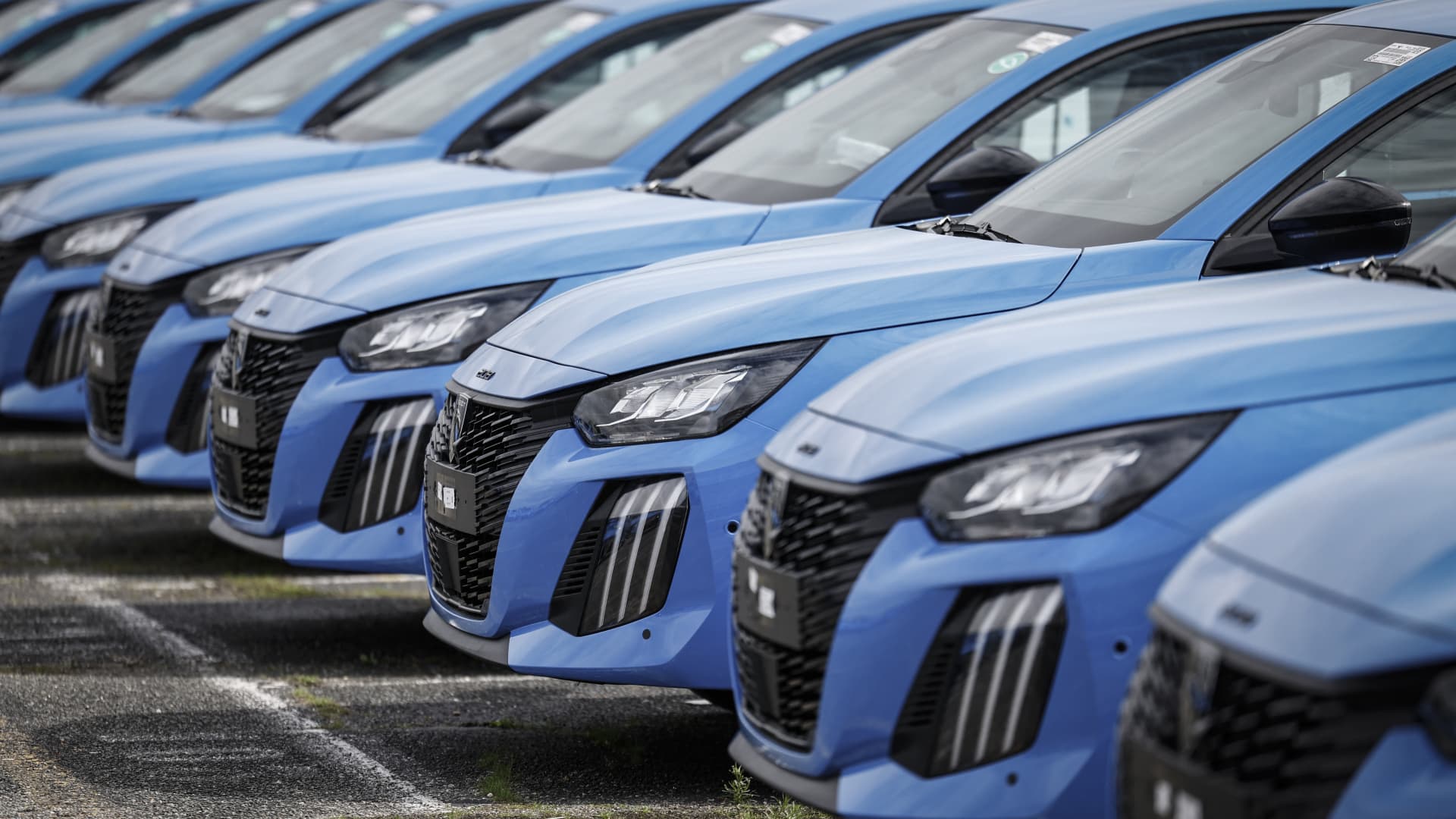
Stellantis Expands Strategic Partnership with Leapmotor
- Strategic Partnership Upgrade: Stellantis has expanded its partnership with China's Leapmotor, planning to start production of a model for the European market in 2028, which not only helps Stellantis solidify its market position in Europe but also provides Leapmotor with an entry point into the European market.
- Electric SUV Development: The two companies will jointly develop an electric SUV under the Opel brand, with production set to take place at Stellantis' Zaragoza plant in Spain, enhancing Stellantis' competitiveness in the electric vehicle sector while meeting the growing market demand.
- Tariff Avoidance Advantage: By collaborating with Leapmotor, Stellantis can sidestep the EU's
Canada's Introduction of Chinese EVs: Implications
- Market Access Policy: Canada permits the import of 49,000 Chinese electric vehicles annually at a 6.1% tariff, significantly lower than the 100% tariff on other Chinese vehicles, aiming to control market entry while protecting domestic auto industry interests.
- Surge in Dealer Interest: Following the policy announcement, nearly 400 Canadian dealers have expressed interest in representing Chinese brands, indicating a strong market appetite for new competitors and potential consumer demand for diverse EV options.
- Positive Consumer Response: In Nova Scotia, consumers are showing keen interest in Chinese EVs, believing they will enhance market choices, particularly in light of rising gas prices, which makes electric vehicles increasingly appealing.
- Industry Competition Dynamics: While the introduction of Chinese EVs could capture 3% to 5% of the market share, experts suggest this level is insufficient to significantly alter the competitive landscape, with major brands like GM, Ford, and Toyota remaining dominant.
U.S. Automakers Cut Over 20,000 Jobs Amid AI Expansion
- Escalating Job Cuts: The Detroit Three automakers have collectively reduced over 20,000 white-collar jobs since recent employment peaks, representing 19% of their total workforce, highlighting significant challenges faced by the industry due to technological changes.
- GM Leads Layoffs: General Motors has cut approximately 11,000 employees from 2022 to 2023, despite having expanded to 58,000 white-collar workers in 2020, reflecting pressures as the company transitions towards software-defined and electric vehicles.
- AI's Profound Impact: Ford's CEO has stated that artificial intelligence could replace half of all white-collar jobs in the U.S., particularly in repetitive roles such as finance and IT, although positions in emerging areas like autonomous vehicles and cybersecurity are still on the rise.
- Hiring Amid Cuts: Despite layoffs, the three automakers are still hiring, particularly in AI-related fields, with GM planning to recruit over 250 AI positions, indicating a demand for new skills as companies navigate their transformation.
Detroit Three Automakers Cut Over 20,000 Jobs Amid AI Shift
- Massive Job Cuts: The Detroit Three automakers, GM, Ford, and Stellantis, have collectively cut over 20,000 U.S. salaried jobs, representing 19% of their total workforce, highlighting the significant challenges the industry faces due to technological changes.
- GM Leads Reductions: GM has reduced its workforce by approximately 11,000 employees from 2022 to 2023, primarily in its IT department, indicating a reassessment of human resources as the company transitions towards AI technologies.
- Escalating Industry Trends: Ford's CEO stated that AI could replace half of all white-collar jobs in the U.S., suggesting that the industry is undergoing profound structural changes that will require employees with new skills in the future.
- Hiring Amid Layoffs: Despite the job cuts, the Detroit automakers are still hiring, particularly in AI-related roles, demonstrating their commitment to adapting to new technologies while managing workforce transitions.
US Lawmakers Warn Against Allowing Chinese Automakers into Market
- Political Warnings Intensify: Bipartisan lawmakers in the U.S. caution the White House against using the auto market as a bargaining chip with China, especially after Trump's remarks about welcoming Chinese automakers, which could politically jeopardize the 2026 midterm elections.
- Job Risks Highlighted: The potential entry of Chinese automakers into the U.S. market poses a threat to manufacturing jobs in auto-heavy states like Michigan and Ohio, with lawmakers emphasizing the severe impact on local communities, reflecting the tension between national security and economic interests.
- Legislative Action Accelerates: Representatives from Michigan have introduced a bill to restrict Chinese-made connected vehicles and software, citing national security and data privacy concerns, indicating a strong vigilance against Chinese automotive technology.
- Market Competition Pressure: U.S. consumers face rising car prices, with the average new car costing $49,461, while China offers over 200 electric models priced below $25,000, raising concerns among lawmakers about the competitive impact of Chinese brands' low-price strategies in the U.S. market.
US-India Relations Face New Challenges Amidst US-China Summit
- Tension in US-India Relations: The shift in the Trump administration's China policy has strained US-India relations, with experts noting India's concerns that the US may prioritize China as the main negotiating partner, thereby diminishing India's strategic role in the Indo-Pacific.
- Need for Enhanced Strategic Value: To counter potential marginalization, India must establish more tangible cooperation with the US in sectors such as defense, maritime security, and critical minerals, thereby enhancing its strategic value and ensuring its importance in US-China relations.
- Changes in Trade Policy: The Trump administration's trade policy has become more transactional, with a 25% penalty tariff imposed on India last year for allegedly profiting from cheap Russian oil, further deteriorating bilateral relations.
- Concerns Over G2 Concept: India's attention to the US-China summit has intensified, with fears that the so-called 'G2' concept may marginalize middle powers like India, impacting its voice and influence in international affairs.
Stellantis Expands Strategic Partnership with Leapmotor
- Strategic Partnership Upgrade: Stellantis has expanded its partnership with China's Leapmotor, planning to start production of a model for the European market in 2028, which not only helps Stellantis solidify its market position in Europe but also provides Leapmotor with an entry point into the European market.
- Electric SUV Development: The two companies will jointly develop an electric SUV under the Opel brand, with production set to take place at Stellantis' Zaragoza plant in Spain, enhancing Stellantis' competitiveness in the electric vehicle sector while meeting the growing market demand.
- Tariff Avoidance Advantage: By collaborating with Leapmotor, Stellantis can sidestep the EU's