XLF, OPTZ: Big ETF Inflows
Written by Emily J. Thompson, Senior Investment Analyst
Updated: May 22 2024
0mins


Source: NASDAQ.COM
- ETF Inflows: The OPTZ ETF had the biggest increase in inflows, adding 1,000,000 units, representing a 40.0% increase in outstanding units.
- Video Content: The video discusses ETF inflows for XLF and OPTZ, highlighting significant changes in unit numbers.
- Disclaimer: The views expressed in the content are those of the author and may not necessarily reflect those of Nasdaq, Inc.
Trade with 70% Backtested Accuracy
Stop guessing "Should I Buy JPM?" and start using high-conviction signals backed by rigorous historical data.
Sign up today to access powerful investing tools and make smarter, data-driven decisions.
Analyst Views on JPM
Wall Street analysts forecast JPM stock price to rise
19 Analyst Rating
11 Buy
7 Hold
1 Sell
Moderate Buy
Current: 334.070

Low
260.00
Averages
341.38
High
400.00
Current: 334.070
Low
260.00
Averages
341.38
High
400.00
About JPM
JPMorgan Chase & Co. is a financial holding company. The Company is engaged in investment banking, financial services for consumers and small businesses, commercial banking, financial transaction processing and asset management. The Company operates through three segments: Consumer & Community Banking (CCB), Commercial & Investment Bank (CIB), and Asset & Wealth Management (AWM). Its CCB segment offers products and services to consumers and small businesses through bank branches, ATMs, digital and telephone banking. Its CIB segment consists of banking and payments and markets and securities services, and offers a suite of investment banking, lending, payments, market-making, financing, custody and securities products and services to a global base of corporate and institutional clients. AWM segment offers investment and wealth management solutions. It offers multi-asset investment management solutions, retirement products and services, brokerage, custody, estate planning, and others.
About the author

Emily J. Thompson
Emily J. Thompson, a Chartered Financial Analyst (CFA) with 12 years in investment research, graduated with honors from the Wharton School. Specializing in industrial and technology stocks, she provides in-depth analysis for Intellectia’s earnings and market brief reports.
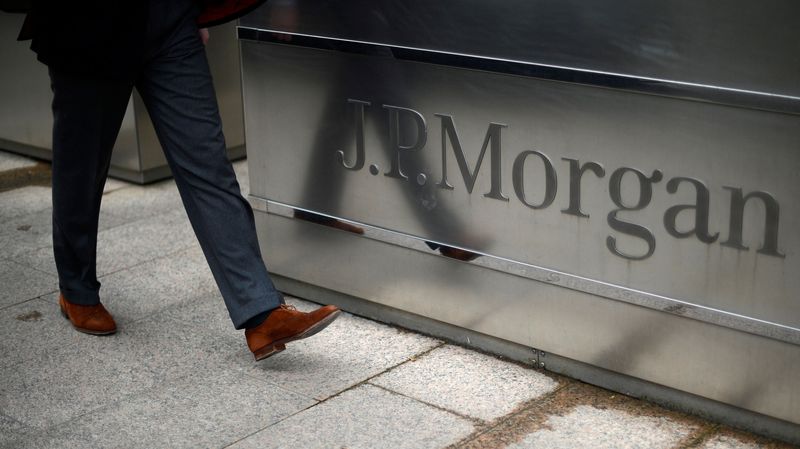
JPMorgan Passes Fed Stress Test, Announces Dividend Increase and Buyback

- Stress Test Success: JPMorgan Chase excelled in the Federal Reserve's stress test with a tier 1 capital ratio of 14.3%, significantly above the required 11.5%, indicating strong financial health and boosting investor confidence.
- Dividend and Buyback Announcement: The bank announced a 10% increase in dividends and a $50 billion share repurchase plan, which not only enhances shareholder returns but may also attract more investor interest, potentially driving the stock price higher.
- Strong Financial Performance: In Q1 2026, JPMorgan reported a 17% year-over-year increase in earnings per share and a 2 percentage point rise in return on tangible common equity, reflecting robust business growth and enhancing its competitive position in the market.
- Valuation Concerns: Despite strong performance, JPMorgan's price-to-earnings and price-to-book ratios are above their five-year averages, with the current P/E ratio around 15.5x, prompting investors to be cautious about buying at these elevated levels.
See More

JPMorgan Chase Announces 10% Dividend Increase and $50 Billion Buyback Plan
- Dividend Increase: JPMorgan Chase has announced a 10% increase in its dividend, reflecting the company's strong financial performance and robust capital base, which enhances investor confidence and signals a commitment to shareholder returns.
- Buyback Program: The bank also unveiled a $50 billion stock buyback plan aimed at boosting earnings per share by reducing the number of shares outstanding, demonstrating management's confidence in the company's future growth prospects.
- Financial Strength: In the Federal Reserve's stress test, JPMorgan Chase reported a tier 1 capital ratio of 14.3%, significantly above the required 11.5%, showcasing its strong resilience in adverse economic conditions and solidifying its position as one of the largest financial institutions globally.
- Valuation Concerns: Despite robust performance, the stock is trading near all-time highs with price-to-earnings and price-to-book ratios exceeding five-year averages, indicating that investors should carefully assess its value, especially in light of potential economic downturns.
See More

JPMorgan Chase Passes Fed Stress Test, Announces Dividend Increase
- Financial Strength: JPMorgan Chase's Tier 1 capital ratio stands at 14.3%, significantly above the Fed's requirement of 11.5%, indicating robust preparedness for economic adversity and bolstering investor confidence.
- Increased Shareholder Returns: Following the stress test, JPMorgan announced a 10% dividend increase and a $50 billion share repurchase plan, aimed at enhancing shareholder value and attracting more investor interest.
- Significant Earnings Growth: In Q1 2026, JPMorgan reported a 17% year-over-year increase in earnings per share and a 2 percentage point rise in return on tangible common equity, demonstrating strong growth across all business segments and solidifying its market position.
- Valuation Concerns: Despite strong performance, the stock's P/E ratio of 15.5 and P/S ratio of 4.8 are above their five-year averages, suggesting that the current stock price may be overvalued, prompting investors to exercise caution.
See More

JPMorgan Cuts Gold Price Forecast by 25%
- Short-Term Downgrade: JPMorgan has reduced its Q4 2026 gold price forecast by approximately 25%, from $6,000 to $4,500, reflecting weakened demand from key sectors, indicating a cautious sentiment in the short term.
- Price Volatility Expectation: The new forecast indicates an average gold price of $4,300 in Q3, with an anticipated rise to $4,500 in Q4, suggesting that prices will remain range-bound in the short term amid declining demand, prompting traders to prepare for sideways action.
- Long-Term Bullish Confidence: Despite the short-term downgrade, JPMorgan maintains a positive long-term outlook for gold, citing ongoing accumulation of gold reserves by central banks and continued allocation by institutional investors as key factors supporting prices and ensuring gold's role as a safe-haven asset.
- Impact on Crypto Markets: The competition between gold and Bitcoin as macro hedges may lead to some institutional capital shifting towards the crypto market due to gold's range-bound price, yet JPMorgan's long-term bullish stance ensures that gold will continue to serve as a store of value.
See More
SK Hynix Considers Underwriting Fee for U.S. Listing

- Potential Fundraising Size: SK Hynix is preparing for a U.S. listing, potentially selling up to 2.5% of its outstanding shares, which could raise approximately $26.5 billion, reflecting the company's strong market position amid surging demand for AI infrastructure.
- Underwriting Fee Structure: The company is considering a fee of about 0.5% for underwriters, which, while below typical fees for large U.S. offerings, could still generate over $130 million for participating banks, highlighting the transaction's profitability potential.
- Market Leadership: As a leading supplier of high-bandwidth memory chips for NVIDIA AI processors, SK Hynix has greatly benefited from the AI investment boom, with its stock significantly rising over the past year, indicating strong investor optimism regarding long-term demand.
- Stock Volatility: Despite recent heightened volatility due to concerns over the sustainability of AI-related spending, SK Hynix's stock remains substantially higher than a year ago, demonstrating continued market confidence in its future growth prospects.
See More

Multiple Firms Bullish on Innio N.V. Outlook


- Bullish Analyst Ratings: Bank of America, Goldman Sachs, and Morgan Stanley initiated coverage on Innio N.V. with buy ratings, setting price targets ranging from $42 to $50, indicating potential upside of up to 35%, reflecting strong market confidence in its growth prospects.
- Surge in Data Center Demand: Innio's engines are favored by data centers for their modular design and quick power delivery, with data centers accounting for 21% of equipment revenue in the past year, now representing 61% of recent orders, highlighting robust market demand driven by AI.
- Revenue Growth Potential: Analysts project Innio's revenue in the data center segment to grow at a compound annual growth rate of 103.4%, indicating significant advantages in meeting rapidly changing large load demands, further solidifying its market position.
- Risks and Challenges: Despite the optimistic outlook, Goldman Sachs noted risks related to capacity expansion and supply chain issues, particularly with a $4.8 billion backlog that could pressure the company if demand slows, necessitating close monitoring of market dynamics to ensure sustained growth.
See More
JPMorgan Passes Fed Stress Test, Announces Dividend Increase and Buyback
- Stress Test Success: JPMorgan Chase excelled in the Federal Reserve's stress test with a tier 1 capital ratio of 14.3%, significantly above the required 11.5%, indicating strong financial health and boosting investor confidence.
- Dividend and Buyback Announcement: The bank announced a 10% increase in dividends and a $50 billion share repurchase plan, which not only enhances shareholder returns but may also attract more investor interest, potentially driving the stock price higher.
- Strong Financial Performance: In Q1 2026, JPMorgan reported a 17% year-over-year increase in earnings per share and a 2 percentage point rise in return on tangible common equity, reflecting robust business growth and enhancing its competitive position in the market.
- Valuation Concerns: Despite strong performance, JPMorgan's price-to-earnings and price-to-book ratios are above their five-year averages, with the current P/E ratio around 15.5x, prompting investors to be cautious about buying at these elevated levels.
See More
JPMorgan Chase Announces 10% Dividend Increase and $50 Billion Buyback Plan
- Dividend Increase: JPMorgan Chase has announced a 10% increase in its dividend, reflecting the company's strong financial performance and robust capital base, which enhances investor confidence and signals a commitment to shareholder returns.
- Buyback Program: The bank also unveiled a $50 billion stock buyback plan aimed at boosting earnings per share by reducing the number of shares outstanding, demonstrating management's confidence in the company's future growth prospects.
- Financial Strength: In the Federal Reserve's stress test, JPMorgan Chase reported a tier 1 capital ratio of 14.3%, significantly above the required 11.5%, showcasing its strong resilience in adverse economic conditions and solidifying its position as one of the largest financial institutions globally.
- Valuation Concerns: Despite robust performance, the stock is trading near all-time highs with price-to-earnings and price-to-book ratios exceeding five-year averages, indicating that investors should carefully assess its value, especially in light of potential economic downturns.
See More
JPMorgan Chase Passes Fed Stress Test, Announces Dividend Increase
- Financial Strength: JPMorgan Chase's Tier 1 capital ratio stands at 14.3%, significantly above the Fed's requirement of 11.5%, indicating robust preparedness for economic adversity and bolstering investor confidence.
- Increased Shareholder Returns: Following the stress test, JPMorgan announced a 10% dividend increase and a $50 billion share repurchase plan, aimed at enhancing shareholder value and attracting more investor interest.
- Significant Earnings Growth: In Q1 2026, JPMorgan reported a 17% year-over-year increase in earnings per share and a 2 percentage point rise in return on tangible common equity, demonstrating strong growth across all business segments and solidifying its market position.
- Valuation Concerns: Despite strong performance, the stock's P/E ratio of 15.5 and P/S ratio of 4.8 are above their five-year averages, suggesting that the current stock price may be overvalued, prompting investors to exercise caution.
See More
JPMorgan Cuts Gold Price Forecast by 25%
- Short-Term Downgrade: JPMorgan has reduced its Q4 2026 gold price forecast by approximately 25%, from $6,000 to $4,500, reflecting weakened demand from key sectors, indicating a cautious sentiment in the short term.
- Price Volatility Expectation: The new forecast indicates an average gold price of $4,300 in Q3, with an anticipated rise to $4,500 in Q4, suggesting that prices will remain range-bound in the short term amid declining demand, prompting traders to prepare for sideways action.
- Long-Term Bullish Confidence: Despite the short-term downgrade, JPMorgan maintains a positive long-term outlook for gold, citing ongoing accumulation of gold reserves by central banks and continued allocation by institutional investors as key factors supporting prices and ensuring gold's role as a safe-haven asset.
- Impact on Crypto Markets: The competition between gold and Bitcoin as macro hedges may lead to some institutional capital shifting towards the crypto market due to gold's range-bound price, yet JPMorgan's long-term bullish stance ensures that gold will continue to serve as a store of value.
See More
SK Hynix Considers Underwriting Fee for U.S. Listing
- Potential Fundraising Size: SK Hynix is preparing for a U.S. listing, potentially selling up to 2.5% of its outstanding shares, which could raise approximately $26.5 billion, reflecting the company's strong market position amid surging demand for AI infrastructure.
- Underwriting Fee Structure: The company is considering a fee of about 0.5% for underwriters, which, while below typical fees for large U.S. offerings, could still generate over $130 million for participating banks, highlighting the transaction's profitability potential.
- Market Leadership: As a leading supplier of high-bandwidth memory chips for NVIDIA AI processors, SK Hynix has greatly benefited from the AI investment boom, with its stock significantly rising over the past year, indicating strong investor optimism regarding long-term demand.
- Stock Volatility: Despite recent heightened volatility due to concerns over the sustainability of AI-related spending, SK Hynix's stock remains substantially higher than a year ago, demonstrating continued market confidence in its future growth prospects.
See More
Multiple Firms Bullish on Innio N.V. Outlook
- Bullish Analyst Ratings: Bank of America, Goldman Sachs, and Morgan Stanley initiated coverage on Innio N.V. with buy ratings, setting price targets ranging from $42 to $50, indicating potential upside of up to 35%, reflecting strong market confidence in its growth prospects.
- Surge in Data Center Demand: Innio's engines are favored by data centers for their modular design and quick power delivery, with data centers accounting for 21% of equipment revenue in the past year, now representing 61% of recent orders, highlighting robust market demand driven by AI.
- Revenue Growth Potential: Analysts project Innio's revenue in the data center segment to grow at a compound annual growth rate of 103.4%, indicating significant advantages in meeting rapidly changing large load demands, further solidifying its market position.
- Risks and Challenges: Despite the optimistic outlook, Goldman Sachs noted risks related to capacity expansion and supply chain issues, particularly with a $4.8 billion backlog that could pressure the company if demand slows, necessitating close monitoring of market dynamics to ensure sustained growth.
See More