Woodside Energy Takes Control of Beaumont Ammonia Facility
Written by Emily J. Thompson, Senior Investment Analyst
Updated: 1 hour ago
0mins
Should l Buy WDS?
Source: seekingalpha
- Operational Control Assumed: Woodside Energy officially took control of the Beaumont New Ammonia facility in Texas on Wednesday after completing performance testing, marking a significant step in its expansion into new energy products.
- Capacity and Diversification: The facility boasts a production capacity of up to 1.1 million metric tons of ammonia per year, enhancing Woodside's product portfolio diversity and strengthening its competitive position in the global energy market.
- Delayed Low-Carbon Production: While traditional ammonia production commenced in December, the anticipated start of lower-carbon ammonia production has been postponed until after 2026 due to construction issues at a third-party feedstock supply facility, impacting the company's short-term strategic plans.
- Acquisition Context: Woodside acquired the Beaumont project for $2.35 billion in September 2024, achieving a milestone with the first production of traditional ammonia in December, laying the groundwork for its presence in the ammonia market.
Trade with 70% Backtested Accuracy
Stop guessing "Should I Buy WDS?" and start using high-conviction signals backed by rigorous historical data.
Sign up today to access powerful investing tools and make smarter, data-driven decisions.
Analyst Views on WDS
About WDS
Woodside Energy Group Ltd is a global energy company. Its segments include Australia, International and Marketing. The Australia segment is engaged in the exploration, evaluation, development, production and sale of liquefied natural gas, pipeline gas, crude oil and condensate and natural gas liquids in Australia. International segment is engaged in the exploration, evaluation, development, production and sale of pipeline gas, crude oil and condensate and natural gas liquids in international jurisdictions outside of Australia. Marketing segment is engaged in the marketing, shipping and trading of its oil and gas portfolio. Its projects include Pluto LNG, the North West Shelf Project, Macedon, Sangomar, the lower carbon ammonia project in Texas, and others. It holds an interest in Woodside Louisiana LNG, which is an under-construction LNG production and export terminal in Calcasieu Parish, Louisiana. The Sangomar, containing both oil and gas, is located 100 kilometers south of Dakar.
About the author

Emily J. Thompson
Emily J. Thompson, a Chartered Financial Analyst (CFA) with 12 years in investment research, graduated with honors from the Wharton School. Specializing in industrial and technology stocks, she provides in-depth analysis for Intellectia’s earnings and market brief reports.
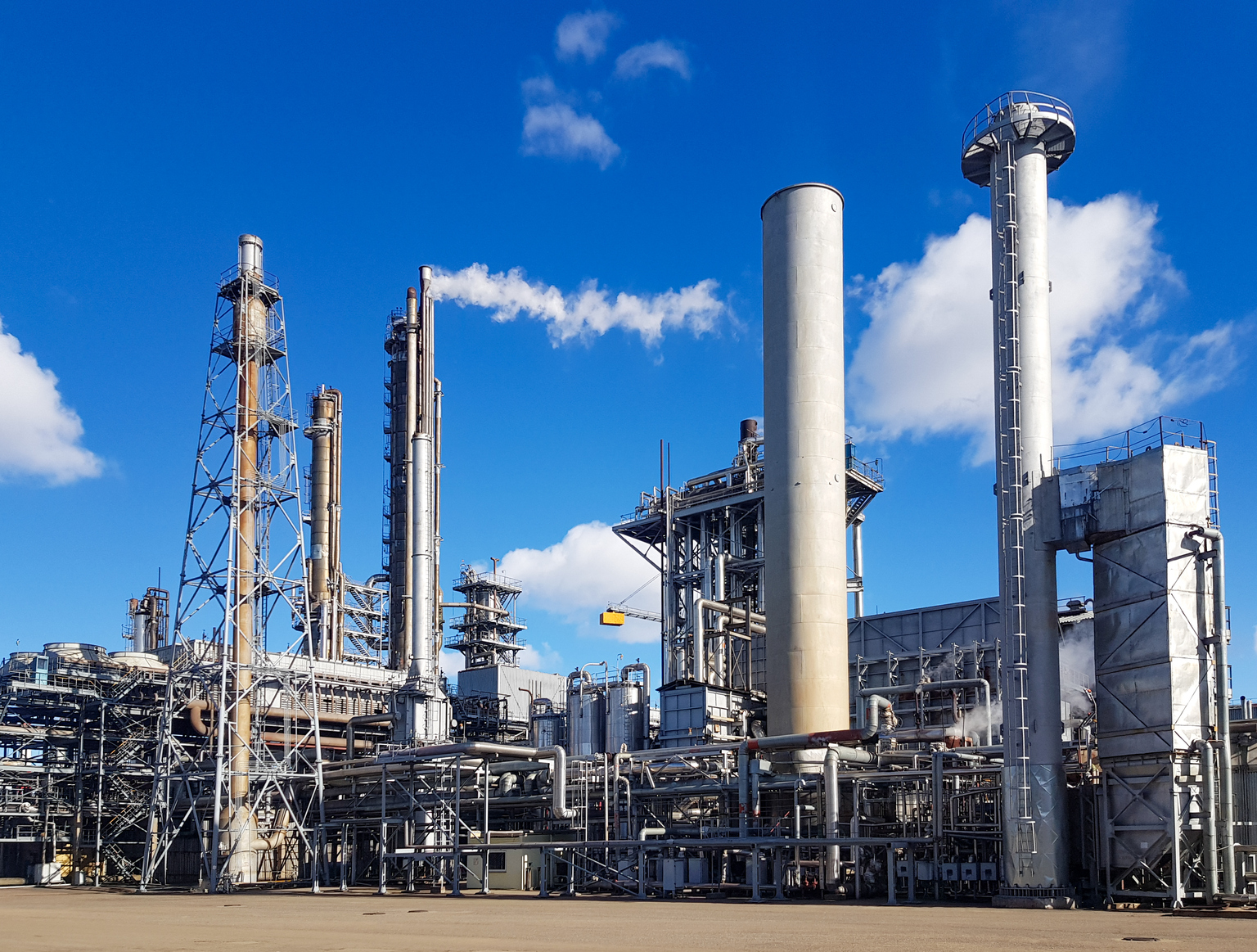
Woodside Energy Takes Control of Beaumont Ammonia Facility

- Operational Control Assumed: Woodside Energy officially took control of the Beaumont New Ammonia facility in Texas on Wednesday after completing performance testing, marking a significant step in its expansion into new energy products.
- Capacity and Diversification: The facility boasts a production capacity of up to 1.1 million metric tons of ammonia per year, enhancing Woodside's product portfolio diversity and strengthening its competitive position in the global energy market.
- Delayed Low-Carbon Production: While traditional ammonia production commenced in December, the anticipated start of lower-carbon ammonia production has been postponed until after 2026 due to construction issues at a third-party feedstock supply facility, impacting the company's short-term strategic plans.
- Acquisition Context: Woodside acquired the Beaumont project for $2.35 billion in September 2024, achieving a milestone with the first production of traditional ammonia in December, laying the groundwork for its presence in the ammonia market.
See More

Impact of Strait of Hormuz Closure on Oil Prices


- Crude Supply Tightness: The IEA reports that 25% of global seaborne oil flows through the Strait of Hormuz, and the prospect of its closure has driven oil prices up, prompting investors to consider U.S. companies like Devon Energy and Diamondback Energy to mitigate supply risks and secure capital returns.
- LNG Trade Disruption: Approximately 20% of global LNG trade passes through the Strait, and its closure will lead to rising prices worldwide, particularly impacting Europe; investors might look to Norway's Equinor and Australia's Woodside Energy to fill the supply gap in Asia.
- Refining Profit Surge: Refining stocks such as PBF Energy and Valero Energy have seen significant gains in 2026, with the 3-2-1 crack spread soaring from $20 at the start of the year to over $58, indicating that Asian refiners are facing higher crude procurement costs due to product shortages from the Gulf.
- Fertilizer Price Surge: The blockade of the Strait has stranded many fertilizer-laden ships, causing prices to soar and severely impacting Asian and African countries reliant on Gulf fertilizers; investors are turning to U.S. producers like CF Industries to navigate the tightening global fertilizer supply situation.
See More

Closure of Strait of Hormuz Disrupts Global Energy Markets
- Oil Price Surge: The International Energy Agency reports that 25% of the world's seaborne oil flows through the Strait of Hormuz, and its closure has led to a sharp increase in oil prices, destabilizing global energy markets, particularly affecting import-dependent nations.
- LNG Trade Disruption: Approximately 20% of global LNG trade passes through the Strait, and Iran's threats to energy infrastructure create uncertainty in LNG supply, potentially driving up global prices, especially pressuring the European market.
- Refining Sector Gains: Due to crude oil supply shortages, the refining crack spread has skyrocketed from $20 at the beginning of the year to $58, significantly boosting stocks of refining companies like PBF Energy and Valero Energy, indicating strong profit potential in the current market environment.
- Fertilizer Price Increases: The blockade of the Strait has left many fertilizer-laden ships stranded, causing fertilizer prices to soar, which poses a significant challenge for Asian and African countries reliant on Gulf fertilizers, prompting investors to focus on U.S. producers like CF Industries.
See More

Strait of Hormuz Closure Sparks Energy Stock Interest

- Infrastructure Risk: The closure of the Strait of Hormuz and threats to energy infrastructure have prompted investors to focus on energy-related stocks to mitigate potential market volatility, particularly with oil prices nearing $100 per barrel.
- Global Energy Flow Impact: According to the International Energy Agency (IEA), 34% of global crude oil trade and 20% of liquefied natural gas (LNG) flows through the Strait, posing a significant risk to global energy supply chains.
- Investment in CF Industries: CF Industries, the world's largest ammonia producer with six manufacturing facilities in the U.S., is well-positioned to leverage stable North American gas supplies to fill the fertilizer supply gap created by the Strait's closure, suggesting potential stock price increases.
- Woodside Energy Outlook: Woodside Energy Group has secured six new long-term LNG supply agreements in 2025 with Asia and Europe, and its assets in Western Australia position it advantageously to meet Asia's LNG demand, making it an attractive option for investors seeking stability.
See More

Geopolitical Risks in Persian Gulf Impact Energy Markets
- Vulnerable Energy Supply Chains: The closure of the Strait of Hormuz and threats to energy infrastructure have made LNG and fertilizer supply chains susceptible to long-term damage, pushing global oil prices near $100 per barrel and prompting investors to seek energy-related stocks to mitigate risks.
- Fertilizer Price Surge: Natural gas, a key raw material for fertilizers, sees heightened demand as 34% of global crude oil trade and 20% of LNG flows through the Strait, with countries like India, China, and Australia heavily reliant on fertilizers, further driving up prices this year.
- Investment Opportunity in CF Industries: As the world's largest ammonia producer, CF Industries operates six manufacturing facilities in the U.S. and benefits from stable North American gas supplies, positioning itself to fill the fertilizer supply gap created by the Strait's closure, with a market cap of $19.3 billion and $1.8 billion in free cash flow projected for 2025, indicating solid investment value.
- Woodside Energy's Outlook: Woodside Energy, with significant LNG assets in Western Australia, secured six long-term supply agreements in 2025 for its LNG in Asia and Europe, and while other LNG producers can address current supply gaps, Woodside is well-positioned to benefit from any structural shifts in Asia's LNG sourcing in the long term.
See More

Woodside Energy Appoints New CEO
- Leadership Change: Woodside Energy has appointed Liz Westcott as the new CEO, succeeding Meg O'Neill who left in December, with Westcott having led the company's Australian operations since June 2023, indicating stability in leadership.
- Extensive Industry Experience: Prior to joining Woodside, Westcott served as COO at EnergyAustralia and has a 25-year career at Exxon Mobil across Australia, the UK, and Italy, ensuring she brings a wealth of industry knowledge and management expertise.
- Positive Market Reaction: RBC Capital analyst Gordon Ramsay noted that Westcott's appointment is viewed as a low-risk choice that provides essential leadership skills to ensure the successful delivery of Woodside's major development projects, reflecting market confidence in her capabilities.
- Strategic Execution Capability: Westcott's appointment aligns with Woodside's strong performance in the LNG sector, demonstrating the company's commitment to disciplined execution and project delivery, which enhances its competitiveness in the energy market.
See More
Woodside Energy Takes Control of Beaumont Ammonia Facility
- Operational Control Assumed: Woodside Energy officially took control of the Beaumont New Ammonia facility in Texas on Wednesday after completing performance testing, marking a significant step in its expansion into new energy products.
- Capacity and Diversification: The facility boasts a production capacity of up to 1.1 million metric tons of ammonia per year, enhancing Woodside's product portfolio diversity and strengthening its competitive position in the global energy market.
- Delayed Low-Carbon Production: While traditional ammonia production commenced in December, the anticipated start of lower-carbon ammonia production has been postponed until after 2026 due to construction issues at a third-party feedstock supply facility, impacting the company's short-term strategic plans.
- Acquisition Context: Woodside acquired the Beaumont project for $2.35 billion in September 2024, achieving a milestone with the first production of traditional ammonia in December, laying the groundwork for its presence in the ammonia market.
See More
Impact of Strait of Hormuz Closure on Oil Prices
- Crude Supply Tightness: The IEA reports that 25% of global seaborne oil flows through the Strait of Hormuz, and the prospect of its closure has driven oil prices up, prompting investors to consider U.S. companies like Devon Energy and Diamondback Energy to mitigate supply risks and secure capital returns.
- LNG Trade Disruption: Approximately 20% of global LNG trade passes through the Strait, and its closure will lead to rising prices worldwide, particularly impacting Europe; investors might look to Norway's Equinor and Australia's Woodside Energy to fill the supply gap in Asia.
- Refining Profit Surge: Refining stocks such as PBF Energy and Valero Energy have seen significant gains in 2026, with the 3-2-1 crack spread soaring from $20 at the start of the year to over $58, indicating that Asian refiners are facing higher crude procurement costs due to product shortages from the Gulf.
- Fertilizer Price Surge: The blockade of the Strait has stranded many fertilizer-laden ships, causing prices to soar and severely impacting Asian and African countries reliant on Gulf fertilizers; investors are turning to U.S. producers like CF Industries to navigate the tightening global fertilizer supply situation.
See More
Closure of Strait of Hormuz Disrupts Global Energy Markets
- Oil Price Surge: The International Energy Agency reports that 25% of the world's seaborne oil flows through the Strait of Hormuz, and its closure has led to a sharp increase in oil prices, destabilizing global energy markets, particularly affecting import-dependent nations.
- LNG Trade Disruption: Approximately 20% of global LNG trade passes through the Strait, and Iran's threats to energy infrastructure create uncertainty in LNG supply, potentially driving up global prices, especially pressuring the European market.
- Refining Sector Gains: Due to crude oil supply shortages, the refining crack spread has skyrocketed from $20 at the beginning of the year to $58, significantly boosting stocks of refining companies like PBF Energy and Valero Energy, indicating strong profit potential in the current market environment.
- Fertilizer Price Increases: The blockade of the Strait has left many fertilizer-laden ships stranded, causing fertilizer prices to soar, which poses a significant challenge for Asian and African countries reliant on Gulf fertilizers, prompting investors to focus on U.S. producers like CF Industries.
See More
Strait of Hormuz Closure Sparks Energy Stock Interest
- Infrastructure Risk: The closure of the Strait of Hormuz and threats to energy infrastructure have prompted investors to focus on energy-related stocks to mitigate potential market volatility, particularly with oil prices nearing $100 per barrel.
- Global Energy Flow Impact: According to the International Energy Agency (IEA), 34% of global crude oil trade and 20% of liquefied natural gas (LNG) flows through the Strait, posing a significant risk to global energy supply chains.
- Investment in CF Industries: CF Industries, the world's largest ammonia producer with six manufacturing facilities in the U.S., is well-positioned to leverage stable North American gas supplies to fill the fertilizer supply gap created by the Strait's closure, suggesting potential stock price increases.
- Woodside Energy Outlook: Woodside Energy Group has secured six new long-term LNG supply agreements in 2025 with Asia and Europe, and its assets in Western Australia position it advantageously to meet Asia's LNG demand, making it an attractive option for investors seeking stability.
See More
Geopolitical Risks in Persian Gulf Impact Energy Markets
- Vulnerable Energy Supply Chains: The closure of the Strait of Hormuz and threats to energy infrastructure have made LNG and fertilizer supply chains susceptible to long-term damage, pushing global oil prices near $100 per barrel and prompting investors to seek energy-related stocks to mitigate risks.
- Fertilizer Price Surge: Natural gas, a key raw material for fertilizers, sees heightened demand as 34% of global crude oil trade and 20% of LNG flows through the Strait, with countries like India, China, and Australia heavily reliant on fertilizers, further driving up prices this year.
- Investment Opportunity in CF Industries: As the world's largest ammonia producer, CF Industries operates six manufacturing facilities in the U.S. and benefits from stable North American gas supplies, positioning itself to fill the fertilizer supply gap created by the Strait's closure, with a market cap of $19.3 billion and $1.8 billion in free cash flow projected for 2025, indicating solid investment value.
- Woodside Energy's Outlook: Woodside Energy, with significant LNG assets in Western Australia, secured six long-term supply agreements in 2025 for its LNG in Asia and Europe, and while other LNG producers can address current supply gaps, Woodside is well-positioned to benefit from any structural shifts in Asia's LNG sourcing in the long term.
See More
Woodside Energy Appoints New CEO
- Leadership Change: Woodside Energy has appointed Liz Westcott as the new CEO, succeeding Meg O'Neill who left in December, with Westcott having led the company's Australian operations since June 2023, indicating stability in leadership.
- Extensive Industry Experience: Prior to joining Woodside, Westcott served as COO at EnergyAustralia and has a 25-year career at Exxon Mobil across Australia, the UK, and Italy, ensuring she brings a wealth of industry knowledge and management expertise.
- Positive Market Reaction: RBC Capital analyst Gordon Ramsay noted that Westcott's appointment is viewed as a low-risk choice that provides essential leadership skills to ensure the successful delivery of Woodside's major development projects, reflecting market confidence in her capabilities.
- Strategic Execution Capability: Westcott's appointment aligns with Woodside's strong performance in the LNG sector, demonstrating the company's commitment to disciplined execution and project delivery, which enhances its competitiveness in the energy market.
See More