What’s Behind Today’s Surge in Opendoor Stock?
CEO Stock Purchase: Opendoor Technologies Inc. CEO Kaz Nejatian announced he would buy $1 million worth of company shares, signaling confidence in the company's future despite recent challenges in the housing market.
Market Response: Following the announcement, Opendoor's shares rose by 6.9% to $8.51, reflecting a positive market reaction to Nejatian's commitment and the company's strategic shift towards a volume-driven acquisition model.
Analyst Sentiment: Analyst ratings for Opendoor have been mixed, with several downgrades and underperform ratings, although some analysts, like JPMorgan's Dae Lee, remain optimistic about the company's long-term profitability potential.
Future Projections: Opendoor anticipates a 35% increase in acquisitions in the fourth quarter, driven by adjustments in pricing models and a focus on clearing legacy inventory, which may help stabilize the company's performance.
Trade with 70% Backtested Accuracy
Analyst Views on OPEN

About OPEN
About the author

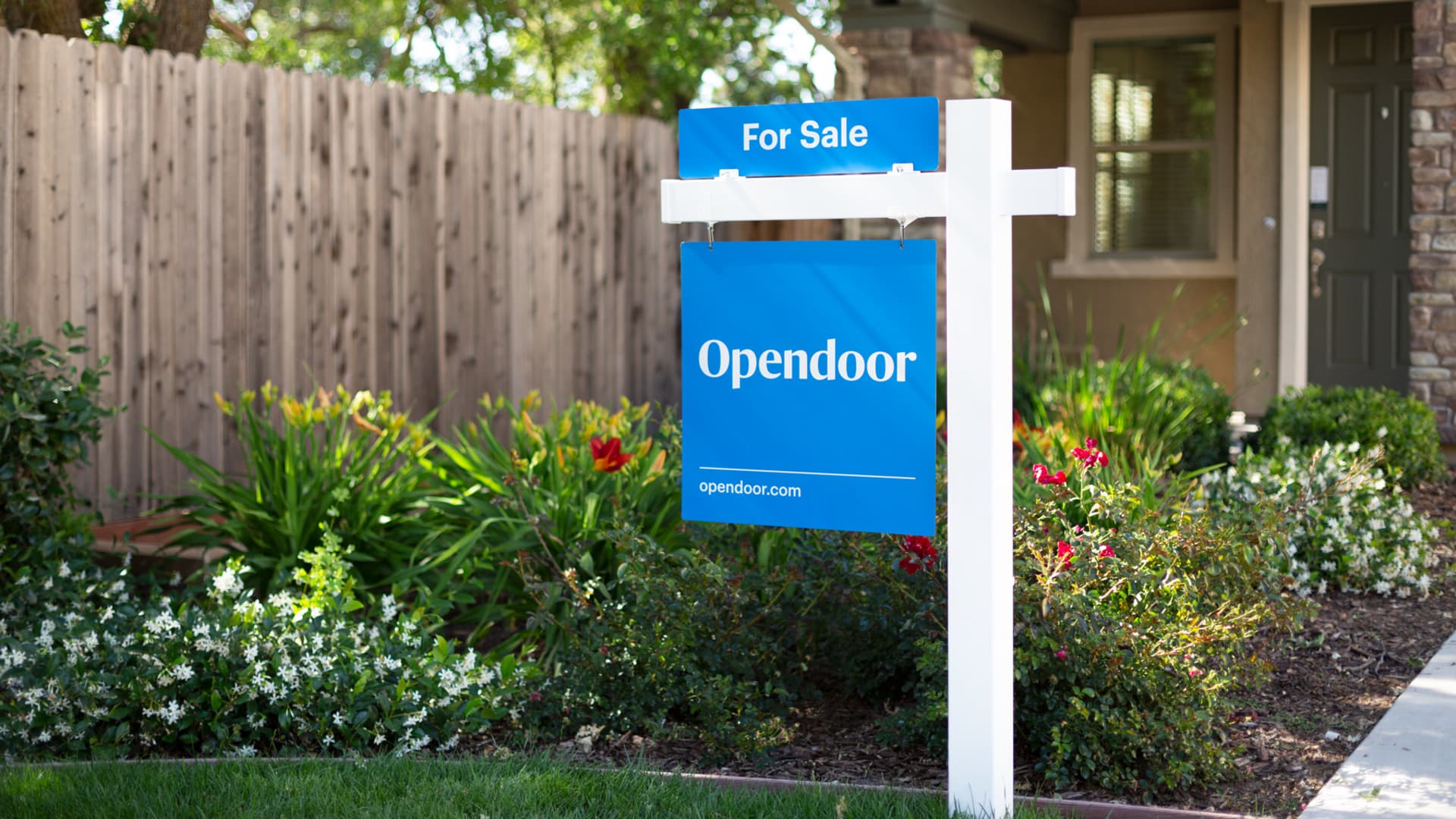
Opendoor Acquires Doma to Reduce Refinancing Costs

- Cost Reduction in Refinancing: Opendoor's acquisition of a stake in Doma aims to lower title search costs in real estate transactions through Doma's machine learning technology, which is expected to significantly enhance customer satisfaction and market competitiveness by making refinancing faster and cheaper.
- Efficiency Through Tech Integration: Doma's technology has been utilized in a Fannie Mae pilot program since 2024, allowing approximately 80% of refinancing candidates to bypass lender title insurance, which is anticipated to further streamline processes and reduce overall costs for customers.
- Employee Integration and Resource Optimization: The acquisition will bring 85 Doma employees into Opendoor, strengthening its tech team's capabilities to meet increasing market demand and improve service efficiency in property transactions.
- Market Demand Shifts: Despite a 20% drop in refinancing applications due to rising mortgage rates, executives from both companies believe that Opendoor's technology will capture a larger market share in the future, with each refinancing family expected to save around $1,100.

Skepticism on SaaS Companies' AI Hype


- AI Paradox Unveiled: Jackson's analysis of 716 SaaS earnings calls over two decades reveals that companies in the top quintile of AI language density underperformed the bottom quintile by 5.4 percentage points over the following 90 days, indicating an overreaction to AI hype in the market.
- Shifting Market Sentiment: He argues that many SaaS firms are overvalued due to growth narratives driven by AI, facing risks of slowing organic growth, rising customer acquisition costs, and deteriorating pricing power, particularly as enterprise spending tightens.
- Short Position Strategy: Jackson has established short positions in Salesforce, Asana, DocuSign, and Atlassian, all of which are trading at multi-year lows, with Asana hitting an all-time low, reflecting a pessimistic outlook on their future performance.
- Comparative Industry Analysis: While companies like CrowdStrike and Zscaler benefit from AI advancements, Jackson believes the market is punishing all related firms too harshly, leading to misjudgments in investment choices among investors.
Buffett Teams Up with Curry for Charity Lunch Revival

- Surging Oil Prices Impact Markets: The average price of gasoline in the U.S. has surpassed $4 per gallon for the first time since 2022, leading Wall Street to face its worst monthly and quarterly losses since 2022, prompting investors to consider the potential impact of oil prices on the stock market.
- Fed's Stabilizing Signal: Federal Reserve Chair Jerome Powell reassured investors at Harvard University that rising oil prices would not necessitate interest rate hikes, resulting in a significant drop in market expectations for future rate increases, reflecting confidence in economic stability.
- Opendoor Acquires Doma: Opendoor is acquiring parts of Doma to lower real estate transaction costs, particularly as mortgage refinancing applications decline, demonstrating the real estate market's adaptability amid rising rates due to geopolitical tensions.
- Novo Nordisk Launches Long-Term Subscriptions: Novo Nordisk has introduced multi-month subscriptions for Wegovy in an effort to compete with Eli Lilly, offering more cost-effective options that could attract additional users and enhance market share in the GLP-1 segment.

Consumer Sentiment Plummets, Impacting Stock Market

- Consumer Confidence Drop: The University of Michigan's survey revealed a March consumer sentiment index of 55.3, the lowest this year, primarily driven by financial concerns stemming from the Iran war, particularly among middle and higher-income households, which may lead to reduced consumer spending and impact corporate earnings and economic growth.
- Rising Inflation Expectations: Consumers now anticipate an average inflation rate of 3.8% over the next 12 months, indicating heightened concerns about the economic outlook, which could prompt more cautious spending behavior and exacerbate the risk of economic slowdown.
- Market Reaction: Stocks such as Opendoor, PENN Entertainment, and Bally's experienced significant declines, with Opendoor down 3.8%, PENN down 5.7%, and Bally's down 6.2%, reflecting the market's sensitivity to negative news and potentially providing investors with opportunities to buy quality stocks at lower prices.
- Bally's Stock Volatility: Bally's shares have seen 61 moves greater than 5% in the past year; despite today's drop, the market perceives the news as meaningful but not fundamentally altering its view of the business, especially following its partnership with Intralot to launch new lottery brands, which may support future growth.

Opendoor Shares Rise 1% Amid Stock Rebound
- Surge in Orders: CEO Kaz Nejatian noted that the Opendoor site was “slammed” with high order volumes, indicating strong market demand despite the stock's muted performance over the past month.
- Acquisition Growth: Weekly home acquisitions surged 36% week-over-week to 610, attracting attention from retail investors and showcasing the company's proactive approach to expanding market share.
- Popular Mortgage Product: Opendoor's 4.99% mortgage product, significantly below the market average, has drawn substantial interest from both users and investors, reflecting the company's competitive edge in financial product innovation.
- Market Sentiment Shift: While some retail traders questioned whether home acquisitions accurately reflect overall business performance, sentiment on Stocktwits shifted from 'bearish' to 'neutral', indicating a recovery in market confidence towards Opendoor.

Opendoor Stock Pullback Raises Concerns Over Future Prospects

- Stock Volatility: Opendoor's share price surged from $0.50 to nearly $11 in mid-2025, but has since fallen approximately 50% over the past six months, indicating waning investor confidence in its growth prospects.
- Management Changes Impact: In September 2025, Opendoor reappointed co-founders Keith Rabois and Eric Wu to the board and appointed Kaz Nejatian as CEO; however, these changes failed to sustain stock price momentum, leading to investor sell-offs.
- Market Environment Challenges: The sluggish U.S. housing market, characterized by high interest rates, low inventory, and affordability issues, poses significant challenges to Opendoor's business model, limiting its ability to enhance profitability.
- Uncertain Profit Outlook: Although Nejatian has implemented AI to improve margins, Opendoor faces substantial uncertainty in achieving breakeven profitability, and market sentiment towards its future has notably diminished.
Opendoor Acquires Doma to Reduce Refinancing Costs
- Cost Reduction in Refinancing: Opendoor's acquisition of a stake in Doma aims to lower title search costs in real estate transactions through Doma's machine learning technology, which is expected to significantly enhance customer satisfaction and market competitiveness by making refinancing faster and cheaper.
- Efficiency Through Tech Integration: Doma's technology has been utilized in a Fannie Mae pilot program since 2024, allowing approximately 80% of refinancing candidates to bypass lender title insurance, which is anticipated to further streamline processes and reduce overall costs for customers.
- Employee Integration and Resource Optimization: The acquisition will bring 85 Doma employees into Opendoor, strengthening its tech team's capabilities to meet increasing market demand and improve service efficiency in property transactions.
- Market Demand Shifts: Despite a 20% drop in refinancing applications due to rising mortgage rates, executives from both companies believe that Opendoor's technology will capture a larger market share in the future, with each refinancing family expected to save around $1,100.
Skepticism on SaaS Companies' AI Hype
- AI Paradox Unveiled: Jackson's analysis of 716 SaaS earnings calls over two decades reveals that companies in the top quintile of AI language density underperformed the bottom quintile by 5.4 percentage points over the following 90 days, indicating an overreaction to AI hype in the market.
- Shifting Market Sentiment: He argues that many SaaS firms are overvalued due to growth narratives driven by AI, facing risks of slowing organic growth, rising customer acquisition costs, and deteriorating pricing power, particularly as enterprise spending tightens.
- Short Position Strategy: Jackson has established short positions in Salesforce, Asana, DocuSign, and Atlassian, all of which are trading at multi-year lows, with Asana hitting an all-time low, reflecting a pessimistic outlook on their future performance.
- Comparative Industry Analysis: While companies like CrowdStrike and Zscaler benefit from AI advancements, Jackson believes the market is punishing all related firms too harshly, leading to misjudgments in investment choices among investors.
Buffett Teams Up with Curry for Charity Lunch Revival
- Surging Oil Prices Impact Markets: The average price of gasoline in the U.S. has surpassed $4 per gallon for the first time since 2022, leading Wall Street to face its worst monthly and quarterly losses since 2022, prompting investors to consider the potential impact of oil prices on the stock market.
- Fed's Stabilizing Signal: Federal Reserve Chair Jerome Powell reassured investors at Harvard University that rising oil prices would not necessitate interest rate hikes, resulting in a significant drop in market expectations for future rate increases, reflecting confidence in economic stability.
- Opendoor Acquires Doma: Opendoor is acquiring parts of Doma to lower real estate transaction costs, particularly as mortgage refinancing applications decline, demonstrating the real estate market's adaptability amid rising rates due to geopolitical tensions.
- Novo Nordisk Launches Long-Term Subscriptions: Novo Nordisk has introduced multi-month subscriptions for Wegovy in an effort to compete with Eli Lilly, offering more cost-effective options that could attract additional users and enhance market share in the GLP-1 segment.
Consumer Sentiment Plummets, Impacting Stock Market
- Consumer Confidence Drop: The University of Michigan's survey revealed a March consumer sentiment index of 55.3, the lowest this year, primarily driven by financial concerns stemming from the Iran war, particularly among middle and higher-income households, which may lead to reduced consumer spending and impact corporate earnings and economic growth.
- Rising Inflation Expectations: Consumers now anticipate an average inflation rate of 3.8% over the next 12 months, indicating heightened concerns about the economic outlook, which could prompt more cautious spending behavior and exacerbate the risk of economic slowdown.
- Market Reaction: Stocks such as Opendoor, PENN Entertainment, and Bally's experienced significant declines, with Opendoor down 3.8%, PENN down 5.7%, and Bally's down 6.2%, reflecting the market's sensitivity to negative news and potentially providing investors with opportunities to buy quality stocks at lower prices.
- Bally's Stock Volatility: Bally's shares have seen 61 moves greater than 5% in the past year; despite today's drop, the market perceives the news as meaningful but not fundamentally altering its view of the business, especially following its partnership with Intralot to launch new lottery brands, which may support future growth.
Opendoor Shares Rise 1% Amid Stock Rebound
- Surge in Orders: CEO Kaz Nejatian noted that the Opendoor site was “slammed” with high order volumes, indicating strong market demand despite the stock's muted performance over the past month.
- Acquisition Growth: Weekly home acquisitions surged 36% week-over-week to 610, attracting attention from retail investors and showcasing the company's proactive approach to expanding market share.
- Popular Mortgage Product: Opendoor's 4.99% mortgage product, significantly below the market average, has drawn substantial interest from both users and investors, reflecting the company's competitive edge in financial product innovation.
- Market Sentiment Shift: While some retail traders questioned whether home acquisitions accurately reflect overall business performance, sentiment on Stocktwits shifted from 'bearish' to 'neutral', indicating a recovery in market confidence towards Opendoor.
Opendoor Stock Pullback Raises Concerns Over Future Prospects
- Stock Volatility: Opendoor's share price surged from $0.50 to nearly $11 in mid-2025, but has since fallen approximately 50% over the past six months, indicating waning investor confidence in its growth prospects.
- Management Changes Impact: In September 2025, Opendoor reappointed co-founders Keith Rabois and Eric Wu to the board and appointed Kaz Nejatian as CEO; however, these changes failed to sustain stock price momentum, leading to investor sell-offs.
- Market Environment Challenges: The sluggish U.S. housing market, characterized by high interest rates, low inventory, and affordability issues, poses significant challenges to Opendoor's business model, limiting its ability to enhance profitability.
- Uncertain Profit Outlook: Although Nejatian has implemented AI to improve margins, Opendoor faces substantial uncertainty in achieving breakeven profitability, and market sentiment towards its future has notably diminished.