What distinguishes Plex from other streaming services?
Written by Emily J. Thompson, Senior Investment Analyst
Updated: Sep 27 2025
0mins


Should l Buy AMZN?
Source: Yahoo Finance
Plex's AVOD Service: Plex CEO Keith Valory highlights the success of their ad-supported video on demand (AVOD) service, which gained popularity during the COVID lockdowns and continues to thrive as consumers seek more affordable streaming options.
Content Accessibility and User Experience: Valory emphasizes Plex's commitment to being a primary source for content, allowing users to access their personal media libraries and directing them to other platforms like Netflix when necessary, rather than solely promoting its own catalog.
Trade with 70% Backtested Accuracy
Stop guessing "Should I Buy AMZN?" and start using high-conviction signals backed by rigorous historical data.
Sign up today to access powerful investing tools and make smarter, data-driven decisions.
Analyst Views on AMZN
Wall Street analysts forecast AMZN stock price to rise
44 Analyst Rating
41 Buy
3 Hold
0 Sell
Strong Buy
Current: 263.990

Low
175.00
Averages
280.01
High
325.00
Current: 263.990
Low
175.00
Averages
280.01
High
325.00
About AMZN
Amazon.com, Inc. provides a range of products and services to customers. The products offered through its stores include merchandise and content it has purchased for resale and products offered by third-party sellers. The Company’s segments include North America, International and Amazon Web Services (AWS). It serves consumers through its online and physical stores and focuses on selection, price, and convenience. Customers access its offerings through its websites, mobile apps, Alexa, devices, streaming, and physically visiting its stores. It also manufactures and sells electronic devices, including Kindle, Fire tablet, Fire TV, Echo, Ring, Blink, and eero, and develops and produces media content. It serves developers and enterprises of all sizes, including start-ups, government agencies, and academic institutions, through AWS, which offers a set of on-demand technology services, including compute, storage, database, analytics, and machine learning, and other services.
About the author

Emily J. Thompson
Emily J. Thompson, a Chartered Financial Analyst (CFA) with 12 years in investment research, graduated with honors from the Wharton School. Specializing in industrial and technology stocks, she provides in-depth analysis for Intellectia’s earnings and market brief reports.
Amazon Stock Surges as AWS Growth Accelerates

- Stock Recovery: Amazon's stock has surged approximately 14% year-to-date, with a nearly 25% increase over the last 30 days, indicating strong market optimism ahead of its upcoming first-quarter earnings report.
- AWS Growth Acceleration: In the fourth quarter, Amazon's net sales rose 14% year-over-year to $213.4 billion, with AWS sales increasing 24% to $35.6 billion, underscoring its critical role as a high-margin profit engine that enhances overall profitability.
- Massive Capital Expenditure Plan: Amazon anticipates capital expenditures to reach about $200 billion by 2026, primarily driven by demand in AI, robotics, and low-earth orbit satellites, reflecting a strong response to future demand despite potential short-term cash flow pressures.
- Cautious Profit Outlook: While the first-quarter sales guidance ranges from $173.5 billion to $178.5 billion, implying about 13% growth, the expected operating income growth of only 3.3% indicates challenges to profitability due to increased investments.
See More
Amazon Increases Investment to Meet AI Demand
- Surge in Capital Expenditure: Amazon plans to increase capital expenditures to $200 billion in 2023, representing over a 50% year-over-year rise, which initially led to a stock price drop, yet management remains confident in long-term returns.
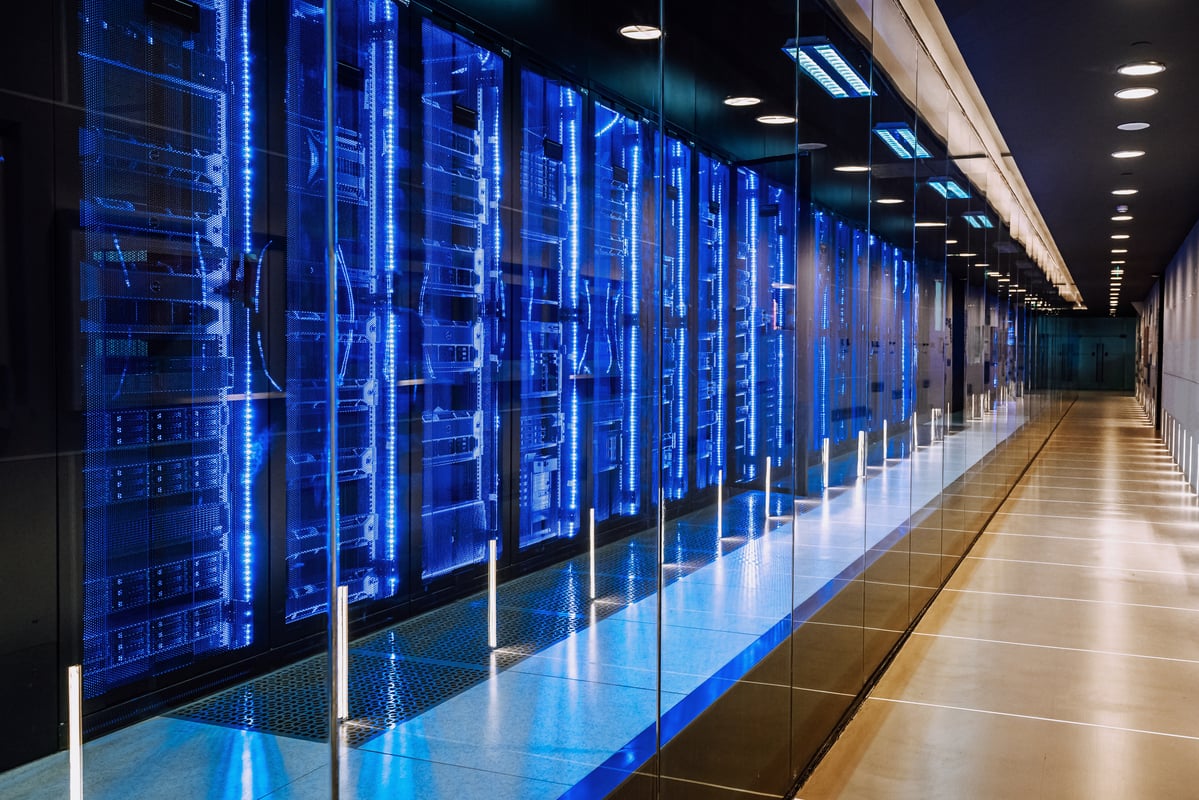
- Rising AI Demand: Collaboration with Anthropic highlights significant demand for compute capacity, with Amazon's investment in the AI lab increasing to $5 billion, with plans to add up to $20 billion to support AWS services.
- Revenue Growth Potential: AWS's AI revenue reached a $15 billion run rate earlier this year, and is expected to accelerate in the coming years, although this may lead to negative free cash flow in the short term due to new data center construction.
- Long-Term Growth Outlook: While negative free cash flow is anticipated in 2026, Amazon expects to generate higher free cash flow post-AI investment cycle, supporting its long-term growth strategy.
See More

SpaceX Acquires Cursor and Amazon Enters GLP-1 Market

- SpaceX Acquires Cursor: SpaceX is planning to acquire Cursor for $60 billion or pay $10 billion for collaboration, marking a significant move into the AI space, despite the complexities and potential delays associated with pre-IPO acquisitions, reflecting its ambition to transform into a tech giant.
- AI Strategic Shift: By partnering with Cursor, SpaceX aims to transition from a traditional rocket company to a tech engine that integrates space hardware with AI, addressing the significant energy and land requirements for AI computing, showcasing its long-term vision for space-based data centers.
- Amazon Enters GLP-1 Market: Amazon announced the introduction of GLP-1 medications to its platform, planning to offer same-day delivery in 4,500 cities, leveraging its robust logistics network and customer trust to disrupt traditional pharmacy markets and enhance consumer convenience in medication access.
- Competition in Healthcare: This move by Amazon could disrupt traditional pharmacies like CVS, and while challenges remain, its advantages in drug delivery and pricing strategies may attract more consumers, further solidifying its position in the healthcare sector.
See More

SpaceX Acquires Cursor, Elevating AI Strategy
- Acquisition Details: SpaceX plans to acquire Cursor for $60 billion or pay $10 billion to support collaboration, indicating its ongoing expansion in the AI sector, although this deal may impact its upcoming $2 trillion IPO.
- AI Strategy Transformation: By partnering with Cursor, SpaceX aims to transition from a traditional rocket manufacturer to a tech giant that integrates AI with space hardware, attempting to address the electricity and space requirements facing AI today.
- Market Competitive Advantage: SpaceX's goal is to establish an unmatched space infrastructure that combines powerful rockets with advanced AI technology, despite facing a $1 billion monthly burn rate in its AI division and significant technical challenges.
- Investor Confidence Test: While SpaceX's valuation reaches $2 trillion, skepticism about its commercial viability and technical feasibility persists, potentially affecting investor confidence and the success of its IPO.
See More
Cadence Raises 2026 Revenue Forecast Amid AI Demand Surge

- Revenue Forecast Increase: Cadence Design Systems raised its 2026 revenue forecast to between $6.13 billion and $6.23 billion, significantly up from the previous estimate of $5.9 billion to $6 billion, reflecting strong demand for its chip design tools, particularly in the AI processor sector.
- Earnings Guidance Downgrade: Despite the revenue increase, Cadence's annual adjusted profit per share forecast has been lowered to between $7.85 and $7.95, down from the earlier forecast of $8.05 to $8.15, indicating challenges in profitability amid cost pressures.
- Surge in Market Demand: The demand for Cadence's electronic design automation software and hardware has surged as tech giants like Google and Amazon design increasingly complex systems-on-a-chip and AI accelerators, solidifying its dominant position in the EDA industry.
- Partnership with Nvidia: Cadence's collaboration with Nvidia aims to integrate its physics engines with AI models to simulate real-world material interactions, a move that will advance robot design and enhance its competitive edge in the market.
See More

Amazon's Future Outlook for the Next Five Years
- Market Maturity: Amazon's market capitalization of $2.74 trillion indicates that its business is mature, suggesting limited future growth potential, which necessitates cautious evaluation of its market performance by investors.
- Advertising Business Growth: Amazon's advertising revenue grew by 22% year-over-year to $21.3 billion in Q4, leveraging its unique marketplace data to provide effective ad placements, enhancing client demand and pricing power.
- Surge in AI Investment: Amazon expects capital expenditures to reach a staggering $200 billion in 2023, a 60% increase from last year, which will significantly impact its cash flow and may hinder stock buybacks or dividend payments in the near future.
- Hardware Competitive Edge: Amazon signed a three-year deal with Meta to supply hundreds of thousands of Graviton chips, showcasing its rapid expansion in the AI hardware sector, which could become a new growth driver moving forward.
See More
Amazon Stock Surges as AWS Growth Accelerates
- Stock Recovery: Amazon's stock has surged approximately 14% year-to-date, with a nearly 25% increase over the last 30 days, indicating strong market optimism ahead of its upcoming first-quarter earnings report.
- AWS Growth Acceleration: In the fourth quarter, Amazon's net sales rose 14% year-over-year to $213.4 billion, with AWS sales increasing 24% to $35.6 billion, underscoring its critical role as a high-margin profit engine that enhances overall profitability.
- Massive Capital Expenditure Plan: Amazon anticipates capital expenditures to reach about $200 billion by 2026, primarily driven by demand in AI, robotics, and low-earth orbit satellites, reflecting a strong response to future demand despite potential short-term cash flow pressures.
- Cautious Profit Outlook: While the first-quarter sales guidance ranges from $173.5 billion to $178.5 billion, implying about 13% growth, the expected operating income growth of only 3.3% indicates challenges to profitability due to increased investments.
See More
Amazon Increases Investment to Meet AI Demand
- Surge in Capital Expenditure: Amazon plans to increase capital expenditures to $200 billion in 2023, representing over a 50% year-over-year rise, which initially led to a stock price drop, yet management remains confident in long-term returns.
- Rising AI Demand: Collaboration with Anthropic highlights significant demand for compute capacity, with Amazon's investment in the AI lab increasing to $5 billion, with plans to add up to $20 billion to support AWS services.
- Revenue Growth Potential: AWS's AI revenue reached a $15 billion run rate earlier this year, and is expected to accelerate in the coming years, although this may lead to negative free cash flow in the short term due to new data center construction.
- Long-Term Growth Outlook: While negative free cash flow is anticipated in 2026, Amazon expects to generate higher free cash flow post-AI investment cycle, supporting its long-term growth strategy.
See More
SpaceX Acquires Cursor and Amazon Enters GLP-1 Market
- SpaceX Acquires Cursor: SpaceX is planning to acquire Cursor for $60 billion or pay $10 billion for collaboration, marking a significant move into the AI space, despite the complexities and potential delays associated with pre-IPO acquisitions, reflecting its ambition to transform into a tech giant.
- AI Strategic Shift: By partnering with Cursor, SpaceX aims to transition from a traditional rocket company to a tech engine that integrates space hardware with AI, addressing the significant energy and land requirements for AI computing, showcasing its long-term vision for space-based data centers.
- Amazon Enters GLP-1 Market: Amazon announced the introduction of GLP-1 medications to its platform, planning to offer same-day delivery in 4,500 cities, leveraging its robust logistics network and customer trust to disrupt traditional pharmacy markets and enhance consumer convenience in medication access.
- Competition in Healthcare: This move by Amazon could disrupt traditional pharmacies like CVS, and while challenges remain, its advantages in drug delivery and pricing strategies may attract more consumers, further solidifying its position in the healthcare sector.
See More
SpaceX Acquires Cursor, Elevating AI Strategy
- Acquisition Details: SpaceX plans to acquire Cursor for $60 billion or pay $10 billion to support collaboration, indicating its ongoing expansion in the AI sector, although this deal may impact its upcoming $2 trillion IPO.
- AI Strategy Transformation: By partnering with Cursor, SpaceX aims to transition from a traditional rocket manufacturer to a tech giant that integrates AI with space hardware, attempting to address the electricity and space requirements facing AI today.
- Market Competitive Advantage: SpaceX's goal is to establish an unmatched space infrastructure that combines powerful rockets with advanced AI technology, despite facing a $1 billion monthly burn rate in its AI division and significant technical challenges.
- Investor Confidence Test: While SpaceX's valuation reaches $2 trillion, skepticism about its commercial viability and technical feasibility persists, potentially affecting investor confidence and the success of its IPO.
See More
Cadence Raises 2026 Revenue Forecast Amid AI Demand Surge
- Revenue Forecast Increase: Cadence Design Systems raised its 2026 revenue forecast to between $6.13 billion and $6.23 billion, significantly up from the previous estimate of $5.9 billion to $6 billion, reflecting strong demand for its chip design tools, particularly in the AI processor sector.
- Earnings Guidance Downgrade: Despite the revenue increase, Cadence's annual adjusted profit per share forecast has been lowered to between $7.85 and $7.95, down from the earlier forecast of $8.05 to $8.15, indicating challenges in profitability amid cost pressures.
- Surge in Market Demand: The demand for Cadence's electronic design automation software and hardware has surged as tech giants like Google and Amazon design increasingly complex systems-on-a-chip and AI accelerators, solidifying its dominant position in the EDA industry.
- Partnership with Nvidia: Cadence's collaboration with Nvidia aims to integrate its physics engines with AI models to simulate real-world material interactions, a move that will advance robot design and enhance its competitive edge in the market.
See More
Amazon's Future Outlook for the Next Five Years
- Market Maturity: Amazon's market capitalization of $2.74 trillion indicates that its business is mature, suggesting limited future growth potential, which necessitates cautious evaluation of its market performance by investors.
- Advertising Business Growth: Amazon's advertising revenue grew by 22% year-over-year to $21.3 billion in Q4, leveraging its unique marketplace data to provide effective ad placements, enhancing client demand and pricing power.
- Surge in AI Investment: Amazon expects capital expenditures to reach a staggering $200 billion in 2023, a 60% increase from last year, which will significantly impact its cash flow and may hinder stock buybacks or dividend payments in the near future.
- Hardware Competitive Edge: Amazon signed a three-year deal with Meta to supply hundreds of thousands of Graviton chips, showcasing its rapid expansion in the AI hardware sector, which could become a new growth driver moving forward.
See More