

Warren Calls Blocked Merger a Consumer Victory
Written by Emily J. Thompson, Senior Investment Analyst
Updated: May 02 2026
0mins
Source: Yahoo Finance
- Impact of Merger Block: Warren framed the blocking of the JetBlue-Spirit merger as a consumer victory, arguing that it would prevent fare increases due to reduced competition, highlighting longstanding antitrust concerns in the airline industry.
- Spirit Airlines' Struggles: After over three decades of operation, Spirit Airlines has shut down, with its CEO stating that sustaining the business required hundreds of millions in liquidity that the airline could not secure, indicating that the merger could have provided critical support.
- Potential Benefits of the Merger: The merger was expected to create the fifth-largest airline in the U.S., with JetBlue claiming it would help lower fares and enhance market competitiveness, but ultimately, these benefits were not realized.
- Future of Market Competition: The exit of Spirit may lead to increased market competition; while regulators feared that the merger would raise fares, the loss of Spirit as a low-cost carrier could have a more detrimental impact on consumers than the merger itself.
Trade with 70% Backtested Accuracy
Stop guessing "Should I Buy JBLU?" and start using high-conviction signals backed by rigorous historical data.
Sign up today to access powerful investing tools and make smarter, data-driven decisions.
Analyst Views on JBLU
Wall Street analysts forecast JBLU stock price to fall
10 Analyst Rating
0 Buy
5 Hold
5 Sell
Moderate Sell
Current: 5.220

Low
3.50
Averages
4.69
High
7.00
Current: 5.220
Low
3.50
Averages
4.69
High
7.00
About JBLU
JetBlue Airways Corporation provides air transportation services across the United States, Latin America, the Caribbean, Canada, and Europe. The Company offers customers a choice of one of three JetBlue experiences: the core experience, EvenMore and Mint. Within the core experience, there are four fares to choose from: Blue Basic, Blue, Blue Plus, and Blue Extra. All JetBlue fares include a free carry-on bag, free seatback entertainment, free high-speed Wi-Fi, free snacks, and free non-alcoholic beverages. Its entire fleet is equipped with Fly-Fi, a broadband product that allows gate-to-gate Wi-Fi at every seat. It also offers seatback screens across its fleet, with AVANT systems installed on the majority of its aircraft. The Company also sells vacation packages through its subsidiary, Paisly, LLC, which offers one-stop, value-priced vacation services for self-directed packaged travel planning.
About the author

Emily J. Thompson
Emily J. Thompson, a Chartered Financial Analyst (CFA) with 12 years in investment research, graduated with honors from the Wharton School. Specializing in industrial and technology stocks, she provides in-depth analysis for Intellectia’s earnings and market brief reports.

JetBlue Expands New Daily Mint Service
- New Route Launch: JetBlue announced the addition of a new daily Mint® service from Fort Lauderdale to San Diego starting November 19, marking the largest Mint schedule in the airline's history from FLL, enhancing travel options for South Florida customers.
- Increased Flight Frequency: The new service will increase daily flights from Fort Lauderdale to Los Angeles to eight and to San Francisco to three, addressing customer demand for premium travel while strengthening JetBlue's competitive position in the West Coast market.
- Enhanced Customer Experience: JetBlue's Mint service offers fully lie-flat seats and curated dining experiences, further improving customer comfort and satisfaction, reflecting the airline's differentiated positioning in the premium travel sector.
- Increased Market Investment: JetBlue has increased its daily departures from Fort Lauderdale by over 75% this year, expecting to reach approximately 150 daily flights by winter, demonstrating its commitment to the region and confidence in future growth.
See More
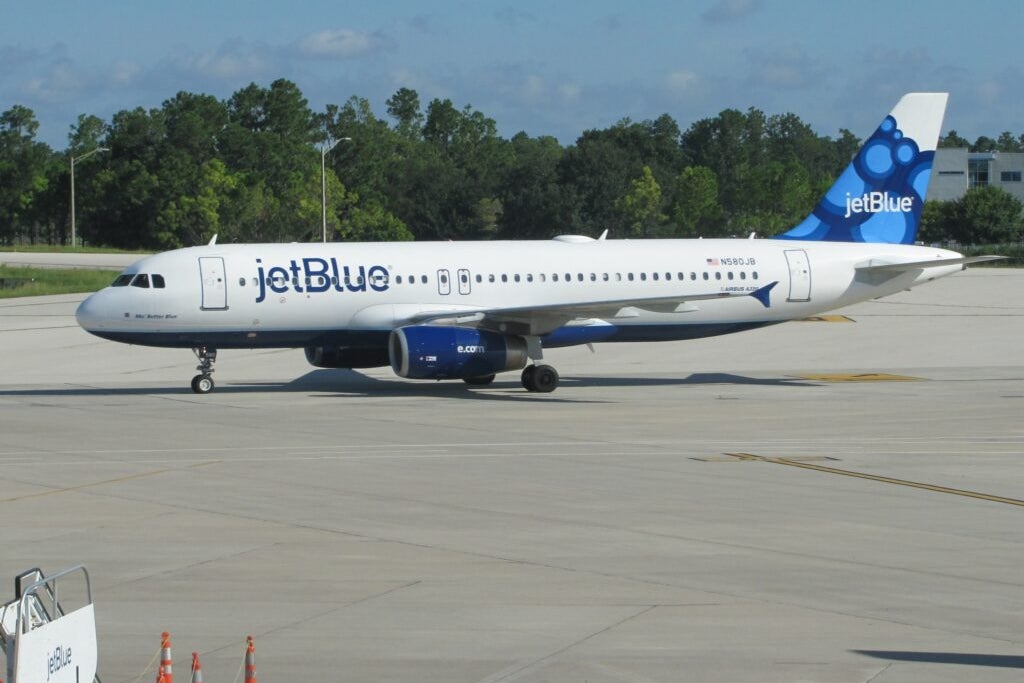
Hearing on U.S. Airline Competition and Regulation Scheduled

- Hearing Scheduled: A House Judiciary subcommittee will hold a hearing on June 24 regarding competition and regulation in the U.S. airline industry, with Airlines for America CEO Chris Sununu expected to testify, highlighting significant concerns about the current state of the airline sector.
- Impact of Spirit's Collapse: The collapse of Spirit Airlines in May resulted in approximately 15,000 job losses for employees and contractors, underscoring the vulnerability of low-cost carriers in the current market environment and raising further questions about airline competition policies.
- Escalating Policy Debate: Republicans are likely to use the hearing to criticize the Biden administration's airline competition policies for failing to protect jobs, while Democrats will emphasize the rollback of aviation consumer protection measures under the Trump administration, illustrating the sharp partisan divide over airline policy.
- Regulatory Investigation Updates: This week, the USDOT closed its investigation into a July 2024 incident involving Delta Air Lines that disrupted travel for 1.3 million customers, while also waiving an $11 million fine against Southwest Airlines, indicating a shift in regulatory attitudes towards airline accountability.
See More

Spirit Airlines Bankruptcy and Acquisition Proposal Update

- Declining Customer Satisfaction: Spirit Airlines scored only 66 on the 2026 American Customer Satisfaction Index (ACSI), falling behind low-cost rival Frontier Airlines, indicating severe deficiencies in customer experience that could lead to customer attrition and revenue decline.
- Bankruptcy Reorganization Failure: The airline ceased all operations on May 2, 2026, after failing to successfully reorganize, marking its exit from the aviation market despite its crucial role in keeping fares low, which has impacted pricing strategies across the industry.
- Acquisition Proposal Emerges: Mooney International has submitted a bid to acquire Spirit Airlines and related assets, aiming to combine operations to focus on affordable air travel, which, if successful, could restore the Spirit brand and its market position.
- Fare Increase Trend: The exit of Spirit Airlines has led to an average fare increase of $19 (approximately 14%) across about 90 routes, highlighting its significance in the market, with industry analysts noting that any airline's departure results in reduced seat supply, thereby driving up fares.
See More
JetBlue to Close Newark Base Amid Cost-Cutting Efforts
- Base Closure Announcement: JetBlue Airways plans to close its flight attendant and tech operations bases at Newark Liberty International Airport this fall as part of cost-cutting measures aimed at strengthening service at its profitable Fort Lauderdale hub.
- Market Share Overview: As of the end of 2025, JetBlue held a 13% share of airline seats across five airports in the New York metropolitan area, including Newark, LaGuardia, and JFK, indicating its competitive position in the region.
- Employee Transition Plans: The airline assured that the closure would not result in job losses for staff, who can either bid or transfer to other bases, reflecting the company's commitment to employee job security during restructuring.
- Future Expansion Strategy: Despite soaring jet fuel costs, JetBlue plans to continue expanding in South Florida, leveraging increased gate availability in the region to support its long-term growth strategy.
See More

JetBlue to Cut Newark Flight Attendant Base While Expanding in Florida
- Flight Attendant Base Changes: JetBlue plans to close its flight attendant base at Newark Liberty International Airport and reduce tech operations at LaGuardia, aiming to cut costs while enhancing service in Florida, with no job losses as staff can transfer.
- Route Optimization Strategy: The airline will end seasonal flights from Newark to Los Angeles and Las Vegas to support growth at Fort Lauderdale-Hollywood International Airport, reflecting its response to high operational costs and a focus on long-term profitability.
- Premium Lounge Initiative: JetBlue is scouting for space for a high-end lounge at Fort Lauderdale, reinforcing its position as the top carrier there, despite previously being second to Spirit Airlines, which collapsed in May.
- Profitability Recovery Efforts: Over recent years, JetBlue has trimmed unprofitable routes and cut costs, with its last profitable quarter being two years ago, but aims to return to steady profitability through expansion in Florida.
See More
JetBlue Airways Stock Rises 6.99% on Optimistic Revenue Guidance

- Stock Surge: JetBlue Airways (JBLU) shares rose 6.99% to close at $5.36, reflecting market optimism in the airline sector and an upgraded second-quarter revenue outlook, indicating improved demand and pricing.
- Volume Spike: The trading volume reached 44.6 million shares, about 56% above the three-month average of 28.5 million shares, suggesting a significant increase in investor interest and potentially signaling a recovery in market confidence.
- Revenue Outlook Upgrade: JetBlue raised its second-quarter RASM (Revenue per Available Seat Mile) forecast to a year-over-year increase of 9%-12%, up from 7%-11%, which indicates improvements in demand and pricing that could drive future revenue growth.
- Challenges and Opportunities: Despite facing fuel cost pressures and execution risks from rapid capacity expansion, the improved revenue outlook supports JetBlue's JetForward turnaround plan, and investors will be closely watching the upcoming earnings report to assess the company's ability to control costs and sustain growth.
See More
JetBlue Expands New Daily Mint Service
- New Route Launch: JetBlue announced the addition of a new daily Mint® service from Fort Lauderdale to San Diego starting November 19, marking the largest Mint schedule in the airline's history from FLL, enhancing travel options for South Florida customers.
- Increased Flight Frequency: The new service will increase daily flights from Fort Lauderdale to Los Angeles to eight and to San Francisco to three, addressing customer demand for premium travel while strengthening JetBlue's competitive position in the West Coast market.
- Enhanced Customer Experience: JetBlue's Mint service offers fully lie-flat seats and curated dining experiences, further improving customer comfort and satisfaction, reflecting the airline's differentiated positioning in the premium travel sector.
- Increased Market Investment: JetBlue has increased its daily departures from Fort Lauderdale by over 75% this year, expecting to reach approximately 150 daily flights by winter, demonstrating its commitment to the region and confidence in future growth.
See More
Hearing on U.S. Airline Competition and Regulation Scheduled
- Hearing Scheduled: A House Judiciary subcommittee will hold a hearing on June 24 regarding competition and regulation in the U.S. airline industry, with Airlines for America CEO Chris Sununu expected to testify, highlighting significant concerns about the current state of the airline sector.
- Impact of Spirit's Collapse: The collapse of Spirit Airlines in May resulted in approximately 15,000 job losses for employees and contractors, underscoring the vulnerability of low-cost carriers in the current market environment and raising further questions about airline competition policies.
- Escalating Policy Debate: Republicans are likely to use the hearing to criticize the Biden administration's airline competition policies for failing to protect jobs, while Democrats will emphasize the rollback of aviation consumer protection measures under the Trump administration, illustrating the sharp partisan divide over airline policy.
- Regulatory Investigation Updates: This week, the USDOT closed its investigation into a July 2024 incident involving Delta Air Lines that disrupted travel for 1.3 million customers, while also waiving an $11 million fine against Southwest Airlines, indicating a shift in regulatory attitudes towards airline accountability.
See More
Spirit Airlines Bankruptcy and Acquisition Proposal Update
- Declining Customer Satisfaction: Spirit Airlines scored only 66 on the 2026 American Customer Satisfaction Index (ACSI), falling behind low-cost rival Frontier Airlines, indicating severe deficiencies in customer experience that could lead to customer attrition and revenue decline.
- Bankruptcy Reorganization Failure: The airline ceased all operations on May 2, 2026, after failing to successfully reorganize, marking its exit from the aviation market despite its crucial role in keeping fares low, which has impacted pricing strategies across the industry.
- Acquisition Proposal Emerges: Mooney International has submitted a bid to acquire Spirit Airlines and related assets, aiming to combine operations to focus on affordable air travel, which, if successful, could restore the Spirit brand and its market position.
- Fare Increase Trend: The exit of Spirit Airlines has led to an average fare increase of $19 (approximately 14%) across about 90 routes, highlighting its significance in the market, with industry analysts noting that any airline's departure results in reduced seat supply, thereby driving up fares.
See More
JetBlue to Close Newark Base Amid Cost-Cutting Efforts
- Base Closure Announcement: JetBlue Airways plans to close its flight attendant and tech operations bases at Newark Liberty International Airport this fall as part of cost-cutting measures aimed at strengthening service at its profitable Fort Lauderdale hub.
- Market Share Overview: As of the end of 2025, JetBlue held a 13% share of airline seats across five airports in the New York metropolitan area, including Newark, LaGuardia, and JFK, indicating its competitive position in the region.
- Employee Transition Plans: The airline assured that the closure would not result in job losses for staff, who can either bid or transfer to other bases, reflecting the company's commitment to employee job security during restructuring.
- Future Expansion Strategy: Despite soaring jet fuel costs, JetBlue plans to continue expanding in South Florida, leveraging increased gate availability in the region to support its long-term growth strategy.
See More
JetBlue to Cut Newark Flight Attendant Base While Expanding in Florida
- Flight Attendant Base Changes: JetBlue plans to close its flight attendant base at Newark Liberty International Airport and reduce tech operations at LaGuardia, aiming to cut costs while enhancing service in Florida, with no job losses as staff can transfer.
- Route Optimization Strategy: The airline will end seasonal flights from Newark to Los Angeles and Las Vegas to support growth at Fort Lauderdale-Hollywood International Airport, reflecting its response to high operational costs and a focus on long-term profitability.
- Premium Lounge Initiative: JetBlue is scouting for space for a high-end lounge at Fort Lauderdale, reinforcing its position as the top carrier there, despite previously being second to Spirit Airlines, which collapsed in May.
- Profitability Recovery Efforts: Over recent years, JetBlue has trimmed unprofitable routes and cut costs, with its last profitable quarter being two years ago, but aims to return to steady profitability through expansion in Florida.
See More
JetBlue Airways Stock Rises 6.99% on Optimistic Revenue Guidance
- Stock Surge: JetBlue Airways (JBLU) shares rose 6.99% to close at $5.36, reflecting market optimism in the airline sector and an upgraded second-quarter revenue outlook, indicating improved demand and pricing.
- Volume Spike: The trading volume reached 44.6 million shares, about 56% above the three-month average of 28.5 million shares, suggesting a significant increase in investor interest and potentially signaling a recovery in market confidence.
- Revenue Outlook Upgrade: JetBlue raised its second-quarter RASM (Revenue per Available Seat Mile) forecast to a year-over-year increase of 9%-12%, up from 7%-11%, which indicates improvements in demand and pricing that could drive future revenue growth.
- Challenges and Opportunities: Despite facing fuel cost pressures and execution risks from rapid capacity expansion, the improved revenue outlook supports JetBlue's JetForward turnaround plan, and investors will be closely watching the upcoming earnings report to assess the company's ability to control costs and sustain growth.
See More





