Walmart's Sam Walton Implements Trust Strategy to Shield Family Wealth from Divorce
Written by Emily J. Thompson, Senior Investment Analyst
Updated: Dec 28 2025
0mins
Source: Benzinga
- Trust Structure Protection: Sam Walton, founder of Walmart, implemented a strategy by placing Walmart shares in a trust, ensuring that regardless of his children's marital situations, the shares remain within the trust, effectively preventing wealth fragmentation due to divorce and ensuring the continuity of family wealth.
- Family Business Management: Walton utilized family-controlled entities like Walton Enterprises and the Walton Family Holdings Trust to keep Walmart stock as non-marital property, thus insulating core shares from the impact of multiple divorces, which enhances the family's control over the business.
- Significant Wealth Growth: As of 2025, the Walton family's total wealth approaches $440 billion, with all three surviving children firmly in the $100 billion club, driven by a 24% increase in Walmart shares this year, reflecting strong market performance.
- Strategic Partnership Boost: Walmart's high-profile partnership with OpenAI allows consumers to purchase Walmart products directly through ChatGPT, pushing the stock to record highs and further solidifying the Walton family's wealth and the company's market position.
Trade with 70% Backtested Accuracy
Stop guessing "Should I Buy WMT?" and start using high-conviction signals backed by rigorous historical data.
Sign up today to access powerful investing tools and make smarter, data-driven decisions.
Analyst Views on WMT
Wall Street analysts forecast WMT stock price to rise
26 Analyst Rating
25 Buy
1 Hold
0 Sell
Strong Buy
Current: 120.500

Low
119.00
Averages
125.75
High
136.00
Current: 120.500
Low
119.00
Averages
125.75
High
136.00
About WMT
Walmart Inc. is a technology-powered omnichannel retailer. The Company is engaged in the operation of retail and wholesale stores and clubs, as well as eCommerce Websites and mobile applications, located throughout the United States (U.S.), Africa, Canada, Central America, Chile, China, India and Mexico. It operates in three reportable segments: Walmart U.S., Walmart International and Sam's Club U.S. The Walmart U.S. segment includes the Company's mass merchandising concept in the U.S., as well as eCommerce, which includes omni-channel initiatives and certain other business offerings such as advertising services. The Walmart International segment consists of the Company's operations outside of the U.S. through its subsidiaries, as well as eCommerce and omni-channel initiatives. The Sam's Club U.S. segment includes the warehouse membership clubs in the U.S., as well as samsclub.com and omni-channel initiatives.
About the author

Emily J. Thompson
Emily J. Thompson, a Chartered Financial Analyst (CFA) with 12 years in investment research, graduated with honors from the Wharton School. Specializing in industrial and technology stocks, she provides in-depth analysis for Intellectia’s earnings and market brief reports.
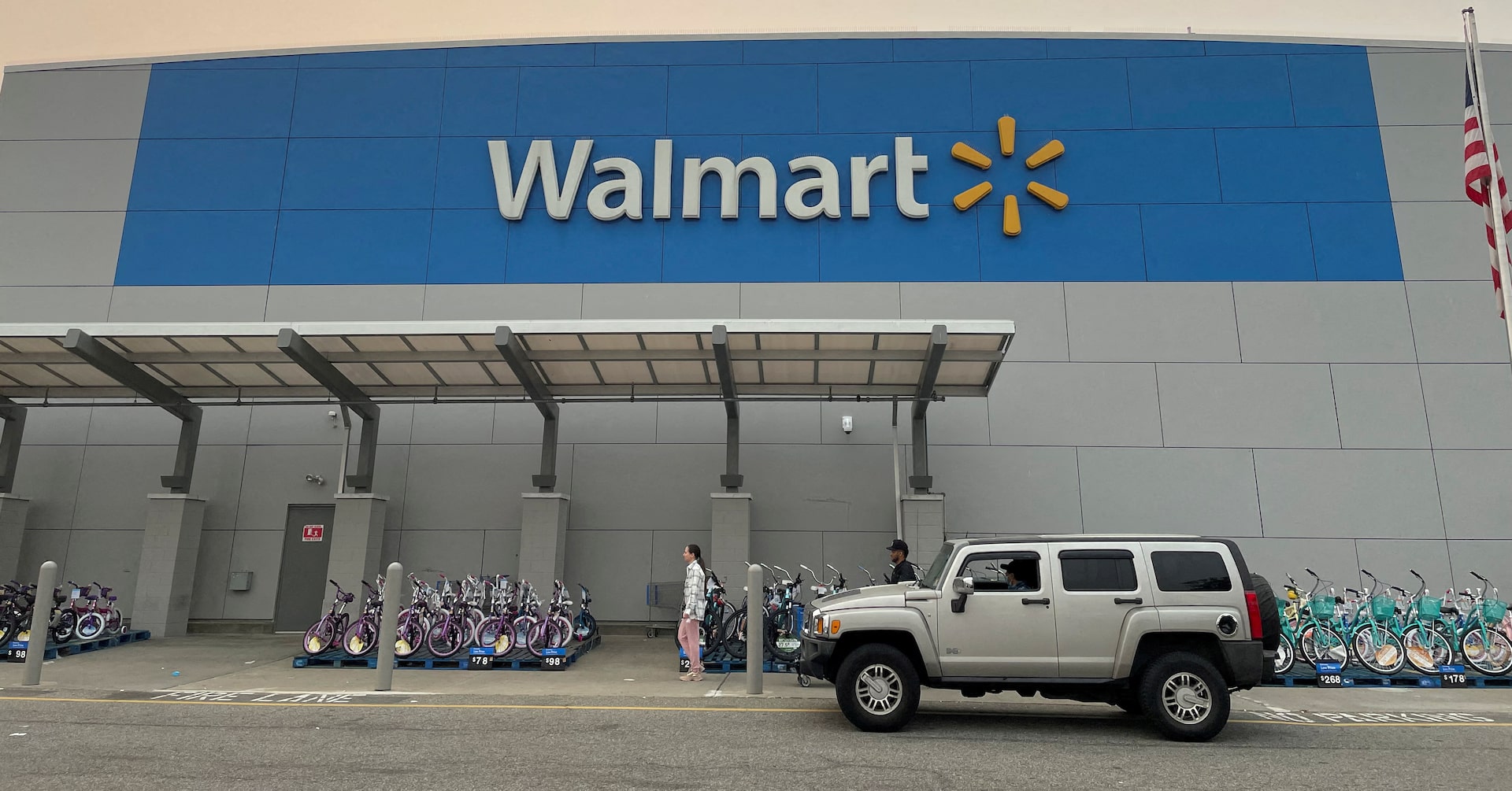
Consumer Confidence Hits Historic Low Amid Inflation Woes

- Consumer Confidence Plummets: The U.S. consumer sentiment survey recorded a historic low of 44.8 in May, indicating that persistent inflation has severely impacted consumer morale, likely leading to significant reductions in discretionary spending and adversely affecting related companies' sales performance.
- Shift to Discount Retail: As household budgets tighten, consumers are increasingly turning to discount retailers like Walmart and Costco, which may benefit during economic downturns, although their price-to-earnings ratios of 42 and 49 suggest relatively high valuations.
- Cautious Market Response: While retail sales data continues to rise, spending on luxury goods is contracting, prompting investors to monitor actual spending habits closely to identify potential investment opportunities, especially as market volatility increases in the coming months.
- Investment Strategy Adjustment: In light of low consumer sentiment, investors should remain patient and selective in stock purchases, focusing on whether luxury goods producers' stocks become undervalued, allowing for potential gains when the market eventually rebounds.
See More

U.S. Consumer Sentiment Hits Historic Low
- Consumer Confidence Plummets: The U.S. consumer sentiment survey recorded a historic low of 44.8 in May, indicating a pessimistic outlook on the economy that could lead to reduced spending on discretionary goods, thereby impacting sales for related companies.
- Investor Response Strategy: In light of declining consumer sentiment, investors should focus on consumer-facing stocks that may be affected, although the current market offers limited discount opportunities, raising concerns about new investments being trapped in overvalued assets.
- Retail Sales Trends: Despite the drop in consumer confidence, retail sales continue to rise, suggesting that as household budgets tighten, consumers may redirect spending, with serious earnings softness expected over the next year leading to deeper stock discounts.
- Warehouse Giants Benefit: Amidst low consumer sentiment, discount retailers like Walmart and Costco may emerge as winners, even though their price-to-earnings ratios of 42 and 49 indicate that these recession-resistant retailers remain relatively expensive.
See More

Investment Comparison of Walmart, Costco, and Amazon

- Successful Membership Model: Costco's membership renewal rate reached 92.2% in the U.S. and Canada for Q3 2026, with a global rate of 89.7%, demonstrating strong customer loyalty and a stable revenue source that reinforces its market position.
- Significant E-commerce Growth: In the same quarter, Costco's e-commerce site and app traffic surged by 37%, while digitally enabled comparable sales rose by 21.5%, indicating substantial success in enhancing online customer engagement, despite a recent dip in stock price.
- Walmart's Stability: As the only 'Dividend King', Walmart has increased its dividend for 53 consecutive years, showcasing the reliability of its business model, with shares also up over 150% in the past five years, further boosted by technology investments like the AI shopping agent Sparky.
- Amazon's Cloud Business Potential: Amazon's AWS revenue grew by 28% to $37.6 billion in Q1 2026, reflecting strong performance in the cloud sector, and while its stock may be volatile, long-term AI investments could lead to significant stock price appreciation potential.
See More

Investment Analysis of Walmart, Costco, and Amazon
- Membership Renewal Rates: As of Q3 2026, Costco's membership renewal rate in the U.S. and Canada was 92.2%, with a global rate of 89.7%, indicating strong customer loyalty and a stable revenue stream that reinforces its market position.
- E-commerce Growth: In the same quarter, Costco saw a 37% increase in e-commerce site and app traffic, while digitally enabled comparable sales rose by 21.5%, demonstrating positive progress in its digital transformation that enhances overall sales performance.
- Walmart's Stability: Known as a 'Dividend King', Walmart has increased its dividend for 53 consecutive years, showcasing the stability of its business model, and its stock price has risen over 150% in the past five years, providing reliable returns for investors.
- Amazon's Cloud Business Growth: In Q1 2026, Amazon's AWS revenue surged by 28% to $37.6 billion, marking its fastest quarterly growth, indicating strong performance in the cloud computing sector, although its stock is more volatile, it holds significant long-term potential.
See More

Comparing Costco, Walmart, and Amazon Stocks for 2026

- High Membership Renewal: As of Q3 2026, Costco's membership renewal rate in the U.S. and Canada reached 92.2%, with a global rate of 89.7%, indicating strong customer loyalty and a stable revenue stream that further solidifies its market position.
- Significant E-commerce Growth: Costco's e-commerce site and app traffic surged by 37% in Q3, while digitally enabled comparable sales increased by 21.5%, demonstrating positive progress in its digital transformation that aids overall sales performance.
- Walmart's Stable Dividends: Walmart, the only 'Dividend King' on the list, has increased its dividend for 53 consecutive years, showcasing the stability of its business model; despite a 0.8% dividend yield, long-term investors can rely on its consistent cash flow and stock price appreciation.
- Strong AWS Performance: Amazon reported a 28% increase in AWS revenue to $37.6 billion in Q1 2026, highlighting its robust performance in the cloud computing sector, although it is perceived as a tech company, which carries higher risks during economic uncertainty.
See More
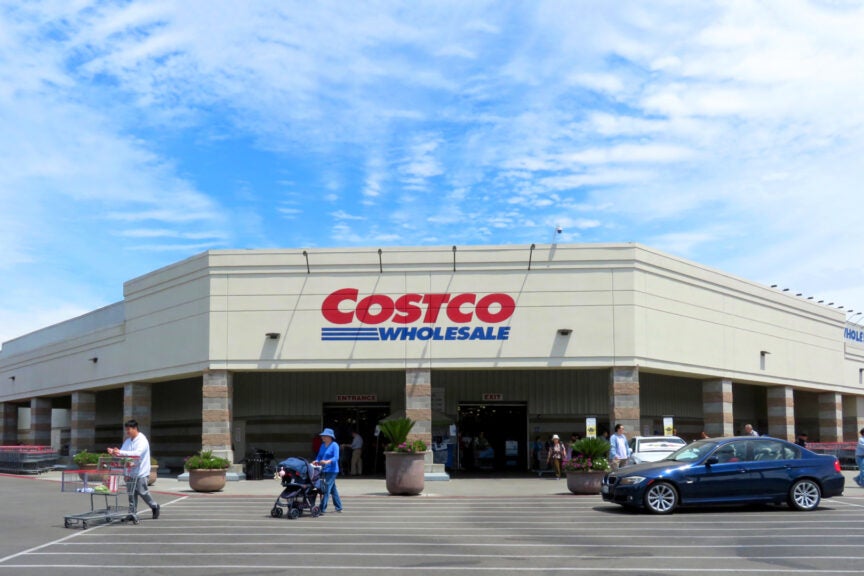
High Oil Prices Impact Retail Sector Performance
- Oil Price Impact on Spending: The recent U.S. military strikes in the Iran conflict have driven up oil prices, leading to increased living costs for Americans, which may alter discretionary spending habits, particularly among lower-income consumers who are feeling the pinch.
- Walmart Customer Behavior Shift: Walmart's CFO revealed that lower-income customers are now purchasing less than 10 gallons of gas per visit, the lowest since 2022, indicating that high gas prices are negatively impacting consumer behavior and could result in reduced foot traffic in stores.
- Costco Sales Surge: Costco reported record-breaking gasoline sales volumes in its latest fiscal quarter, with gas sales accounting for about 10% of total revenue, and higher gas prices are driving customers to shop more in-store, enhancing customer loyalty and spending.
- Investment Choice Analysis: Despite Costco's higher P/E ratio of 48.8 compared to Walmart's 42.3, analysts suggest that in the context of rising oil prices and inflation, Costco is better positioned for future growth, making it a more attractive investment option.
See More
Consumer Confidence Hits Historic Low Amid Inflation Woes
- Consumer Confidence Plummets: The U.S. consumer sentiment survey recorded a historic low of 44.8 in May, indicating that persistent inflation has severely impacted consumer morale, likely leading to significant reductions in discretionary spending and adversely affecting related companies' sales performance.
- Shift to Discount Retail: As household budgets tighten, consumers are increasingly turning to discount retailers like Walmart and Costco, which may benefit during economic downturns, although their price-to-earnings ratios of 42 and 49 suggest relatively high valuations.
- Cautious Market Response: While retail sales data continues to rise, spending on luxury goods is contracting, prompting investors to monitor actual spending habits closely to identify potential investment opportunities, especially as market volatility increases in the coming months.
- Investment Strategy Adjustment: In light of low consumer sentiment, investors should remain patient and selective in stock purchases, focusing on whether luxury goods producers' stocks become undervalued, allowing for potential gains when the market eventually rebounds.
See More
U.S. Consumer Sentiment Hits Historic Low
- Consumer Confidence Plummets: The U.S. consumer sentiment survey recorded a historic low of 44.8 in May, indicating a pessimistic outlook on the economy that could lead to reduced spending on discretionary goods, thereby impacting sales for related companies.
- Investor Response Strategy: In light of declining consumer sentiment, investors should focus on consumer-facing stocks that may be affected, although the current market offers limited discount opportunities, raising concerns about new investments being trapped in overvalued assets.
- Retail Sales Trends: Despite the drop in consumer confidence, retail sales continue to rise, suggesting that as household budgets tighten, consumers may redirect spending, with serious earnings softness expected over the next year leading to deeper stock discounts.
- Warehouse Giants Benefit: Amidst low consumer sentiment, discount retailers like Walmart and Costco may emerge as winners, even though their price-to-earnings ratios of 42 and 49 indicate that these recession-resistant retailers remain relatively expensive.
See More
Investment Comparison of Walmart, Costco, and Amazon
- Successful Membership Model: Costco's membership renewal rate reached 92.2% in the U.S. and Canada for Q3 2026, with a global rate of 89.7%, demonstrating strong customer loyalty and a stable revenue source that reinforces its market position.
- Significant E-commerce Growth: In the same quarter, Costco's e-commerce site and app traffic surged by 37%, while digitally enabled comparable sales rose by 21.5%, indicating substantial success in enhancing online customer engagement, despite a recent dip in stock price.
- Walmart's Stability: As the only 'Dividend King', Walmart has increased its dividend for 53 consecutive years, showcasing the reliability of its business model, with shares also up over 150% in the past five years, further boosted by technology investments like the AI shopping agent Sparky.
- Amazon's Cloud Business Potential: Amazon's AWS revenue grew by 28% to $37.6 billion in Q1 2026, reflecting strong performance in the cloud sector, and while its stock may be volatile, long-term AI investments could lead to significant stock price appreciation potential.
See More
Investment Analysis of Walmart, Costco, and Amazon
- Membership Renewal Rates: As of Q3 2026, Costco's membership renewal rate in the U.S. and Canada was 92.2%, with a global rate of 89.7%, indicating strong customer loyalty and a stable revenue stream that reinforces its market position.
- E-commerce Growth: In the same quarter, Costco saw a 37% increase in e-commerce site and app traffic, while digitally enabled comparable sales rose by 21.5%, demonstrating positive progress in its digital transformation that enhances overall sales performance.
- Walmart's Stability: Known as a 'Dividend King', Walmart has increased its dividend for 53 consecutive years, showcasing the stability of its business model, and its stock price has risen over 150% in the past five years, providing reliable returns for investors.
- Amazon's Cloud Business Growth: In Q1 2026, Amazon's AWS revenue surged by 28% to $37.6 billion, marking its fastest quarterly growth, indicating strong performance in the cloud computing sector, although its stock is more volatile, it holds significant long-term potential.
See More
Comparing Costco, Walmart, and Amazon Stocks for 2026
- High Membership Renewal: As of Q3 2026, Costco's membership renewal rate in the U.S. and Canada reached 92.2%, with a global rate of 89.7%, indicating strong customer loyalty and a stable revenue stream that further solidifies its market position.
- Significant E-commerce Growth: Costco's e-commerce site and app traffic surged by 37% in Q3, while digitally enabled comparable sales increased by 21.5%, demonstrating positive progress in its digital transformation that aids overall sales performance.
- Walmart's Stable Dividends: Walmart, the only 'Dividend King' on the list, has increased its dividend for 53 consecutive years, showcasing the stability of its business model; despite a 0.8% dividend yield, long-term investors can rely on its consistent cash flow and stock price appreciation.
- Strong AWS Performance: Amazon reported a 28% increase in AWS revenue to $37.6 billion in Q1 2026, highlighting its robust performance in the cloud computing sector, although it is perceived as a tech company, which carries higher risks during economic uncertainty.
See More
High Oil Prices Impact Retail Sector Performance
- Oil Price Impact on Spending: The recent U.S. military strikes in the Iran conflict have driven up oil prices, leading to increased living costs for Americans, which may alter discretionary spending habits, particularly among lower-income consumers who are feeling the pinch.
- Walmart Customer Behavior Shift: Walmart's CFO revealed that lower-income customers are now purchasing less than 10 gallons of gas per visit, the lowest since 2022, indicating that high gas prices are negatively impacting consumer behavior and could result in reduced foot traffic in stores.
- Costco Sales Surge: Costco reported record-breaking gasoline sales volumes in its latest fiscal quarter, with gas sales accounting for about 10% of total revenue, and higher gas prices are driving customers to shop more in-store, enhancing customer loyalty and spending.
- Investment Choice Analysis: Despite Costco's higher P/E ratio of 48.8 compared to Walmart's 42.3, analysts suggest that in the context of rising oil prices and inflation, Costco is better positioned for future growth, making it a more attractive investment option.
See More